How to Get Rid of Root Rot: Effective Treatments and Prevention Tips
Getting rid of root rot involves promptly removing affected plant parts, improving soil drainage, and applying fungicides when necessary. Root rot is caused by fungi thriving in overly wet conditions, resulting in decayed roots that prevent nutrient absorption. The best way to tackle root rot begins with identifying symptoms such as discolored, mushy roots and rapidly wilting foliage.
Recognizing and dealing with root rot matters because it often leads to plant death if untreated. The problem usually arises when soil retains too much moisture, creating an environment for fungal growth. Without intervention, healthy roots are compromised, stunting your plant’s growth and appearance.
This article covers how to get rid of root rot by diagnosing it correctly, using various root rot treatment methods, adjusting watering habits, and improving your plant’s growing environment. We will also explore prevention tips to protect your plants from root rot in the future.
Understanding Root Rot Causes and Diagnosis
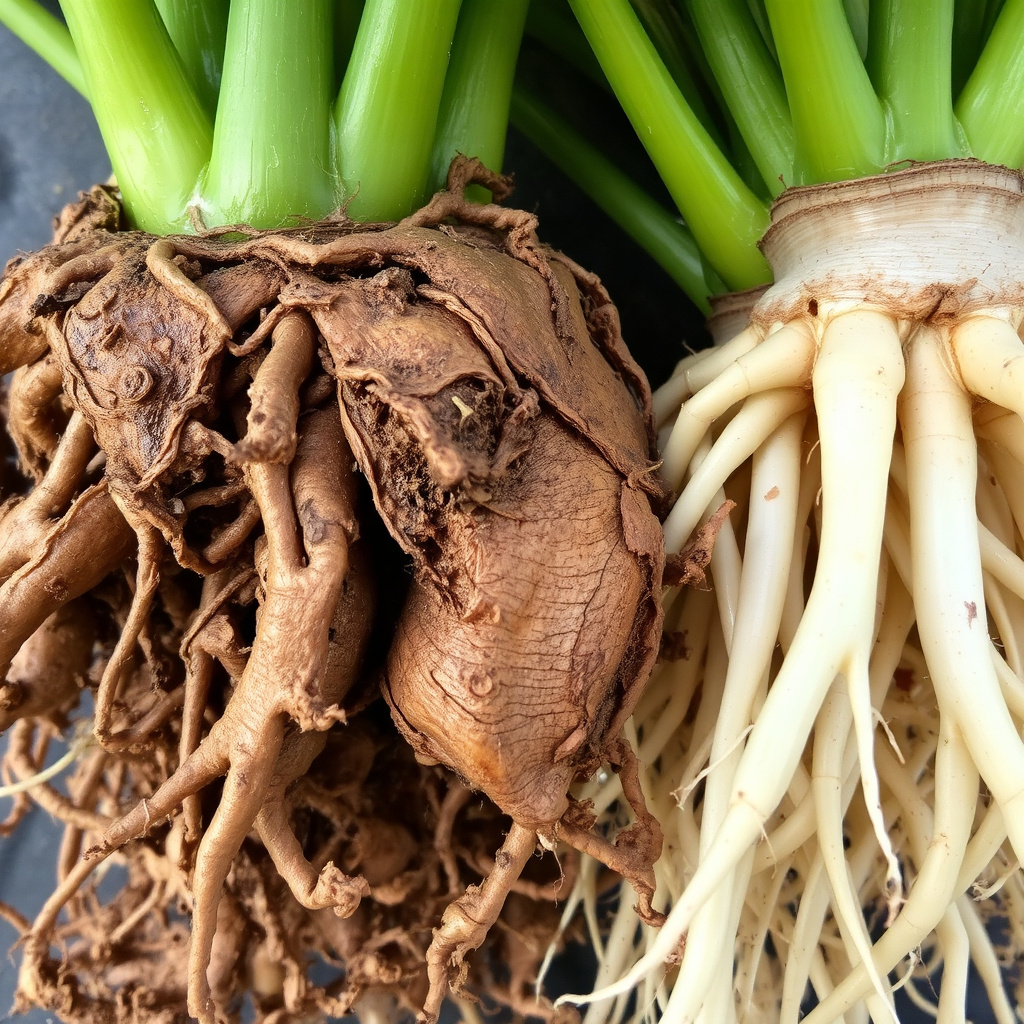
Common Causes of Root Rot
Root rot is primarily caused by fungal pathogens like Phytophthora, Pythium, and Fusarium species that proliferate in waterlogged soil. Excessive watering or poor drainage creates the ideal conditions for these fungi to infect plant roots, leading to tissue decay and impaired function.
Indoor plants in poorly-draining pots or outdoor plants in compacted soil are especially susceptible. Overfertilization and damaged roots can worsen the condition by stressing plants and creating weak spots for infection.
- Excessive soil moisture
- Inadequate drainage in pots or ground
- Pathogenic fungi in soil
- Plant stress and damaged roots
How to Recognize Root Rot Symptoms
Early root rot symptoms include yellowing leaves, wilting despite moist soil, and stunted growth. Upon inspection, roots appear brown or black, soft, and may emit a foul odor instead of healthy, firm, white roots.
Identifying these signs quickly prevents further decline. Gently remove the plant from its container to examine the root ball closely and verify if root rot is the issue before starting treatment.
Root Rot Treatment Methods for Affected Plants

Physical Removal of Rotting Roots
The first step to get rid of root rot is trimming away all affected roots with sterilized scissors or pruning shears. Removing soft, dark, and mushy roots prevents the fungus from spreading and allows the plant to focus energy on healthy roots.
After pruning, wash the root system with clean water to remove remaining fungal spores and then repot the plant in fresh, sterile soil with adequate drainage.
- Use sterilized cutting tools to avoid cross-infection
- Remove all visibly rotting roots
- Wash roots before repotting
Chemical and Organic Fungicide Treatments
Applying fungicides can help eliminate residual pathogens after root pruning. Select products effective against soil-borne fungi, following label instructions carefully. Organic options like neem oil or hydrogen peroxide solutions can also reduce fungal presence.
Repeated treatments may be necessary depending on the severity of the infection. Always combine fungicide use with improved cultural practices to avoid recurrence.
- Choose fungicides labeled for root rot fungi
- Consider organic alternatives for sensitive plants
- Apply multiple treatments as needed
Improving Watering Practices to Prevent Root Rot
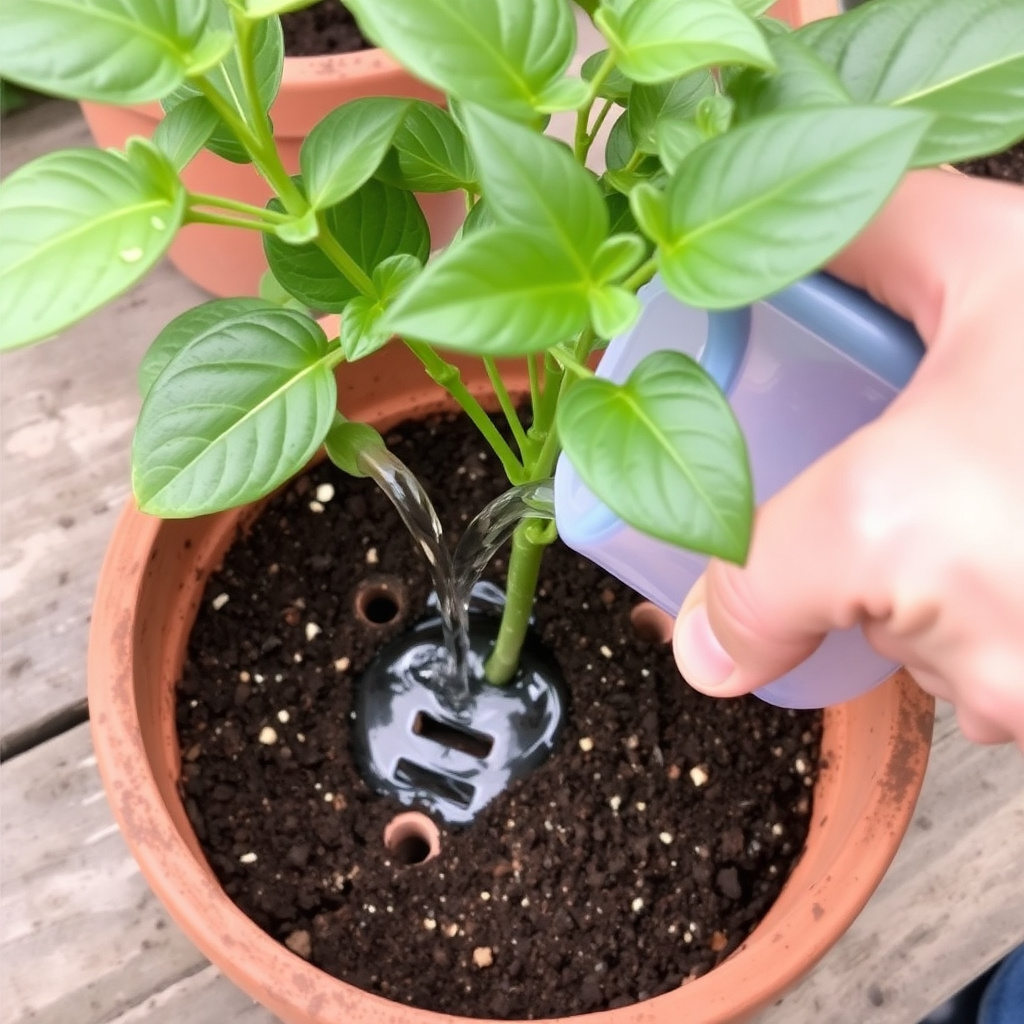
Adjusting Frequency and Amount of Water
Overwatering is the main factor that leads to root rot. Ensure you water plants only when the top inch of soil feels dry to the touch. Avoid watering on a fixed schedule; instead, tailor to the plant’s actual moisture needs.
Use pots with drainage holes so excess water can escape, and avoid letting plants sit in standing water. Proper watering habits keep roots aerobic and discourage fungal growth.
- Water only when soil is dry near surface
- Use well-draining containers
- Empty saucers regularly to prevent water pooling
For more on this, see our related guide: How to Identify Seeds in Carrots: Do Carrots Have Seeds?.
Choosing the Right Potting Mix
A well-aerated and fast-draining potting mix is crucial to prevent root rot. Avoid heavy garden soil or mixes retaining too much moisture. Incorporate components like perlite, coarse sand, or bark to improve drainage and airflow around roots.
Tailoring potting mixes to specific plant species can also reduce risk, as some plants prefer drier or more acidic soils that naturally limit fungal problems.
- Use potting mix with good drainage properties
- Add drainage amendments such as perlite
- Match soil type to plant requirements
Environmental Factors Influencing Root Rot
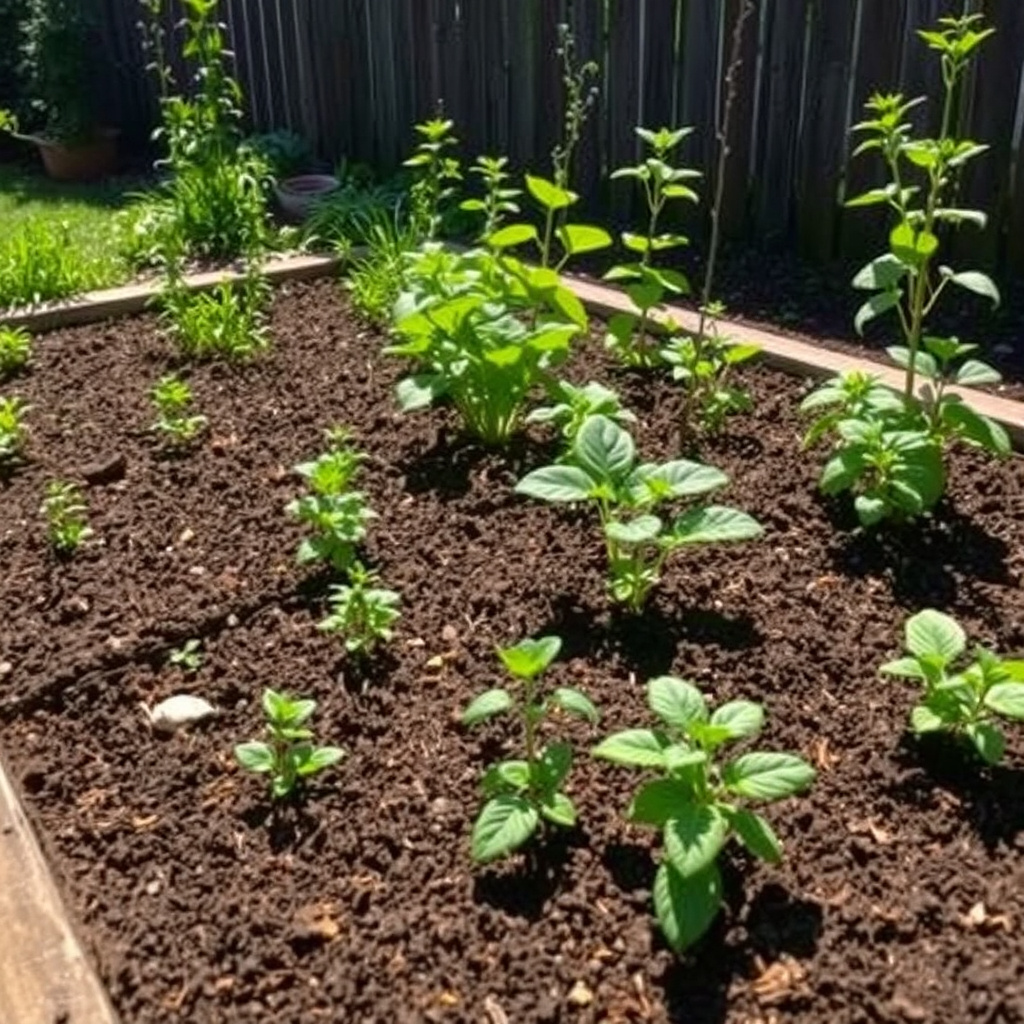
Soil Drainage and Its Role
Poor soil drainage allows water to pool around roots, creating oxygen-poor conditions favorable to root rot fungi. Sandy or loamy soils with good structure enable excess water to move away quickly, maintaining root health.
For outdoor planting, amend heavy clay soils with organic matter and sand to improve drainage. Raised beds and mounded planting areas can also mitigate waterlogging risks.
- Check soil texture and drainage rates
- Amend heavy soils with organic matter
- Use raised beds for better runoff
Temperature and Humidity Effects
Warm and humid environments often promote fungal growth and increase root rot risks, especially indoors where airflow may be limited. Maintaining consistent temperatures suitable for your plant’s type helps reduce stress and vulnerability.
Improve ventilation and reduce ambient humidity through fans or dehumidifiers if root rot outbreaks frequently occur indoors.
- Keep temperature stable and appropriate to plant species
- Improve air circulation to lower humidity
- Use dehumidifiers in enclosed spaces
Preventive Measures to Avoid Root Rot

Routine Plant and Soil Care
Regular monitoring of plants’ appearance and soil moisture can catch early signs of root rot. Avoid soil compaction and replace old potting mixes periodically to maintain a healthy microbial balance.
Sanitize gardening tools to prevent pathogen transmission and quarantine new plants before integrating them to reduce infection chances.
- Check plants regularly for early symptoms
- Avoid compacted, stale soil
- Sanitize tools and quarantine new plants
For more on this, see our related guide: What Affects Plant Growth: Key Factors Explained for Healthy Gardens.
Selecting Resistant Plant Varieties
Some plant species or cultivars display natural resistance to root rot fungi. Choosing these varieties can minimize risk in areas prone to high soil moisture or known fungal presence.
Consulting local extension services or nurseries can help identify resistant plants suitable for your environment.
- Research disease-resistant plant varieties
- Consult local horticultural resources
- Prefer native species adapted to local soils
Using Soil Amendments and Biological Controls
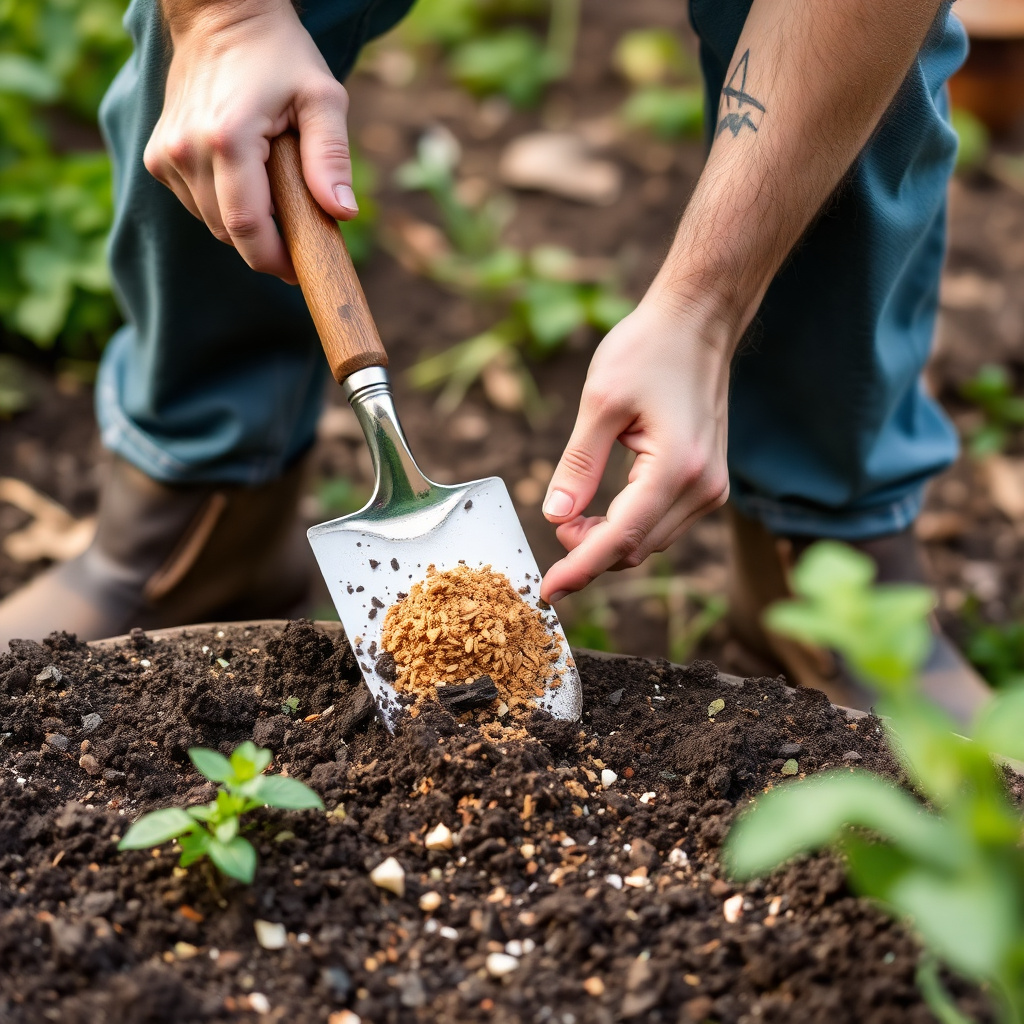
Beneficial Microbes and Mycorrhizae
Introducing beneficial microbes like mycorrhizal fungi and antagonistic bacteria to soil can suppress root rot pathogens naturally. These organisms compete for resources and enhance root health by improving nutrient uptake.
Commercial inoculants are available and can be applied during planting or soil preparation for lasting protection.
- Apply mycorrhizal inoculants when planting
- Use biofungicides containing useful bacteria
- Promote soil biodiversity
For a broader understanding of root rot’s biological causes and affected species, the Root rot information on Wikipedia offers detailed insights. Root rot information on Wikipedia.
Soil Amendments to Improve Health
Incorporating organic matter such as compost enhances soil structure, promotes beneficial microbes, and improves drainage. Some amendments like gypsum can help break up heavy clays and improve aeration around roots.
Regularly replenishing soil with amendments creates an environment less conducive to root rot fungi.
- Add compost or aged organic matter
- Use gypsum to improve heavy soils
- Maintain balanced soil nutrients
Root Rot Treatment Methods Comparison
A side-by-side look at popular root rot treatment options highlights their benefits and drawbacks for different plant care situations.
| Treatment Type | Effectiveness | Cost | Applicability | Plant Type Suitability |
|---|---|---|---|---|
| Physical Root Pruning | High | Low | Required for all infections | All plant types |
| Chemical Fungicides | Moderate to High | Medium | Best for moderate, early infections | Most plants, varies by product |
| Organic Fungicides | Moderate | Low to Medium | Good for mild infections and sensitive plants | Indoor and young plants |
| Improved Watering Practices | High (Preventive) | Free | Prevents occurrence | All plants |
| Beneficial Microbes | Moderate | Medium | Supports soil health and prevention | Mostly perennials and woody plants |
| Soil Amendments | Moderate | Low to Medium | Improves overall soil conditions | Most garden plants |
Frequently Asked Questions
Can a plant recover completely from root rot?
If root rot is caught early and treated properly by removing rotted roots and improving growing conditions, many plants can recover fully and resume healthy growth.
Is overwatering the only cause of root rot?
While overwatering is the main cause, factors like poor drainage, soil compaction, and fungal pathogens also contribute to root rot development.
How often should I repot plants to avoid root rot?
Repotting every 1-2 years with fresh, well-draining soil helps prevent root rot by avoiding stagnant, pathogen-rich conditions.
Are chemical fungicides safe for edible plants?
Some fungicides are labeled safe for edible plants if used according to instructions, but organic treatments might be a safer choice for food crops.
Can root rot spread to other plants?
Yes, root rot fungi can spread through contaminated soil or tools, so sterilizing equipment and quarantining infected plants are important.
Key Takeaways
- Promptly remove rotten roots and repot in fresh soil to halt root rot.
- Adjust watering habits and improve soil drainage to prevent recurrence.
- Use fungicides selectively along with physical treatments for best results.
- Incorporate biological controls and healthy soil amendments for long-term root health.
Conclusion
Tackling root rot requires a combination of precise diagnosis, careful removal of infected roots, and adjustments to your plant’s environment. The core strategy revolves around eliminating soggy conditions favorable to fungal growth and strengthening the plant’s resilience through better cultural practices. By evaluating the severity of root rot and acting quickly, you can save many plants that otherwise would succumb to root decay.
For those dealing with mild to moderate infections, physical root pruning combined with improved watering is often sufficient. More severe cases may benefit from applying chemical or organic fungicides to reduce fungal populations. Don’t underestimate the value of preventive measures either: using well-draining potting mixes, selecting resistant varieties, and integrating beneficial microbes create a robust foundation that protects plants long term.
The next step after learning how to get rid of root rot involves consistent monitoring of your plants and soil moisture levels. Incorporate the outlined treatment methods and prevention tips tailored to your plant type and growing conditions for healthier roots and thriving greenery. Maintaining vigilance and good care habits ensures root rot becomes a rare challenge rather than an ongoing problem.