How to Test Soil pH: A Simple Guide for Accurate Results
Testing soil pH involves measuring the acidity or alkalinity of your soil, which affects nutrient availability and plant growth. The most straightforward way is to use a soil pH testing kit or a digital pH meter to get reliable readings within minutes.
Knowing your soil’s pH helps tailor fertilization and lime or sulfur applications to suit specific plants or crops. Incorrect pH levels can hinder nutrient absorption, resulting in poor plant health and reduced yields.
This article will cover various methods for testing soil pH, including DIY soil test kits, digital meters, and laboratory analysis. You’ll also learn how to interpret results and adjust soil pH effectively.
Understanding Soil pH and Its Importance

What Does Soil pH Indicate?
Soil pH is a numerical scale from 0 to 14 that indicates how acidic or alkaline the soil is. Neutral soil has a pH close to 7, while values below 7 are acidic and above 7 are alkaline. Soil pH influences the chemical form of nutrients and their availability to plants.
Different plants thrive at different pH levels; for example, blueberries prefer acidic soil around 4.5 to 5.5, while lavender grows best in slightly alkaline conditions near 7.5. Knowing your soil’s pH helps in choosing suitable plants and managing the soil environment accordingly.
How Soil pH Affects Plant Growth
Soil pH affects nutrient solubility and microbial activity. Essential nutrients like nitrogen, phosphorus, and potassium become less available if the pH is too low or too high, causing nutrient deficiencies and stunted growth.
Microbial populations that decompose organic matter and convert nutrients to usable forms also vary with pH. Soil pH outside a plant’s preferred range can reduce beneficial microbial activity, further impacting soil fertility.
Using DIY Soil pH Testing Kits
How to Use a Soil pH Testing Kit
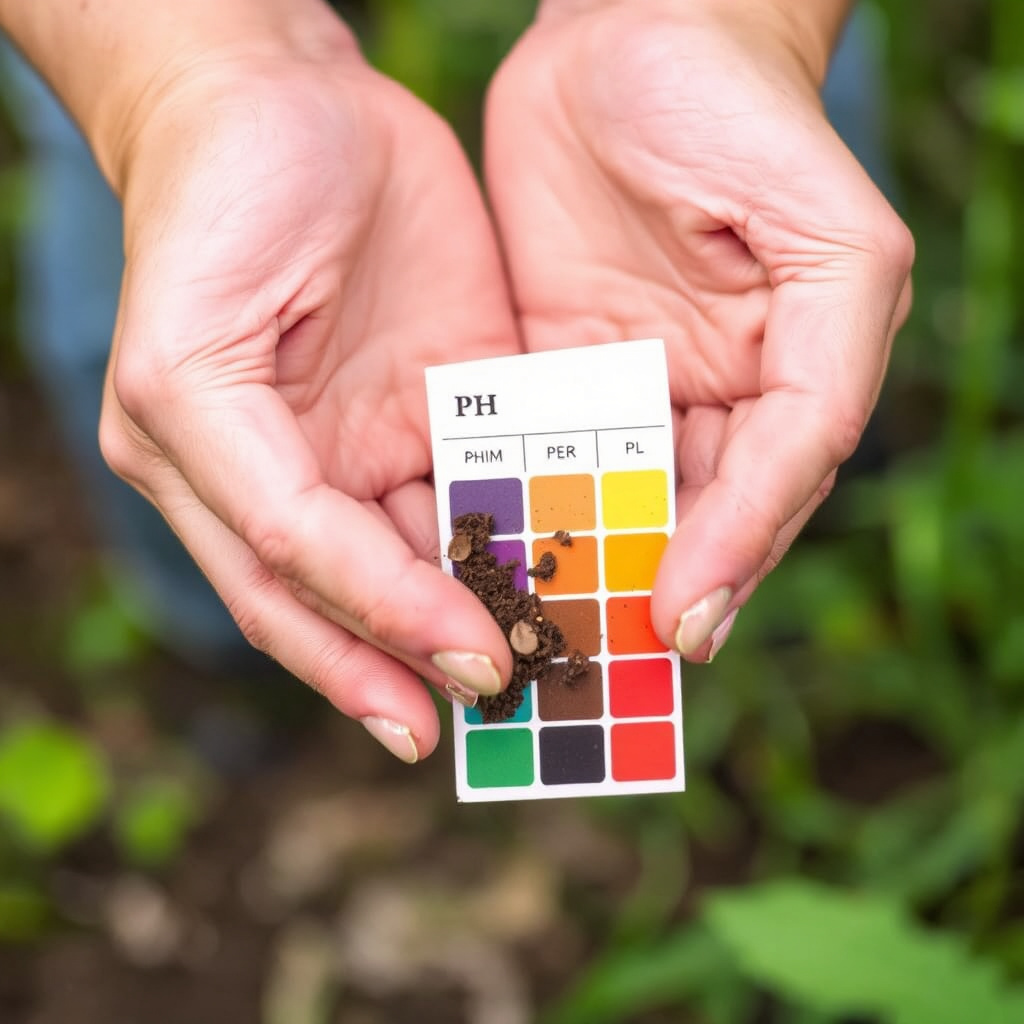
DIY soil pH testing kits are affordable and widely available. To use one, collect soil samples from several spots in your garden, mix them, and place a small amount into the test container. Add the testing solution or powder as instructed to produce a color change that corresponds to the pH.
After waiting for the recommended time, compare the color of the test solution with the provided pH color chart to determine your soil’s acidity or alkalinity. This method is quick but relies on visual interpretation for accuracy.
- Collect soil samples 4-6 inches deep
- Mix samples for a representative test
- Use fresh, homogenized soil for best results
Advantages and Limitations of DIY Kits
DIY soil pH kits are easy to use and provide immediate results without specialized equipment. They are suitable for gardeners seeking a quick assessment and can guide preliminary soil amendment decisions.
However, the color-based results can be subjective, and certain soil types with high organic matter or moisture may affect accuracy. For more precise measurements, more advanced methods are recommended.
Digital pH Meters for Soil Testing
How to Use a Digital Soil pH Meter
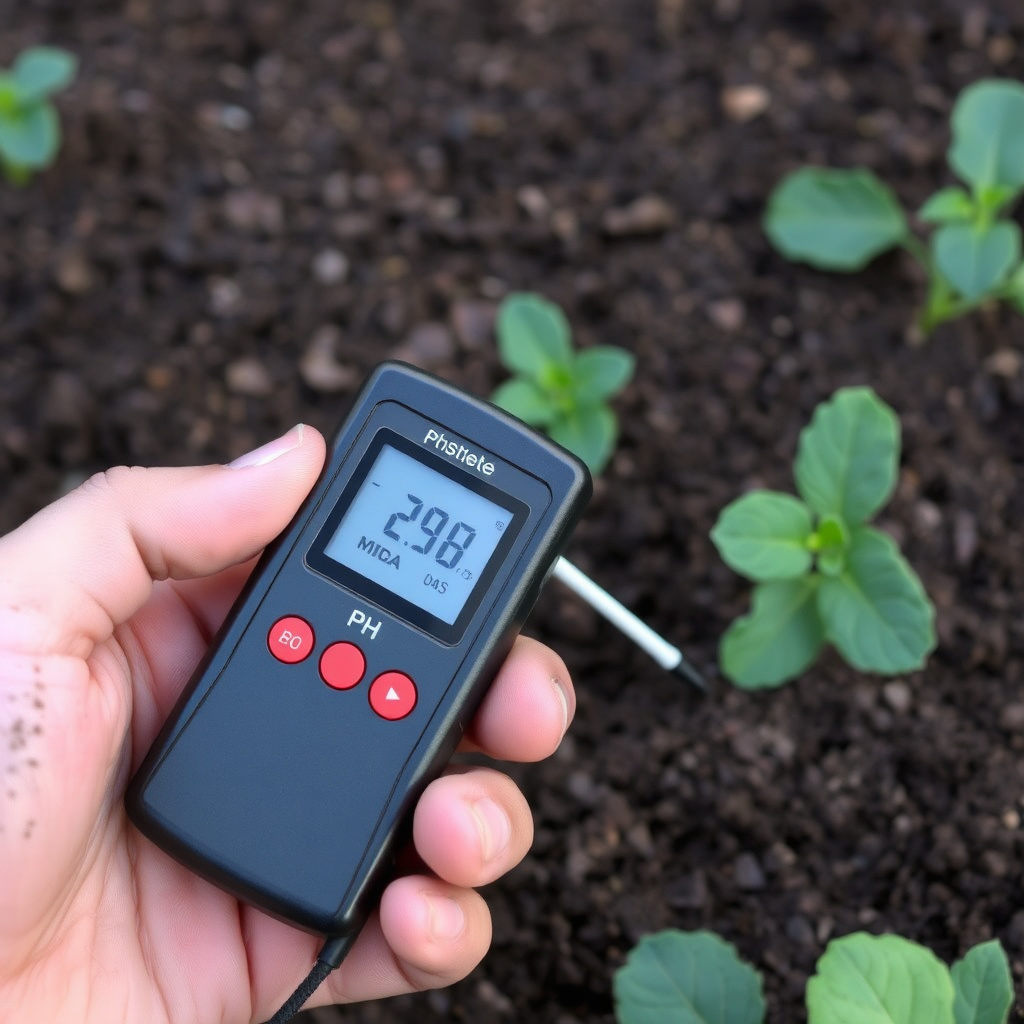
Digital pH meters provide electronic readings of soil pH with probes that penetrate the moist soil. To use, first moisten the soil if dry, insert the meter probe about 2-3 inches deep, and wait a few seconds until the reading stabilizes.
Calibration is essential before use to ensure accurate measurements. Most meters come with a calibration solution; follow the instructions carefully and recalibrate regularly to maintain reliability.
- Moisten dry soil before testing
- Calibrate meter before each use
- Insert probe 2-3 inches deep into soil
For more on this, see our related guide: Cannabis pH Levels for Soil: How to Maintain the Perfect Balance.
Pros and Cons of Digital Soil Meters
Digital meters provide fast, objective, and precise pH readings, making them ideal for gardeners, landscapers, and farmers needing frequent measurements. They can measure a range of soil conditions with proper calibration.
They tend to be more expensive than DIY kits and require maintenance like cleaning probes and regular calibration. Batteries or charging needs may also limit continuous outdoor use.
Laboratory Soil pH Testing Services
How to Obtain Lab Soil pH Testing
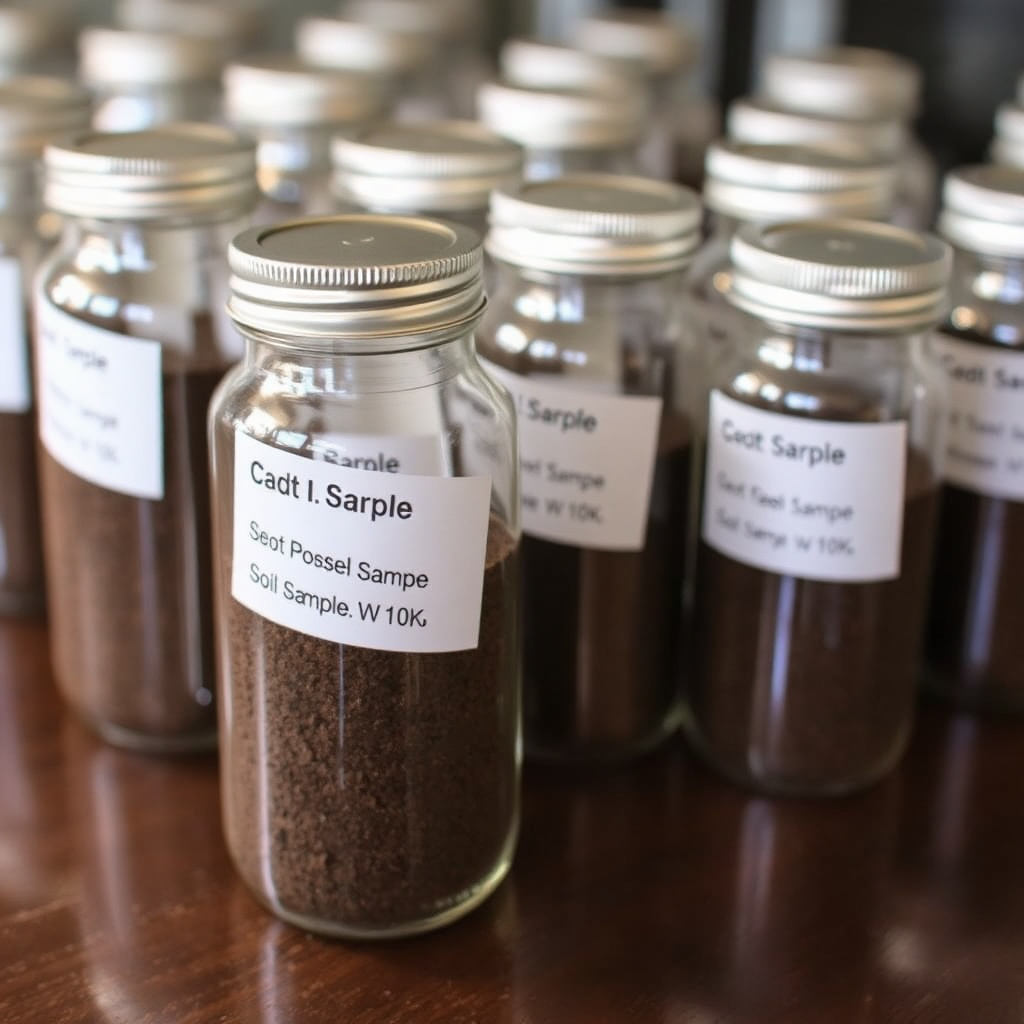
Many agricultural extension offices and private labs provide comprehensive soil analysis services including pH measurement. Collect a composite soil sample following lab instructions and ship or deliver it for testing.
Labs often provide detailed reports including pH, nutrient levels, organic matter content, and recommendations. This method is the most accurate and useful for managing larger plots or commercial crops.
- Gather multiple soil subsamples from representative areas
- Follow lab sampling and submission guidelines carefully
- Allow 1-2 weeks for results and recommendations
When to Choose Laboratory Testing
Laboratory testing is best when precision is critical, such as extensive vegetable gardens, orchards, or farms with complex nutrient management needs. It also helps confirm field or digital meter measurements.
Although lab tests cost more and take longer, the detailed analysis enables tailored soil management plans and professional advice not possible with home testing alone.
Interpreting Soil pH Test Results
What the pH Numbers Mean for Your Soil
Soil pH values below 6.0 are generally acidic, between 6.0 and 7.0 are near neutral, and above 7.0 indicate alkaline conditions. Most vegetable crops prefer slightly acidic to neutral soil between 6.0 and 7.0 for balanced nutrient uptake.
Highly acidic soils may require lime applications to raise pH, while alkaline soils might need sulfur compounds to lower pH. pH outside plant-specific ranges can cause nutrient lockout or toxicity symptoms.
For more on this, see our related guide: How to Choose the Best Soil for Cannabis Plants: A Complete Guide.
Adjusting Soil pH Based on Test Results
If your soil test shows acidic conditions, applying agricultural lime gradually over months can neutralize excess acidity. For alkaline soils, elemental sulfur or acidifying fertilizers can lower pH but changes occur slowly and need monitoring.
Always retest soil at least annually after amendments. Avoid rapid pH changes that may stress plants, opting instead for steady adjustments combined with organic matter additions for better soil buffering.
- Apply lime in small amounts for acid soils
- Use sulfur cautiously to reduce alkalinity
- Retest soil after 6-12 months
- Incorporate organic compost for stability
Maintaining Soil pH Healthy for Your Plants
Ongoing Soil pH Monitoring
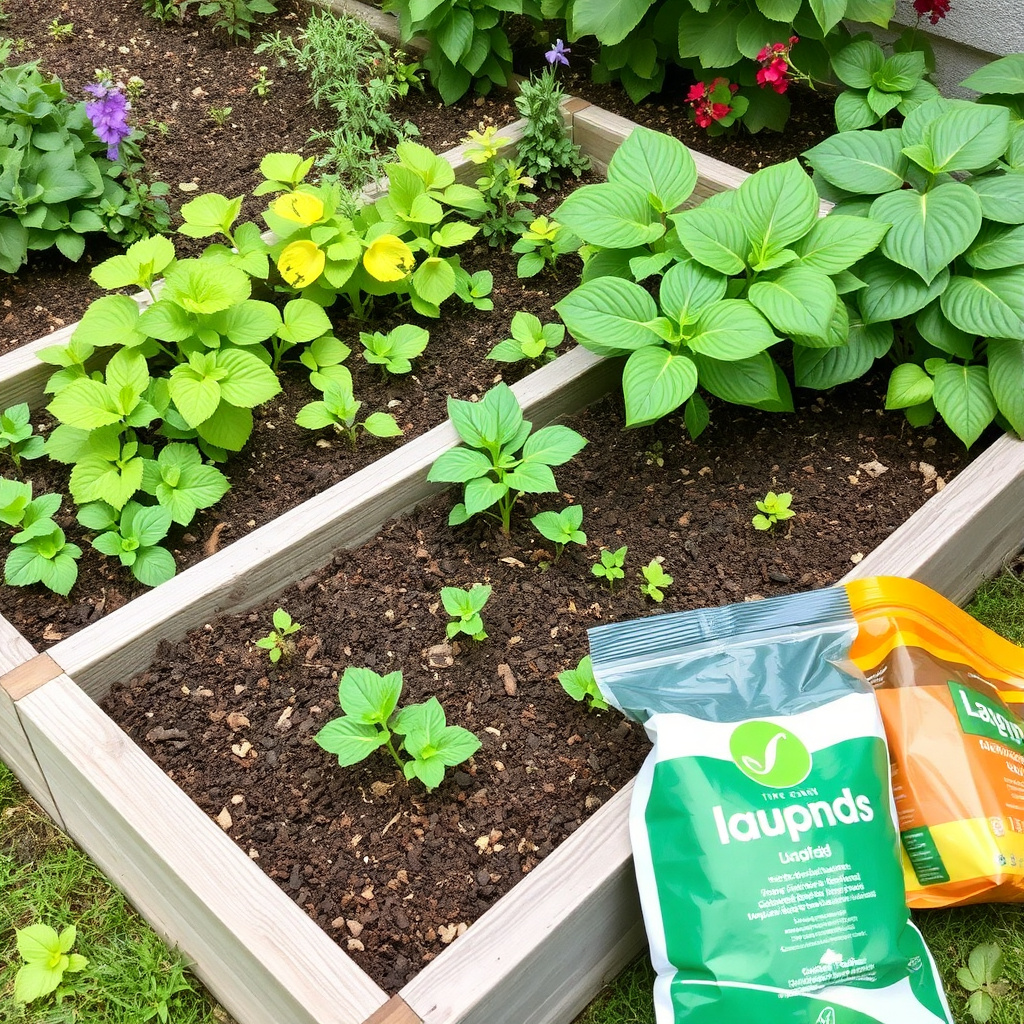
Regular testing using a soil pH testing kit or digital meter allows you to detect slow shifts in pH before they affect plant health. Seasonal testing in early spring and fall provides insight for timely amendments.
Keeping records of results helps track trends and evaluate the effectiveness of lime or sulfur applications. Maintaining pH within target ranges supports nutrient availability and plant resilience.
For a deeper understanding of soil pH and its impact on agriculture, you can visit soil pH information on Wikipedia. soil pH information on Wikipedia.
Additional Practices to Support Balanced Soil pH
Adding organic matter like compost enhances soil buffering capacity, reducing extreme pH swings. Crop rotation and cover cropping can balance soil chemistry and promote beneficial microbes that stabilize pH.
Avoid overusing chemical fertilizers that alter pH rapidly, such as ammonium-based nitrogen fertilizers which acidify soil. Instead, choose balanced nutrition sources and maintain good irrigation practices.
Soil pH Testing Methods Comparison
Here is a comparison of popular soil pH testing methods, highlighting ease of use, cost, accuracy, and best applications.
| Method | Cost | Accuracy | Ease of Use | Best For |
|---|---|---|---|---|
| DIY Soil pH Testing Kit | Low ($5-$15) | Moderate | Very Easy | Home gardeners, casual testing |
| Digital pH Meter | Medium ($50-$150) | High | Moderate | Frequent testers, professionals |
| Laboratory Testing | High ($15-$50/sample) | Very High | Requires sample prep | Commercial growers, detailed analysis |
| pH Test Strips | Very Low ($3-$10) | Low | Easy | Quick approximate testing |
Frequently Asked Questions
How often should I test my soil pH?
Testing soil pH once or twice a year is advisable to monitor changes. Testing before planting seasons helps adjust amendments and maintain optimal conditions for your plants.
Can soil pH be changed quickly?
Soil pH changes gradually, often over months. Rapid adjustments can stress plants and disrupt soil life, so it’s better to apply amendments slowly and retest periodically.
Is rain affecting soil pH?
Yes, acid rain can lower soil pH over time, making soils more acidic. Other environmental factors like irrigation water quality can also influence soil pH.
Do all plants prefer neutral soil pH?
No, different plants have different pH preferences. While many thrive near neutral pH 6.0-7.0, some like blueberries or azaleas prefer acidic soil, and others like lavender favor alkaline conditions.
Can I reuse the soil pH testing kit?
Most DIY soil pH testing kits are for single or limited use. Digital pH meters can be reused many times with proper calibration and care.
Key Takeaways
- Soil pH affects nutrient availability and plant health directly.
- DIY soil pH testing kits provide quick but approximate results.
- Digital pH meters offer precise readings for frequent soil testing.
- Laboratory analysis delivers comprehensive and accurate pH and nutrient data.
Conclusion
Determining your soil pH is fundamental to successful gardening and farming as it influences nutrient uptake and microbial activity in the soil. Whether you choose a simple DIY soil pH testing kit for occasional checks or invest in a digital pH meter for regular monitoring, understanding the pH reading guides you in making smarter soil amendments. Taking time to interpret and act on these results fosters healthier plant growth and better yields in the long run.
For casual gardeners or beginners, starting with a soil pH testing kit offers a low-cost entry point to assess soil acidity and alkalinity quickly. More advanced users or professionals managing large plots might benefit from digital meters or sending samples to laboratories where detailed soil chemistry reports include pH and other critical parameters. Each method has merits, so selecting whichever fits your budget and accuracy needs is a balanced approach.
Next, after identifying your soil pH, apply lime or sulfur amendments carefully according to your soil’s needs, and retest periodically. Regular testing helps catch gradual changes and keeps your soil environment stable for plants to thrive. Armed with these tools and knowledge, maintaining an optimal soil pH becomes a manageable part of your garden or farm care routine.