What Nutrients Do Flowering Plants Need for Vibrant Growth?
Flowering plants require a balanced combination of nutrients to grow robustly and produce vibrant blooms. The primary nutrients they need include nitrogen, phosphorus, and potassium, often called macronutrients, along with secondary nutrients like calcium, magnesium, and sulfur. Additionally, trace elements or micronutrients such as iron, manganese, zinc, copper, molybdenum, and boron are vital for supporting various physiological functions.
These nutrients are fundamental because they support processes like photosynthesis, energy transfer, cell wall formation, and flower development. Without adequate nutrition, flowering plants may exhibit stunted growth, poor flowering, or leaf discoloration. Gardeners and horticulturists pay close attention to soil nutrient levels and often supplement them through fertilizers to maintain plant health.
This article will explore the specific roles of key nutrients in flowering plants, how to recognize deficiencies, and practical approaches to providing these nutrients effectively. Understanding these elements can help you nurture thriving plants that brighten any garden or indoor space.
Macronutrients: The Foundation of Flowering Plant Nutrition

Nitrogen's Role in Leaf and Stem Growth
Nitrogen is critical for flowering plants as it forms amino acids, the building blocks of proteins, which are essential for leaf and stem development. It promotes lush, green foliage by supporting chlorophyll synthesis, allowing the plant to photosynthesize efficiently.
Insufficient nitrogen often leads to yellowing leaves and weakened growth, hampering the plant's ability to produce flowers. However, too much nitrogen can result in excessive leaf growth at the expense of blooms.
Phosphorus and Potassium for Flower Development
Phosphorus plays a key role in energy transfer within the plant through ATP and contributes to root development and flower production. Adequate phosphorus encourages strong blooms and efficient nutrient movement.
Potassium supports overall plant health by regulating water uptake, strengthening cell walls, and enhancing resistance to diseases and stress. It also helps increase flower size and longevity, making it indispensable for flowering plants.
Secondary Nutrients: Supporting Structure and Metabolism

Calcium for Cell Wall Strength and Growth
Calcium is vital for maintaining strong cell walls and membranes, which supports plant structure. It aids in root and leaf development, helping flowering plants maintain sturdy growth and resist environmental stresses.
A lack of calcium can cause blossom end rot in some plants and weak stems, diminishing flower quality. It is typically absorbed slowly from the soil, so supplementing calcium during growth phases ensures healthy development.
Magnesium and Sulfur: Key Components of Chlorophyll and Proteins
Magnesium is a central atom in the chlorophyll molecule, essential for photosynthesis and energy production. Without magnesium, plants cannot convert sunlight into usable energy, which affects flowering capability.
Sulfur is a component of certain amino acids and vitamins that contribute to protein synthesis and enzyme function. This nutrient enhances overall plant metabolism and influences the aroma and flavor in some flowering plants.
Micronutrients: Essential Plant Minerals in Small Amounts
Iron and Manganese for Chlorophyll Production
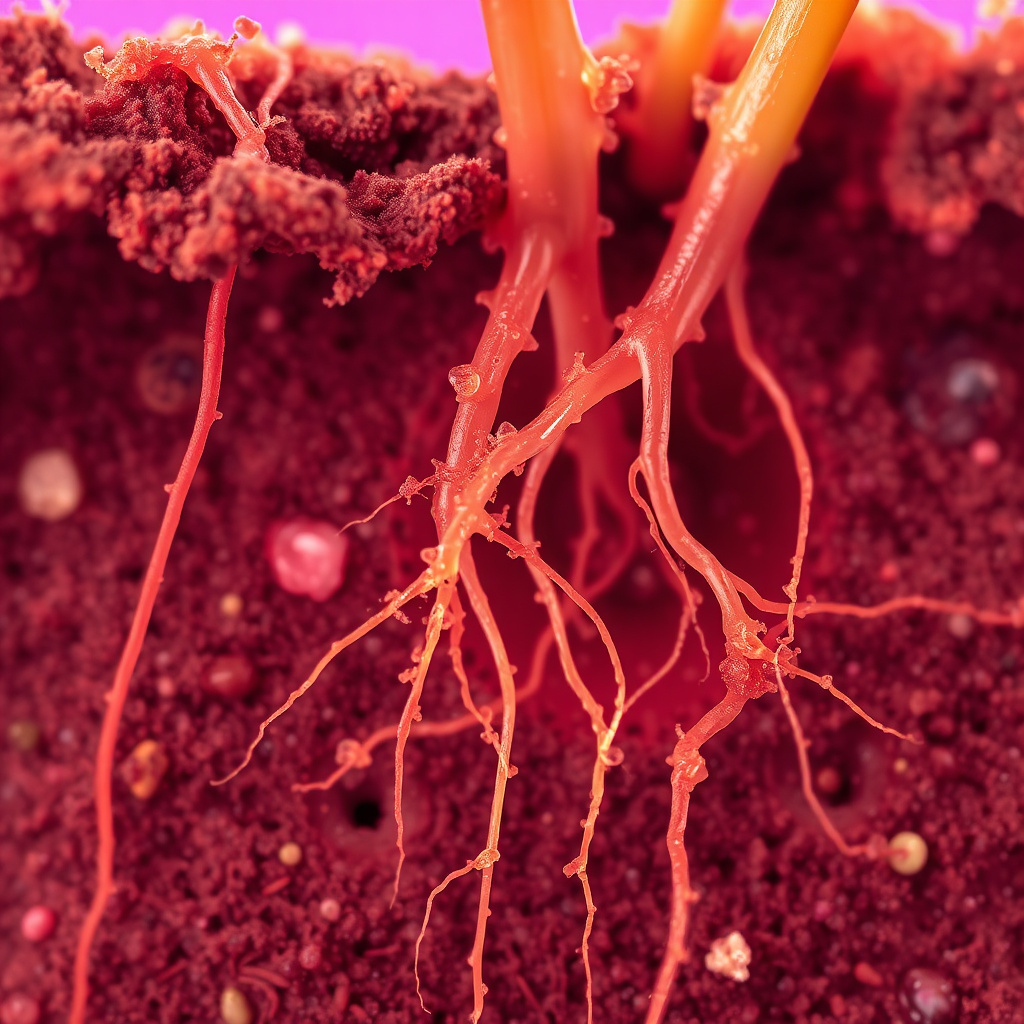
Iron is crucial for chlorophyll synthesis and electron transport during photosynthesis. Deficiencies often lead to interveinal chlorosis, where leaves turn yellow but veins stay green.
Manganese supports photosynthesis along with nitrogen metabolism. It acts as a cofactor for enzymes involved in breaking down nutrients, which indirectly boosts flowering plant vigor.
For more on this, see our related guide: Cannabis Flowering Time Explained: How to Optimize Your Grow Cycle.
Zinc, Copper, Molybdenum, and Boron Functions
Zinc influences growth hormone production and enzyme activity, important for cell division and elongation in flowers. Copper aids in reproductive growth and protects plants from oxidative damage.
Molybdenum assists in nitrogen fixation and conversion within plants, while boron affects cell wall formation and pollen tube growth, critical for flower fertilization.
Recognizing Nutrient Deficiencies in Flowering Plants

Common Symptoms of Macronutrient Deficiencies
Yellowing or pale leaves often signal nitrogen deficiency, while poor root and flower development may indicate a lack of phosphorus. Potassium deficiency typically causes leaf edges to brown and curl, with reduced bloom size.
Monitoring these symptoms early allows intervention before severe damage occurs, preserving the plant’s ability to flower profusely.
Micronutrient Deficiency Indicators
Iron deficiency usually presents as yellowing between leaf veins, particularly in young leaves. A lack of boron can lead to distorted or dead growing tips, directly impacting flowering success.
Zinc and copper deficiencies may cause smaller leaves and flowers or impaired reproductive function. Recognizing these subtle signs helps tailor nutrient supplements accurately.
Methods to Provide Nutrients for Flowering Plants

Soil Amendments and Organic Fertilizers
Enriching soil with compost, manure, or organic fertilizers releases nutrients slowly, improving soil structure and microbial activity. These natural sources supply both macronutrients and micronutrients in balanced forms beneficial for flowering plants.
Organic amendments also help retain moisture and enhance soil aeration, creating an optimal environment for nutrient uptake through roots.
For more on this, see our related guide: Cannabis Strain Comparison: How to Choose the Right Strain for Your Needs.
Synthetic Fertilizers and Foliar Feeding
Synthetic fertilizers offer targeted nutrient formulations, allowing precise control over nitrogen, phosphorus, potassium, and trace elements. They provide rapid nutrient availability for plants showing deficiencies.
Foliar feeding delivers nutrients directly to leaves and can quickly correct micronutrient shortfalls during the flowering stage, enhancing bloom quality and resilience.
Water and pH: Influencing Nutrient Absorption in Flowering Plants

The Role of Water in Nutrient Transport
Water dissolves nutrients in the soil, making them accessible to plant roots. Adequate and consistent watering ensures nutrients are effectively absorbed and transported to growing tissues of the flowering plant.
Overwatering can lead to nutrient leaching, while underwatering causes nutrient uptake to slow, both negatively affecting plant growth.
For further reading on the science behind flowering plant nutrition, the Plant nutrition overview on Wikipedia provides detailed information. Plant nutrition overview on Wikipedia.
Soil pH Impact on Nutrient Availability
Soil pH affects the chemical form of nutrients and their availability. Most flowering plants prefer slightly acidic to neutral soil (pH 6-7), where macronutrients and essential plant minerals are most accessible.
Extremes in pH can lock out nutrients, making them unavailable despite being present in the soil. Testing and adjusting soil pH helps optimize nutrient absorption.
Comparison of Nutrient Sources for Flowering Plants
Here's a comparison of common nutrient sources highlighting their nutrient release speed, ease of use, and suitability for flowering plants.
| Nutrient Source | Release Speed | Ease of Use | Best For |
|---|---|---|---|
| Compost | Slow | Moderate | Long-term soil health and balanced nutrition |
| Manure | Slow to Moderate | Moderate | Organic nutrient boost with added microbes |
| Synthetic Fertilizers | Fast | Easy | Quick correction of specific deficiencies |
| Foliar Fertilizer Spray | Very Fast | Easy | Micronutrient supplementation during flowering |
| Liquid Organic Fertilizers | Moderate | Easy | Improving nutrient availability in container plants |
Frequently Asked Questions
How often should I fertilize flowering plants?
Fertilization frequency depends on the plant type and nutrient source. Typically, monthly feeding during the growing season with balanced fertilizers supports healthy blooms.
Can flowering plants survive without micronutrients?
Micronutrients are required in small amounts but are essential for key functions like enzyme operation and chlorophyll production. Without them, plants show signs of poor growth and flowering.
Is over-fertilizing harmful to flowering plants?
Yes, too much fertilizer can cause nutrient imbalances, burn roots, and reduce flowering by promoting excessive foliage growth over blooms.
How does soil pH affect nutrient uptake in flowering plants?
Soil pH influences nutrient solubility; an incorrect pH can lock out nutrients, reducing availability and affecting flowering plant health.
What are signs of potassium deficiency in flowering plants?
Potassium deficiency often shows as browning and curling leaf edges, weak stems, and smaller or fewer flowers.
Key Takeaways
- Flowering plants need nitrogen, phosphorus, and potassium as primary nutrients for growth and blooms.
- Secondary nutrients and micronutrients play vital roles in structure, metabolism, and flower quality.
- Recognizing nutrient deficiency symptoms helps guide timely fertilization choices.
- Soil conditions like pH and watering significantly affect nutrient availability and uptake.
Conclusion
Understanding what nutrients flowering plants need involves recognizing their reliance on a balanced mix of macronutrients such as nitrogen, phosphorus, and potassium, supported by secondary nutrients and trace minerals. By evaluating soil conditions and monitoring plant health indicators, gardeners can make informed decisions to provide adequate nutrition that sustains both vegetative growth and bloom development. This approach helps maintain flowering plants that are not only lush but also vibrant in their floral display.
For practical application, incorporating organic sources like compost or manure benefits soil structure and long-term fertility. However, synthetic fertilizers and foliar sprays offer quick correction of any deficiencies, especially during active flowering stages. For instance, nitrogen is critical early on for foliage, whereas phosphorus and potassium become more important as flowers form and mature. Secondary nutrients such as calcium and magnesium support internal plant structure and photosynthesis, complementing the primary nutrients to optimize growth.
Ultimately, reviewing your specific plant species and soil condition will guide your nutrient management strategy. Regular soil testing and selective use of nutrient sources will create an environment where flowering plants thrive naturally, producing the lush greenery and radiant flowers that make garden spaces enchanting. Taking the next step could mean adjusting soil pH or supplementing micronutrients through foliar feeding, thus enhancing nutrient uptake and overall plant vitality.