What Affects Plant Growth: Key Factors Explained for Healthy Gardens
Plant growth is primarily affected by several factors including sunlight, water availability, soil quality, temperature, and nutrient supply. Each of these elements plays a vital role in how well a plant can develop and reach maturity. Without adequate sunlight or water, for example, plants may show stunted growth or fail to thrive altogether.
Understanding what affects plant growth is important for gardeners, farmers, and anyone interested in cultivating healthy plants. The right balance of environmental conditions can lead to robust plants that produce abundant flowers, fruits, or foliage. Conversely, unfavorable conditions can cause weak growth, disease, and poor yields.
This article will examine the major factors influencing plant development, such as light intensity, water management, soil properties, temperature ranges, and nutrient availability. We will also discuss how to optimize these conditions to promote vigorous plant growth and detailed care tips tailored to different plant types.
Sunlight and Its Influence on Plant Growth
Photosynthesis and Light Intensity
Sunlight is essential for photosynthesis, the process by which plants convert light energy into chemical energy to fuel growth. The intensity, duration, and quality of light directly affect a plant’s ability to produce energy and develop properly.
Different plant species have varying light requirements; some thrive in full sun while others prefer partial shade. Insufficient light can lead to weak stems, smaller leaves, and poor flowering, while excessive light can cause leaf scorch and dehydration.
Adjusting Light Exposure for Optimal Growth
Gardeners can manipulate plant placement to control light exposure, planting shade-tolerant species under trees or placing sun-loving plants in open areas. Using shade cloths or reflective surfaces can further optimize light conditions.
Indoor growers often use artificial grow lights with adjustable intensity and spectrum to replicate natural sunlight and extend the growing season, especially in low-light environments.
- Position plants according to their light preference
- Use shade cloth for sensitive plants
- Employ grow lights indoors
Water and Its Role in Plant Development
Water Availability and Plant Hydration
Water is critical for transporting nutrients within plants and maintaining cell structure. Adequate water supply ensures healthy metabolic functions and growth, while too little water stresses plants, causing wilting or slowed development.
Overwatering, on the other hand, can lead to root rot and oxygen deprivation in the soil, both harmful to plants. Understanding each species’ water needs is necessary to avoid these issues.
Effective Watering Techniques
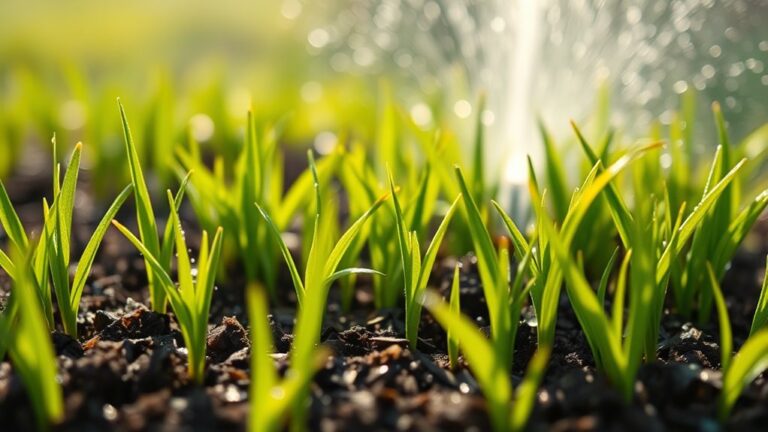
Applying water at the base of plants in the early morning or late evening reduces evaporation and maximizes absorption. Using drip irrigation or soaker hoses provides steady moisture without oversaturating the soil.
Mulching around plants helps retain soil moisture and regulate temperature, reducing water stress during hot or dry periods.
- Water plants during cooler parts of the day
- Use drip irrigation for precise watering
- Apply mulch to conserve moisture
Soil Quality and Nutrient Availability
Soil Composition and Structure
Soil provides the physical base and essential nutrients for plant roots. A good balance of sand, silt, and clay ensures proper drainage and aeration while retaining moisture. Compacted or poor soil can stunt root growth and nutrient uptake.
Testing soil composition helps identify whether amendments are needed to improve texture and fertility, supporting consistent plant health.
For more on this, see our related guide: How to Improve Plant Growth: Practical Tips for a Thriving Garden.
Fertilizers and Plant Nutrition
Plants require macro- and micronutrients such as nitrogen, phosphorus, potassium, calcium, and magnesium for growth. Fertilizers can supplement these when natural soil nutrients are depleted.
Choosing organic or synthetic fertilizers depends on garden goals. Organic options improve soil health over time, while synthetic fertilizers provide targeted nutrient boosts. Overfertilizing should be avoided to prevent root burn and environmental harm.
- Test soil before fertilizing
- Choose fertilizer based on nutrient needs
- Avoid excessive fertilizer application
Temperature Effects on Plant Growth
Optimal Temperature Ranges
Each plant species has a preferred temperature range for germination, growth, and flowering. Temperatures outside this range can slow physiological processes or cause damage.
Cold temperatures can lead to frost damage, while excessive heat stresses cellular functions and may increase water loss.
Managing Temperature for Garden Success
Using greenhouses, cold frames, or row covers can extend growing seasons by protecting plants from extreme temperatures. Shading and adequate ventilation help cool plants during heat waves.
Selecting plants suited to the local climate reduces the risks associated with temperature stress and supports steady growth.
- Use greenhouses to control temperature
- Implement shading during heat
- Match plants to climate zones
Pests, Diseases, and Environmental Stress
Impact of Pests and Diseases
Insects, fungi, bacteria, and viruses can damage plant tissues, reducing photosynthesis and nutrient absorption. Infestations can rapidly weaken plants and spread to others in the garden.
Prompt identification and treatment are essential to prevent long-term growth problems.
For more on this, see our related guide: How to Identify and Manage Cannabis Plant Pests and Diseases Effectively.
Preventative and Treatment Measures
Regular inspection, maintaining plant health, and using integrated pest management techniques minimize pest and disease outbreaks.
Biological controls, organic pesticides, and proper sanitation reduce reliance on harsh chemicals while promoting healthy plant development.
- Inspect plants regularly
- Use biological pest controls
- Maintain garden cleanliness
Plant Genetics and Growth Potential
Genetic Traits Affecting Growth
The genetic makeup of a plant determines inherent traits like growth rate, maximum size, and resistance to stresses. Selective breeding and hybridization aim to enhance desirable characteristics.
Understanding genetics helps gardeners choose species and cultivars best suited to their environment and goals.
For a scientific overview of plant growth, visit the detailed entry on Plant growth information on Wikipedia. Plant growth information on Wikipedia.
Propagation and Genetic Consistency
Propagation methods such as seeds, cuttings, or grafting influence genetic variation and uniformity. Seed-grown plants can show variation, while cloning maintains a plant’s exact traits.
Choosing the right propagation technique supports predictable growth patterns and plant performance.
- Use seeds for genetic diversity
- Use cuttings for exact traits
- Apply grafting for specific benefits
Comparison of Major Factors Influencing Plant Growth
Below is a comparison of key factors affecting plant growth, highlighting their impact, management ease, and common challenges.
| Factor | Impact on Growth | Ease of Management | Common Challenges |
|---|---|---|---|
| Sunlight | Crucial for photosynthesis and energy | Moderate | Shade issues, light fluctuations |
| Water | Essential for hydration and nutrient transport | Moderate | Overwatering, drought stress |
| Soil Quality | Supplies nutrients and physical support | Variable | Poor drainage, nutrient deficiency |
| Temperature | Influences metabolic rates and development | Challenging | Frost, heat stress |
| Pests & Diseases | Can severely damage or kill plants | Difficult | Insect outbreaks, fungal infections |
| Genetics | Determines growth potential and resistance | Easy | Limited control over traits |
Frequently Asked Questions
How does light quality affect plant growth?
Light quality, meaning the spectrum of wavelengths, influences photosynthesis efficiency. Blue and red light are most effective, promoting vegetative growth and flowering respectively.
Why is overwatering harmful to plants?
Excess water reduces soil oxygen, leading to root suffocation and rot, which impairs nutrient uptake and can kill the plant.
Can soil be improved to enhance plant growth?
Yes, adding organic matter, adjusting pH, and proper fertilization improve soil structure and nutrient availability, supporting better plant development.
What temperature range is best for most garden plants?
Most garden plants thrive between 65°F to 75°F (18°C to 24°C), though this varies by species.
How can pests be controlled without chemicals?
Biological controls, companion planting, manual removal, and maintaining plant health reduce pest populations without harsh chemicals.
Does plant genetics affect growth speed?
Yes, genetics determine inherent traits like growth rate, size, and resilience, impacting how quickly and robustly a plant grows.
Key Takeaways
- Sunlight and water are the most critical factors affecting plant growth.
- Soil quality and nutrients strongly influence overall plant health.
- Temperature and pest control are vital for preventing stress and damage.
- Plant genetics set the baseline for growth potential and resistance.
Conclusion
Choosing plants and managing environmental conditions with an understanding of what affects plant growth is essential for successful gardening. By balancing factors like sunlight, water, soil nutrients, temperature, and genetics, one can foster healthy, vigorous plants. Recognizing that each factor interplays with others, gardeners can make adjustments to accommodate specific plant needs and local climate conditions effectively.
When aiming to grow healthy plants, consider plant species’ light and temperature preferences carefully. Sun-loving plants will benefit from full sunlight exposure, while shade-tolerant types require sheltered locations. Similarly, maintaining consistent moisture with proper watering techniques and ensuring soils have balanced nutrients will enhance growth performance. Taking steps to prevent pests and diseases further safeguards your plants’ development. For beginners, selecting hardy, locally adapted plants can simplify care while providing rewarding results.
The next step is to observe your plants closely and adjust care practices according to their responses. Testing soil regularly, using mulch, and monitoring watering schedules are practical ways to improve growth conditions. Over time, implementing the knowledge of factors influencing plant development will lead to lush, productive gardens. Starting with a few informed changes can create a strong foundation for flourishing plants that brighten your outdoor spaces.