What Are Micronutrients for Plants? Essential Guide to Plant Micronutrients
Micronutrients for plants are essential trace elements that plants require in very small amounts to thrive. These include elements like iron, manganese, zinc, copper, molybdenum, boron, chlorine, and nickel. Although needed in minute quantities, they play critical roles in enzymatic functions, photosynthesis, and overall metabolism of plants.
Without adequate micronutrients, plants can develop deficiencies that negatively impact growth, yield, and resistance to diseases. Unlike macronutrients such as nitrogen or phosphorus, micronutrients are often overlooked, but their presence or absence defines plant health at a fundamental level.
This article will explore the various micronutrients required by plants, explain their specific functions, signs of deficiencies, and how gardeners and farmers can manage soil and fertilization practices to maintain balanced nutrient availability.
Understanding Micronutrients for Plants

What Defines a Micronutrient?
Micronutrients are minerals and trace elements required in quantities typically less than 100 ppm (parts per million) by plants. Unlike macronutrients, these elements do not contribute directly to the structure or bulk of plant tissues but serve primarily as cofactors for enzymes and are involved in vital biochemical pathways.
Plants absorb micronutrients from the soil solution primarily via roots. Their availability depends on factors like soil pH, texture, organic matter, and interactions with other soil minerals, which influence how easily roots can take them up.
Key Micronutrient Elements for Plants
The most critical micronutrients for plants include iron (Fe), manganese (Mn), zinc (Zn), copper (Cu), molybdenum (Mo), boron (B), chlorine (Cl), and nickel (Ni). Each element has unique functions; for example, iron is vital for chlorophyll synthesis, while boron affects cell wall formation and nutrient transport.
These elements often work synergistically. Deficiency or excess of one micronutrient can influence the plant’s uptake or metabolism of others, making balanced soil composition essential for optimal plant health.
Functions of Major Micronutrients in Plants
Iron and Manganese
Iron is crucial for chlorophyll production and electron transport in photosynthesis. It helps plants convert sunlight into energy efficiently, so iron deficiency manifests as yellowing leaves, especially in young tissues.
Manganese plays a role in photosystem II during photosynthesis and is involved in nitrogen assimilation. It acts as an activator for several enzymes that protect plants from oxidative stress.
- Iron aids in chlorophyll synthesis
- Manganese supports photosynthesis and nitrogen use
Zinc and Copper
Zinc influences hormone production and regulates metabolic activities through enzyme activation. Zinc deficiencies cause stunted growth and malformed leaves or roots.
Copper participates in photosynthesis, respiration, and lignin synthesis, which strengthens cell walls. Copper deficiency may lead to distorted leaves and poor development of reproductive structures.
- Zinc impacts enzyme function
- Copper supports structural integrity
Recognizing and Managing Plant Nutrient Deficiencies

Symptoms of Micronutrient Deficiency
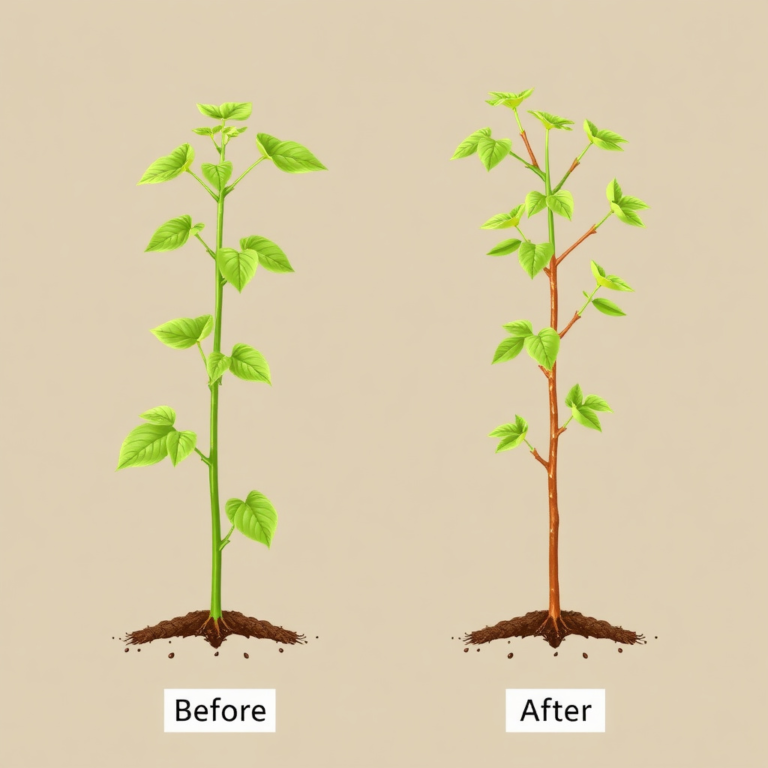
Common deficiency symptoms include chlorosis (yellowing), necrosis (dead tissue spots), interveinal yellowing, stunted growth, and poor fruit or flower development. The pattern of symptoms often indicates which micronutrient is lacking.
For example, iron deficiency typically causes yellowing of young leaves, whereas manganese deficiency results in interveinal chlorosis primarily on older leaves.
For more on this, see our related guide: Best Nutrients for Cannabis Plants: Essential Guides for Thriving Growth.
Soil and Fertilizer Adjustments
Soil testing can identify micronutrient levels and pH, which affects availability. Adjusting soil pH with lime or sulfur might enhance micronutrient uptake. Applying foliar sprays or soil amendments containing micronutrient fertilizers can quickly correct deficiencies.
Organic matter additions improve soil structure and microbial activity, indirectly enhancing micronutrient availability and reducing plant nutrient deficiencies.
- Soil pH affects nutrient availability
- Foliar feeding offers quick symptom relief
Environmental and Soil Factors Affecting Micronutrients
Soil pH Influence
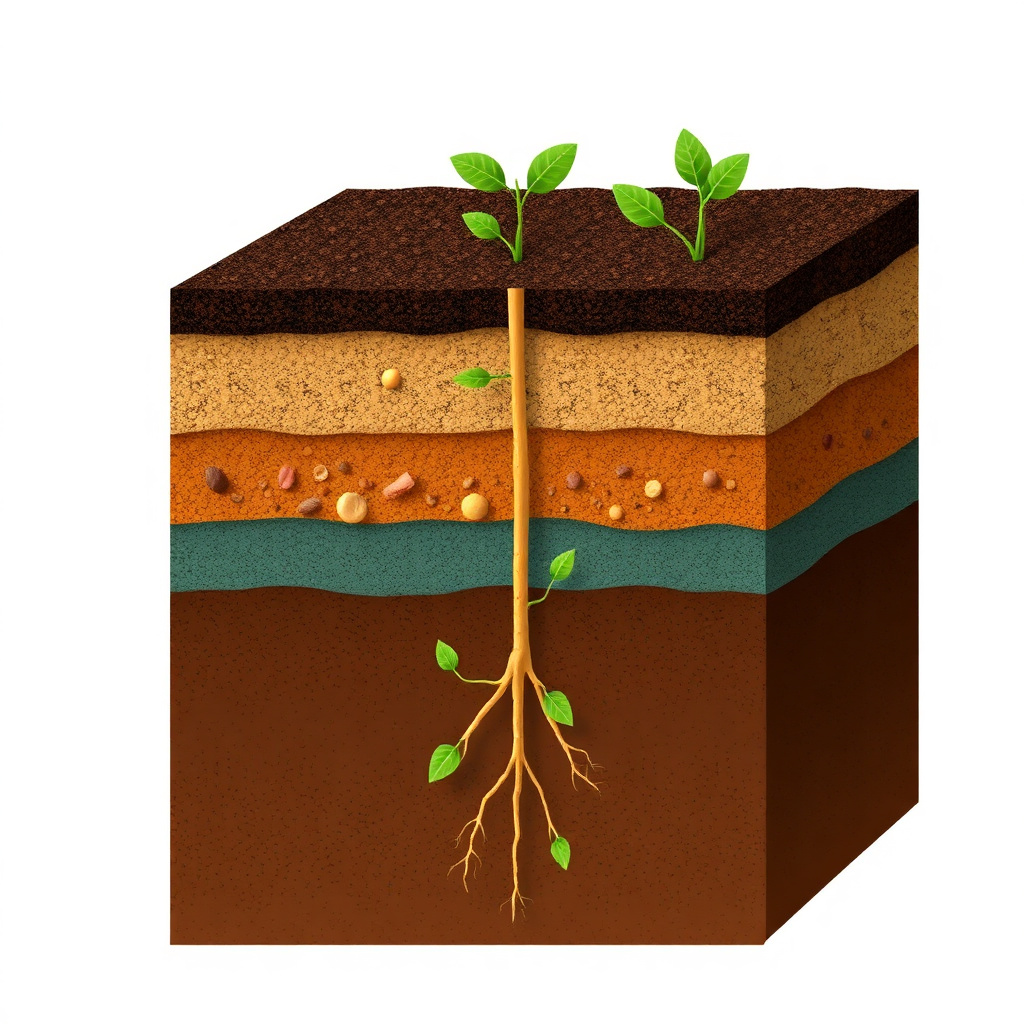
Soil pH significantly impacts micronutrient solubility. Acidic soils increase availability of elements like iron and manganese but may cause toxicity, while alkaline soils reduce their solubility, potentially inducing deficiencies.
Maintaining a slightly acidic to neutral pH (around 6.0-7.0) is often ideal for balanced micronutrient uptake for many plants.
Interaction With Other Nutrients
Excessive phosphorus or calcium can antagonize micronutrient absorption, causing deficiencies despite sufficient soil levels. Additionally, high levels of macronutrients or salinity can inhibit root function and nutrient uptake.
Understanding these competitive or synergistic effects is vital for managing fertilization and avoiding unintended nutrient imbalances.
Practical Applications in Agriculture and Gardening

Micronutrient Fertilizers and Supplements
Micronutrient fertilizers come in chelated forms that improve element stability and plant availability. Common products include iron sulfate, zinc oxide, borax, and copper sulfate. Application rates must be precise to avoid toxicity.
Farmers calibrate micronutrient use based on crop requirements, soil tests, and local environmental conditions to maximize yield and quality.
For more on this, see our related guide: What Affects Plant Growth: Key Factors Explained for Healthy Gardens.
Monitoring Plant Health and Soil Quality
Regular visual inspection, tissue analysis, and soil testing help detect micronutrient imbalances early. Technologies such as portable chlorophyll meters assist in monitoring plant nutrition status in real time.
Adopting integrated nutrient management that combines organic and inorganic sources ensures sustainable and balanced micronutrient supply.
Role of Micronutrients in Plant Stress Resistance

Micronutrients Enhancing Disease Resistance
Elements such as copper and zinc contribute to strengthening plant cell walls and activating defense enzymes to fight pathogens. Adequate micronutrient levels reduce vulnerability to diseases caused by fungi and bacteria.
Studies show that micronutrient supplementation can increase resistance to both biotic and abiotic stresses.
For a detailed scientific overview of plant micronutrients, refer to this comprehensive resource. Plant micronutrients overview.
Tolerance to Abiotic Stress
Micronutrients impact plant ability to withstand drought, salinity, and temperature extremes by regulating antioxidant enzymes and maintaining membrane integrity.
For example, manganese acts in photosystem II protection during high light intensity, helping plants survive challenging environments.
Micronutrient Sources: Natural vs. Synthetic Fertilizers
This table compares the main types of micronutrient fertilizers highlighting their pros, cons, and typical usage scenarios.
| Category | Source Type | Advantages | Disadvantages | Cost |
|---|---|---|---|---|
| Chelated Micronutrient Fertilizers | Synthetic | High bioavailability; quick uptake | More expensive; can accumulate in soil | $30-$50 per kg |
| Sulfate-Based Fertilizers | Synthetic | Widely available; cost-effective | Lower stability in soil; may leach | $10-$20 per kg |
| Organic Amendments (Compost, Manure) | Natural | Improves overall soil health; slow release | Micronutrient content variable; slower effect | Variable, often low |
| Foliar Sprays | Synthetic/Natural | Rapid symptom correction; precise application | Temporary effect; risk of leaf burn if misapplied | $15-$40 per liter |
| Soil Mineral Additives (Rock Dust) | Natural | Long term soil amendment; multiple minerals | Slow nutrient availability; dependent on soil biology | $5-$15 per kg |
Frequently Asked Questions
Why do plants need micronutrients if they only require small amounts?
Micronutrients, though needed in tiny quantities, are vital for enzyme functions and physiological processes indispensable for plant growth and development.
How can I tell if my plant has a micronutrient deficiency?
Deficiencies often show as specific leaf discolorations, stunted growth, or distorted leaves. Soil and tissue testing can confirm which micronutrients are lacking.
Can too much of a micronutrient harm plants?
Yes, excess micronutrients can cause toxicity, damaging tissues and interfering with uptake of other nutrients, so careful management is necessary.
Are micronutrients included in regular NPK fertilizers?
Most basic NPK fertilizers do not contain micronutrients, so additional supplements or specialized fertilizers are needed for those elements.
Is foliar feeding more effective than soil application for micronutrients?
Foliar feeding provides a quick nutrient boost, especially to correct deficiencies, but soil application offers longer-term nutrient availability.
Key Takeaways
- Micronutrients are essential trace elements critical for plant enzymatic and physiological functions.
- Deficiency symptoms vary depending on the specific micronutrient and plant species.
- Soil pH and nutrient interactions influence micronutrient availability and uptake.
- Balanced fertilization using natural and synthetic sources supports healthy plant growth.
Conclusion
Deciding what micronutrients are necessary for your plants relies on understanding their specific roles and how deficiencies manifest. Monitoring soil and plant health combined with appropriate fertilization strategies ensures these trace elements are supplied in the correct amounts. Since micronutrients impact fundamental physiological processes, their balanced presence is critical for thriving plants and robust yields.
Gardeners or farmers facing particular symptoms such as chlorosis or poor growth should consider testing soil and plant tissue for key micronutrients such as iron, zinc, and manganese. Using chelated fertilizers or organic amendments can correct deficiencies and improve long-term soil fertility. Crop-specific needs and local soil conditions must guide micronutrient management to avoid imbalances or toxicity.
For practical steps, start with soil pH measurement and testing micronutrient content before planting. Supplementing with foliar sprays can provide rapid relief for deficiency symptoms while long-term soil amendments improve availability. Maintaining diverse nutrient inputs and avoiding nutrient antagonism will help maintain healthy plant nutrition.