How to Buy Heirloom Seeds for Your Garden Successfully
Buying heirloom seeds means selecting seeds that come from plants with a long history of cultivation, prized for their flavor, resilience, and genetic diversity. To buy heirloom seeds successfully, focus on sourcing from reputable suppliers who specialize in true-to-type seeds, check seed purity, and decide on varieties suited to your climate and gardening goals. This approach ensures the seeds you plant will reliably reflect the heritage qualities gardeners seek.
Heirloom seeds offer gardeners an opportunity to preserve rare plant genetics and enjoy flavors and appearances lost in mass-market hybrid seeds. Unlike commercial hybrids, heirloom seeds are open-pollinated and bred to thrive under natural conditions, representing decades or centuries of adaptation. Choosing the right seeds allows you to support biodiversity and nurture garden plants with unique traits.
This article will guide you through the essential steps of how to buy heirloom seeds: understanding seed sources, evaluating seed quality, selecting varieties, and practical buying tips. Additionally, you'll find comparisons between different seed types and answers to common questions about heirloom seed shopping and storage.
Finding Reliable Sources for Heirloom Seeds

Buying from Specialized Seed Suppliers
Specialized seed suppliers focus exclusively on heirloom or heritage varieties, often providing detailed information about each seed’s origin and characteristics. These suppliers typically maintain seed purity by preventing cross-pollination, which is vital to preserving heirloom traits.
Look for seed companies with transparent sourcing and customer reviews praising germination rates and seed viability. Catalogs, websites, and seed exchanges from heirloom-focused suppliers offer a wide selection compared to general garden centers.
- Check supplier reputation through gardening forums
- Prefer those who document seed history and origin
- Verify germination guarantees or return policies
Heirloom Seed Exchanges and Local Sources
Seed exchanges and local gardening clubs are excellent for finding rare heirloom seed varieties adapted to your region’s climate. These grassroots sources often trade seeds collected from family gardens and regional favorites.
While less formal than commercial suppliers, their seeds often benefit from strong local adaptability and can preserve truly unique varieties harder to find commercially.
- Participate in seed swaps or community garden events
- Connect with heirloom seed enthusiasts online
- Verify seed quality and storage history when possible
Evaluating Seed Quality Before Purchase

Understanding Seed Viability and Germination Rates
Seed viability refers to the seed’s ability to germinate and grow into a healthy plant. Reliable suppliers usually test and publish germination rates, indicating what percentage of seeds is expected to sprout.
A high germination rate (often above 80%) signals fresher seeds and proper storage. Older seeds might have lower rates so always check packaging dates and test seeds if uncertain.
- Look for batch harvest dates on seed packets
- Test a small sample by sprouting seeds indoors
- Store unused seeds in cool, dry conditions to maintain viability
Seed Purity and True-to-Type Assurance
True-to-type means the plants grown from seeds will exhibit the classic characteristics of that heirloom variety. Purity is maintained by open-pollinated seeds grown isolated from hybrids or other varieties.
When buying heirloom seed varieties, verify that the source maintains isolation practices or hand-pollination to ensure genetic consistency. This protects the traits that make heirlooms unique.
- Confirm open-pollinated status on packaging
- Ask suppliers about seed isolation practices
- Be cautious of mixed packets labeled ‘heirloom’ without details
Selecting Heirloom Seed Varieties for Your Garden

Matching Seeds to Your Climate and Soil
Climate adaptability is crucial when choosing heirloom seed varieties. Some thrive in cooler, shorter seasons, while others require long, warm summers. Understanding your local USDA Hardiness Zone and soil conditions helps narrow selections.
When buying, choose varieties noted for success in your region to improve germination and plant vigor. Local seed exchanges and extension services can guide climate-appropriate options.
- Research your garden zoning and microclimate
- Select drought-tolerant versus moisture-loving varieties accordingly
- Consider soil pH and texture preferences for each seed type
For more on this, see our related guide: How Do You Eat Pumpkin Seeds?.
Choosing Varieties for Taste, Appearance, and Use
Heirloom seeds offer a spectrum of flavors and aesthetics not found in modern hybrids. From rich, sweet tomatoes to unique heirloom beans, these characteristics can enhance your cooking or garden appeal.
Decide if flavor, yield, plant size, or disease resistance matters most. Many heirloom seed catalogs provide detailed tasting notes, plant habits, and culinary uses to help selection.
- Select varieties based on culinary preferences
- Choose plants with growth habits suited to available space
- Consider disease-resistant heirloom strains for organic gardening
How to Store and Handle Heirloom Seeds
Proper Storage Conditions for Longevity
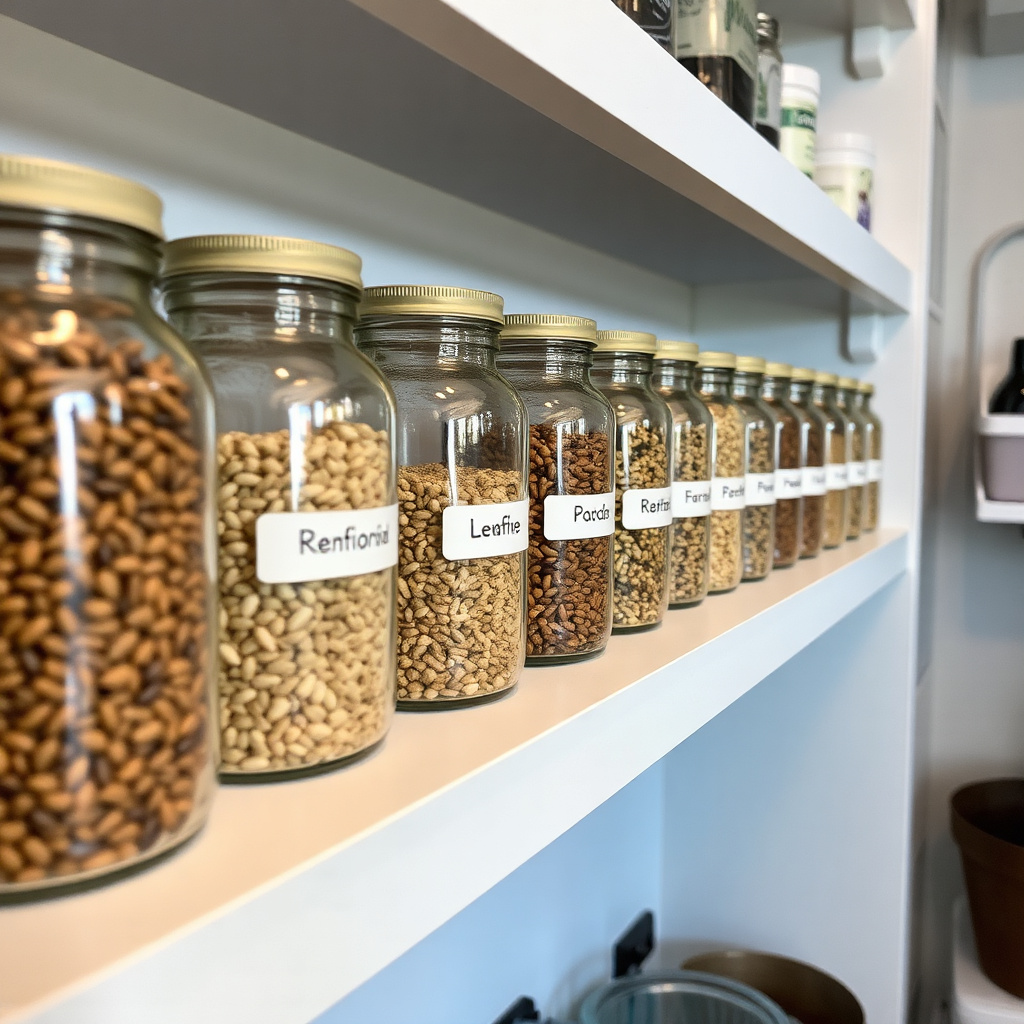
Heirloom seeds retain viability longer when stored in a cool, dark, and dry place. Ideal temperature ranges between 32°F and 41°F, with humidity levels below 50%. Containers should be airtight to prevent moisture intrusion.
Refrigeration is common for many seeds, but avoid freezing unless you know the seed’s tolerance. Proper storage preserves heirloom seed quality season after season.
- Use sealed glass jars or vacuum-sealed bags
- Store in a climate-controlled room or refrigerator
- Label jars clearly with variety and purchase date
Seed Handling and Preparation Before Planting
Handle seeds gently to avoid damage and contamination. Wash your hands before touching seeds and use clean tools and containers. Some heirloom seeds require pre-soaking or scarification to improve germination rates.
Prepare your garden soil according to the variety’s needs, and plant seeds at recommended depths and spacing to reduce seedling competition and improve success.
- Soak seeds overnight if recommended for faster germination
- Scarify hard-coated seeds by gently nicking or sanding them
- Follow planting instructions for soil temperature and moisture
Understanding the Benefits of Buying Heirloom Seeds

Supporting Biodiversity and Seed Preservation
Heirloom seeds help maintain plant genetic diversity critical for ecosystem resilience and future crop breeding. By buying these seeds, gardeners participate in preserving rare varieties endangered by mass agriculture.
Each heirloom cultivar carries unique genetic traits that may offer adaptation to changing climates or pest resistance, making them invaluable to gardeners and scientists alike.
- Heirloom seeds maintain ecological balance
- Protect agricultural heritage for future generations
- Enable adaptation to environmental challenges
For more on this, see our related guide: Best Seeds to Grow a Thriving Garden in 2026.
Enhancing Garden Quality and Flavor
Heirloom seed varieties often produce vegetables and fruits with superior taste compared to commercial hybrids. Their unique appearances and textures can also add visual interest and novelty to home gardens.
Growing heirlooms encourages slower, attentive gardening focused on plant quality rather than just yield, fostering a deeper connection to food sources.
- Enjoy richer, more diverse flavors
- Grow unusual and colorful varieties
- Benefit from plants bred for taste, not uniformity
Avoiding Common Pitfalls When Buying Heirloom Seeds

Recognizing False Heirloom Claims
Some seed packets are marketed as heirlooms without meeting strict criteria, sometimes containing hybrids or modern crosses. Verify if seeds are truly open-pollinated and documented as heritage varieties before purchasing.
Research variety histories and confirm supplier credibility to avoid spending on mislabeled seeds that won't grow true or offer heirloom traits.
- Check definitions and heritage claims on seed packets
- Avoid packets without clear seed origin information
- Beware of ‘heirloom’ used as just a marketing buzzword
For further reading on the history and definition of heirloom seeds, visit this detailed Heirloom seed information from Wikipedia. Heirloom seed information from Wikipedia.
Navigating Pricing and Package Sizes
Heirloom seeds can be more expensive than commercial hybrids due to smaller production runs and manual pollination efforts. Prices vary widely depending on rarity and seed quantity per packet.
Align purchase amounts with your gardening space and plans to avoid waste or seed aging. Bulk buying may lower per-seed costs but requires proper storage knowledge.
- Compare prices among multiple sellers
- Purchase only as many seeds as needed for your garden
- Consider seed sharing with local communities to save costs
Heirloom Seed Types Category Comparison
This table compares common heirloom seed categories based on ease of growth, flavor quality, and typical garden suitability to help guide your purchase decisions.
| Seed Type | Ease of Growth | Flavor | Ideal Garden Type |
|---|---|---|---|
| Heirloom Tomatoes | Moderate | Rich, varied | Sun-exposed vegetable gardens |
| Heirloom Beans | Easy | Nutty, earthy | Raised beds and containers |
| Heritage Lettuce | Easy | Mild, fresh | Cool-season garden plots |
| Heirloom Squash | Moderate | Sweet, nutty | Large spaces with full sun |
| Heirloom Corn | Challenging | Sweet and diverse | Wide open, pollinator-friendly areas |
Frequently Asked Questions
Are heirloom seeds genetically modified?
Heirloom seeds are not genetically modified organisms (GMOs). They come from naturally open-pollinated plants preserved through traditional breeding methods without laboratory alteration.
Can I save seeds from heirloom plants to plant next season?
Yes, you can save seeds from heirloom plants. Since these are open-pollinated, saved seeds typically grow true to parent type if cross-pollination has been avoided.
How long do heirloom seeds remain viable when stored properly?
Heirloom seeds usually stay viable for 4 to 6 years if stored cool, dry, and in airtight containers, but some can last longer depending on the species.
What makes heirloom seeds different from hybrid seeds?
Heirloom seeds are open-pollinated and reproduce traits consistently, while hybrid seeds come from cross-breeding two different parent plants and often do not produce true offspring.
Is it better to buy heirloom seeds online or in local stores?
Buying heirloom seeds online offers wider variety and detailed info, but local stores or seed exchanges can provide seeds better adapted to your regional climate.
Key Takeaways
- Choose reputable suppliers or local sources to ensure heirloom seed quality.
- Check germination rates and true-to-type assurances before purchasing.
- Select varieties suited to your climate and garden goals.
- Store seeds in cool, dry conditions to maintain viability.
Conclusion
Buying heirloom seeds is a rewarding step toward growing unique, flavorful, and historically rich plants in your garden. The core of successful shopping lies in identifying suppliers who uphold seed purity and provide transparent information about seed origins and viability. Understanding your garden’s environmental conditions and matching those with the right heirloom seed varieties will improve germination success and plant health, helping you cultivate a garden that honors genetic diversity and flavor.
For gardeners prioritizing guaranteed germination and broad selection, specialized seed companies remain the most reliable source. Local seed exchanges serve gardeners aiming to preserve rare, regionally adapted heirloom varieties with a personal connection. When selecting varieties, consider everything from heirloom tomatoes known for rich flavor to heritage beans that tend to be easier to grow. Proper storage of your seeds in controlled environments ensures you can grow heirloom plants season after season with confidence.
Start by researching trustworthy heirloom seed providers online with good reviews or join local gardening groups to exchange seeds and knowledge. Prepare your garden space to meet the varietal needs you select, and test a small batch of seeds for germination. This hands-on approach will increase your chances of a successful heirloom garden. Cultivating heirlooms supports biodiversity and reconnects you to plant traditions, making your garden truly one of a kind.