How to Harvest Seeds: A Practical Guide for Gardeners
Harvesting seeds means collecting mature seeds from plants to grow new crops or flowers in the future. The essential step is to gather fully ripened seeds after the plant completes its growth cycle, ensuring viability and genetic strength. With careful timing and proper techniques, gardeners can collect seeds that remain healthy and true to type.
Knowing how to harvest seeds can help conserve rare plant varieties, produce homegrown fruits and vegetables season after season, and save money on purchasing new seeds. Moreover, it allows gardeners to maintain control over their garden’s biodiversity and adapt plants to local climate conditions. This practice connects to traditional farming and sustainable gardening approaches.
This article covers the necessary tools, timing, and steps for harvesting seeds from common types of plants. It explains how to dry and store seeds properly and clarifies differences between seed types like open-pollinated, hybrid, and heirloom. Whether gathering flower, vegetable, or herb seeds, you’ll learn practical techniques to improve your seed harvesting success.
Understanding Seed Maturity
Signs That Seeds Are Ready to Harvest
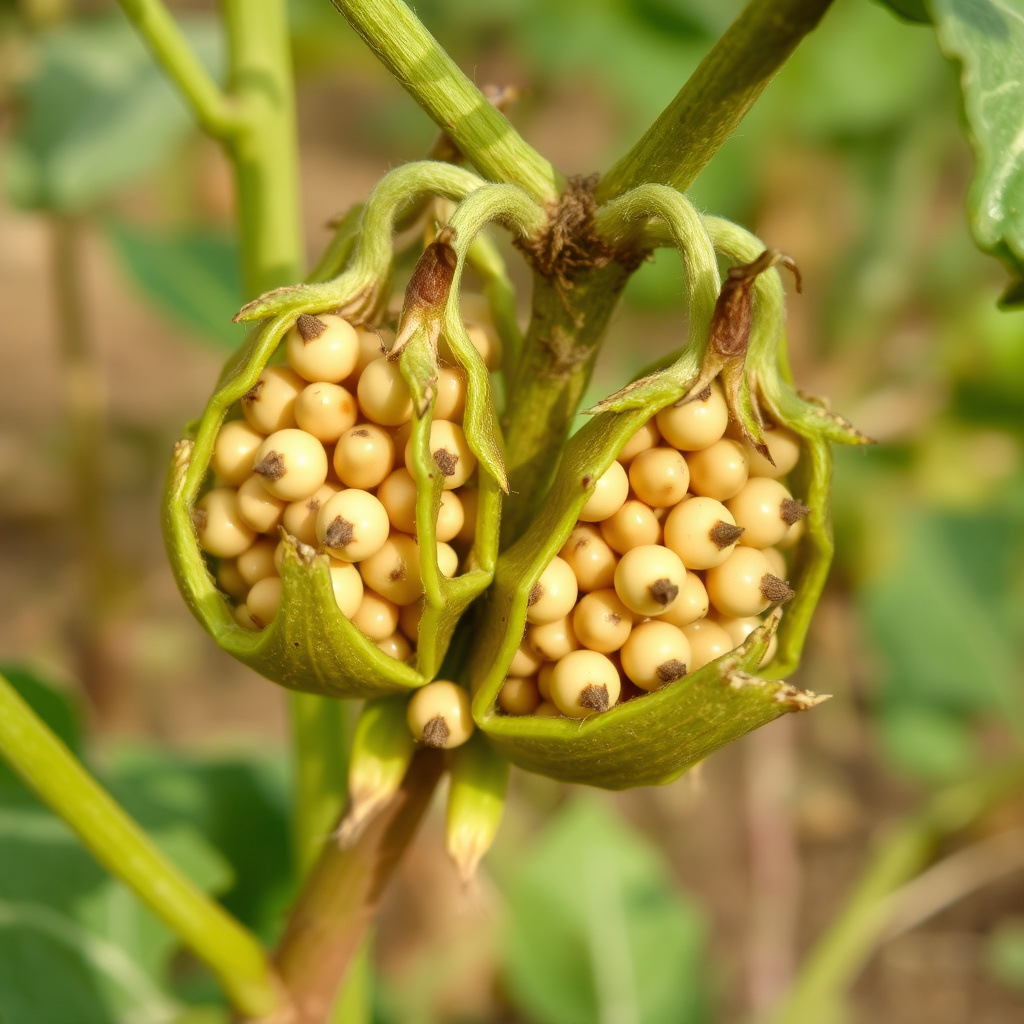
Seeds are ready to harvest when they have fully developed inside their pods, fruits, or seed heads. Visual cues like color change, drying, and hardening indicate maturity. For example, bean pods may turn brown and dry, while sunflower seed heads become heavy and droop.
If seeds are harvested too early, they may be immature and have low germination rates. Waiting until the plant naturally dries and the seeds separate easily helps ensure the seeds are viable and stored properly for planting next season.
- Seed pods turning brown or yellow
- Seeds hardening and separating easily
- Plant foliage starting to dry and die back
Differences Between Seed Types and Maturity
Some seeds mature inside fleshy fruits, like tomatoes or peppers, requiring extraction and cleaning before drying. Others develop in dry pods or capsules, such as peas or poppies, and can be collected once the pods split open.
Understanding the seed type is essential because it affects when and how you harvest. Dry seeds should be gathered when fully dry, while wet seeds need fermentation or washing to remove pulp before drying to avoid mold.
Tools and Materials for Seed Harvesting

Essential Tools for Collecting Seeds
Basic tools include sharp scissors or garden pruners to cut seed heads or pods cleanly without damaging the plant or seeds. Paper bags or envelopes are ideal for collecting and drying seeds, as they allow airflow and minimize moisture buildup.
Tweezers or small brushes help remove tiny seeds from pods or seed heads. Labels and markers are useful to record plant variety and harvest date for organized storage.
- Sharp scissors or pruners
- Paper bags or envelopes
- Tweezers or seed brushes
- Labels and waterproof markers
Preparing Your Workspace
Pick a dry, well-ventilated area to sort and clean harvested seeds. Working on a flat surface with plenty of natural light helps in distinguishing viable seeds from debris or immature seeds.
Avoid collecting seeds in humid or wet conditions to reduce the risk of mold. Clean your tools before use to prevent spreading plant diseases.
Harvesting Seeds from Different Plant Types

Harvesting Seeds from Dry Seed Pods
Dry seed pods like peas, beans, or poppies should be left to dry on the plant until the pods become brittle and start to crack open. Gently collect pods, then break them apart indoors to extract the seeds.
Carefully remove the seeds to prevent damage and discard any that appear shriveled or discolored. Dry the collected seeds further if any moisture remains before storing.
- Allow pods to dry fully on the plant
- Collect pods before seed dispersal
- Extract seeds carefully indoors
For more on this, see our related guide: How to Choose Fast Flowering Cannabis Seeds for Quick Harvests.
Harvesting Seeds from Fleshy Fruits
Seeds inside fruits like tomatoes, cucumbers, and peppers require removal and cleaning since the surrounding flesh holds moisture and fermentation inhibitors. After scooping out seeds, rinse them in water and let them dry thoroughly on a flat surface.
Some gardeners ferment tomato seeds by placing them in water for a few days to remove gelatinous coatings, improving germination chances. Proper cleaning avoids mold growth during seed storage.
Drying and Storing Seeds Properly

Techniques for Drying Seeds
After harvesting, spread seeds thinly on paper towels, newspaper, or mesh screens in a warm, dry place away from direct sunlight. Air circulation reduces moisture that could cause mold or rot.
Seeds should be completely dry before storage or freezing. Drying can take from several days to a couple of weeks depending on seed type and local humidity. Check seeds periodically for hardening and brittleness.
- Use paper towels or mesh trays
- Keep seeds out of direct sunlight
- Maintain good airflow during drying
Best Storage Methods to Preserve Viability
Once thoroughly dried, store seeds in sealed containers like glass jars, airtight plastic bags, or paper envelopes placed inside a cool, dark environment to maintain longevity. Label containers with seed type and harvest date.
Avoid storing seeds in places with fluctuating temperatures or high humidity, such as kitchens or garages. Some seeds can remain viable for several years if kept under proper conditions.
- Use airtight containers with labels
- Store in cool, dark, stable-temperature places
- Avoid humid or fluctuating environments
Understanding Seed Types and Their Impact on Harvesting

Open-Pollinated vs. Hybrid Seeds
Open-pollinated seeds produce plants true to the parent type and are ideal for saving seeds across generations. They respond well to seed harvesting because seed traits remain consistent.
Hybrid seeds, created by cross-pollinating two different parent varieties, may not produce offspring identical to the parent plant when seeds are saved. Thus, harvesting seeds from hybrids can lead to unpredictable plant traits.
For more on this, see our related guide: How Are Sunflower Seeds Harvested?.
Heirloom Seeds and Their Advantages
Heirloom seeds are open-pollinated varieties passed down through generations, often prized for flavor, color, or hardiness. Harvesting heirloom seeds helps preserve genetic diversity and maintain traditional plant varieties.
Because heirlooms are open-pollinated, they are reliable for seed saving, making them a favorite choice among gardeners interested in sustainable practices.
Best Seed Harvesting Methods to Improve Success
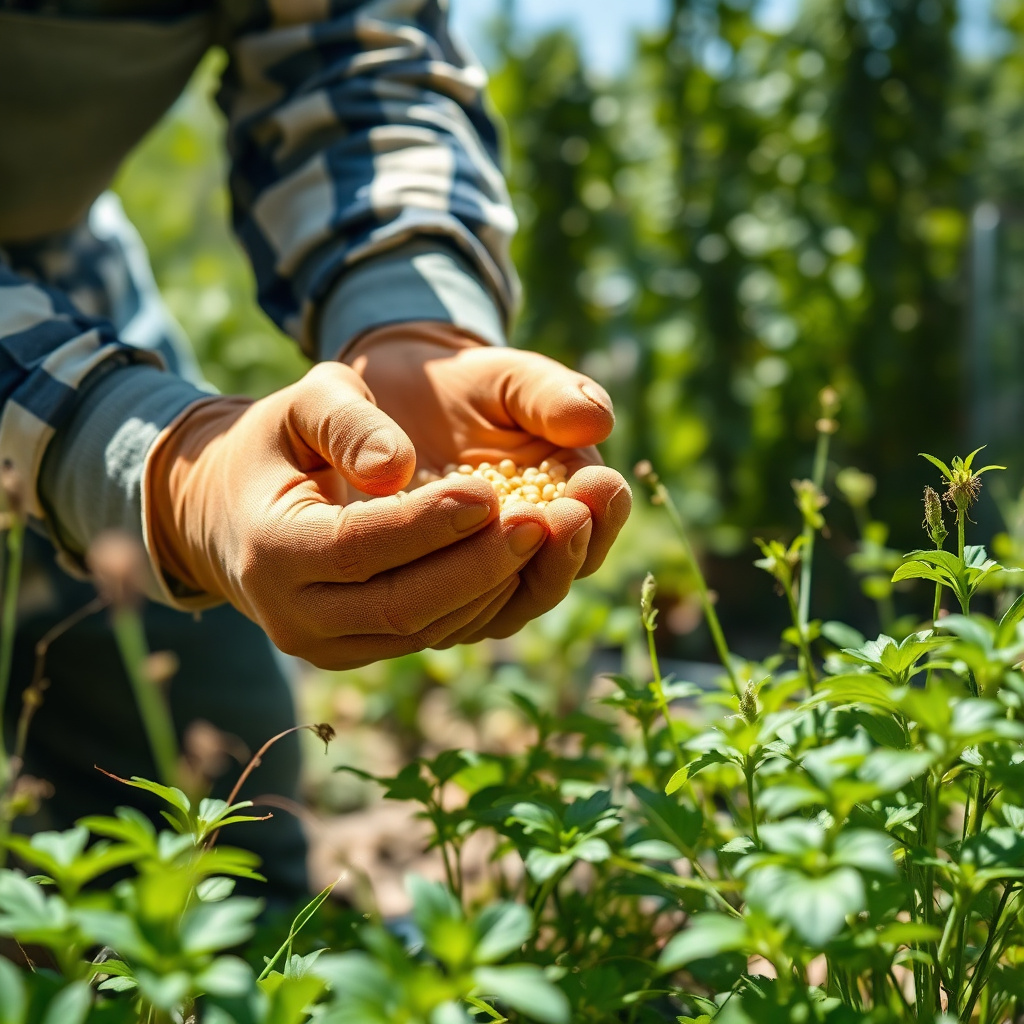
Timing and Environmental Factors
Harvest seeds early in the morning during a dry day to minimize moisture on seeds or pods. Avoid harvesting seeds right after rainfall or in high humidity to reduce the risk of fungal contamination.
Watching weather trends and planning harvesting around dry periods can significantly enhance seed viability and reduce post-harvest drying time.
- Harvest after a full dry spell
- Choose clear, warm mornings
- Avoid harvesting when plants or seeds are wet
For more detailed information on seed saving techniques and their historical significance, you can explore this comprehensive resource. seed saving techniques.
Cleaning and Preparing Seeds for Storage
Remove chaff, dirt, plant debris, or damaged seeds to improve storage conditions and reduce pest infestations. Use sieves, fans, or gentle rubbing to clean seeds.
Properly cleaned seeds dry more uniformly and store longer without molding or rotting, making cleaning an essential step in the best seed harvesting methods.
- Use screens or sieves for cleaning
- Discard broken or malformed seeds
- Ensure complete dryness before storage
Seed Harvesting Approaches Compared
This table compares different seed harvesting approaches based on ease, seed type suitability, and storage longevity.
| Approach | Suitability for Seed Types | Ease of Use | Storage Longevity |
|---|---|---|---|
| Dry Pod Harvesting | Best for legumes, poppies, beans | Moderate; requires patience for drying | Up to 5 years when properly dried |
| Fleshy Fruit Seed Extraction | Ideal for tomatoes, peppers, cucumbers | Moderate; requires cleaning and fermentation | 3-4 years with proper drying |
| Direct Collection of Seed Heads | Suitable for sunflowers, marigolds | Easy; seeds drop easily | 4-6 years if stored properly |
| Fermentation Method | Certain fruits like tomatoes | More labor-intensive due to soaking | 3-5 years viable after fermentation |
| Mechanical Threshing | Large scale dry seeds like grains | High effort without machinery | Variable, depends on seed type and drying |
Frequently Asked Questions
When is the best time to harvest seeds from my garden plants?
The best time to harvest seeds is when they are fully mature, typically when seed pods or fruits dry naturally on the plant and seeds are hard and easily separated.
How should I store harvested seeds to keep them viable?
Store seeds in airtight containers in a cool, dark, and dry place to maintain viability. Label them with the seed type and harvest date for easy identification.
Can I harvest seeds from hybrid plants?
While you can harvest seeds from hybrids, the offspring may not resemble the parent due to genetic variability, so they are less reliable for maintaining specific traits.
Do all seeds need to be dried before storage?
Yes, most seeds must be thoroughly dried before storage to prevent mold and ensure longevity, especially for dry seed varieties.
What is the fermentation method in seed harvesting?
Fermentation involves soaking fleshy seeds like tomatoes in water for several days to remove gelatinous coatings, improving germination and reducing disease risk.
Key Takeaways
- Harvest seeds only after full maturity for best germination
- Different seed types require tailored harvesting techniques
- Dry seeds thoroughly in a ventilated area before storage
- Store seeds in cool, dry, and dark conditions with proper labeling
Conclusion
Understanding how to harvest seeds involves recognizing when seeds reach full maturity and applying appropriate methods based on seed type. The timing of collection strongly influences seed viability, as immature seeds will rarely germinate well or produce quality plants. Equally important are the drying and storage processes, as these phases protect seeds from moisture and pests that could degrade genetic quality. A successful seed harvest is a combination of plant knowledge, observational skills, and proper post-harvest handling.
If you grow legumes or flowers with dry seed pods, the dry pod harvesting technique works best, enabling easy seed collection and long storage life. For fleshy fruit seeds like tomatoes and peppers, extracting and fermenting seeds ensures cleaner and more viable seeds. For gardeners focused on preserving traditional varieties, harvesting open-pollinated heirloom seeds supports genetic diversity and reliable seed saving. Utilizing these targeted techniques can elevate your gardening with sustainable seed cycles year after year.
As a practical next step, start by identifying the seed types in your garden and observe maturity cues carefully this season. Gather the necessary tools like scissors, paper envelopes, and labels to prepare for harvesting. Once seeds are collected, allocate a dry, ventilated spot for drying and establish a consistent storage location to extend seed life. With experience, harvesting seeds becomes a rewarding way to foster independence and strengthen your garden’s resilience.