Understanding Federal Law on Cannabis: What You Need to Know
Federal law on cannabis classifies it as a Schedule I controlled substance under the Controlled Substances Act, making its possession, use, and distribution illegal at the national level. Despite various states legalizing cannabis for medical and recreational use, these activities remain unlawful when viewed from the federal government’s perspective.
This federal prohibition creates a complex legal landscape where state laws and federal statutes conflict, impacting everything from banking services for cannabis businesses to law enforcement actions. Businesses and individuals involved in cannabis operations must navigate overlapping jurisdictions carefully to avoid legal risks.
This article will detail the key components of federal cannabis law, explain how recent policy changes have influenced enforcement, and compare federal statutes with state regulations to clarify what’s currently allowed and what remains illegal.
Federal Controlled Substances Act and Cannabis
Schedule I Classification and Its Implications
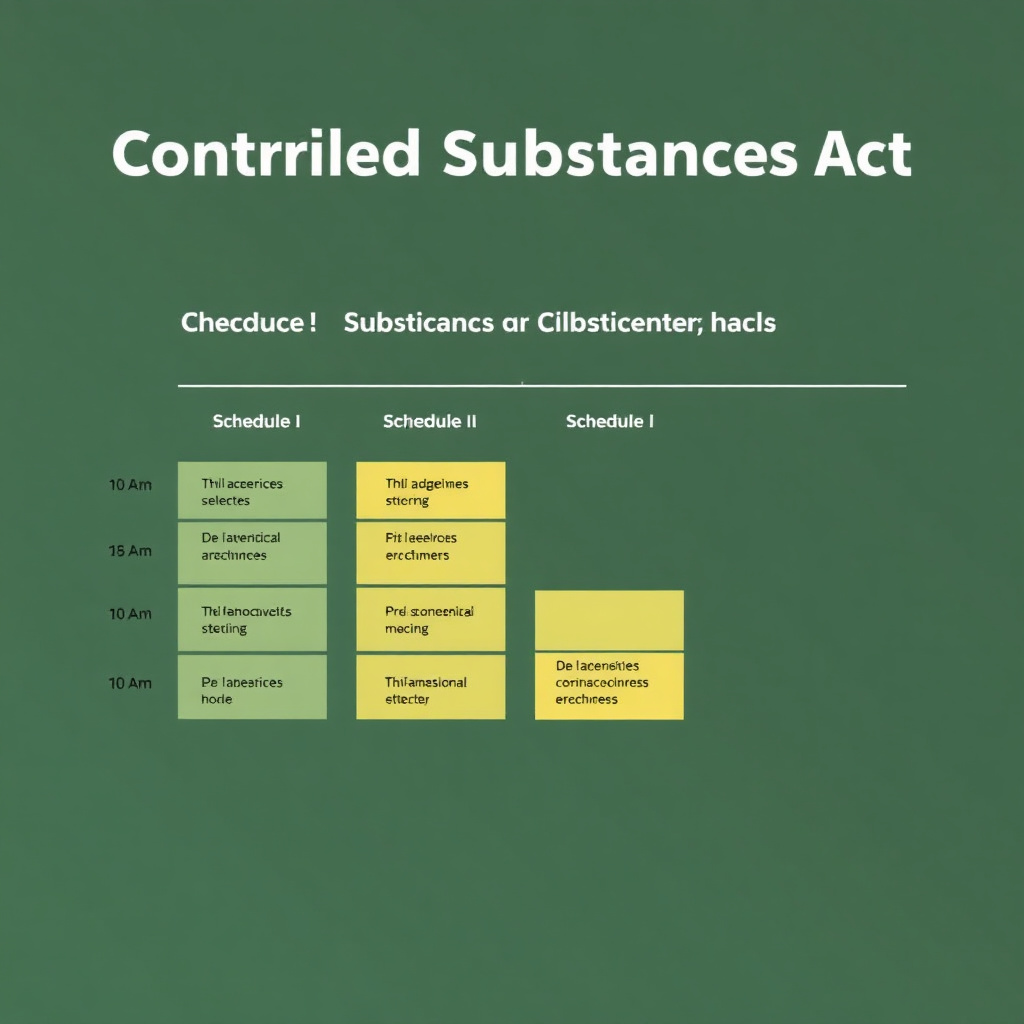
Under the Controlled Substances Act, cannabis is categorized as a Schedule I drug, the strictest category, which is reserved for substances with high abuse potential and no accepted medical use. This classification places cannabis alongside drugs like heroin and LSD, thereby subjecting it to stringent regulatory controls.
The Schedule I status limits scientific research opportunities, restricts medical prescription, and supports federal prosecution of cannabis offenses, regardless of state-level legalization. This creates ongoing challenges for states and advocates seeking to change federal law.
Legal Consequences of Federal Cannabis Violations
Federal penalties related to cannabis vary based on offense severity, amount, and prior convictions. These can include fines, imprisonment, and forfeiture of property. For example, possession of small amounts typically results in misdemeanor charges, while trafficking or distribution can lead to felony charges.
Despite some federal reluctance to aggressively prosecute compliant state-legal cannabis operations, federal law enforcement retains authority to act, especially if interstate trafficking, sales to minors, or other federal crimes are involved.
Federal Enforcement Policies and Recent Developments
The Rohrabacher-Farr Amendment and Enforcement Guidance
The Rohrabacher-Farr Amendment prohibits the Department of Justice from using funds to interfere with the implementation of state medical cannabis laws. This legislative protection has helped shield medical cannabis programs from federal raids in legalized states since its passage.
However, this protection applies only to state-legal medical cannabis programs and does not affect recreational use or unlicensed activities, leaving some legal ambiguity and risk for cannabis businesses outside strict compliance.
For more on this, see our related guide: Are Cannabis Seeds Legal in the USA? Understanding the Legal Landscape.
Recent Shifts in Federal Cannabis Policy
Over recent years, there have been calls within Congress and the administration for reevaluating cannabis’s classification. Proposals include rescheduling, decriminalization, or full legalization, but no comprehensive federal reform has passed yet.
The Justice Department has periodically issued memos adjusting enforcement priorities to focus on violent crime and large-scale trafficking instead of low-level possession, but these are policy choices rather than changes in law.
Interplay Between Federal Law on Cannabis and State Laws
State Legalization Movement's Impact on Federal Law
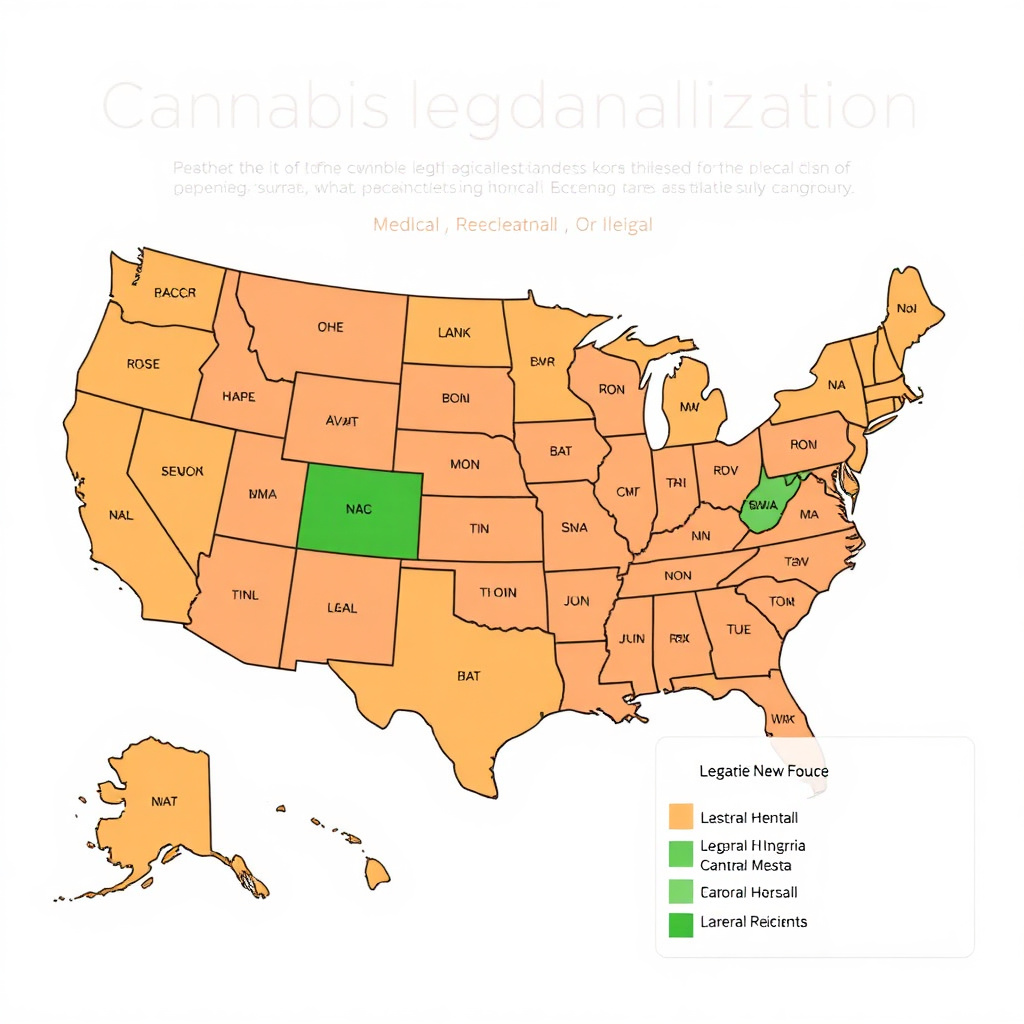
Currently, over 30 states have legalized cannabis for medical use, with a growing number permitting recreational use. Despite this widespread state legalization, these laws conflict with federal prohibition, creating tension in legal and regulatory frameworks.
Banks, insurers, and other financial institutions often avoid working with cannabis businesses due to federal restrictions, limiting industry growth and access to services. States designing regulatory models must factor in this federal-state gap.
Federal Preemption and Legal Risks
Federal law technically supersedes state law under the Supremacy Clause, meaning federal authorities could enforce cannabis prohibition even in states where it’s legal. However, enforcement has been uneven and politically influenced.
This preemption also complicates interstate commerce of cannabis products, as transporting cannabis across state lines can trigger federal trafficking charges, even if both states permit cannabis use.
Business and Banking Challenges Under Federal Cannabis Law
Banking Restrictions Due to Federal Prohibition
Most banks are federally regulated and therefore hesitant to serve cannabis businesses since handling their funds could violate money laundering laws linked to federally illegal substances. As a result, many cannabis companies operate primarily with cash, increasing security and operational risks.
Certain specialized financial institutions and credit unions service the cannabis industry under strict compliance protocols, but widespread banking access remains limited across the sector.
Navigating Tax and Compliance Issues
Section 280E of the Internal Revenue Code prohibits businesses trafficking Schedule I or II substances from deducting typical business expenses, significantly increasing tax burdens. Cannabis businesses must meticulously track compliant expenses for accurate filings.
Federal reporting and licensing requirements, although contradictory with state permissions, require cannabis operators to navigate a complex set of compliance demands when dealing with federal agencies.
Research Restrictions under Federal Cannabis Law

Limited Opportunities for Medical Research
Because cannabis remains a Schedule I drug federally, research requires special DEA approval and stringent regulatory oversight. These barriers limit the number of research projects and institutions authorized to study cannabis, slowing progress on understanding its medical benefits and risks.
Researchers must obtain cannabis exclusively from federally approved suppliers, which has historically been limited in variety and quality, further constraining scientific inquiry.
For a detailed overview of cannabis laws and history in the US, you can visit the comprehensive Cannabis article on Wikipedia. Cannabis on Wikipedia.
Recent Efforts to Expand Cannabis Research
Congress and federal agencies have taken steps to facilitate improved access for researchers, including expediting approval processes and supporting more licensed cannabis cultivation for research purposes.
These gradual changes aim to broaden scientific knowledge which could influence future federal law modifications concerning cannabis.
Comparison of Cannabis Legalization Categories
Here’s a comparison of major cannabis regulatory categories, illustrating differences in legality, enforcement, and access at the federal and state levels.
| Category | Federal Legality | State Legality | Enforcement Risk | Typical Access |
|---|---|---|---|---|
| Illegal Use | Illegal | Illegal in most states | High | None |
| Medical Use | Illegal federally (Schedule I) | Legal in 37+ states | Moderate (protected by Rohrabacher-Farr) | Licensed dispensaries |
| Recreational Use | Illegal federally (Schedule I) | Legal in 20+ states | Moderate to high | Licensed dispensaries |
| CBD Products (non-THC) | Legal federally if <0.3% THC | Mostly legal | Low | Over-the-counter, online |
| Hemp Cultivation | Legal federally | Legal in most states | Low | Licensed farms |
Frequently Asked Questions
Is cannabis legal under federal law?
No, cannabis is still classified as a Schedule I controlled substance under federal law, making its possession, distribution, and use illegal nationwide, despite some state-level legalizations.
Can federal authorities prosecute someone using cannabis legally in their state?
Yes, federal law overrides state laws, so federal authorities have the power to prosecute cannabis offenses even in states where it's legal, though enforcement is typically selective.
What is the Rohrabacher-Farr Amendment?
It’s a congressional provision that prevents DOJ from using funds to interfere with state medical cannabis programs, providing some protection against federal raids for compliant medical use.
Why do cannabis businesses have difficulty accessing banking services?
Because cannabis is federally illegal, banks face legal risks handling cannabis businesses’ money, leading to limited banking services and reliance on cash transactions.
Are there federal laws regulating hemp differently from cannabis?
Yes, the 2018 Farm Bill legalized hemp federally with less than 0.3% THC, distinguishing it from cannabis and allowing legal cultivation and sale.
Key Takeaways
- Cannabis remains illegal under federal law as a Schedule I substance.
- State cannabis laws conflict with federal statutes, creating legal complexities.
- Federal protections exist for state medical cannabis programs but not for recreational use.
- Banking and research face significant restrictions due to federal cannabis laws.
Conclusion
Understanding federal law on cannabis requires recognizing its status under the Controlled Substances Act as a Schedule I drug, which prohibits use and distribution across the United States despite widespread state-level legalization. This creates a delicate balance between federal enforcement authority and state autonomy, affecting law enforcement, commerce, and public policy in complex ways. The practical reality is one of ongoing tension and evolving perspectives as legislative and administrative efforts continue to address these conflicts.
Those interested in engaging in cannabis-related activities or businesses must carefully consider the differing legal standards: while medical cannabis may be somewhat shielded under the Rohrabacher-Farr Amendment, recreational cannabis use remains federally prohibited. Additionally, banking challenges and stringent tax provisions like Section 280E can significantly impact cannabis enterprises, even in states with full legalization. For consumers and professionals alike, staying informed about federal enforcement priorities and state compliance is essential for avoiding legal risks.
If you are a consumer, business owner, or advocate, the best next step is to consult updated legal resources and experts specializing in cannabis law. Closely monitor legislative developments and enforcement patterns to navigate the evolving landscape effectively. This cautious approach helps mitigate federal risks while benefiting from state legalization where applicable.