How to Buy Garden Seeds: A Practical Guide for Successful Planting
Knowing how to buy garden seeds starts with understanding what you want to grow and where you want to grow it. The first step is to choose seeds suited for your climate zone and soil type, ensuring they will thrive in your specific garden conditions. Quality matters too; fresher seeds with good germination rates increase your chances of a successful garden.
Garden seeds vary widely, from vegetables and herbs to flowers and native plants, each requiring different care and growing conditions. Buying the right seeds not only helps in cultivating healthy plants but also saves time and money by avoiding poor germination or unsuitable varieties. This process also influences your garden’s productivity and aesthetics.
In this guide, we will cover how to identify trusted seed suppliers, evaluate seed quality, understand seed labels and types, and match seeds to your environment. You’ll also find practical advice on when and where to buy seeds, plus comparisons between seed varieties. By the end, you’ll be equipped to select the best seeds for your garden success.
Understanding Seed Types and Varieties
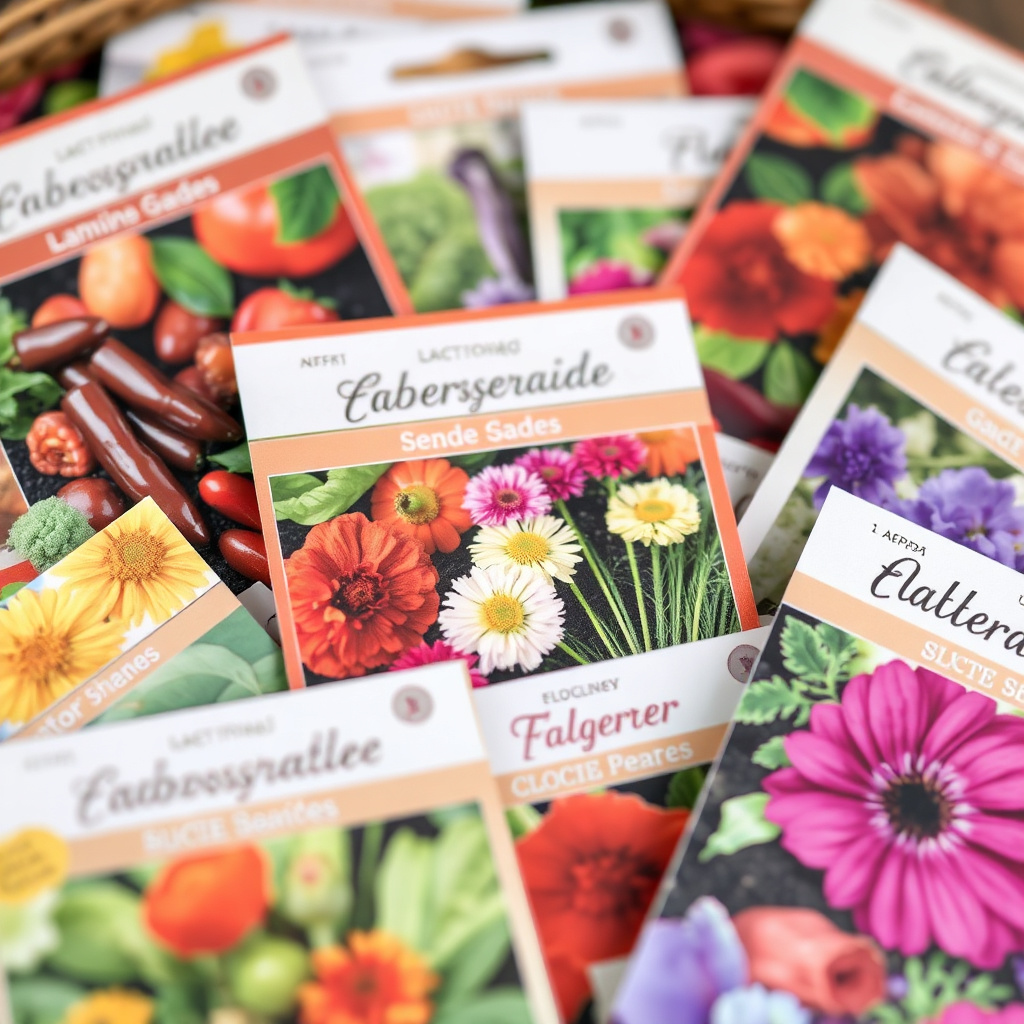
Heirloom vs. Hybrid Seeds
Heirloom seeds come from plant varieties that have been passed down through generations without genetic modification. They often produce plants with unique flavors, colors, or shapes and can be saved for reseeding. Hybrid seeds are crossbred to enhance traits like disease resistance or yield but usually don’t produce reliable offspring if saved.
Choosing between heirloom and hybrid seeds depends on your priorities. Heirloom seeds offer diversity and tradition, while hybrids often provide greater reliability and vigor in challenging garden conditions.
- Heirlooms: open-pollinated, stable traits
- Hybrids: bred for performance, less seed-saving useful
Open-pollinated and GMO Seeds
Open-pollinated seeds come from natural pollination, maintaining consistent traits over generations when isolated appropriately. They are favored by gardeners who want to save seeds and preserve biodiversity. GMO seeds have specific genetic modifications and are rarely sold for home gardening but more common in commercial agriculture.
For home gardeners interested in sustainability and seed saving, open-pollinated seeds are the preferred choice. GMO seeds are generally not necessary or available for typical garden seed buyers.
- Open-pollinated: stable, seed-saving friendly
- GMO: genetically modified, commercial use
How to Read and Interpret Seed Labels
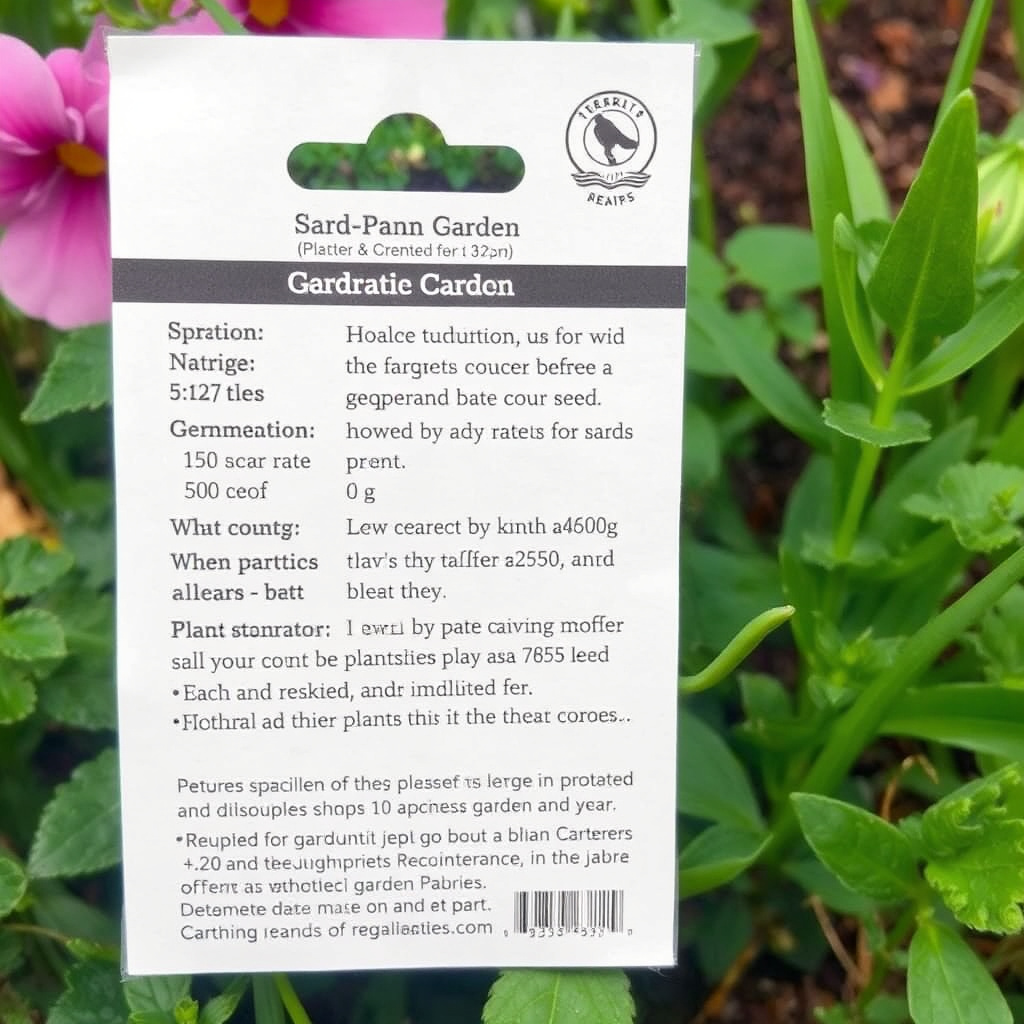
Key Information on Seed Packets
Seed packets provide essential data such as the seed variety, germination rate, seed count, and recommended planting times. Germination rate indicates the percentage of seeds expected to sprout under ideal conditions, helping you estimate how many seeds to plant.
Look for planting depth, spacing, sunlight needs, and days to maturity to match your garden setup. Some labels also show disease resistance or organic certification, which can influence your choice.
- Seed variety and type
- Germination rate (usually 70% to 95%)
- Planting depth and spacing
- Days to maturity
For more on this, see our related guide: How Deep to Plant Cannabis Seeds for Best Germination Results.
Understanding Expiration Dates and Freshness
Seed viability declines over time, so fresher seeds generally have better germination rates. Many packets display a pack or expiration date. Always choose seed packets that are recent or still within their suggested use period.
Buying seeds early in the season or from reliable sources can ensure you get fresh seeds. Avoid packets that look old, damaged, or poorly stored to maximize your chances of successful germination.
- Check pack or expiration date
- Buy fresh seeds at start of planting season
- Avoid damaged or old packets
Choosing Seeds Based on Your Local Climate and Soil
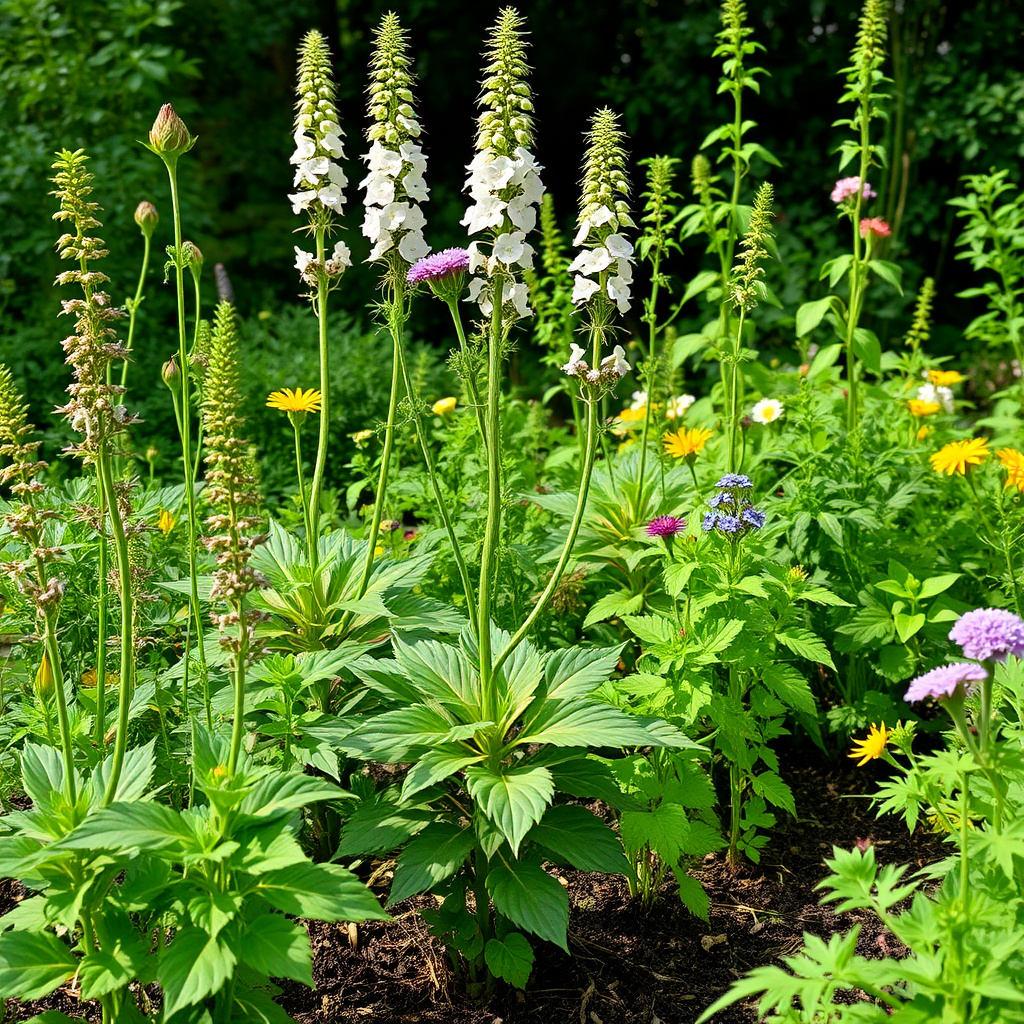
Matching Seeds to Climate Zones
Different seeds thrive best in specific USDA hardiness zones or climate areas. Knowing your zone helps avoid planting seeds that won’t survive your winters or summer heat. Many seed packets indicate suitable zones or temperature ranges.
For example, heat-loving vegetables like tomatoes need longer growing seasons, while root vegetables can tolerate cooler climates. Aligning seeds with your garden’s climate reduces failure and extends your harvest window.
- Check USDA zone for seed suitability
- Choose seeds for your growing season length
- Consider frost dates and temperature tolerances
Assessing Soil Type and Conditions
Soil composition—whether sandy, clay, loamy, acidic, or alkaline—affects seed germination and plant growth. Some seeds prefer well-drained, sandy soils, while others tolerate heavy clay or acidic conditions.
Conducting a soil test can pinpoint pH and nutrient levels, guiding your seed choice. Amending soil based on seed needs can improve germination success, but picking seeds adapted to your soil saves effort.
- Test garden soil pH and texture
- Match seeds with preferred soil types
- Amend soil when necessary for seed success
Where to Buy Garden Seeds
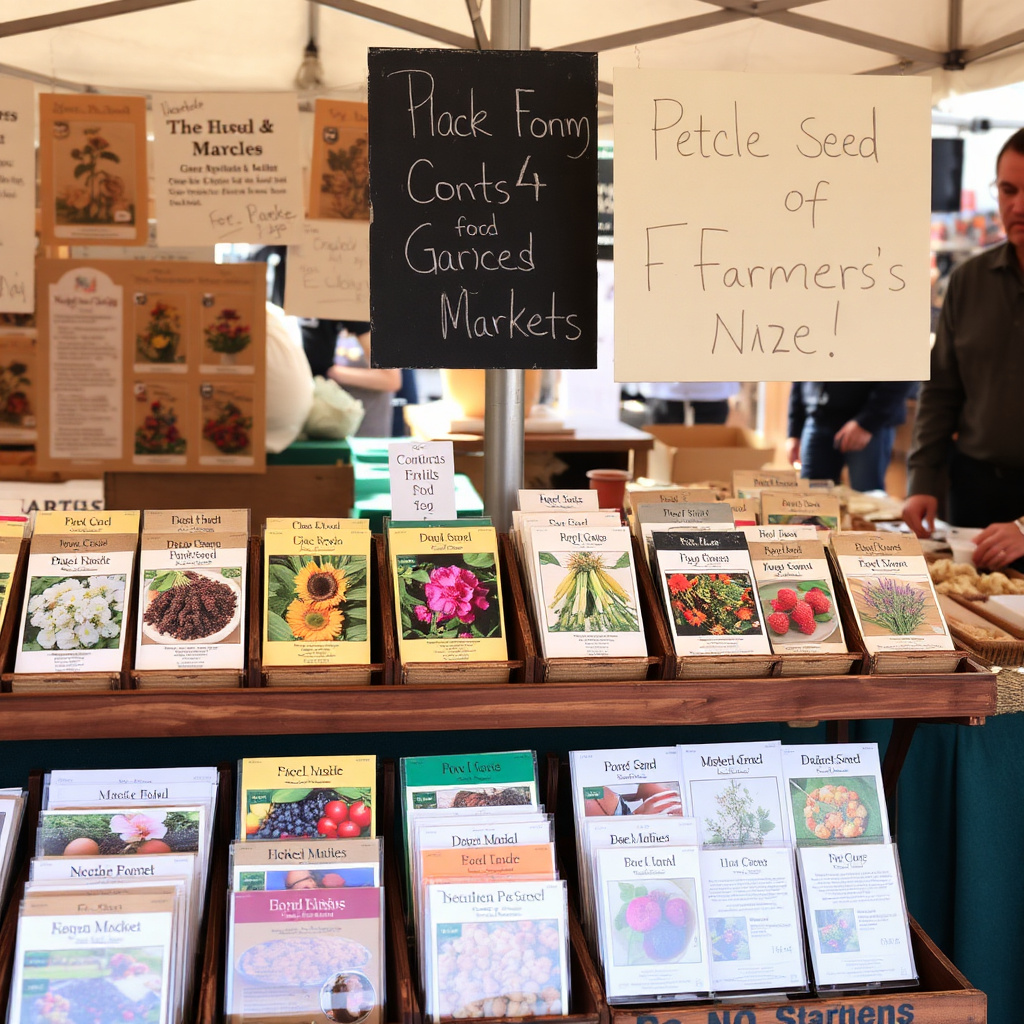
Trusted Seed Suppliers and Retailers
Seed quality varies widely between suppliers. Trusted seed companies prioritize fresh, tested seeds and provide detailed info on packet labels. Local garden centers, reputable online retailers, and seed catalogs are dependable sources.
Avoid unknown or generic sources lacking transparency. Read reviews and ask experienced gardeners for recommendations based on your region and needs to find reliable suppliers.
- Local garden centers
- Established online seed companies
- Community seed exchanges
For more on this, see our related guide: Can Old Cannabis Seeds Still Germinate? A Practical Guide.
Buying Seeds Online vs. In-Person
Online shopping offers a vast selection, often including rare or heirloom seeds, but requires careful attention to seed source, freshness, and delivery conditions. In-person buying allows you to inspect packets physically and ask staff for guidance.
Both methods can yield excellent seeds when chosen thoughtfully. When buying online, prefer reputable sites with clear policies about seed quality and return options.
- Check seed description and supplier reputation online
- Inspect packets and labels in stores
- Consider shipping conditions when ordering seeds
Practical Tips for Buying the Best Seeds for Your Garden
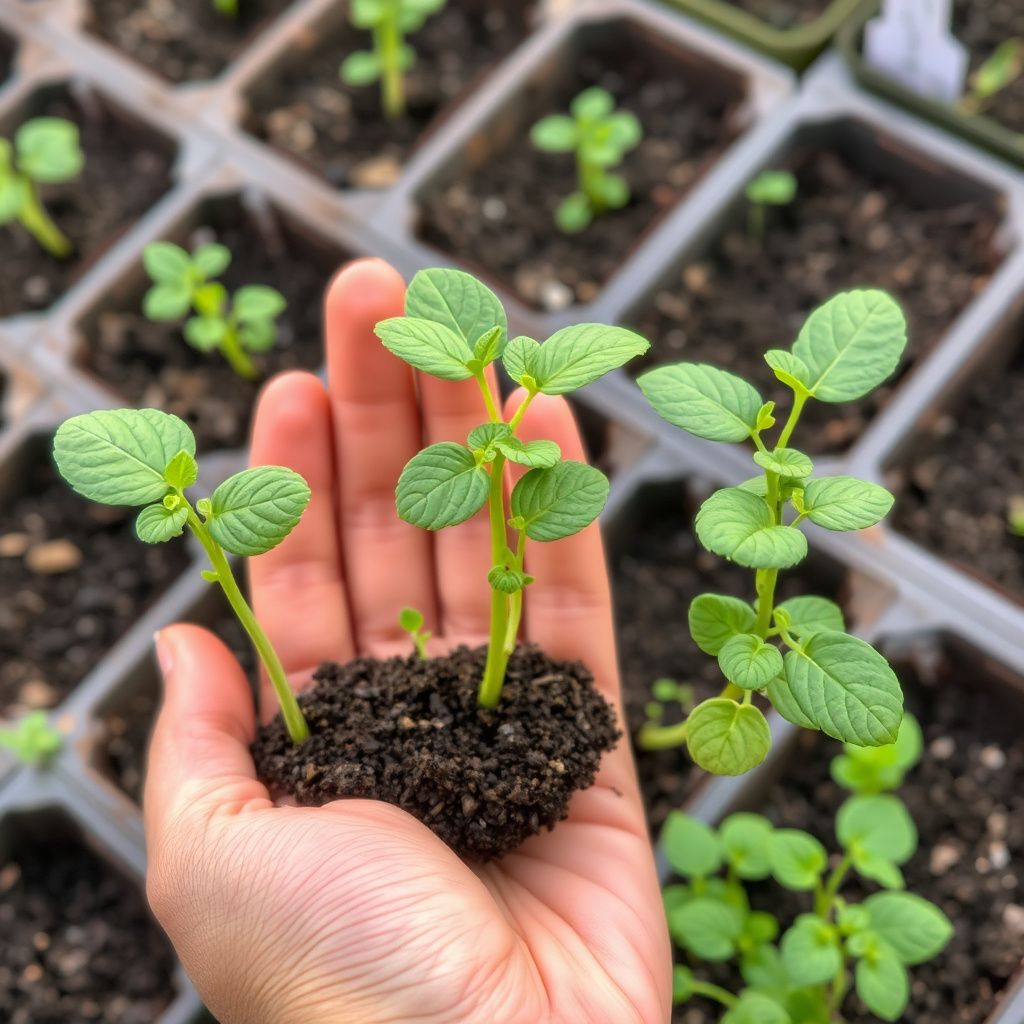
Planning Your Garden Before Buying Seeds
Begin with a garden plan that lists the plants you want and their space and sunlight needs. This helps determine the seed varieties to buy and quantities needed, avoiding waste or shortages.
Take note of your planting timeline based on frost dates and season length, selecting seeds labeled for your timing to maximize germination and growth.
- Create detailed planting layout
- Choose seeds compatible with garden conditions
- Estimate seed quantities for coverage
You can find your garden’s climate zone using the USDA Plant Hardiness Zone Map, a helpful tool when choosing suitable seeds. USDA Plant Hardiness Zone Map.
Checking Seed Viability at Home
You can test seed viability before planting by placing a small number on a moist paper towel to check germination. This simple test helps avoid sowing dead seeds and saves time in the garden.
If germination is low, consider buying fresher seeds or adjusting planting practices to improve outcomes, such as planting deeper or in better-prepared soil.
- Conduct germination tests on a small sample
- Adjust planting techniques based on test results
- Replace seeds if viability is poor
Garden Seed Types Comparison
Below is a comparison of common garden seed categories to highlight differences and help you pick according to your garden goals.
| Seed Category | Ideal For | Seed Saving Ability | Germination Reliability | Climate Adaptability |
|---|---|---|---|---|
| Heirloom | Preserving varieties, unique flavors | Easy to save and reuse | Moderate to high | Varies, often hardy |
| Hybrid | High yield, disease resistance | Not reliable for seed saving | High | Often tailored to specific climates |
| Open-Pollinated | Sustainable gardening, seed saving | Good seed-saving option | Moderate to high | Good adaptability |
| GMO | Commercial large-scale production | Not suitable for home gardeners | High | Engineered for broad adaptability |
Frequently Asked Questions
How long do garden seeds remain viable?
Most garden seeds remain viable for 1 to 5 years depending on species and storage conditions. Keeping seeds cool, dry, and dark extends their lifespan and helps maintain germination rates.
Can I save seeds from my garden for next year?
Yes, but it depends on the plant and seed type. Open-pollinated and heirloom varieties are best for seed saving, while hybrid seeds typically do not breed true.
Are organic seeds better than conventional seeds?
Organic seeds are grown without synthetic chemicals and are preferred by gardeners seeking organic certification or reduced chemical use. Both organic and conventional seeds can perform well if fresh and suited to your garden.
When is the best time to buy garden seeds?
Buying seeds shortly before your planting season ensures freshness. Purchasing too early may risk loss of viability, while buying too late reduces your planting window.
How do I know if seed packets are fresh?
Check for a pack or expiration date and choose the most recent packets available. Avoid damaged or discolored packaging which may indicate poor storage.
Key Takeaways
- Select seeds suited for your climate and soil conditions
- Read seed labels carefully for germination rates and planting info
- Choose reputable sources for fresh, high-quality seeds
- Plan your garden layout and seed quantities in advance
Conclusion
Understanding how to buy garden seeds involves balancing knowledge of seed types, local growing conditions, and seed quality. By focusing on seeds that match your climate, soil, and garden goals, you increase your chances of healthy, productive plants. Paying attention to seed packet details like germination rates and expiration dates helps avoid disappointments and wasted effort. Alongside methodical planning, selecting trustworthy suppliers ensures you start with the best materials for growth.
If you are after unique plant varieties and enjoy seed saving, heirloom and open-pollinated seeds are strong choices. For maximizing yield or managing common garden pests, hybrid seeds bought from reputable suppliers may perform better. Those seeking organic gardening should prioritize seeds with organic certification from trustworthy retailers. Whatever your priority, aligning seeds with your environment and garden plan remains vital to success.
Start by researching local climate zones and soil conditions; this will guide your choice of garden seeds. Then, buy from established seed companies or local nurseries known for quality. Testing seed viability at home before planting can save time and effort. With these practical steps and clear criteria, you can confidently purchase seeds that set your garden’s foundation for a flourishing growing season.