What Is a Seed Tray and How to Use It for Successful Gardening
A seed tray is a shallow container specifically designed for germinating seeds to grow healthy seedlings before transplanting them into the garden or pots. It provides a controlled environment that helps seeds sprout quickly and safely by holding soil or a seed-starting mix and maintaining moisture levels.
Understanding what a seed tray is matters because starting seeds indoors or in a greenhouse protects young plants from harsh outdoor conditions, pests, and diseases during their most vulnerable stages. This early care improves the survival rate of plants and allows gardeners to grow a wider variety of crops.
This article will cover the types of seed trays available, the materials they are made from, how to choose the right seed tray, and practical tips on using and maintaining them effectively. Additionally, it will include a comparison of popular seed tray categories to help you find the best seed tray for seedlings.
Types of Seed Trays

Plastic Seed Trays
Plastic seed trays are the most common type, valued for their lightweight design and durability. They are often reusable and come with or without drainage holes, allowing for good flexibility in seed starting.
They retain moisture well, which is beneficial for consistent germination, but can also lead to overwatering if not properly monitored. Many gardeners prefer this type because they are inexpensive and widely available.
- Lightweight
- Durable and reusable
- Good moisture retention
- Variety of sizes and designs
Biodegradable Seed Trays
Biodegradable seed trays are made from materials like peat, coir, or paper pulp. These trays can be planted directly into the soil, reducing transplant shock since roots are disturbed less.
These are ideal for gardeners wanting an eco-friendly option, although they tend to be less durable and might dry out faster than plastic trays.
- Eco-friendly and compostable
- Reduces transplant shock
- Absorbs water quickly
- Less durable than plastic trays
Material Considerations for Seed Trays

Plastic vs. Biodegradable Seed Trays
Plastic seed trays tend to offer longer life and are easier to clean and reuse, making them economical over multiple seasons. However, they are less sustainable and require proper disposal or recycling.
Biodegradable trays break down naturally, promoting sustainable gardening; however, they are usually single-use and may require more frequent replacement depending on storage and moisture conditions.
Other Materials and Innovations
Some seed trays are made from unconventional materials such as wood fibers or recycled paper composites, combining sustainability with unique durability qualities.
Recent innovations include self-watering seed trays with built-in reservoirs that supply consistent moisture, reducing the risk of over- or underwatering seedlings.
- Wood fiber and paper composite options
- Self-watering trays with reservoirs
- Innovative designs to improve seedling growth rates
How to Choose a Seed Tray

Consider Size and Cell Configuration
Selecting the right size depends on the types of plants you want to grow and available space. Seed trays vary from small cell trays with many tiny compartments to large open trays for bigger seedlings or cuttings.
Cell size affects root development: smaller cells are efficient for tiny seeds, while larger cells provide room for robust root systems, which is crucial for certain vegetables and flowers.
- Small cells for tiny seeds
- Large cells for bigger seedlings
- Tray size fits growing space
For more on this, see our related guide: How to Transplant Seedlings Without Stressing Your Plants.
Evaluate Drainage and Durability
Good drainage is essential to prevent waterlogging and root rot, so seed trays with drainage holes or an included saucer work best. Some trays come with adjustable vents.
Durability matters for reuse and cost-effectiveness. Plastic trays can last many years if handled properly, while biodegradable trays are more suited for single use.
- Ensure trays have drainage holes
- Choose durable materials for reuse
- Consider added ventilation features
Using Your Seed Tray Effectively
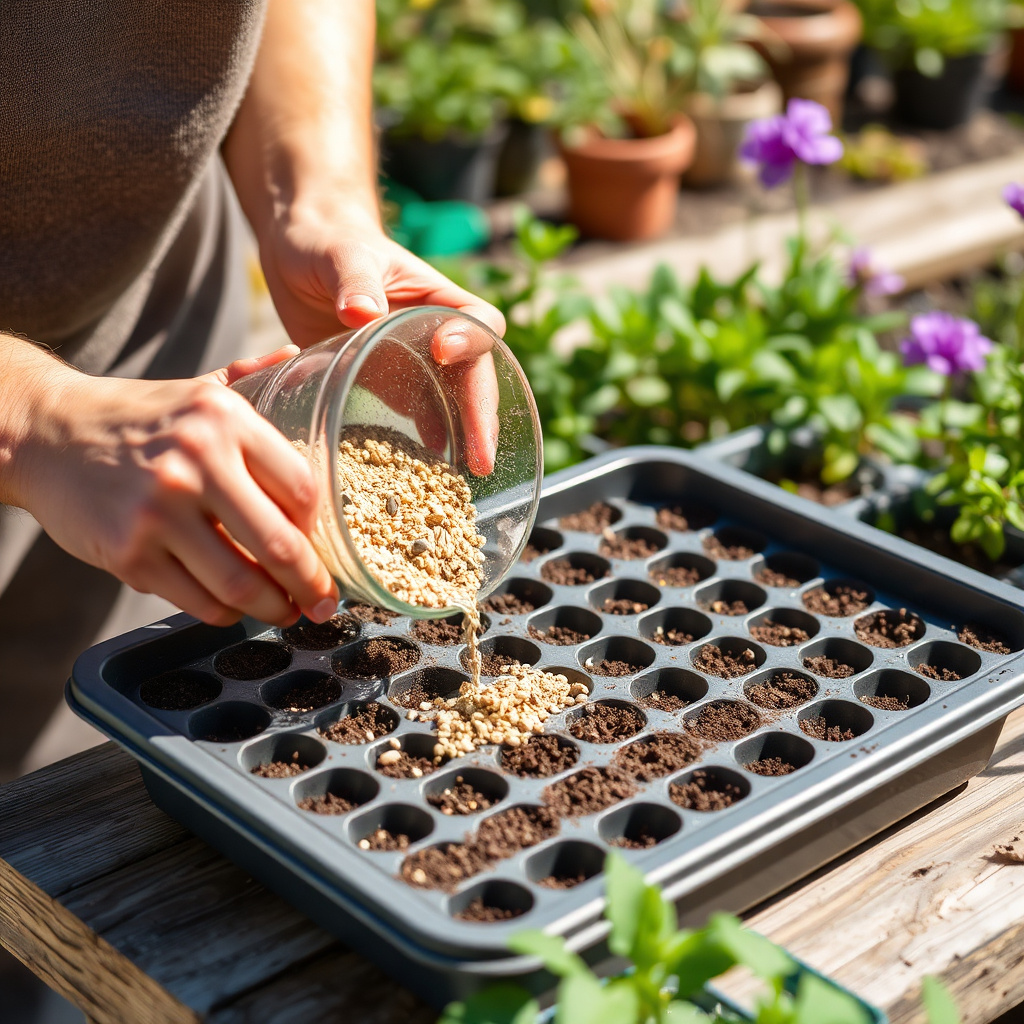
Preparing the Tray and Soil
Start by filling your seed tray with a fine, well-draining seed-starting mix rather than regular potting soil, which can be too dense for small roots.
Moisten the mix before planting seeds to provide an even environment and reduce the risk of disturbing seeds when watering later.
- Use seed-starting mix, not garden soil
- Pre-moisten soil before sowing seeds
- Fill cells evenly without compacting
Maintaining Moisture and Temperature
Consistent moisture is key for germination. Using a clear plastic cover or placing the tray in a humidity dome retains humidity without waterlogging the seeds.
Keep the tray in a warm spot, ideally between 65°F and 75°F, to mimic optimal soil temperatures for seed sprouting.
- Use humidity dome to retain moisture
- Monitor to avoid overwatering
- Maintain warm temperatures for sprouting
Caring for Seedlings in a Seed Tray

Thinning and Transplanting Seedlings
Once seedlings emerge, thinning out overcrowded cells ensures the strongest plants receive sufficient light and nutrients without competition.
Transplant seedlings carefully when they develop their first set of true leaves. Use root balls from tray cells or biodegradable trays to minimize root disturbance.
- Thin seedlings to prevent overcrowding
- Transplant when true leaves appear
- Handle roots gently during transplanting
For more on this, see our related guide: How to Care for Seedlings: Essential Tips for Healthy Plant Growth.
Preventing Disease and Pests
Seed trays can create humid conditions conducive to damping-off disease or fungal infections. Good air circulation and avoid overwatering help reduce risk.
Using clean trays and sterilizing tools between uses prevents buildup of pathogens. Monitor seedlings regularly for signs of pests like fungus gnats.
- Maintain good airflow around seedlings
- Avoid excess moisture to prevent fungal disease
- Clean trays between uses to inhibit pathogens
Cleaning and Storing Seed Trays

Proper Cleaning Techniques
After each use, clean plastic seed trays with warm soapy water to remove soil and biofilm. Disinfect with a mild bleach solution to kill pathogens before storing.
Biodegradable trays cannot be cleaned for reuse but can be composted or discarded responsibly.
- Use soap and water for cleaning plastic trays
- Disinfect trays to prevent diseases
- Compost biodegradable trays after use
For more background on seed trays and their use in horticulture, see this detailed overview from Wikipedia. Seed tray information on Wikipedia.
Storage Tips for Longevity
Store clean, dry trays in a shaded, dry place to prevent warping or mold growth. Nest trays to save space, but avoid crushing the cells.
Label trays or keep a seed-starting calendar to keep track of planting cycles and reuse schedule.
- Keep trays dry and out of direct sunlight
- Nest trays carefully to avoid damage
- Maintain records of seed starting dates
Seed Tray Type Comparison
This table highlights key features of various seed tray categories to help match your gardening needs.
| Seed Tray Type | Material | Durability | Moisture Retention | Environmental Impact | Cost |
|---|---|---|---|---|---|
| Plastic Seed Trays | Plastic | High (multiple seasons) | High | Low (non-biodegradable) | Low to Medium |
| Biodegradable Peat Trays | Peat/Coir | Low (single use) | Moderate | High (compostable) | Medium |
| Paper Pulp Trays | Recycled Paper | Low to Medium | Moderate | High (biodegradable) | Medium |
| Self-Watering Trays | Plastic with reservoir | High | Very High | Low | Medium to High |
| Wood Fiber Trays | Wood pulp composite | Medium | Moderate | High (fiber-based) | Medium |
Frequently Asked Questions
Can I reuse seed trays from year to year?
Plastic seed trays can be reused several times if cleaned and disinfected properly after each use, reducing disease risk. Biodegradable trays generally are single-use and not suitable for reuse.
Do seed trays need drainage holes?
Yes, drainage holes prevent water accumulation that could drown seeds or cause root rot. Some trays come with detachable saucers to catch excess water while allowing drainage.
What is the best soil for seed trays?
A fine, lightweight seed-starting mix is best because it retains moisture without compacting and allows delicate roots to grow easily compared to regular potting soil.
How long should seeds stay in a seed tray before transplanting?
Most seedlings can be transplanted when they develop their first set of true leaves, usually 2 to 4 weeks after germination, depending on the plant species.
Can I start all types of seeds in a seed tray?
Most seeds, especially vegetables and flowers, can start in seed trays; however, some plants require special treatment or sowing directly outdoors depending on their growth habits.
Key Takeaways
- A seed tray is a container designed for germinating seeds to nurture seedlings safely.
- Choosing between plastic and biodegradable trays depends on durability and environmental preferences.
- Proper moisture, drainage, and temperature control in seed trays improve germination success.
- Regular cleaning and maintenance extend the life of reusable seed trays and prevent diseases.
Conclusion
Identifying what a seed tray is and understanding its purpose lays the foundation for successful seed germination and healthy seedling growth. Selecting the appropriate seed tray requires balancing factors like material, size, and drainage features tailored to your gardening goals and seed types. A seed tray creates a controlled environment that shields fragile seedlings from outdoor stresses, enhancing their chances to flourish when transplanted.
If sustainability is a priority, biodegradable seed trays provide an eco-conscious choice, especially for gardeners preferring direct planting to minimize root disturbance. On the other hand, plastic seed trays excel in durability and cost-effectiveness over multiple seasons, making them a popular option for serious gardeners. For consistent moisture management, self-watering seed trays offer advanced functionality but at a higher price point. Matching the seed tray’s cell size and configuration to the seeds you plan to start is equally important to give seedlings enough room to develop without overcrowding.
Once you understand what a seed tray is and select the best fit for your needs, the next step is to prepare it correctly with seed-starting mix, provide stable moisture and warmth, and maintain seedlings carefully until transplanting. This approach ensures a higher success rate from seed to mature plant. Keeping your trays clean and safely stored between uses will protect your growing environment and maximize your investment for seasons to come.