What Is THCA? Understanding This Cannabinoid and Its Effects
THCA, or tetrahydrocannabinolic acid, is a non-psychoactive cannabinoid found in raw cannabis plants. Unlike THC, THCA does not cause intoxication. It is the acidic precursor to THC, converting into the well-known psychoactive compound only when heated through a process called decarboxylation.
THCA’s role matters because it offers potential therapeutic effects without the ‘high’ associated with THC, making it a compound of interest for medical cannabis users. The presence of THCA in raw cannabis means that consumption methods like juicing or tinctures can provide health benefits distinct from those of smoked or vaporized cannabis.
This article covers what THCA is chemically, its effects, medical potential, how it changes when heated, and the different ways users consume it. We'll also review the legal context surrounding THCA and compare it with other cannabinoids to help you understand its unique place in cannabis science.
Chemical Structure and Conversion of THCA
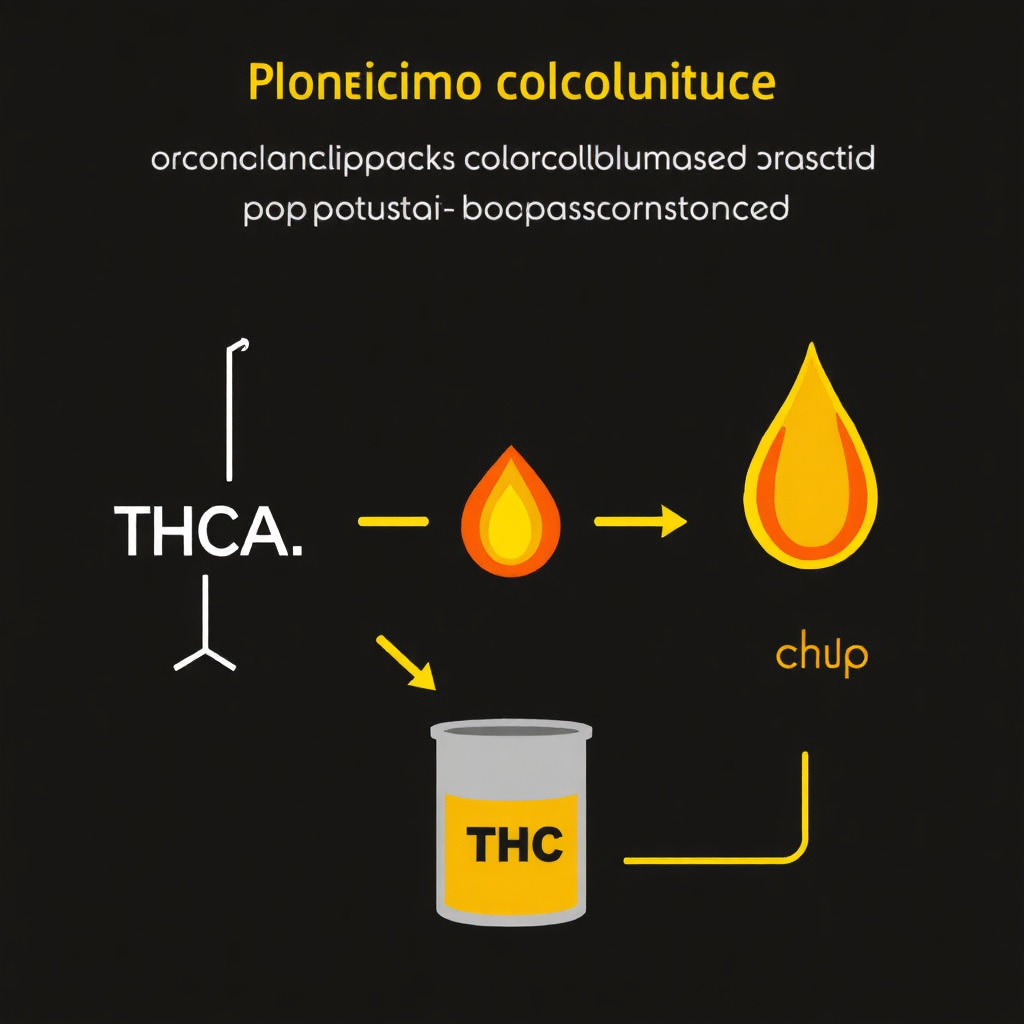
What Is THCA Chemically?
THCA is a cannabinoid acid produced naturally in cannabis plants. It contains a carboxyl group that makes it acidic and non-psychoactive. The chemical formula for THCA is C22H30O4, differentiating it from THC by an extra COOH group attached to its structure.
This acid group prevents THCA from binding effectively to the brain’s CB1 receptors, which is why THCA does not cause a ‘high’. Instead, it remains inactive until decarboxylation occurs through heating, drying, or aging.
Decarboxylation: Turning THCA into THC
Decarboxylation is a chemical reaction where heat removes the carboxyl group from THCA, producing THC. This process typically happens at temperatures above 220°F (104°C), such as when cannabis is smoked, vaporized, or cooked.
When this transformation occurs, THC becomes available to interact with CB1 receptors in the brain, triggering psychoactive effects. Without decarboxylation, cannabis remains non-intoxicating due to the presence of THCA rather than THC.
- Heating above 220°F initiates decarboxylation
- Raw cannabis contains mostly THCA, minimal THC
- Decarboxylation can occur slowly during drying or curing
Potential Health Benefits of THCA
Anti-Inflammatory and Neuroprotective Properties
Research suggests THCA has anti-inflammatory effects that might help conditions like arthritis and neurodegenerative diseases. Unlike THC, which causes psychoactivity, THCA may reduce inflammation without altering mental state.
Studies also indicate it has neuroprotective potential, supporting brain health by reducing oxidative stress and mitigating cell damage. These properties have drawn interest from those seeking alternative treatments without intoxication.
Other Possible Therapeutic Effects
THCA has been studied for its anti-emetic properties to reduce nausea, especially in chemotherapy patients. Additionally, it may offer muscle relaxant benefits and help regulate immune system responses.
Although clinical research is still in early stages, anecdotal reports and preliminary studies point to promising therapeutic roles for THCA in managing chronic pain and seizures.
THCA vs THC: Key Differences Explained
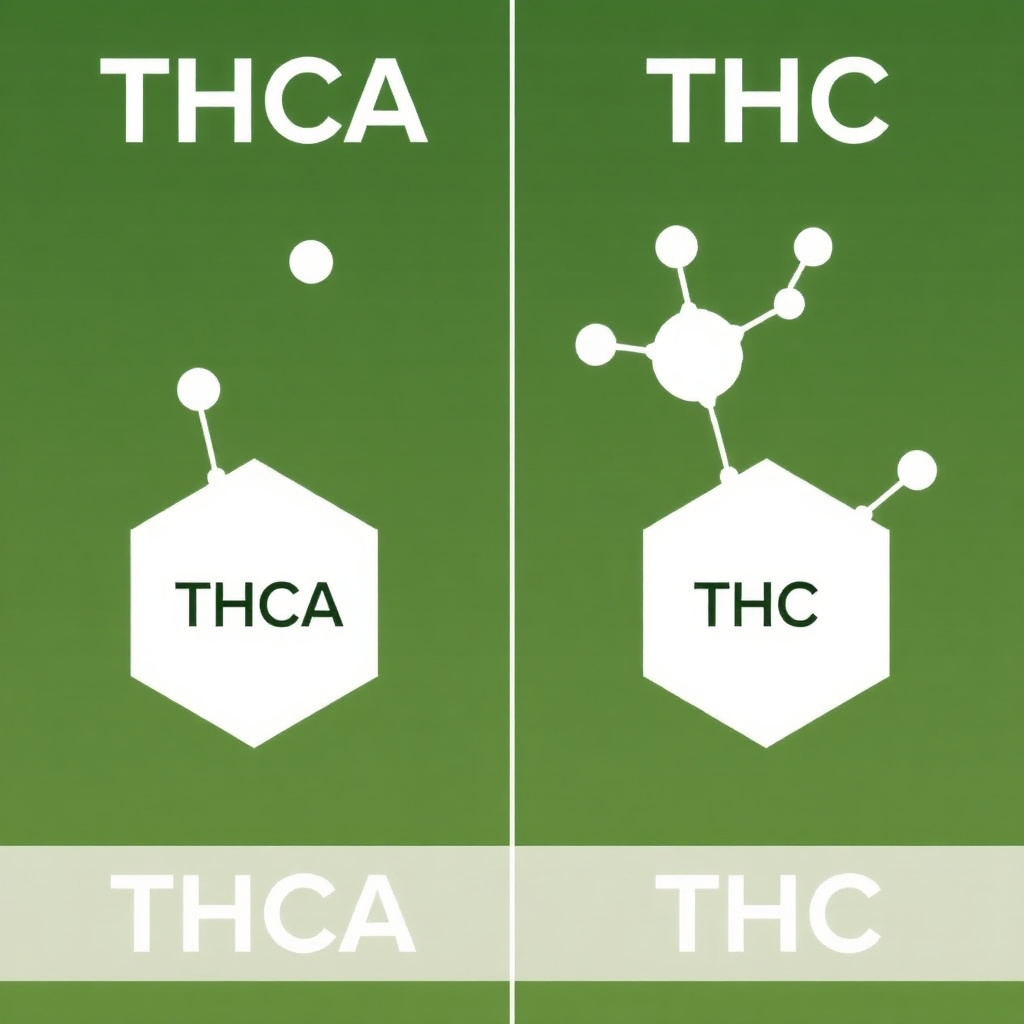
Psychoactivity and Legal Status
THC is the primary psychoactive compound in cannabis, causing the traditional ‘high’. THCA, however, does not induce psychoactivity because it does not activate CB1 receptors until decarboxylated.
Legally, many jurisdictions treat THCA differently than THC. In raw form, THCA might be excluded from some controlled substance regulations, but once heated and converted to THC, it falls under THC laws.
For more on this, see our related guide: How to Read Cannabis Strain Descriptions to Find Your Perfect Match.
Usage and Consumption Differences
People often consume THCA in raw forms such as fresh cannabis juice, tinctures, or capsules designed to preserve the acid form. THC is mainly consumed through smoking, vaping, or edibles after decarboxylation.
Choosing between THCA and THC depends on whether psychoactive effects are desired. THCA provides potential wellness without intoxication, making it suitable for daytime use or sensitive users.
How to Consume THCA Safely and Effectively
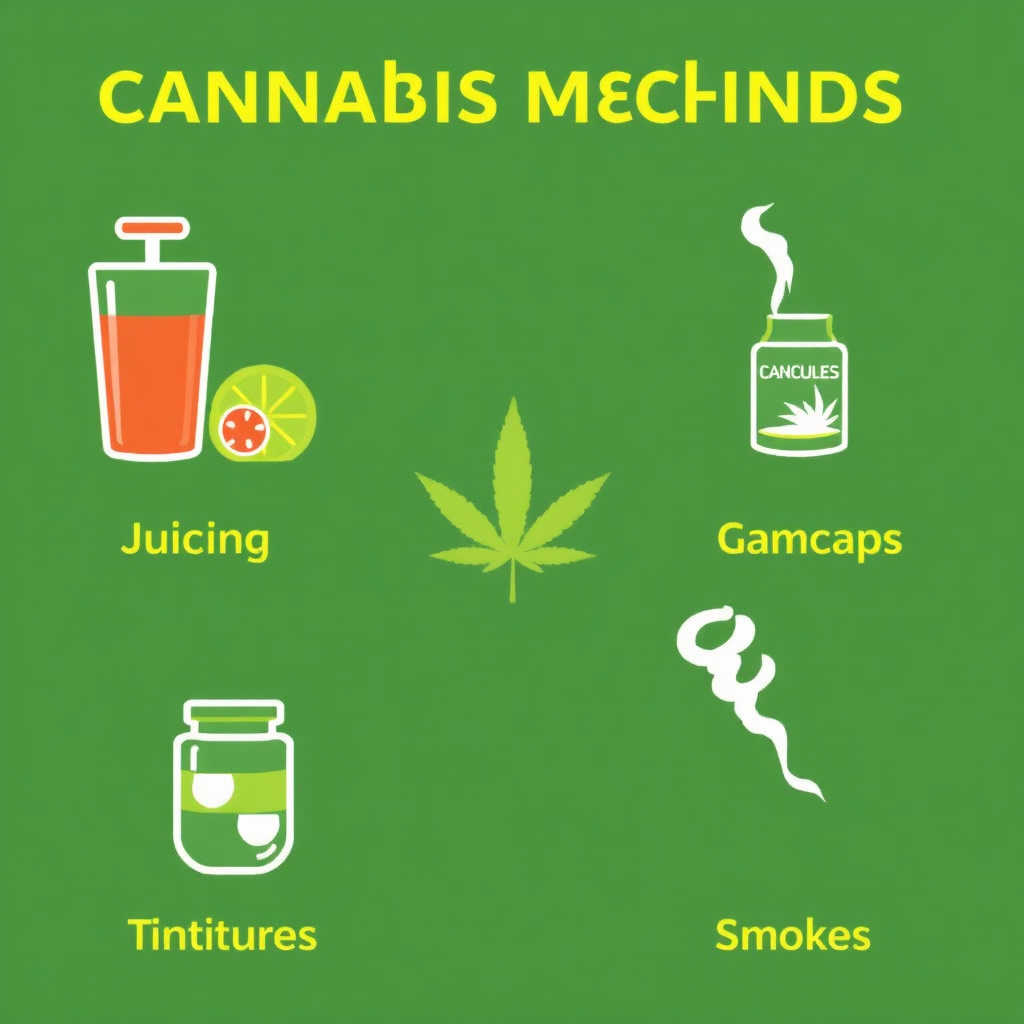
Raw Cannabis Juicing and Tinctures
Juicing fresh cannabis leaves and flowers is one of the most popular methods for ingesting THCA. Because no heat is applied, the THCA remains intact in these juices, delivering potential benefits without high effects.
Tinctures made from cold-extracted cannabis maintain the THCA content and offer a precise dosage option. Both methods require storage in cool, dark places to prevent conversion into THC over time.
- Use fresh or dried cannabis without heating
- Store tinctures refrigerated
- Ideal for non-psychoactive wellness use
Avoiding Decarboxylation During Consumption
To preserve THCA’s form, it’s vital to avoid heat-based consumption methods that convert it into THC. This means no smoking, vaping, or cooking raw cannabis when seeking THCA’s specific effects.
If you want to use cannabis for its THCA content, choose ingestion methods that maintain low temperatures, such as cold infusions or raw leaf consumption, preventing unintentional psychoactive effects.
Legal and Regulatory Considerations for THCA
Varied Laws by Region
THCA’s legal status varies widely by country and region due to its close relationship with THC. Some places classify it alongside THC, while others exempt raw cannabis forms, allowing THCA products if no psychoactive THC is present.
Understanding local laws is critical before buying, possessing, or using THCA-rich products, especially because THCA can convert into THC, potentially crossing legal thresholds.
For more on this, see our related guide: Cannabis Strain Comparison: How to Choose the Right Strain for Your Needs.
Testing and Regulatory Challenges
Standard drug tests detect THC and its metabolites, not THCA directly. However, consumption of THCA-rich products that convert can cause positive test results for THC.
Regulators face challenges differentiating non-intoxicating cannabinoid acids from active THC, affecting how labs analyze cannabis products and how the law enforces restrictions.
Scientific Research Trends on THCA
Emerging Studies and Clinical Trials
Scientific exploration of THCA is growing, though it remains less understood than THC and CBD. Ongoing studies investigate its therapeutic potential for inflammation, neurological disorders, and pain management.
Clinical trials are beginning to evaluate its safety and efficacy in human populations, focusing on standardized dosing and delivery mechanisms.
For a more detailed scientific background on THCA, you can refer to the THCA article on Wikipedia. THCA article on Wikipedia.
Challenges in THCA Research
One major challenge in studying THCA is its instability and conversion into THC when exposed to heat or time, complicating the creation of consistent test samples.
Funding and regulatory hurdles also slow research progress, limiting large-scale clinical studies despite growing consumer interest.
THCA and Related Cannabinoids Category Comparison
Here's a comparison of THCA with related cannabinoids, highlighting key differences and uses.
| Cannabinoid | Psychoactivity | Common Forms | Therapeutic Uses |
|---|---|---|---|
| THCA | Non-psychoactive | Raw cannabis juice, tinctures | Anti-inflammatory, neuroprotective |
| THC | Psychoactive | Smoked, vaped, edibles | Pain relief, appetite stimulation |
| CBD | Non-psychoactive | Oils, capsules, topicals | Anxiety reduction, anti-seizure |
| CBDA | Non-psychoactive | Raw cannabis extracts | Anti-nausea, anti-inflammatory |
Frequently Asked Questions
Can THCA get you high?
No, THCA itself does not cause a high because it is not psychoactive. Only when heated and converted into THC does it produce intoxicating effects.
How is THCA different from THC?
THCA is the acidic precursor to THC and is non-psychoactive. THC forms when THCA loses a carboxyl group via heat, triggering psychoactive properties.
Is THCA legal to buy and sell?
Legal treatment of THCA varies by location. Some places allow raw THCA products; others regulate it like THC. Checking local laws before purchase is important.
How do I consume THCA effectively?
Consuming raw cannabis juice, tinctures, or capsules without heating preserves THCA content. Avoid smoking or cooking cannabis to maintain THCA’s form.
Does THCA show up on drug tests?
Standard drug tests detect THC metabolites, not THCA. However, if THCA converts to THC in the body, tests could indirectly detect it.
Key Takeaways
- THCA is the non-psychoactive acidic precursor to THC found in raw cannabis.
- It may offer health benefits like anti-inflammatory and neuroprotective effects.
- THCA converts into psychoactive THC only when heated through decarboxylation.
- Raw consumption methods maintain THCA without causing intoxication.
Conclusion
Understanding THCA provides insight into cannabis beyond just its psychoactive components. Since THCA itself does not induce a high, it presents potential opportunities for therapeutic use without the mental effects associated with THC. When deciding how to use cannabis products, recognizing whether the compound is present in its acidic form versus the active form influences the effects experienced. This awareness can guide consumers to better match their health goals with appropriate product choices.
For people seeking relief without intoxication, THCA-rich treatments like raw cannabis juices, tinctures, and capsules offer promising alternatives. Meanwhile, those desiring the classic cannabis experience will turn to THC-containing products achieved through decarboxylation. Both cannabinoids occupy important but distinct roles in medicine and recreation. Exploring product labels and preparation methods will help users select options tailored to their preference and health needs.
If you're curious about trying THCA, start with small doses of raw extracts or fresh cannabis to observe how your body responds. Staying informed on evolving legal frameworks and emerging research helps ensure responsible use. Consulting credible resources and healthcare professionals can deepen your understanding and optimize your experience with cannabis's diverse compounds.