Understanding the Difference Between a Strain and a Cultivar
The difference between a strain and a cultivar lies in their origins and how they are classified in plant sciences and agriculture. A strain typically refers to a genetic variant or subtype within a species, often used in microbiology or cannabis contexts, describing plants that share certain inherited traits but may not be formally registered. In contrast, a cultivar is a cultivated variety of a plant that has been intentionally selected, bred, and maintained through cultivation for specific desirable characteristics, and it is usually officially registered or named.
This distinction matters when discussing plant breeding, gardening, farming, or even in medical cannabis production. Knowing whether you're dealing with a strain or a cultivar can impact how you approach propagation, legality, patenting, and marketing. Strains often represent informal or more fluid classifications, whereas cultivars follow strict horticultural standards and naming conventions.
In this article, we'll cover the definitions and uses of strains and cultivars, their roles in agriculture and horticulture, the processes used to develop and propagate them, and practical advice for gardeners, breeders, or consumers seeking clarity on plant variety classifications.
Defining Strains: Genetic Variants in Plants

What is a Strain?
A strain is a genetic variant or subtype within a plant species that exhibits certain inherited traits distinguishing it from other varieties. Strains are especially common in contexts like cannabis where the term describes plants with varying cannabinoid profiles, flavors, or growth habits but without formal naming or registration processes.
Strains can arise naturally through mutations or selective breeding, but typically they are identified by growers or consumers based on traits like appearance, potency, or origin rather than strict genetic documentation.
Usage of Strains in Agriculture and Horticulture
Strains are frequently used as informal categories in horticulture to differentiate among plant variants valued for specific features or effects. In microbiology and plant pathology, strains also denote distinct genetic isolates of microorganisms or pathogens.
Although very useful for general identification, strains may lack the legal recognition or stability that registered plant varieties possess, which can be a factor in seed commerce and intellectual property.
Understanding Cultivars: Official Plant Varieties

What Defines a Cultivar?
A cultivar is a plant variety that has been deliberately bred and maintained through cultivation because it displays specific, desirable traits such as flower color, disease resistance, or fruit size. Cultivars are formally registered and named following international standards, which helps maintain consistency in commercial and scientific use.
The term cultivar is short for 'cultivated variety', emphasizing that these plants owe their existence and maintenance to human intervention rather than entirely natural evolution.
The Process of Developing Cultivars
Developing a cultivar involves selective breeding, where plants showing optimal traits are cross-bred and propagated through seeds or cuttings to stabilize those features. This process can take several generations to achieve uniformity and reliable reproduction of the cultivar’s characteristics.
Once a cultivar is stable, it can be registered with appropriate horticultural bodies, granting it legal protection and recognition in trade, which helps breeders recover development costs and maintain quality control.
Key Differences Between Strains and Cultivars

Genetic and Legal Distinctions
The primary difference between strains and cultivars is that strains usually refer to genetic subtypes identified informally without official registration, whereas cultivars are formally registered plant varieties with stable, reproducible traits and legal recognition.
Cultivars benefit from legal protection that helps breeders uphold trademark rights, while strains remain informal and may vary widely even under the same name, affecting consistency.
For more on this, see our related guide: What Is a Cannabis Cultivar? Understanding Cannabis Cultivars Explained.
Implications for Growers and Consumers
Growers seeking reliable, predictable plants prefer cultivars for their stability and consistent performance, which is crucial in commercial agriculture or gardening.
Consumers may encounter strains more often when purchasing products like cannabis, where strain names indicate general types with characteristic effects, though variability can occur between batches.
Propagation Methods for Strains and Cultivars
Propagation of Strains
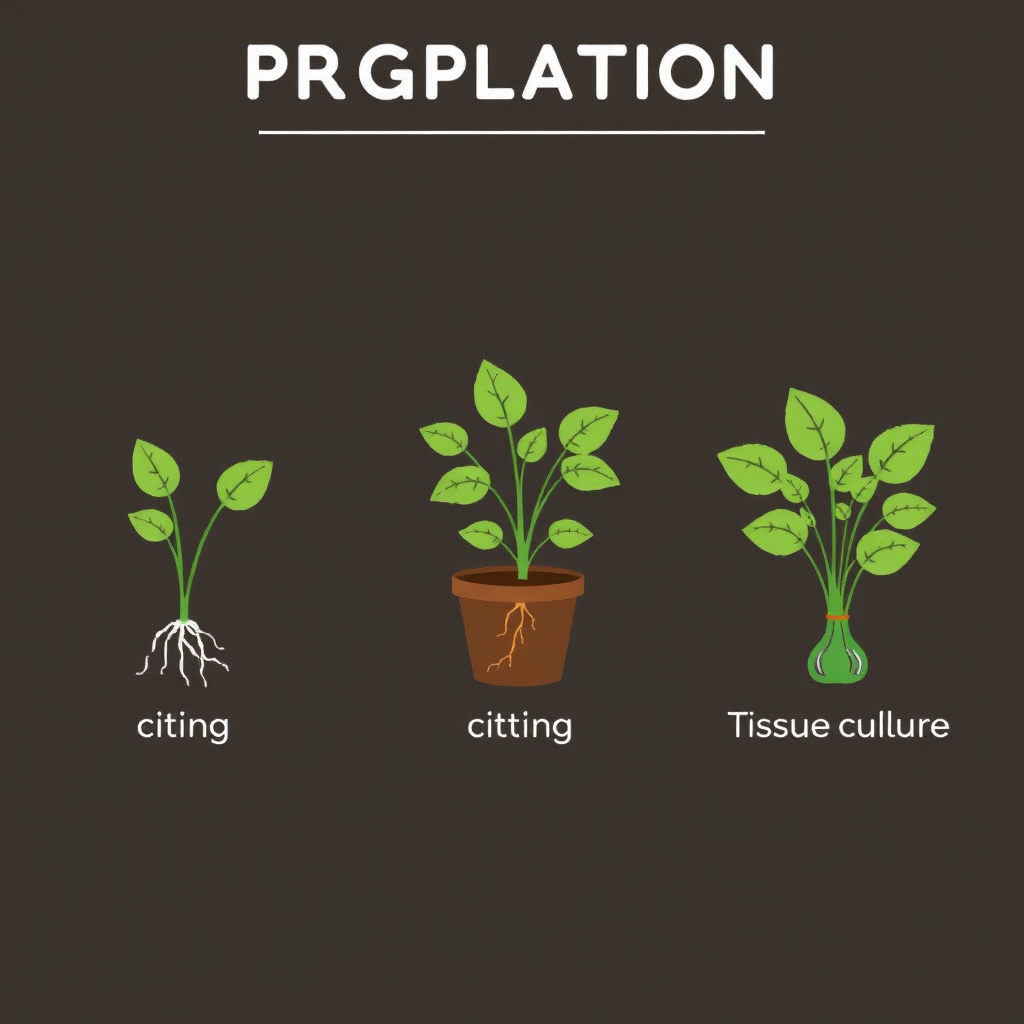
Strains are propagated either through seeds, which can introduce genetic variation, or through cloning methods if growers want to maintain specific characteristics. Since strains might not be stable genetically, cloning is preferred when the exact traits must be conserved.
Because strain names can vary and genetics may shift, growers often use phenotype selection and repeated cuttings to preserve desirable features.
Propagation of Cultivars
Cultivars require careful propagation to maintain their specific traits, typically using techniques like cuttings, grafting, or controlled seed production. This preserves the uniformity and fidelity expected of registered cultivars.
Some cultivars cannot reproduce true-to-type from seed and must be propagated vegetatively to protect their defining characteristics, ensuring consistency.
Choosing Between a Strain and a Cultivar

When to Choose a Strain
Opt for strains when flexibility and variety are desired, such as experimenting with plant characteristics or when working in informal or emerging markets like cannabis where official cultivars may not be established.
Strains offer diversity and may provide unique traits, but their genetic variability means results can be less predictable for large-scale production.
For more on this, see our related guide: Understanding Landrace Cannabis Strains: Origins, Traits, and Uses.
When to Choose a Cultivar
Cultivars are better suited for gardeners or farmers who need consistent, reliable crops with documented traits. Registered cultivars guarantee certain qualities suitable for commercial growing or breeding programs.
When reproducibility and quality control are priorities, cultivars provide assured uniformity and legal protections.
Practical Examples of Strains and Cultivars
Examples of Strains
In cannabis culture, ‘OG Kush’ or ‘Sour Diesel’ are common strain names representing plants with distinct effects and aromas but not always uniform genetics across growers.
Microbial strains, such as those used in fermentation, also highlight genetic variants selected for specific processes or traits.
For more in-depth information on cultivars, you can consult the cultivar Wikipedia article. cultivar Wikipedia article.
Examples of Cultivars
Popular cultivars include ‘Granny Smith’ apples or the rose cultivar ‘Peace’. These have been bred and registered to maintain specific traits and are widely propagated worldwide.
Vegetable cultivars like ‘Roma’ tomatoes are selected for growth habits, flavor, and yield, ensuring gardeners know what to expect.
Strains vs. Cultivars: A Quick Comparison
This table summarizes the main distinctions between strains and cultivars to help clarify their differences.
| Aspect | Strain | Cultivar |
|---|---|---|
| Origin | Informal genetic variant or subtype | Formally bred and registered variety |
| Naming | Common or trade names, often not registered | Officially registered with controlled names |
| Genetic stability | Can be variable, may not breed true | Stable and reliably reproducible |
| Legal protection | Typically none | Usually protected by plant breeders’ rights |
| Propagation | Seeds or cloning, less predictable | Vegetative propagation or controlled seeds |
| Use | General identification, experimentation | Commercial horticulture and agriculture |
Frequently Asked Questions
Can a strain become a cultivar?
Yes, a strain with desirable and stable traits can be developed through selective breeding into a cultivar once it demonstrates consistent characteristics and gains official registration.
Are strains only used for cannabis plants?
No, the term strain is used broadly for genetic variants in many plants, microorganisms, and even animals, but it's especially popular in cannabis and microbiology contexts.
Do cultivars always produce the same traits in every plant?
Cultivars are bred to be stable and uniform, so they generally produce consistent traits, but environmental factors can still influence their expression.
Is it easier to get stable plants from cultivars or strains?
Cultivars are easier for producing uniform plants because they are bred and maintained for consistency, unlike strains which may have more genetic variability.
Does choosing a cultivar guarantee better plant quality?
Not necessarily; cultivars offer stability and predictability, but final plant quality also depends on cultivation practices, environment, and care.
Key Takeaways
- Strains are informal genetic variants, often used to describe plant subtypes without official registration.
- Cultivars are formally bred and registered plant varieties with stable, consistent traits.
- Cultivars provide legal protection and reliability for growers and breeders.
- Strains offer diversity and flexibility but may vary genetically across grows.
Conclusion
Making a clear choice between a strain and a cultivar largely depends on your goals as a grower, breeder, or consumer. If stability, uniformity, and legal recognition are priorities, cultivars represent the best option because of their formal breeding and registration processes. Strains, on the other hand, are helpful when you want variety and are less concerned about uniform traits, enabling flexibility in experimentation or niche markets. Understanding the distinction helps set expectations and select the right plant material for your needs.
For commercial growers or those requiring consistent crop results, choosing cultivars such as registered fruit or flower varieties ensures predictable performance and simplified propagation. Conversely, hobbyist gardeners or industries like cannabis production frequently encounter strains characterized by diverse genetics and phenotypes, which can offer unique traits but with some unpredictability. Depending on the plant and application, one must weigh consistency against diversity to find the best fit.
If you’re starting out or require uniform plants, begin with cultivars known for their stable traits. After becoming familiar with those, exploring strains might add exciting variety to your collection or product line. Both categories serve useful purposes, and knowledgeable selection will maximize success in cultivation and usage.