What Is Seed Scarification and How It Boosts Germination Rates
Seed scarification is the process of physically or chemically altering a seed's outer coating to encourage faster and more uniform germination. Many seeds have tough seed coats that prevent water and gases from entering, delaying or stopping germination. Scarification breaks down these barriers, making it easier for the embryo inside the seed to sprout.
This technique matters because some seeds naturally stay dormant for long periods, ensuring they only germinate under favorable conditions. By artificially scarifying seeds, growers can shortcut this dormancy period, improving seedling production, especially for species with particularly hard seed coats.
In this article, we will explore different methods of seed scarification, the science behind seed coat dormancy, which plant species benefit most from this process, and practical tips for gardeners and growers to achieve better germination outcomes.
Understanding Seed Scarification and Seed Dormancy
Why Seeds Have Dormancy Mechanisms
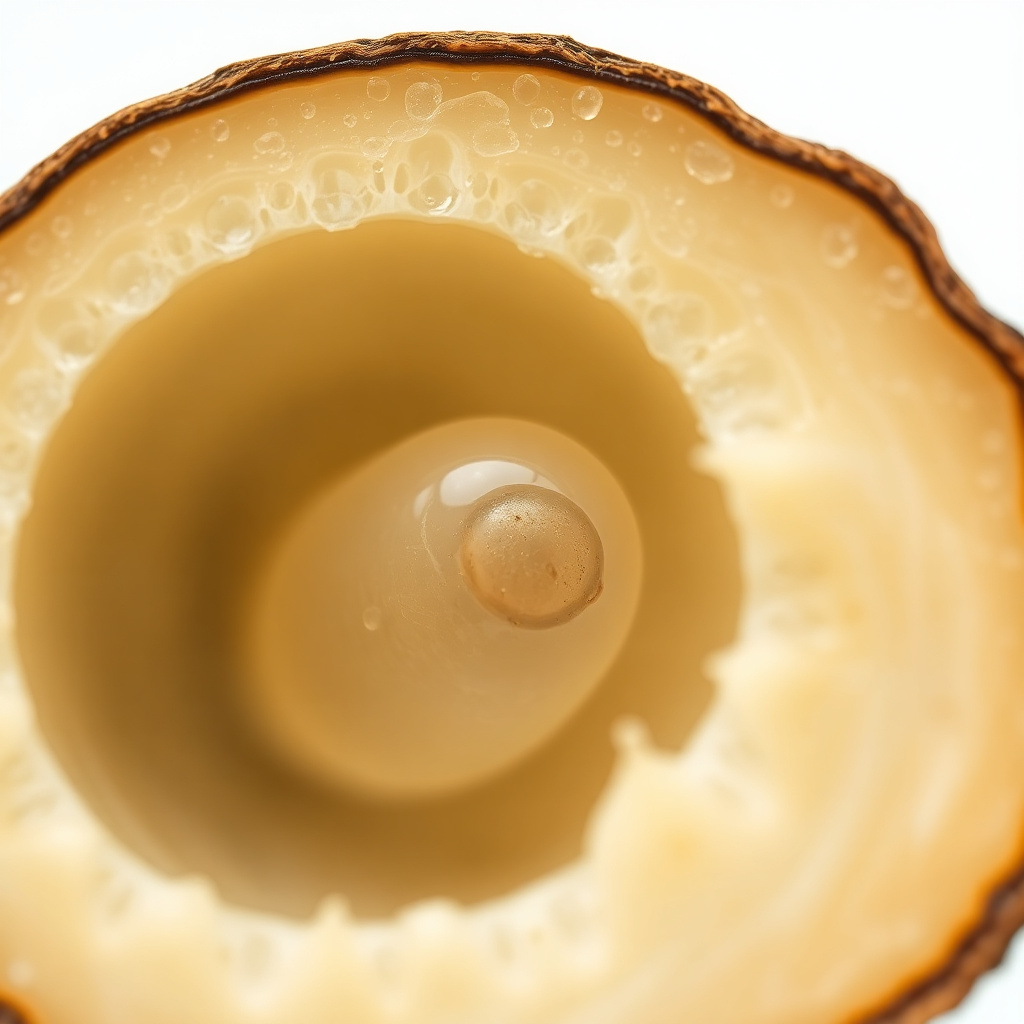
Seed dormancy is a survival strategy used by many plants to prevent germination until environmental conditions are favorable. Hard seed coats act as physical barriers to water and oxygen, protecting the embryo during adverse seasons or conditions.
This dormancy ensures that seeds do not sprout immediately after dispersal, which could lead to seedling death if conditions are inhospitable. Instead, the seed remains inactive until scarification or natural weathering weakens the coat.
How Scarification Works to Promote Germination
Scarification involves altering the seed coat by scraping, nicking, soaking in acids, or using thermal treatments to allow water and gases in. These treatments mimic natural processes such as passing through animal digestive tracts or freeze-thaw cycles.
Once the seed coat is compromised, water penetrates to activate the embryo, triggering enzymatic activity and cellular growth, ultimately leading to the seed breaking dormancy and sprouting.
Mechanical Scarification Techniques
Using Abrasion Tools for Scarification
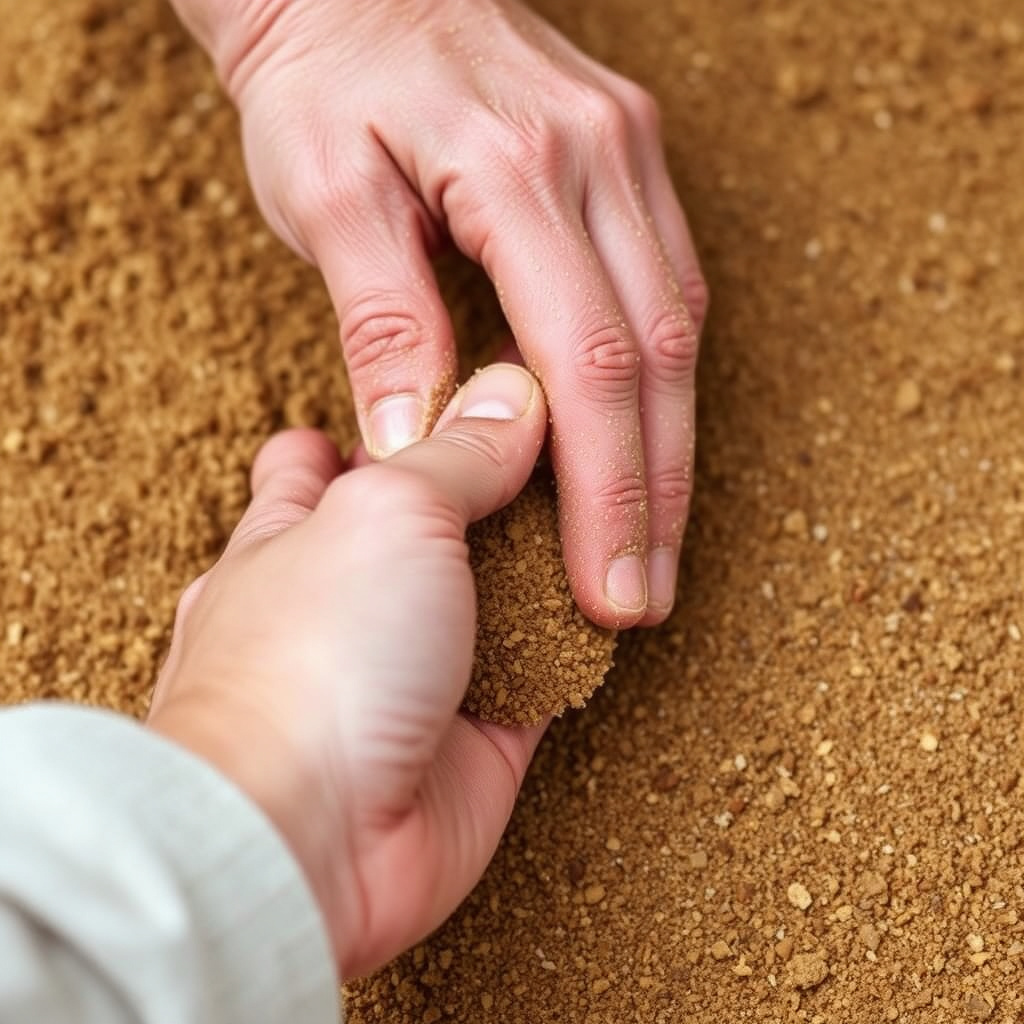
Mechanical scarification commonly uses sandpaper, files, or knives to scratch or nick the seed coat gently. This method is practical for small batches where seeds require careful handling to avoid damage.
Care must be taken to only thin the seed coat without harming the embryo. After abrasion, seeds absorb water more readily, shortening the germination timeframe significantly.
- Sandpaper grit types best suited for seed coats
- Recommended pressure and angles for filing
- Safety precautions to protect the embryo
Hot Water Treatment as a Mechanical Method
Soaking seeds in hot water is another mechanical method, where exposure to controlled high temperatures cracks the seed coat. The water should be just below boiling and seeds soaked for a specific duration.
This technique is effective for legumes and some tree seeds, and it's less labor-intensive than manual abrasion. However, improper timing or temperature can kill the embryo, so precision is key.
- Optimal water temperatures for various species
- Soaking duration guidelines
- Signs of successful scarification post-treatment
Chemical Scarification Methods
Using Acid Treatments to Break Seed Coats
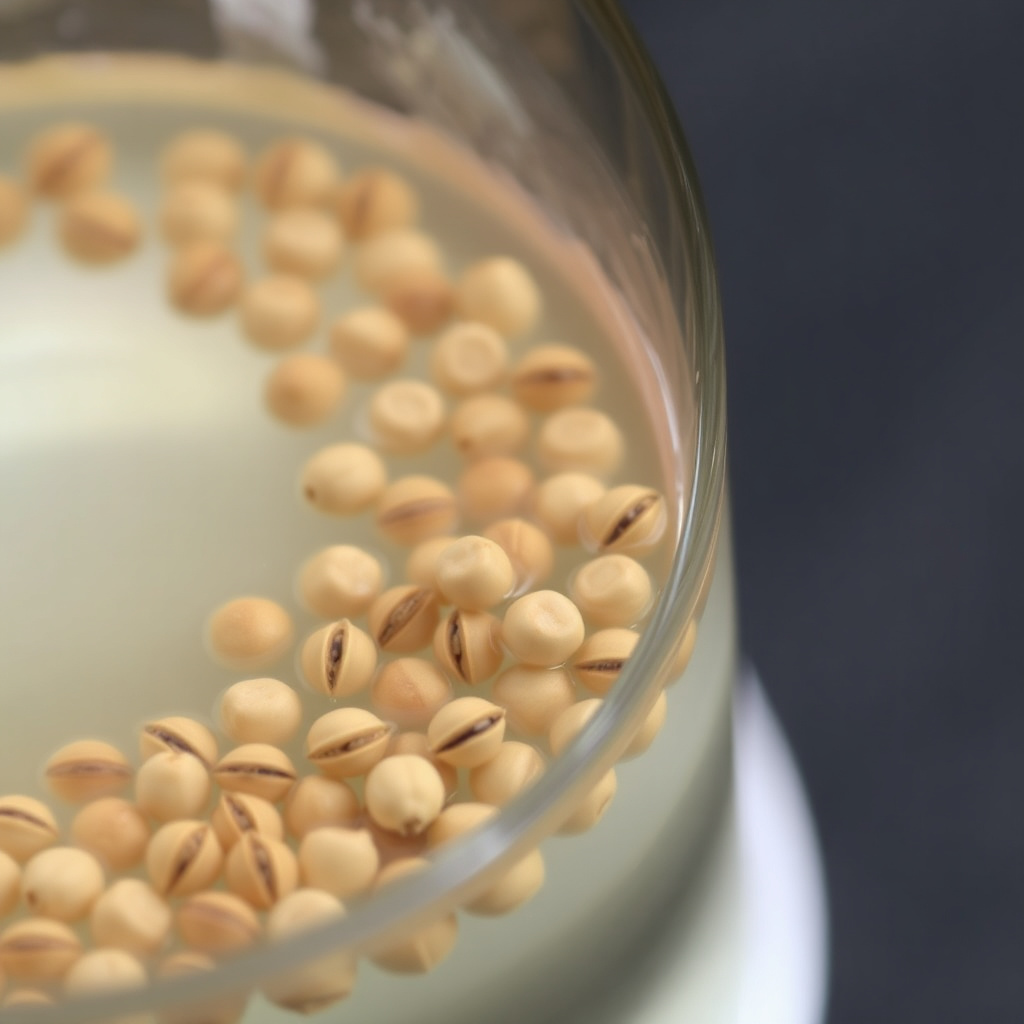
Chemical scarification usually involves soaking seeds in diluted sulfuric acid or other acids to erode the seed coat. This simulates natural passage through animal digestive systems, which softens coats to trigger germination.
Due to the dangers and precise timing required, acid scarification is suited for larger seed quantities or professional use. Proper neutralization and rinsing after treatment are critical to avoid damaging seeds.
- Concentration levels for sulfuric acid
- Recommended soak times per species
- Post-treatment safety measures
For more on this, see our related guide: What Does a Germinated Seed Look Like? A Clear Visual Guide.
Alternative Chemical and Soaking Approaches
Other chemical scarification methods include soaking seeds in solutions like bleach or potassium nitrate, which can weaken coats or stimulate metabolic processes. Some growers use hydrogen peroxide to clean and scarify simultaneously.
These alternatives are often safer and easier for home gardeners, but results vary by species and require trial to optimize outcomes.
- Bleach dilution recipes
- Hydrogen peroxide treatment duration
- Comparisons of chemical efficacy for common seeds
Seeds That Benefit Most from Scarification

Legumes and Hard-Coated Seeds
Many leguminous plants such as peas, beans, and acacias possess naturally tough seed coats that impede water uptake. Scarification significantly improves their germination rates and uniformity.
These seeds often crack or swell irregularly without treatment, leading to wasted seed. Scarification creates consistent water penetration, which supports reliable seedling emergence.
Tree Seeds and Wildflower Varieties
Certain tree species (e.g., black locust, redbud) and wildflowers also benefit from scarification due to hard outer layers. Especially for restoration or forestry efforts, treating these seeds speeds up planting success.
Wildflower seeds, often adapted to pass through animal digestive systems, frequently require scarification to prevent dormancy from causing germination delays in cultivation.
Best Practices and Precautions for Seed Scarification
Avoiding Seed Damage During Scarification
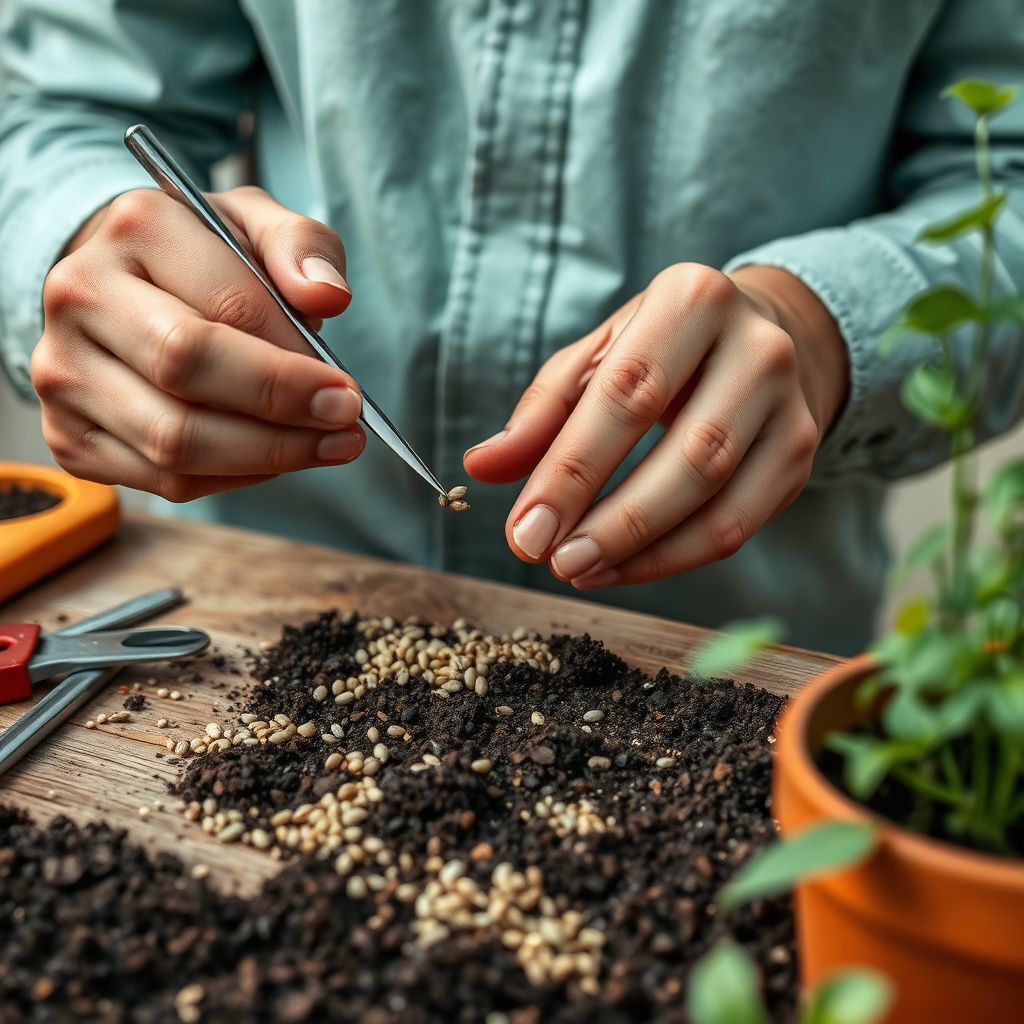
Over-scarification can harm a seed’s embryo or cause fungal infections. Precision in timing, tool choice, and technique is essential to preserve seed viability regardless of the method.
Testing a small batch before full treatment allows adjustments and prevents costly seed loss. Always use sterilized tools and clean water to reduce contamination risks.
- Testing seeds after scarification with float tests
- Maintaining hygiene for scarification tools
- Monitoring seeds post-treatment for early rot
For more on this, see our related guide: How to Diagnose and Fix Common Seed Germination Problems.
Storage and Post-Scarification Handling
Scarified seeds often absorb water quicker and should be planted soon after treatment. Prolonged storage of scarified seeds under moist conditions can reduce viability.
If immediate planting isn’t possible, drying seeds carefully and storing them in cool, dry places helps maintain dormancy and prevent premature sprouting or decay.
- Best drying methods post-soaking
- Optimal storage containers
- Environmental conditions to avoid during storage
Seed Scarification Compared to Other Seed Treatment Methods

Contrasting Scarification and Stratification
Unlike scarification, stratification involves exposing seeds to cold, moist conditions to mimic winter. Scarification physically breaks the seed coat, while stratification affects internal biochemical dormancy.
Stocks of some species require both treatments sequentially for release from combined dormancy mechanisms. Understanding species dormancy types is critical for choosing methods.
For readers interested in the detailed scientific background of seed scarification, the seed scarification Wikipedia page offers comprehensive information. seed scarification Wikipedia page.
Comparing Scarification to Soaking Methods
Simple soaking in water alone can promote germination in some seeds but often doesn’t work on hard-coated seeds. Scarification accelerates water uptake by physically altering tough coats.
For seeds with impermeable coats, soaking combined with scarification or stratification produces the best results, particularly in commercial or restoration plantings.
Seed Scarification Methods: Comparison of Techniques
Here’s a summary comparing key seed scarification methods to help decide the best fit for different seed types and scales.
| Method | Technique | Best for Seed Types | Advantages | Drawbacks |
|---|---|---|---|---|
| Mechanical Abrasion | Sanding, filing, nicking | Legumes, hard-coated wildflowers | Low cost, precise control | Labor-intensive, risk of embryo damage |
| Hot Water Soaking | Soaking seeds in hot water | Legumes, some trees | Easy, less manual work | Sensitive timing, risk of killing seeds |
| Acid Scarification | Sulfuric acid soaking | Large batch legume/tree seeds | Highly effective for tough seeds | Requires safety precautions, chemical handling |
| Chemical Soaks | Bleach, hydrogen peroxide | Home gardening species | Safer, user-friendly | Varied results, species-dependent |
Frequently Asked Questions
Can scarification harm seeds?
Yes, improper scarification can damage the embryo inside a seed, reducing germination rates. It's essential to apply the right technique and intensity based on seed species to avoid harm.
How do I know if my seeds need scarification?
Seeds with hard, impermeable coats often need scarification. Research species-specific requirements or test by soaking seeds in water; if they sink and swell slowly, scarification might help.
Is scarification necessary for all garden seeds?
No. Many garden seeds have soft coats that do not require scarification. This process mostly benefits hard-coated seeds like many legumes and certain trees or wildflowers.
Can I scarify seeds at home safely?
Absolutely, especially mechanical and mild chemical methods like sandpaper or hydrogen peroxide soaking work well for home gardeners with proper care and cleanliness.
How soon should I plant seeds after scarification?
Scarified seeds absorb water quickly and should generally be planted soon after treatment to avoid loss of viability or fungal infections from prolonged moisture exposure.
Key Takeaways
- Seed scarification breaks hard seed coats to speed germination.
- Mechanical and chemical methods suit different seed types and volumes.
- Legumes and some trees benefit most from scarification.
- Careful technique prevents seed damage and improves success rates.
Conclusion
Understanding seed scarification is pivotal for anyone working with seeds that have hard dormancy mechanisms. By intentionally breaking or weakening the seed coat, gardeners and growers can bypass natural delays built into the seed’s biology. This allows for more predictable, uniform sprouting times, ultimately saving time and resources in plant propagation efforts. Recognizing whether your seed species requires this treatment and selecting an appropriate scarification method is the foundation of advancing successful seed germination.
Mechanical scarification, such as sanding or nicking, offers an accessible way to treat small quantities or delicate seeds, while hot water treatments provide a less hands-on thermal alternative. For large quantities or seeds with extremely tough coats, professional acid scarification is often the go-to due to its efficiency. Additionally, seeds like beans and many hardwood tree varieties respond exceptionally well to these treatments, whereas others may require stratification or different dormancy-breaking practices. Always align your choice with seed type and scale to maximize results.
For practical next steps, identify if your seeds exhibit hard seed coat dormancy by researching species traits or conducting simple water soak tests. Start with gentle mechanical scarification if you’re new to the process, ensuring minimal embryo damage. After treatment, plant promptly to maintain seed viability. Applying seed scarification thoughtfully provides a powerful tool to increase germination success and is a worthwhile practice for gardeners, farmers, and conservationists alike.