How Much Water Do Seeds Need to Germinate: A Practical Guide
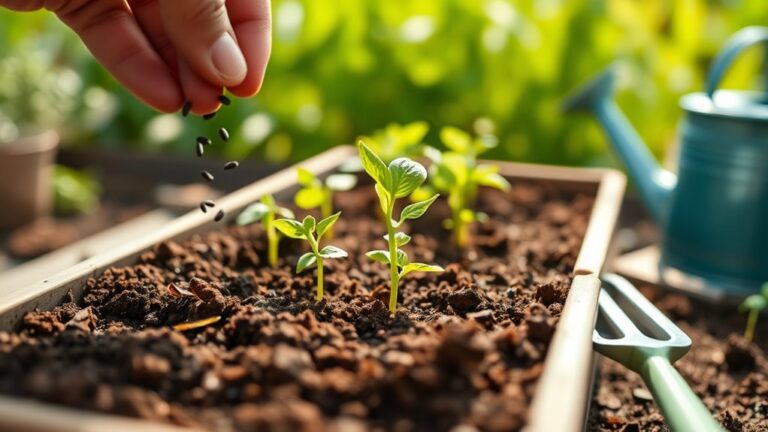
Seeds need consistent moisture to germinate, but not so much that they become waterlogged, which can cause rot or fungal issues. Typically, seeds require the planting medium to be evenly moist—like a damp sponge—not soaking wet. The amount varies by seed type and soil conditions, but staying in this moisture range is key for successful sprouting.
Getting water just right matters because too little moisture fails to activate the enzymes and cellular processes needed for a seed to begin growing. Too much water deprives the seed of oxygen and invites disease, delaying or preventing germination. Understanding the proper watering approach helps gardeners improve germination rates and get vigorous seedlings.
This article explains how much water seeds need to germinate, explains moisture management best practices, covers different soil types and environmental factors, and provides tips on watering techniques and troubleshooting common problems.
Understanding Seed Moisture Requirements for Germination
How Water Activates Seeds
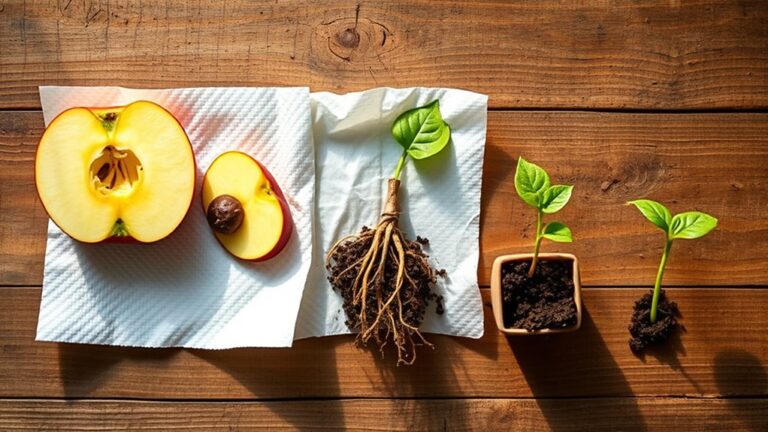
Water penetrates the seed coat and softens it, which signals the seed to wake from dormancy. This hydration activates enzymes that convert stored food into energy, fueling cell division and growth.
The amount of water must saturate the seed’s internal tissues without creating stagnant conditions around it, which balance oxygen access with moisture availability.
Seed Coat Differences and Water Needs
Seeds with hard coats often need soaking or scarification to allow water entry, while soft-coated seeds absorb moisture quickly and can rot if overwatered.
Knowing your seed type influences how much and how often you water to maintain appropriate seed germination moisture.
Ideal Soil Moisture Levels for Seed Germination
What is the Right Soil Moisture?
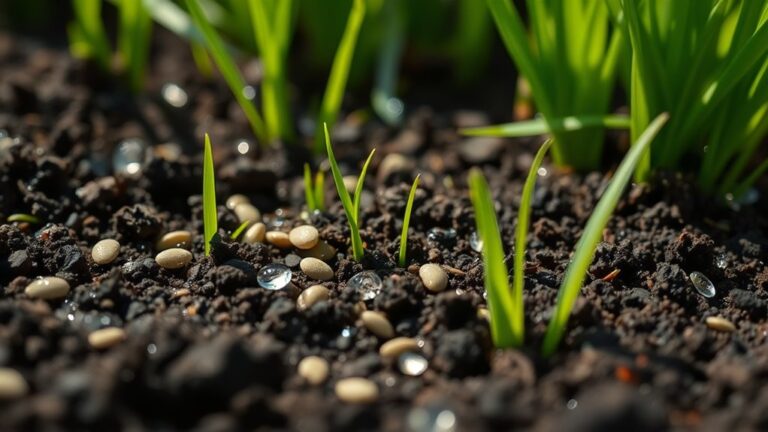
Ideal soil moisture resembles a wrung-out sponge—damp to touch but without excess water pooling. This environment maintains oxygen flow while providing enough water for enzymatic activation.
Too dry soil delays germination or leads seeds to enter secondary dormancy, while overly wet conditions cause seeds to rot or attract fungal pathogens.
- Moist but not soggy texture
- No standing water on soil surface
- Consistent moisture throughout seed zone
Effects of Soil Texture on Moisture Retention
Sandy soils drain quickly and may need more frequent watering to keep seed zone moist, while clay soils retain water longer but risk waterlogging seeds.
Loam soils offer a balanced structure, holding adequate moisture without saturating seeds, making them ideal for germination.
Watering Techniques for Successful Seed Germination
Frequency of Watering Seeds
Seeds often need light watering daily or every other day depending on temperature and soil type to sustain moisture without saturation.
Monitor soil surface and adjust watering frequency to maintain dampness, reducing frequency as seedlings emerge and roots grow.
For more on this, see our related guide: How to Germinate Old Cannabis Seeds: Effective Techniques to Boost Success.
Methods to Avoid Overwatering
Using fine mist sprays or watering from the bottom helps provide gentle moisture without displacing seeds.
Placing a plastic cover or humidity dome traps moisture effectively but must be ventilated to prevent excessive dampness that could harm seeds.
- Use misting sprays
- Water from container bottoms
- Ventilate humidity domes
Environmental Factors Affecting Seed Water Needs
Temperature and Its Impact on Moisture
Higher temperatures increase evaporation and seed respiration, which demands more frequent watering to keep moisture at germination-supportive levels.
Cooler conditions reduce water loss, so watering intervals can be longer, but the soil should never dry out completely.
Light Exposure and Moisture Management
Direct sunlight can dry out seed surfaces quickly, necessitating more careful irrigation. Conversely, shaded areas retain moisture longer, reducing watering frequency.
Matching watering routines to light conditions helps achieve the right balance for seed germination moisture.
Common Challenges with Seed Watering and How to Fix Them
Signs of Overwatering Seeds
Excessively wet soil may cause seeds to rot before sprouting, or seedlings to suffer fungal diseases like damping off. Roots may yellow and seedlings wilt despite moist soil.
Adjust watering to reduce moisture and improve airflow if these symptoms appear to protect future germination.
- Wet, foul-smelling soil
- Seed mold or rot
- Seedling collapse
For more on this, see our related guide: Can Old Cannabis Seeds Still Germinate? A Practical Guide.
Dealing with Underwatering Seeds
Seeds under dried-out conditions fail to germinate or slow sprouting significantly. Their outer tissues become tough and metabolic processes stall.
Increase watering frequency and consider soil amendments to improve water retention if dryness persists.
- Dry, cracked soil surface
- Delayed or no germination
- Shriveled seed coats
Adjusting Water Amounts for Different Seed Types
Small vs. Large Seeds
Small seeds require frequent light watering since they transpire quickly and are more prone to drying out. Large seeds need deeper, less frequent watering to penetrate thoroughly.
Tailor watering volumes to seed size to prevent washout or dehydration.
For more detailed scientific background, consult the seed germination basics on Wikipedia. Seed germination basics on Wikipedia.
Hard-Coated vs. Soft-Coated Seeds
Hard-coated seeds may benefit from initial soaking or presoaking to jumpstart moisture absorption, then less frequent watering to avoid rot.
Soft-coated seeds absorb quickly and need steady gentle moisture to avoid drying without waterlogging.
Comparison of Seed Germination Watering Approaches
These seed watering methods differ in moisture control, ease of use, and suitability for seed types and growing environments.
| Watering Method | Moisture Control | Ease of Use | Best For |
|---|---|---|---|
| Top Watering with Misting | High control, avoids flooding | Easy with spray bottle | Small seeds, trays |
| Bottom Watering | Uniform moisture wicks up | Moderate effort | Larger seeds, container planting |
| Soaking Seeds First | Pre-germinates hard coats | Simple but time intensive | Hard-coated seeds |
| Humidity Dome with Water Tray | Traps consistent moisture | Requires ventilation | Seedlings needing warmth and humidity |
| Automated Drip Irrigation | Precise timing and volume | High setup complexity | Large-scale germination |
Frequently Asked Questions
Can seeds germinate under water?
Generally, seeds require oxygen and cannot germinate underwater, though some aquatic plants have adapted to germinate submerged. Most terrestrial seeds will rot without access to air despite water presence.
How do I know if my seeds are getting enough water?
Check the soil moisture by touch; it should feel damp but not soggy. If the soil dries out quickly, increase watering frequency. Signs like wrinkled seedlings indicate inadequate moisture.
Is it better to water seeds before or after planting?
Moistening the soil before planting helps maintain consistent moisture around seeds, ensuring quicker hydration. Avoid overly wet soil to reduce risks of rot.
Do indoor and outdoor seeds need different watering amounts?
Yes. Indoor seeds often require less frequent watering due to controlled temperature and humidity, whereas outdoor seeds may dry out faster and need more frequent attention.
How does temperature affect seed watering needs?
Warm temperatures increase evaporation and seed metabolic rates, meaning seeds will need water more frequently to maintain ideal moisture for germination.
Key Takeaways
- Seeds need consistent, moist—not waterlogged—conditions for germination.
- Soil type and seed coat characteristics influence watering frequency and volume.
- Use gentle watering methods like misting or bottom watering to avoid seed displacement.
- Environmental factors such as temperature and light affect moisture requirements.
Conclusion
Deciding how much water seeds need to germinate centers on balancing moisture to ensure enzymatic activation without drowning the seeds. Understanding your seed’s particular moisture demands alongside soil properties and environmental conditions helps create the right watering schedule. Observing soil texture and seed appearance offers practical signals to adjust irrigation for consistent dampness but no saturation.
For example, small or soft-coated seeds benefit from frequent light misting to prevent drying, while larger or hard-coated seeds may require soaking and deeper but less frequent watering. Loamy soil is ideal for retaining moisture evenly, and humid environments might reduce the need for watering frequency. Using bottom watering or humidity domes can improve moisture control especially in indoor germination setups.
Ultimately, starting with this knowledge on seed germination moisture and adapting based on seed type and conditions enhances sprouting success. Apply a gentle, consistent watering routine, observe your seeds closely, and adjust moisture as needed. This approach provides a dependable foundation on how much water seeds need to germinate and grow into healthy seedlings.