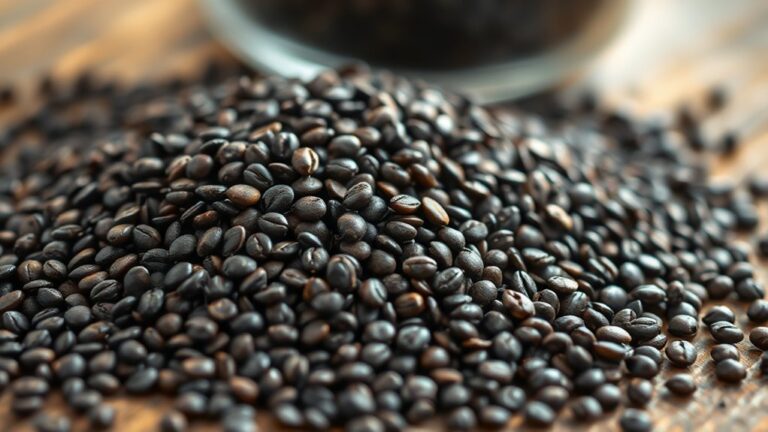
What Is an Autoflowering Cannabis Seed? Understanding Their Unique Features
An autoflowering cannabis seed is a type of cannabis seed that begins flowering automatically based on its age rather than changes in light cycles. Unlike traditional photoperiod seeds that need a specific light schedule to flower, autoflowering seeds transition to flowering after a set number of days, usually around 2-4 weeks from germination. This trait makes them especially popular among growers seeking faster harvests with less light management.
The significance of autoflowering cannabis seeds lies in their unique genetics derived primarily from Cannabis ruderalis, a naturally resilient variety native to northern climates. Growers value these seeds for their rapid lifecycle, discreet size, and ability to flower regardless of the photoperiod. These qualities make autoflowers practical for beginners, indoor growers, and those with limited space or growing season.
This article will explore the biology of autoflowering cannabis seeds, how their growth differs from photoperiod varieties, ideal growing conditions, and practical considerations for growers. You will also find detailed comparisons and frequently asked questions that clarify when autoflowering seeds are the right choice.
The Biology Behind Autoflowering Cannabis Seeds
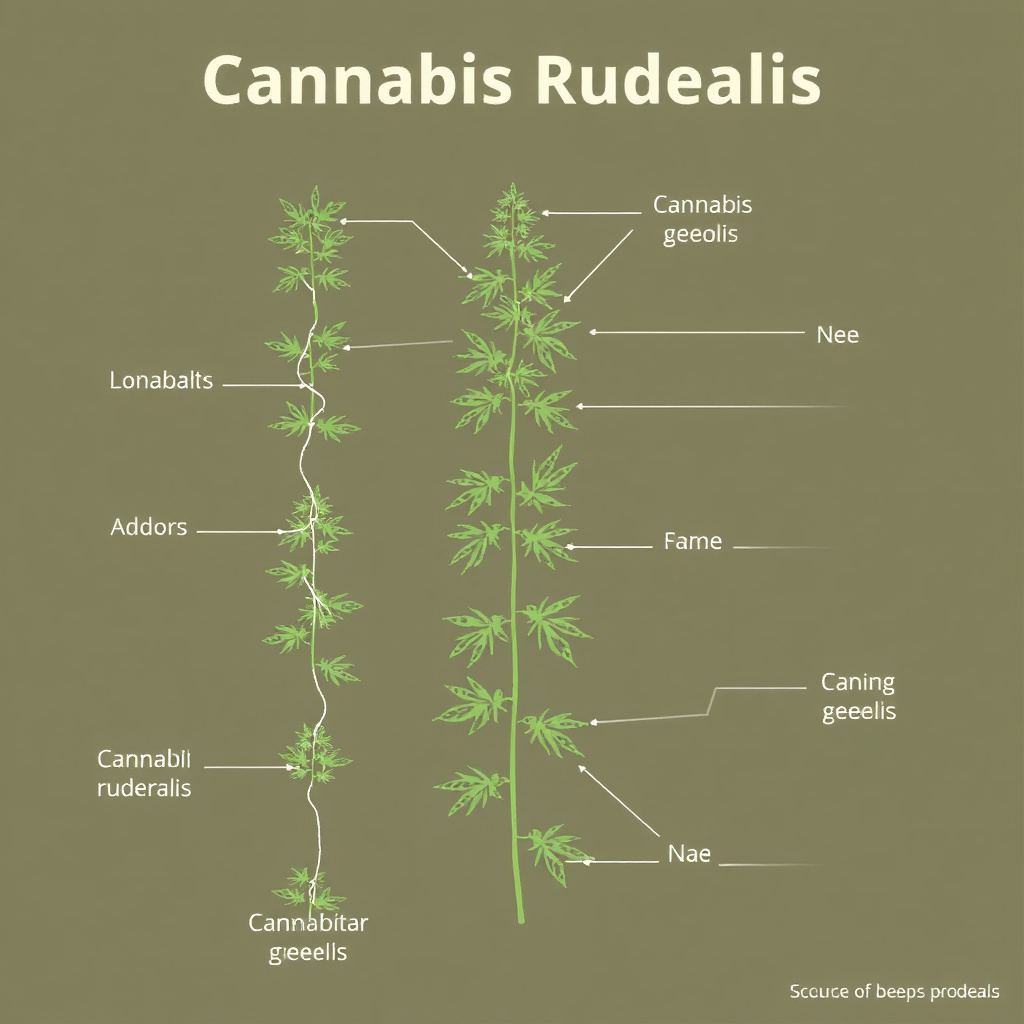
Origins and Genetics of Autoflower Seeds
Autoflowering cannabis seeds originate from Cannabis ruderalis, a subspecies adapted to harsh environments with short summers. This genetic background allows these plants to flower independently of light cycles, unlike the more common Cannabis sativa and indica strains that depend on photoperiods for flowering.
Breeders cross ruderalis genetics with sativa or indica to create hybrid autoflowers, combining rapid flowering with desired cannabinoid profiles. This hybridization focuses on enhancing potency and yield while preserving the autoflower trait.
How Autoflowering Seeds Flower Automatically
Autoflowering seeds initiate flowering based on an internal biological clock. Approximately 2 to 4 weeks after germination, the plant enters the flowering stage regardless of light exposure duration. This is due to hormonal changes triggered by age rather than darkness periods.
This mechanism simplifies cultivation by eliminating light cycle adjustments, making autoflowers suitable for continuous or irregular light schedules without affecting flowering.
Growth Cycle Differences: Autoflowering vs Photoperiod Cannabis Seeds

Vegetative Stage Characteristics
Autoflowering cannabis plants have a shortened vegetative stage of about 2 to 4 weeks. This contrasts with photoperiod plants that can maintain vegetative growth for months under 18-24 hours of light daily. The shorter veg period means less flexibility but faster overall growth.
Because autoflowers start flowering automatically, growers must plan space and nutrients accordingly to optimize the faster transition without expecting large plant size typical of long veg growth.
Flowering and Harvest Timelines
Autoflowering cannabis seeds usually complete flowering within 5 to 7 weeks after transition, leading to total harvest times of 8 to 12 weeks from seed. Photoperiod seeds depend on changing light to induce flowering, extending total cultivation time potentially beyond 16 weeks.
The rapid lifecycle of autoflowers allows multiple harvests per season, particularly beneficial for growers in climates with limited outdoor growing windows or indoors aiming for quick crop turnover.
Growing Conditions and Care for Autoflowering Seeds
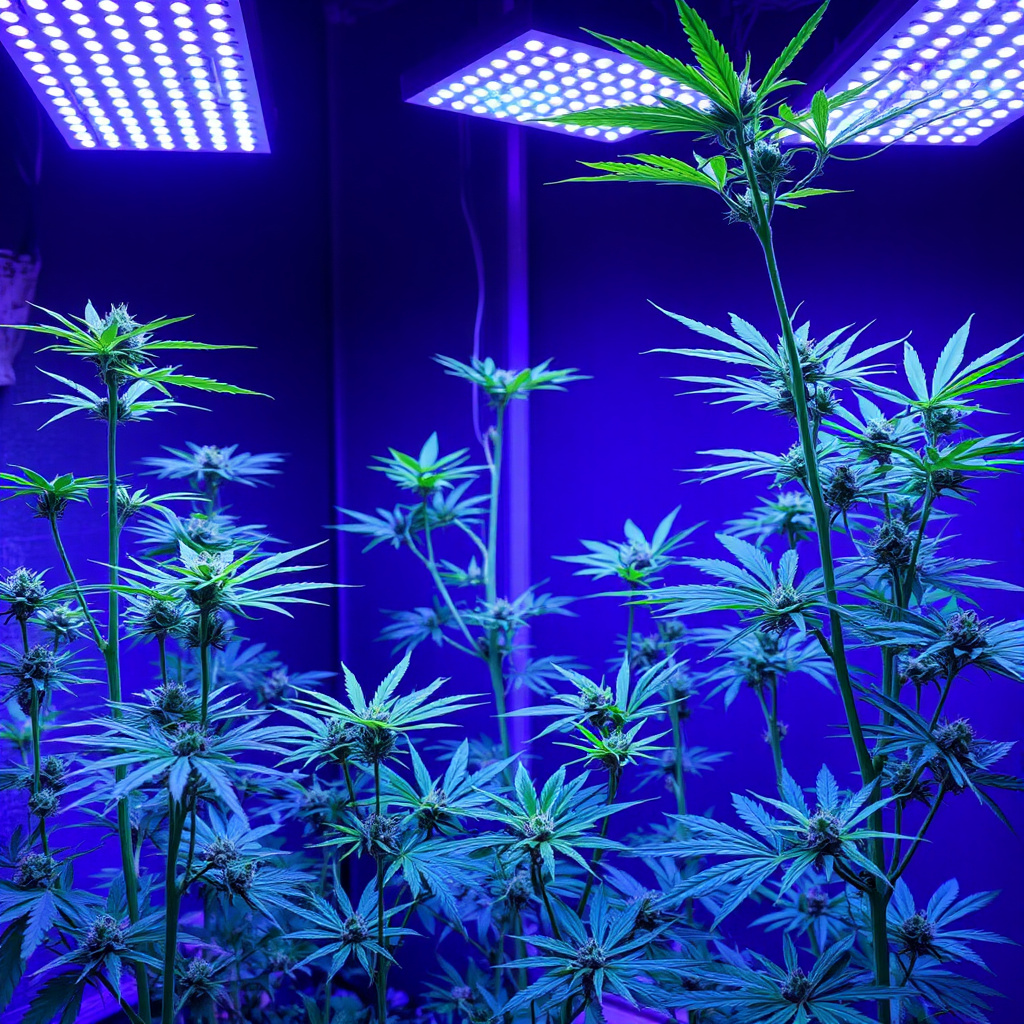
Lighting Needs for Autoflowers
Since autoflowering cannabis seeds flower regardless of light duration, they thrive under a consistent light schedule. Many growers use 18-20 hours of light daily to maximize growth and yield, although autoflowers can tolerate 24-hour light cycles without stress.
Outdoor autoflowers benefit from natural sunlight and can finish multiple harvests in regions with short growing seasons due to their quick flowering cycle.
For more on this, see our related guide: Cannabis Seed FAQ: Answers to Your Most Common Questions.
Soil, Nutrients, and Watering
Autoflowering plants often prefer lighter soils with good drainage to support fast root development and to avoid nutrient burn from overfeeding. Nutrient requirements differ from photoperiod plants as autoflowers tend to be more sensitive, needing balanced feeding focused on early vegetative growth and flowering phases.
Watering practices must accommodate the plant’s faster lifecycle; regular but moderate watering supports healthy growth without causing root issues. Growers should monitor closely as autoflowers do not tolerate prolonged overwatering.
Benefits and Limitations of Autoflowering Cannabis Seeds
Advantages That Make Autoflowers Popular
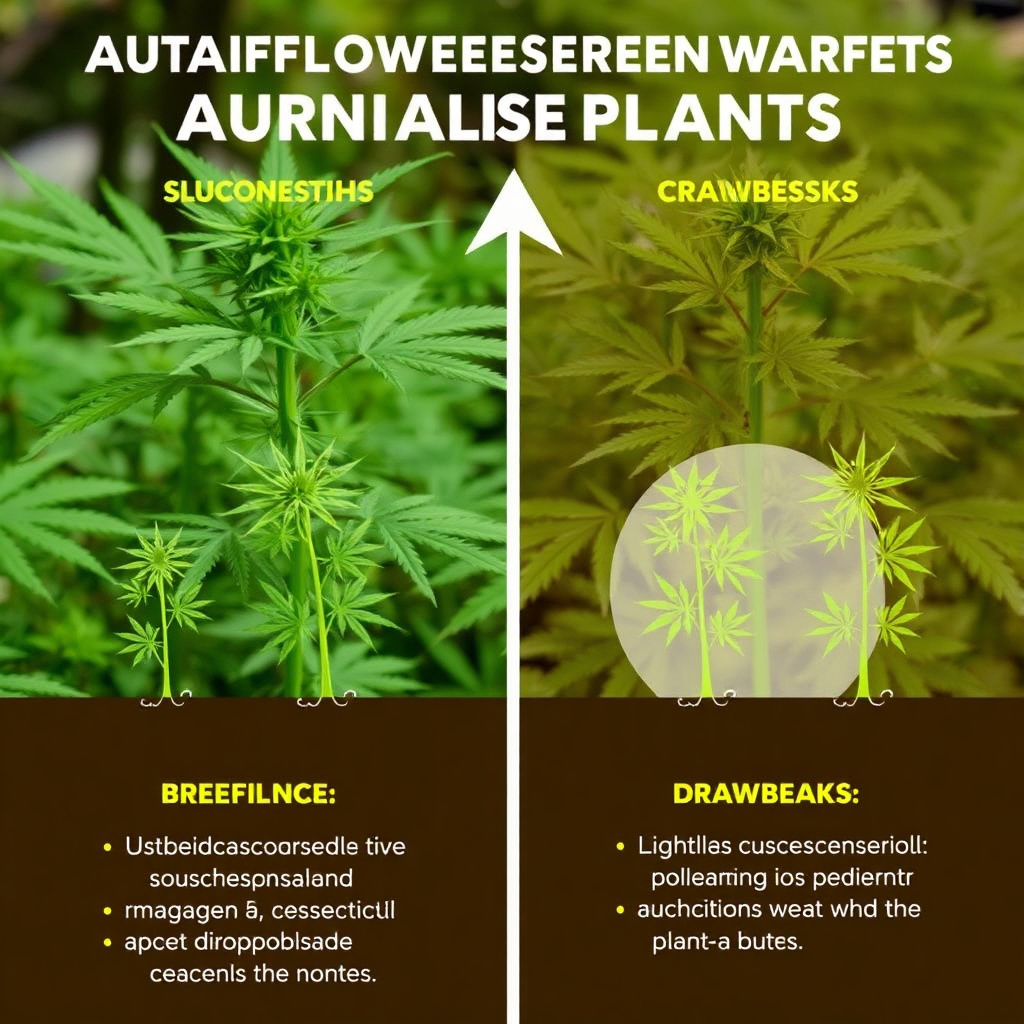
Autoflowering cannabis seeds provide rapid growth cycles, requiring less time to mature, which means faster returns for growers. Their compact size is ideal for discreet cultivation and limited spaces. They also offer flexibility with lighting, eliminating the need to adjust light schedules.
Additionally, autoflowers show resilience under less-than-ideal conditions, making them suitable for novice growers and outdoor seasons with unpredictable weather.
- Short life cycle: 8-12 weeks to harvest
- Small, manageable plant size
- Flower under any light schedule
- Good for discrete or limited-space growing
Potential Drawbacks to Consider
While convenient, autoflowering seeds typically yield less than photoperiod varieties due to their smaller size and shorter vegetative period. Their rapid lifecycle can limit training techniques since the plants have less time to recover from stress.
In addition, potency and cannabinoid profiles in some autoflowers might be lower compared to established photoperiod strains, although breeding advancements have narrowed this gap.
- Generally lower yield than photoperiod plants
- Limited training time due to quick flowering
- Some autoflowers have milder cannabinoid content
Comparing Autoflowering Cannabis Seed Varieties
Indica-Dominant Autoflowers
Indica-dominant autoflowering seeds produce compact plants with dense buds and relaxing effects. These varieties often finish quickly and deliver heavy yields relative to other autoflowers, making them popular among users seeking sedation and pain relief.
Common cultivars focus on resilience and cannabinoid richness, suited for both indoor and outdoor growing where space is limited.
For more on this, see our related guide: Cannabis Flowering Time Explained: How to Optimize Your Grow Cycle.
Sativa-Dominant Autoflowers
Sativa-dominant autoflowers tend to grow taller and have a more energizing, cerebral effect. Although traditionally sativas have longer flowering times, autoflower genetics have shortened the cycle, allowing quicker harvests while maintaining uplifting qualities.
These strains often develop airy buds requiring careful nutrient management to improve density and flavor.
Legal and Practical Considerations for Growing Autoflowering Cannabis Seeds

Legal Status in Different Regions
The legality of cultivating autoflowering cannabis seeds depends on local laws regarding cannabis cultivation. In some jurisdictions, growing any cannabis plant requires licenses, while others permit limited personal cultivation. Autoflower seed legality usually aligns with that of photoperiod seeds.
Growers should research regional regulations before purchasing or planting to avoid legal consequences.
For a detailed scientific background and history, you can visit the autoflowering cannabis seeds overview on Wikipedia. Autoflowering cannabis seeds overview on Wikipedia.
Practical Tips for New Growers
For beginners, autoflowering seeds offer a low-maintenance entry point into cannabis cultivation due to simple light requirements and fast growth. Choosing reliable seed banks, starting with small grow spaces, and maintaining consistent care can boost success rates significantly.
Documenting growth stages and adjusting nutrients based on plant response helps adapt to the unique characteristics of autoflowers.
Autoflowering Cannabis Seed Category Comparison
This table compares common autoflowering seed categories by growth duration, size, typical yield, and effects.
| Category | Growth Duration (weeks) | Average Plant Height | Typical Yield per Plant | Effect Profile |
|---|---|---|---|---|
| Indica-Dominant Autoflower | 8-10 | 40-60 cm | 100-150 grams | Relaxing, sedative |
| Sativa-Dominant Autoflower | 10-12 | 60-100 cm | 80-130 grams | Energetic, cerebral |
| Balanced Hybrid Autoflower | 9-11 | 50-80 cm | 90-140 grams | Balanced effects |
| High-CBD Autoflower | 9-11 | 45-70 cm | 70-120 grams | Medicinal, calming |
| Fast-Flowering Autoflower | 8 | 35-55 cm | 60-110 grams | Mild, quick turnaround |
Frequently Asked Questions
How long does it take for an autoflowering cannabis seed to mature?
Autoflowering cannabis seeds generally mature in 8 to 12 weeks from germination, which includes roughly 2-4 weeks of vegetative growth followed by 5-7 weeks of flowering.
Can you grow autoflowering seeds indoors and outdoors?
Yes, autoflowering seeds can thrive both indoors under artificial lighting and outdoors in natural sunlight, making them versatile for various growing environments.
Do autoflowering cannabis plants need a special light cycle?
No special light cycle is required; autoflowering plants flower automatically based on age, so consistent lighting of 18-20 hours daily is common but not mandatory.
Are autoflowering seeds less potent than regular cannabis seeds?
Historically, autoflowering seeds had lower potency, but modern breeding has significantly improved cannabinoid levels, and many now match or approach photoperiod seed potency.
Is plant training possible with autoflowering cannabis seeds?
Training autoflower plants is possible but limited due to their short lifecycle; mild techniques like low-stress training are recommended to avoid stress and yield loss.
Key Takeaways
- Autoflowering cannabis seeds flower based on age, not light cycles.
- They complete growth and flowering in about 8-12 weeks total.
- Ideal for beginners and growers with limited space or time.
- Modern autoflowers offer improved potency and varied effects.
Conclusion
Understanding what an autoflowering cannabis seed is helps growers decide the best approach for their cultivation goals. These seeds simplify the flowering process by eliminating the need for light cycle changes, relying instead on genetic programming to start blooming after a few weeks. Recognizing this key difference allows growers to plan faster turnarounds and adapt their setups accordingly, whether indoors or outside. This unique biology presents both opportunities and some limitations in yield and plant size that every grower should account for.
If you seek speed and low-maintenance growth, autoflowering seeds provide a practical solution. For example, indica-dominant autoflowers offer compact growth with sedating effects, excellent for limited spaces, while sativa-dominant types deliver upbeat effects with slightly taller stature. Growers aiming for medicinal qualities might consider high-CBD autoflowers for their calming properties. Photoperiod seeds, by comparison, suit those prepared for longer cultivation cycles and larger yields. Weighing these options depends on priorities like harvest time, plant size, and experience level.
For anyone ready to try autoflowering cannabis seeds, starting with trusted seed banks and maintaining consistent light and nutrient schedules will improve results. Observe your plants attentively to respond to their rapid development. Exploring different autoflower varieties can help match effects and growth traits to your preferences. By choosing these resilient and flexible seeds, many growers find an accessible path to cultivating quality cannabis in varying environments.