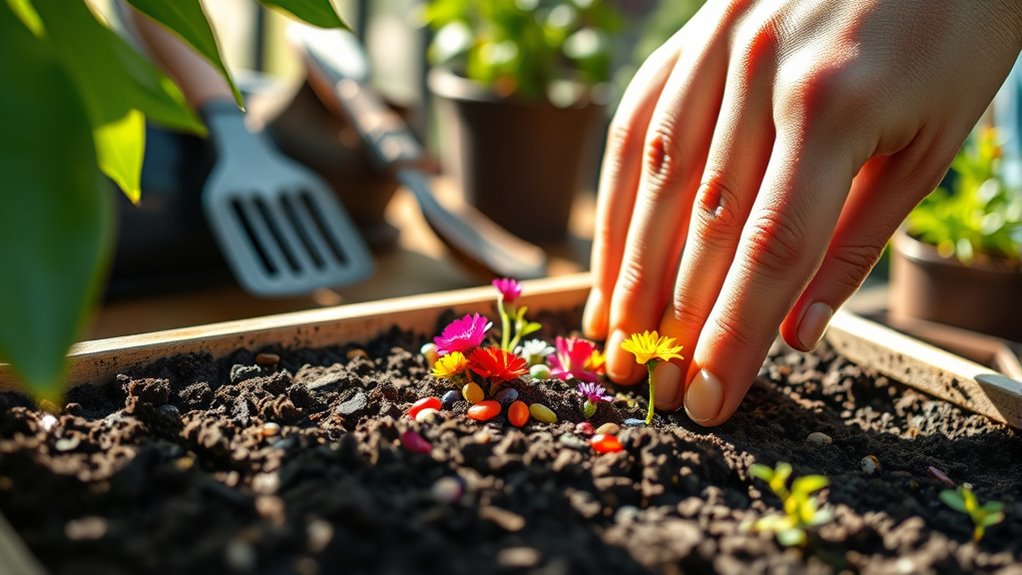
5 Simple Steps to Grow Flowers From Seeds
Many gardening enthusiasts dream of having a vibrant, blooming garden but often feel overwhelmed by where to start. Growing flowers from seeds can seem tricky at first, but you’re not alone in feeling unsure about how to get those beautiful blooms to sprout and thrive. With a little guidance, you can turn your garden into a colorful paradise.
Start by choosing healthy, viable seeds and preparing your planting area with well-draining soil and compost. Follow the best timing for indoor and outdoor sowing, based on your climate and last frost date.
Keep seedlings healthy by watering, fertilizing, and ensuring good air circulation. Transplant seedlings when they have at least two true leaves, handling them gently.
To keep flowers blooming all season, regularly deadhead, control pests, and maintain consistent watering. For more tips, investigate each step in detail.
Key Takeaways
- Select healthy, viable seeds and prepare well-draining soil or containers.
- Start seeds indoors 6-8 weeks before the last frost, or plant outdoors after frost risk.
- Keep seedlings moist, provide adequate light, and ensure good air circulation.
- Transplant seedlings when they have at least two true leaves. Gently space them out at the right distance.
- Maintain blooms by regular deadheading, pest control, watering, and fertilizing throughout the season.
Preparing Seeds and Supplies for Flower Growing
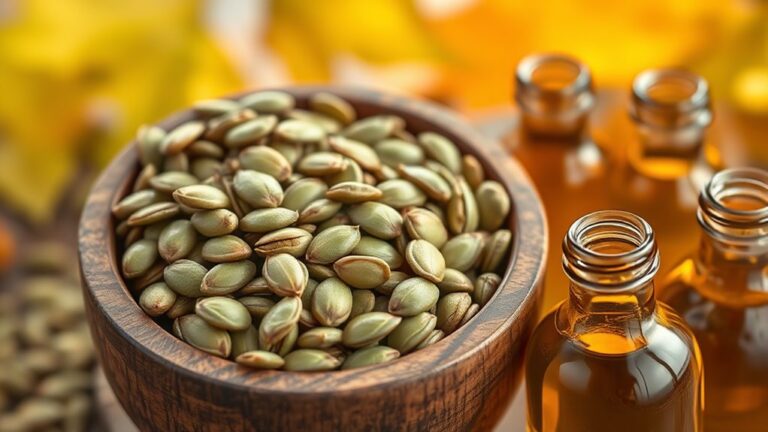
Before you start planting, gather all your supplies and prepare your seeds properly. Begin by selecting healthy, viable seeds from trusted sources. Look for seeds that feel firm and have vibrant color, and steer clear of any that are moldy or damaged.
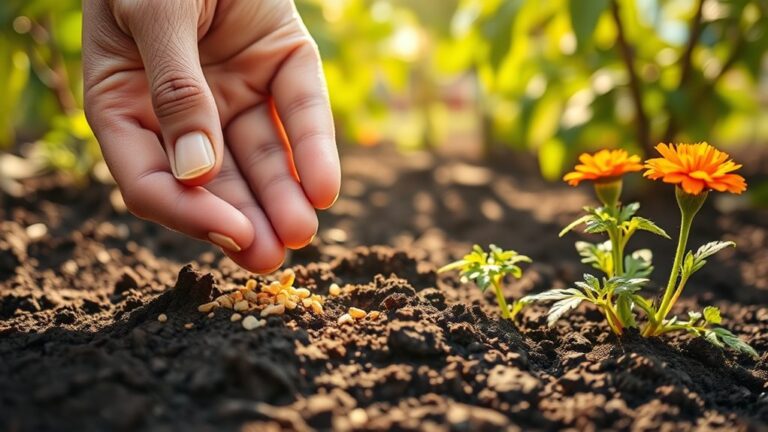
Getting the soil ready is just as important. Clear your planting area of weeds and debris, then loosen the soil to help with drainage and air circulation. Mixing in compost or organic matter will boost the nutrients and give your seeds a strong start.
If you’re planting in containers, make sure they have drainage holes. Fill them with well-draining soil to prevent water from pooling. Before sowing, check if your seeds need any pre-treatment like soaking or scarification to improve germination.
When and How to Start Flower Seeds Indoors and Outdoors
Knowing the right time to start your flower seeds, whether indoors or outdoors, can really make a difference in how well they grow. Start by researching the best seed varieties for your climate and the right planting schedule.
For many flowers, indoor sowing is ideal 6 to 8 weeks before the last spring frost date, giving your seedlings a good head start. Use a seed-starting calendar to plan your indoor planting times accordingly.
For outdoor planting, wait until the danger of frost has passed and soil temperatures are warm enough for the specific flowers you’re growing. Some hardy varieties can be sown directly into the ground earlier, while tender types need a later start.
Pay attention to the seed packet instructions, which often specify the best sowing window. By following these guidelines and timing your planting properly, you’ll set the stage for healthy, vibrant blooms.
How to Care for Seedlings and Promote Healthy Growth
Caring for seedlings is essential to ensure they grow strong and healthy. Providing the right nutrition is important; use a diluted, balanced fertilizer to support growth without overwhelming their delicate roots.
Keep the soil consistently moist but not waterlogged, as seedlings need stable moisture levels. Good air circulation helps prevent fungal diseases, so avoid overcrowding and give them proper spacing.
Maintain moist but well-drained soil with proper spacing to promote healthy, disease-free seedling growth.
Regularly check your seedlings for pests like aphids or fungus gnats, and remove any you find promptly. Using natural predators or gentle organic insecticides can help control pests without harming your plants.
Place seedlings in a bright spot with indirect sunlight and keep the temperature warm. Avoid sudden drafts or temperature drops that can stress the young plants.
Consistent care, attention to nutrition, and vigilant pest control will set the foundation for healthy growth and vibrant flowers.
When and How to Transplant Flower Seedlings Successfully
Timing is key when transplanting flower seedlings. Wait until they have at least two sets of true leaves and the weather has stabilized. This helps ensure your seedlings are strong enough to handle the move and reduces shock.
Choose a cloudy day or late afternoon for transplanting to minimize stress from the sun. Carefully loosen the seedling from its container, being gentle to keep root disturbance minimal.
When spacing seedlings, give each plant enough room to grow—about 6 to 12 inches apart, depending on the flower type. Proper spacing promotes healthy roots and good airflow, which helps prevent disease.
Handle the seedlings gently and plant them at the same depth they were in their seed-starting containers. After transplanting, water thoroughly to help the roots settle into their new environment.
Getting the timing right and handling seedlings with care set the stage for vibrant, healthy blooms.
Tips to Keep Your Flowers Blooming All Season
To keep your flowers blooming all season, stay proactive with maintenance and care. Regular pest management is key to preventing insects and diseases from harming your plants.
Stay proactive with regular care and pest control to ensure vibrant, healthy blooms all season long.
Check your flowers often, and remove pests by hand or use organic insecticides to keep them healthy. Applying the right fertilizer will help promote continuous blooms.
Start with a balanced, slow-release fertilizer at the beginning of the season, and add liquid feeds every few weeks to give your plants essential nutrients. Deadhead faded blooms regularly to encourage new growth and extend flowering.
Consistent watering is important—avoid overwatering or letting the soil dry out. Mulching around your plants helps retain moisture and keeps weeds at bay.
Frequently Asked Questions
Which Flowers Are Easiest for Beginners to Grow From Seeds?
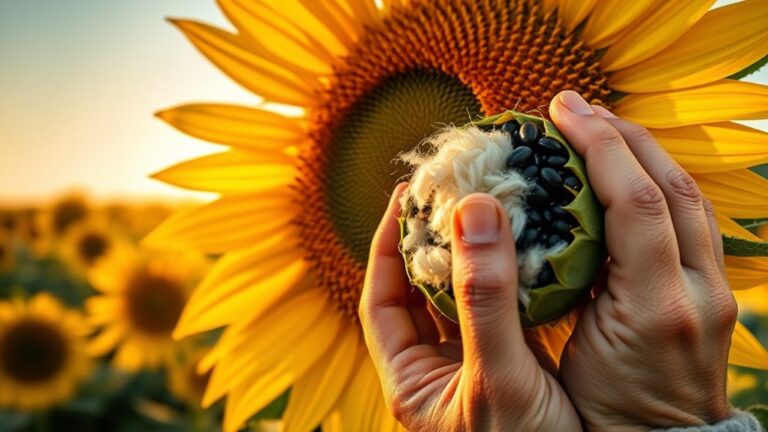
You’ll find sunflower seeds, marigold seeds, zinnia seeds, cosmos seeds, nasturtium seeds, and pansy seeds perfect for beginners. These flowers are easy to grow from seeds, require minimal care, and germinate quickly.
Simply plant the seeds in well-draining soil, keep the soil moist, and place them in a sunny spot. With patience, you’ll enjoy vibrant blooms in no time.
Gardening with these flowers is straightforward and fun, making your experience enjoyable and rewarding.
How Can I Prevent Pests From Damaging My Seedlings?
Did you know that healthy, strong seedlings naturally fend off pests? You can help by encouraging natural predators like ladybugs and lacewings in your garden.
Growing certain plants together, known as companion planting, can also deter pests and protect your seedlings. Keep your garden clean and avoid overwatering, which attracts unwanted pests.
What Are Common Mistakes to Avoid When Starting Flower Seeds?
When starting flower seeds, avoid common mistakes like choosing poor seed selection or skipping soil preparation.
You might plant seeds too deep or too shallow, so be sure to follow the planting instructions carefully.
Don’t forget to use well-draining soil and keep it moist but not waterlogged.
Neglecting proper lighting can also slow down growth, so make sure your seedlings get enough light.
Pay attention to temperature and humidity levels to create the best environment for your seeds.
Always read the seed packet instructions to give your flowers the best chance to thrive.
How Do I Extend the Blooming Period of My Flowers?
To extend your flowers’ blooming period, regularly deadhead spent blooms using proper deadheading techniques. This encourages new flower production and helps your plants stay colorful longer.
Keep your plants well-watered and fertilized, especially during peak growth. You can also pinch back stems to promote bushier, fuller plants.
Protect delicate blooms from harsh weather to prevent damage. Plant a variety of flowers with staggered blooming times so you can enjoy continuous color throughout the season.
Can I Save Seeds From My Own Flowers for Next Year?
Imagine carefully gathering a bouquet of your garden’s best blooms. Yes, you can save seeds from your own flowers for next year.
Just select mature seed heads from healthy, vibrant flower varieties and let them dry completely. This helps ensure successful seed saving.
Store the seeds in a cool, dry place. Next season, you’ll enjoy growing familiar flower varieties and keeping your garden colorful and personal year after year.
Conclusion
With these simple steps, you’ll watch your garden burst into life, colors dancing in the sunlight. Imagine tiny seeds transforming into vibrant blooms, their sweet fragrance filling the air.
As you nurture each seedling, your patience blossoms into a lush, thriving garden that’s a personal oasis. Before you know it, your outdoor space will be a lively tapestry of flowers, inviting butterflies and bees.
All of this is possible because of your care and dedication in growing flowers from seeds.