Understanding Seed Oils: A Comprehensive Guide
Are you overwhelmed trying to navigate the many options of seed oils in your kitchen? You’re not alone. Many people struggle with choosing healthier fats amidst the sea of processed foods and cooking oils.
Seed oils are widely used in cooking and processed foods because they’re affordable, versatile, and have neutral flavors. They’re made by extracting oils from seeds like soybeans, sunflower, or corn through cold pressing or solvent methods, then refining them for stability.
While rich in polyunsaturated fats and vitamin E, seed oils can also promote inflammation if overconsumed, especially with high omega-6s.
Examining options for healthier choices and storage tips can help you make better use of seed oils.
If you continue examining, you’ll uncover how to make informed, health-conscious decisions.
Key Takeaways
- Seed oils are extracted from seeds like soy, corn, sunflower, and canola, using methods such as cold pressing and solvent extraction.
- They are high in polyunsaturated fats, including omega-3 and omega-6 fatty acids, with different nutrient profiles.
- Proper storage in cool, dark places helps prevent oxidation and rancidity, which keeps the oil fresh and safe.
- Each seed oil has a specific smoke point; exceeding it can create harmful compounds during cooking.
- Choosing minimally processed, cold-pressed oils and exploring healthier alternatives can support better health and sustainability.
What Are Seed Oils and Why Are They So Common?
Seed oils are vegetable oils extracted from the seeds of plants like soybeans, corn, sunflower, and canola. Their history goes back centuries, but modern production really took off with new extraction techniques, making them more available than ever.
You’ll find seed oils in many grocery aisles because they’re versatile and affordable. Their neutral flavor and high smoke points make them perfect for a variety of cooking methods, from frying to baking.
These oils are popular because they’re easy to produce on a large scale, which helps keep costs low. They also have a long shelf life, making them super convenient for everyday use.
Their widespread use is driven by the demand for affordable, neutral-tasting oils that don’t overpower dishes. Over time, seed oils became household staples worldwide, especially in processed foods.
Thanks to their stability and cost-effectiveness, seed oils are now common in kitchens everywhere today.
How Are Seed Oils Made? A Simple Explanation
To make seed oils, farmers first harvest seeds from plants like soybeans, corn, or sunflowers. The seeds then go through extraction methods such as cold pressing or solvent extraction.
Cold pressing involves crushing the seeds at low temperatures, which helps preserve nutrients and flavor. After extraction, the oil usually undergoes refining to remove impurities, odors, and colors, making it more appealing and stable.
Refining often includes steps like degumming, bleaching, and deodorizing. These processes boost the oil’s stability, helping it resist rancidity and extend shelf life.
Some seed oils are also processed further to improve their usability and safety. The goal is to produce a clear, stable oil that’s suitable for cooking and consumption.
Different Types of Seed Oils: Which Are Most Popular?
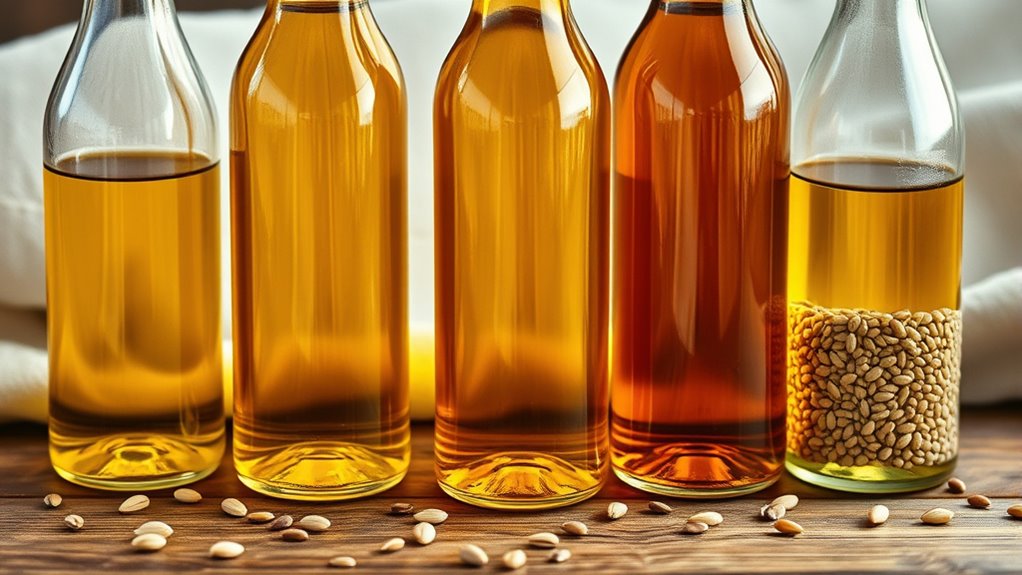
Curious about which seed oils are most popular in your kitchen? You’re probably familiar with options like soybean, sunflower, and canola oils. These dominate many cooking uses because they’re affordable, versatile, and have neutral flavors.
For frying, soybean and sunflower oils are great choices thanks to their high smoke points. If you want a milder taste that won’t overpower your dishes, canola oil is a popular pick.
Sesame oil, with its distinct nutty flavor, is often used in Asian cooking for dressings or stir-fries. Flaxseed oil is loved for its health benefits and nutty flavor but is best for drizzling or cold dishes because of its low smoke point.
Each seed oil offers unique flavors and cooking uses. Choosing the right one depends on your taste preferences and how you plan to use it in your recipes.
What Nutrients Do Seed Oils Contain?
Understanding the nutrients in seed oils can help you make healthier choices for your diet. Seed oils have a diverse nutrient profile, mainly made up of healthy fats, vitamins, and antioxidants. The specific nutrients vary depending on the type of oil, which influences their health benefits.
Most seed oils are high in polyunsaturated fats, including omega-3 and omega-6 fatty acids, which your body needs. They also contain vitamin E, a powerful antioxidant that protects your cells from damage.
Some seed oils provide small amounts of phytosterols, which may support healthy cholesterol levels. However, the nutrient content can differ a lot between different oils. For example, flaxseed oil is rich in omega-3s, while sunflower oil has more vitamin E.
Knowing what nutrients are in seed oils can help you choose the best options to meet your dietary needs and support your overall health.
Are Seed Oils Healthy? The Scientific Perspective
While seed oils are often praised for their nutrient content, scientific research paints a more complex picture of their health effects. It’s important to think about how they impact your body, especially in terms of nutrient absorption and inflammation.
Here are three key points:
- Seed oils contain omega-6 fatty acids, which can promote inflammation if you consume too much. This might affect your overall health over time.
- These oils can interfere with nutrient absorption by impacting your gut health, making it harder for your body to absorb essential vitamins and minerals.
- The balance between omega-6 and omega-3 fatty acids in seed oils influences your inflammation response. An imbalance could raise the risk of chronic inflammation.
While eating seed oils in moderation might not be harmful for some, overdoing it could lead to health problems. Scientific evidence shows that understanding how seed oils affect your body is key to making better dietary choices.
What Are the Health Risks of Consuming Seed Oils?
Consuming seed oils regularly can pose several health risks, especially when eaten in excess. One major concern is inflammation, which can contribute to chronic conditions like heart disease and arthritis.
Seed oils often have high levels of omega-6 fatty acids, leading to an imbalance in your diet. This imbalance can promote inflammation and hurt your overall health.
High omega-6 levels in seed oils can cause inflammation and negatively impact your health.
Processing also matters. Many seed oils go through refining, bleaching, and deodorizing, which can create harmful trans fats and oxidation products. These compounds may increase oxidative stress and damage your cells over time.
Long-term, eating a lot of seed oils might raise your risk of metabolic disorders, heart problems, and inflammatory conditions. Relying heavily on seed oils can also displace healthier fats like olive oil or avocados.
Being aware of these health concerns helps you make smarter choices about your fat intake and overall nutrition.
How Do Seed Oils Compare to Other Cooking Fats?
When comparing seed oils to other cooking fats, you’ll notice big differences in their nutritional profiles and health effects. Seed oils often have neutral flavors, making them versatile, but their smoke points vary. This affects what cooking methods they’re best for.
- Flavor profiles: Seed oils usually have mild tastes, unlike butter or lard, which add rich flavors.
- Smoke points: Some seed oils, like avocado or sunflower oil, have high smoke points, making them great for frying. Others, like flaxseed oil, are better suited for low-heat uses.
- Health considerations: Compared to animal fats, seed oils tend to have more polyunsaturated fats. These can be good but may also oxidize at high temperatures.
Knowing these differences helps you pick the right fat for your cooking, considering flavor, safety, and health.
How to Choose the Best Seed Oils for Your Diet
Choosing the right seed oils for your diet depends on your cooking needs and health goals. First, think about the nutritional benefits—some oils are rich in healthy fats like omega-3s or antioxidants that support your overall health.
Selecting seed oils tailored to your health goals and cooking style enhances both flavor and nutrition.
For example, flaxseed oil offers plenty of omega-3s, while sunflower oil provides vitamin E. Then, consider how you plan to use the oil—different types work better for certain cooking methods.
Light, neutral oils like grapeseed or sunflower are perfect for sautéing or salad dressings, while more flavorful oils like pumpkin seed add a nice taste to finished dishes. Also, check how the oil is made.
Cold-pressed oils tend to keep more nutrients and are less processed. Whenever possible, choose high-quality, minimally processed options to get the most nutritional benefits.
Tips for Using Seed Oils Safely and Effectively
Using seed oils safely and effectively means knowing how to handle them during cooking and storage. To bring out the best flavor and stay safe, follow these simple tips:
- Store seed oils in a cool, dark place to prevent them from oxidizing or going rancid. Keep bottles tightly sealed when you’re not using them.
- Pay attention to the right temperature. Each seed oil has a smoke point, and exceeding it can create harmful compounds. For high-heat cooking, opt for oils like sunflower or safflower with higher smoke points.
- Don’t reuse seed oils multiple times. Repeated use can cause the oil to degrade and may pose health risks. Always dispose of used oil properly and clean your cookware thoroughly.
Are There Healthier Alternatives to Seed Oils?
Are seed oils truly the healthiest option for your diet, or are there better alternatives? You might consider options like coconut oil, which offers a stable, saturated fat profile, or avocado oil, known for its heart-healthy monounsaturated fats.
Olive oil remains a popular choice for its anti-inflammatory properties and versatility. If you’re looking for butter alternatives, ghee options provide rich flavor with fewer dairy concerns.
Animal fats like lard or tallow can be good for cooking at high temperatures. Nut oils, such as walnut or macadamia, provide healthy fats and unique flavors.
Palm oil is commonly used but raises sustainability issues. Choosing sustainably sourced versions is essential. Overall, these alternatives can be healthier depending on your dietary needs and cooking methods.
Incorporating a variety of these fats allows you to explore diverse flavors while promoting better health.
Frequently Asked Questions
Can Seed Oils Be Used for Skincare or Cosmetic Purposes?
Yes, seed oils can be used for skincare and cosmetic purposes. You might find them beneficial for their moisturizing benefits, helping to hydrate and nourish your skin.
Many seed oils also have anti-inflammatory properties, which can soothe irritated or inflamed skin. When applied properly, seed oils can improve skin elasticity, reduce redness, and give a natural, nourishing glow.
Just make sure to choose high-quality, cold-pressed options for the best results.
Do Seed Oils Have Any Environmental Impacts?
Seed oils do have environmental impacts, mainly due to sustainability concerns and farming practices.
You might notice that large-scale cultivation often involves intensive water use, pesticide application, and monoculture, which can harm ecosystems and deplete soil health.
Moreover, some extraction methods rely on chemicals or high heat, increasing environmental footprints.
Being mindful of these factors helps you choose seed oils from sustainable sources, reducing your ecological impact.
Are There Any Allergies Associated With Seed Oils?
Seed oils can sometimes be a hidden minefield, causing allergic reactions in sensitive individuals. You might experience seed oil allergies, which lead to symptoms like hives, swelling, or difficulty breathing.
While not everyone is affected, if you have known food allergies, it’s wise to be cautious. Always check labels carefully, especially for products containing soybean, sunflower, or other seed oils.
This way, you can avoid unexpected allergic reactions and stay safe.
How Do Seed Oils Affect Hormone Levels?
Seed oil consumption can influence your hormone levels, potentially leading to hormone imbalance. These oils contain omega-6 fatty acids, which may promote inflammation and disrupt endocrine function.
Excessive intake might interfere with estrogen and testosterone production, affecting your overall hormonal health. To keep your hormones balanced, it’s a good idea to moderate your seed oil intake.
Focus on a diet rich in whole, unprocessed foods to support better hormonal health.
Can Seed Oils Be Stored Long-Term Without Going Rancid?
Yes, seed oils can be stored long-term if you follow proper storage methods.
Keep them in a cool, dark place, ideally in airtight containers to maintain freshness.
Check for signs like a rancid smell or off taste, which mean it’s time to replace the oil.
Proper storage helps extend their shelf life so you can enjoy their benefits without worrying about spoilage.
This way, your everyday cooking stays delightful and safe.
Conclusion
Think of seed oils as a river flowing through your kitchen—powerful and full of potential. Just as a river can nourish or overwhelm, your choice of seed oils can support your health or pose risks.
By choosing wisely, balancing use, and understanding their nature, you steer your culinary journey toward wellness. Remember, you’re the captain of this seed oil river—guide it thoughtfully, and it will lead you to a healthier, more vibrant life.