Is It Legal to Grow Cannabis at Home? A State-by-State Guide
Whether it is legal to grow cannabis at home depends heavily on where you live, as laws vary widely by country, state, and municipality. In some places, home cultivation of cannabis is fully legal under specified conditions, while in others it remains illegal or strictly regulated. Before planting any seeds, it’s essential to understand your local rules to avoid fines or criminal charges.
Local governments regulate home cannabis cultivation based on factors like plant limits, age restrictions, and where plants can be grown on residential property. These rules exist to balance personal freedom, public safety, and law enforcement priorities. As legal frameworks evolve, keeping current with state and local statutes ensures compliance and helps you make informed decisions about cultivating cannabis legally at home.
This article will explain the general legal landscape of home cannabis cultivation, focusing on variances by state and notable regulations you should know. You will learn about common limits on plant numbers, licensing requirements, and where cultivation is allowed. We’ll also offer tips on how to navigate the legal system for those interested in growing cannabis privately.
Overview of Home Cannabis Cultivation Laws
Federal vs. State Law on Cannabis Cultivation
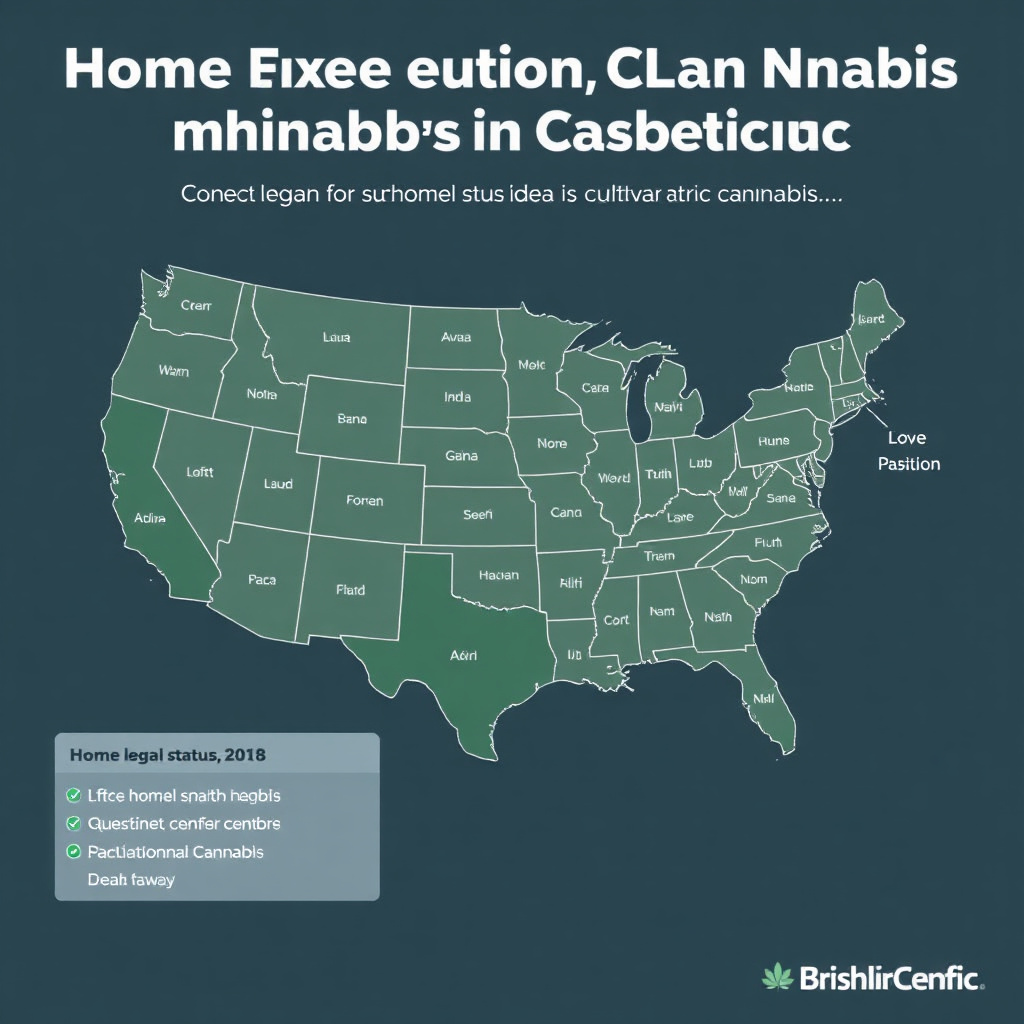
At the federal level, cannabis remains classified as a Schedule I controlled substance, making all cultivation illegal under federal law. However, various states have enacted their own laws legalizing cannabis for medical and/or recreational use, including provisions for home growing. This creates a conflict where state-legal growth may technically violate federal law, though federal enforcement generally targets large-scale operations.
For home growers, the primary concern is often state and local regulations rather than federal enforcement. States with legalized cannabis typically specify plant limits, age requirements, and security measures for growing cannabis at home, aiming to restrict unauthorized distribution and protect public safety.
State-by-State Differences in Home Cultivation
States like California, Oregon, and Colorado have comparatively permissive laws allowing adults to grow a limited number of cannabis plants at home for personal use. Others, including some medical-only states, permit growing exclusively for qualified patients with specific restrictions.
Meanwhile, many states still prohibit any form of home cultivation or allow it only in very narrow circumstances. Understanding your state's specific statutes on how many plants are allowed, where they can be grown, and who may cultivate is essential before starting any home-growing project.
- Number of plants allowed varies from 2 to 12 or more
- Medical patients often have higher or separate limits
- Outdoor vs. indoor cultivation rules differ widely
Typical Restrictions on Home Growing
Plant Quantity and Age Limits
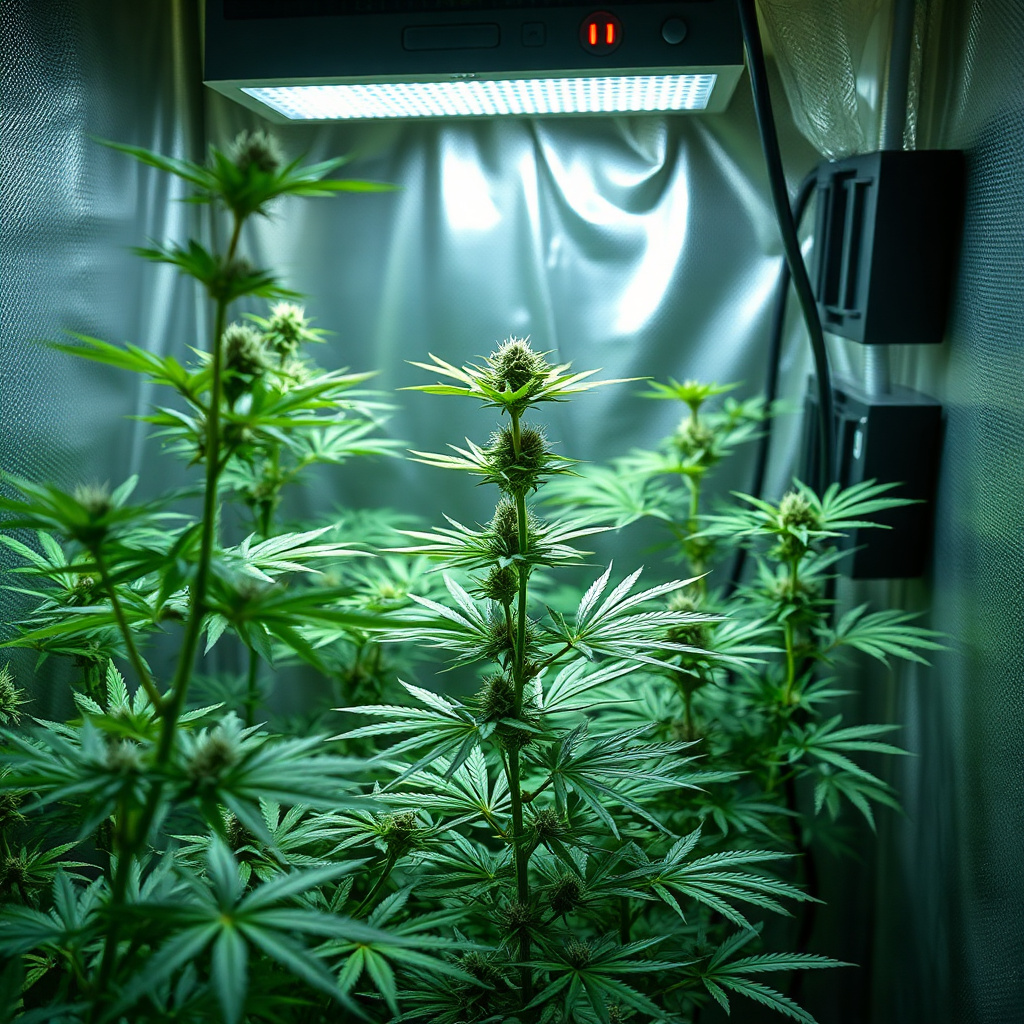
Most states limit the number of cannabis plants an individual can cultivate at home, generally ranging from 2 to 12 plants. These limits often differ between recreational and medical growers, with patient limits typically higher. Additionally, only adults over a certain age—usually 21 or older—are permitted to grow.
Exceeding plant limits or involving minors in cultivation activities can lead to legal penalties, including fines and criminal charges. Strictly adhering to these limits helps ensure you remain within the boundaries of the law.
- Recreational growers usually limited to 4-6 plants
- Medical patients may cultivate 6-12 or more plants
- Minimum grower age usually 21 years
For more on this, see our related guide: Are Cannabis Seeds Legal in the USA? Understanding the Legal Landscape.
Location and Accessibility Requirements
Laws often require that cannabis plants be grown in a private, enclosed space out of public view. This might mean an indoor grow room, a locked greenhouse, or a fenced backyard area. The goal is to prevent public access, especially by minors, and avoid attracting unwanted attention.
Some jurisdictions specify that plants must be secured to prevent theft and may restrict outdoor growing entirely, while others allow it if concealed sufficiently. In all cases, regulatory compliance around where and how plants are grown remains a common legal condition.
Licensing and Registration for Home Cultivation
When Licenses Are Required
While many states allow limited home cannabis cultivation without requiring a license, some jurisdictions mandate registration or licensing for growers, especially those cultivating for medical purposes. Obtaining a license generally involves submitting an application, paying fees, and agreeing to inspections or other regulatory oversight.
Licenses can provide legal protection to patients and caregivers who cultivate larger quantities but also impose ongoing compliance responsibilities. It’s essential to verify if your local regulations require such formal approval even for small-scale home grows.
Benefits and Drawbacks of Licensing
Registering or licensing a home cannabis grow operation can offer peace of mind through lawful recognition and a degree of legal protection. It also grants access to higher plant limits and safety resources in some states, particularly for medical patients.
However, the licensing process can be time-consuming and may require submitting personal information that some growers might prefer to keep private. Understanding the legal trade-offs is key when deciding whether to pursue formal registration.
Risks and Penalties of Illegal Home Cultivation
Criminal Charges and Fines
Growing cannabis at home where it remains illegal can result in criminal prosecution, including misdemeanor or felony charges depending on the number of plants and local laws. Penalties range from fines and community service to imprisonment.
Even in states with some legalized growing, violating limits or ignoring licensing requirements can attract penalties. Understanding and respecting these limits is vital to avoid costly legal trouble.
For more on this, see our related guide: Cannabis Cultivation Laws by State: What You Need to Know in 2024.
Impact on Housing and Employment
Engaging in illegal home cannabis cultivation can affect your housing situation if you live in leased properties where cannabis is prohibited. Landlords may evict tenants or terminate leases based on violations.
Additionally, criminal records related to illegal cultivation can impact employment prospects, professional licenses, and background checks. Maintaining compliance helps reduce these risks.
Navigating Changing Legal Landscapes
Monitoring Updates in Your Area
Cannabis laws continue evolving rapidly, with states frequently updating cultivation allowances and regulations. Staying informed through official state websites, local government announcements, and trusted news sources ensures you don’t unknowingly break new rules.
Joining local grower groups or forums can also provide insights into practical compliance tips and recent legal developments, helping you adapt as regulations shift.
For a detailed overview of cannabis cultivation laws by state, you can consult this comprehensive resource. Cannabis cultivation laws by state.
Seeking Legal Advice When Needed
If you’re uncertain about the legality of growing cannabis at home in your jurisdiction, consulting a qualified attorney familiar with cannabis law is wise. Legal professionals can clarify complex statutes, interpret local ordinances, and guide you through licensing or defense strategies if needed.
Proactively seeking advice helps protect your interests and avoids costly mistakes in navigating home cannabis cultivation laws.
Home Cannabis Cultivation Laws Category Comparison
Here’s a comparison of key home cultivation rules across several representative states with varying legal statuses.
| State | Legal Status | Max Plants Allowed | Outdoor Growing Allowed | Licensing Required |
|---|---|---|---|---|
| California | Adult-use legal | 6 per adult, max 12 per residence | Yes with privacy | No for home growers |
| Colorado | Adult-use legal | 6 per person, max 12 per residence | Yes with restrictions | No for limited home grows |
| Oregon | Adult-use legal | 4 per person, max 8 per residence | Yes with privacy | No |
| New York | Adult-use legal with regulations | 6 per person, max 12 per residence | Yes | No |
| Texas | Illegal for recreational | 0 | No | N/A |
| Florida | Medical only | Up to 6 for qualified patients | Limited or none | Yes for medical patients |
Frequently Asked Questions
Can I grow cannabis at home if I only use it medically?
In many states with medical cannabis programs, qualified patients are allowed to grow a limited number of plants at home, usually more than recreational users. However, they often need to register with the state and adhere to strict rules.
What happens if I exceed the legal plant limit at home?
Exceeding legal plant limits can lead to fines, confiscation of plants, and potentially criminal charges depending on your jurisdiction. Staying within limits is critical to remaining compliant with home cannabis cultivation laws.
Is outdoor cannabis cultivation allowed everywhere it’s legal?
No. Many states require plants to be grown out of public view, and some prohibit outdoor growing altogether or allow it only under specific conditions to prevent public exposure and theft.
Do I need a license to grow cannabis at home for personal use?
In most states, adults growing cannabis at home for personal use do not need a license. However, medical growers often must register or obtain a license, and some localities may have additional requirements.
Can federal law affect my home cannabis grow if it’s legal in my state?
Technically, federal law prohibits any cannabis cultivation, but federal enforcement prioritizes large illegal operations. Still, federally funded landlords or employers may impose restrictions, so risks remain.
Key Takeaways
- Home cannabis cultivation legality varies widely by state and locality.
- Most states limit the number of plants and require adults 21+ to grow.
- Licensing is usually necessary only for medical growers or larger operations.
- Illegal cultivation risks include fines, criminal charges, and housing issues.
Conclusion
Deciding whether you can legally grow cannabis at home requires careful examination of state and local laws, since these regulations differ dramatically from place to place. Understanding your region’s specific plant limits, location restrictions, and licensing requirements forms the foundation of responsible home cannabis cultivation. Being informed helps you avoid legal penalties and grow safely within the law.
For adults in states like California, Colorado, and Oregon, cultivating cannabis at home within set plant limits is generally permitted without a formal license, offering freedom to grow for personal enjoyment. Medical patients in states such as Florida or New York often have broader allowances but may need to register. If you live in areas where any cultivation remains illegal, the risks of growing at home may outweigh the benefits. Assess your situation carefully before proceeding.
If you’re considering home cannabis cultivation, start by researching your state’s laws on plant quantity and location restrictions. For medical cultivation, find out about registration processes and compliance rules. Where laws are unclear or restrictive, consulting an attorney or local regulatory agency can provide clarity. Taking these steps ensures you remain informed and lawful as you explore cannabis cultivation at home.