What Is Plant Training and How Can It Boost Your Garden’s Growth?
Plant training is the practice of manipulating and guiding the growth patterns of plants to improve their structure, increase yields, and optimize space. By bending, tying, pruning, or supporting plants strategically, gardeners encourage healthier development and better light exposure.
This technique matters because it helps manage plant size, shape, and airflow, reducing risks of disease and making maintenance easier. Training plants can be especially valuable in limited spaces or indoor gardens where maximizing growth potential is key.
In this article, we’ll explain various plant training methods, how to apply them effectively, and the benefits each brings. You’ll also find comparisons between popular techniques, tips tailored to different plant types, and answers to common questions about plant training.
Understanding the Basics of Plant Training
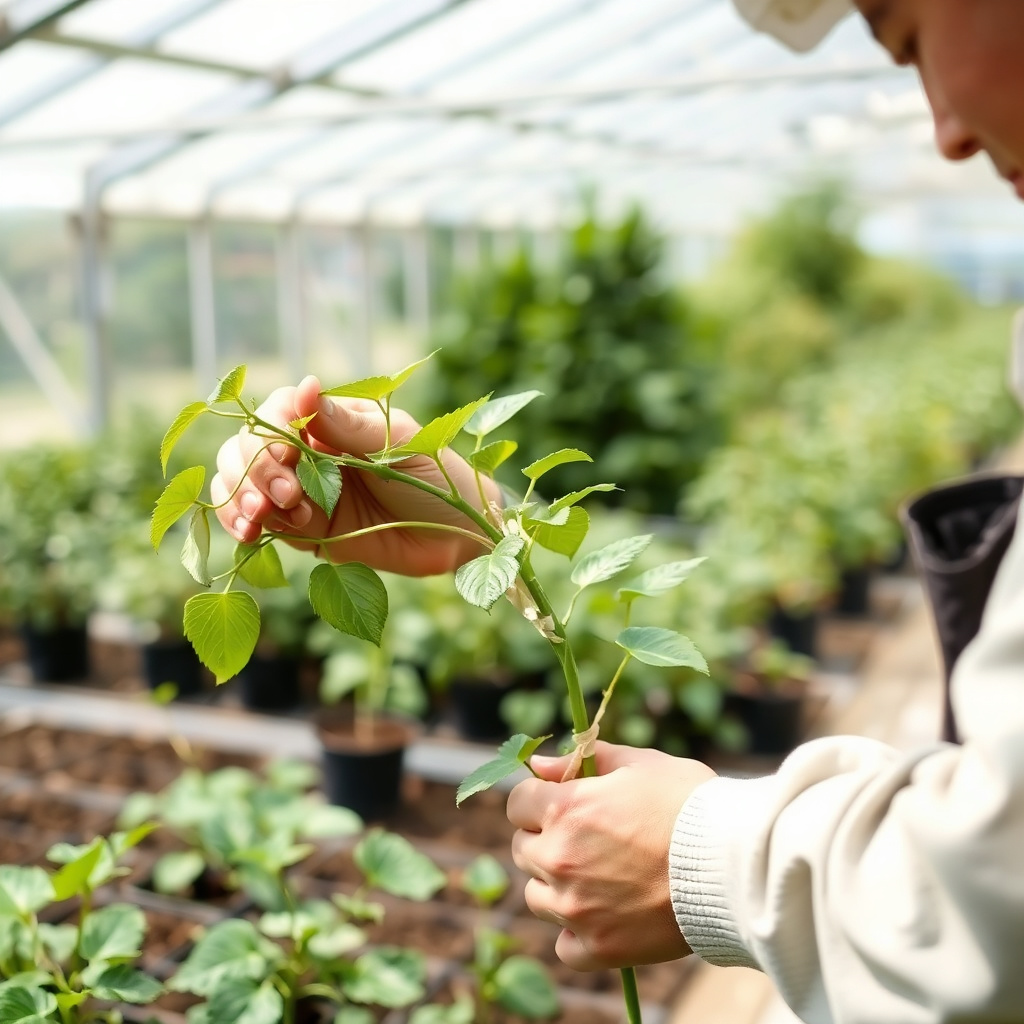
What Is Plant Training Exactly?
Plant training involves guiding the physical growth of plants to achieve desired shapes and structures. Techniques include bending branches, tying stems, and selective pruning to control where and how the plant grows.
The goal is to promote healthier, more manageable growth patterns that improve air circulation, light penetration, and ultimately boost productivity or aesthetic form.
Why Gardeners Use Plant Training
Gardeners train plants to maximize space and increase yields, especially in small gardens or indoor setups. Additionally, training can reduce plant stress by preventing overcrowding and airflow issues.
It also helps control plant size, making maintenance tasks such as watering, harvesting, and pest management easier and more efficient.
Common Plant Training Techniques
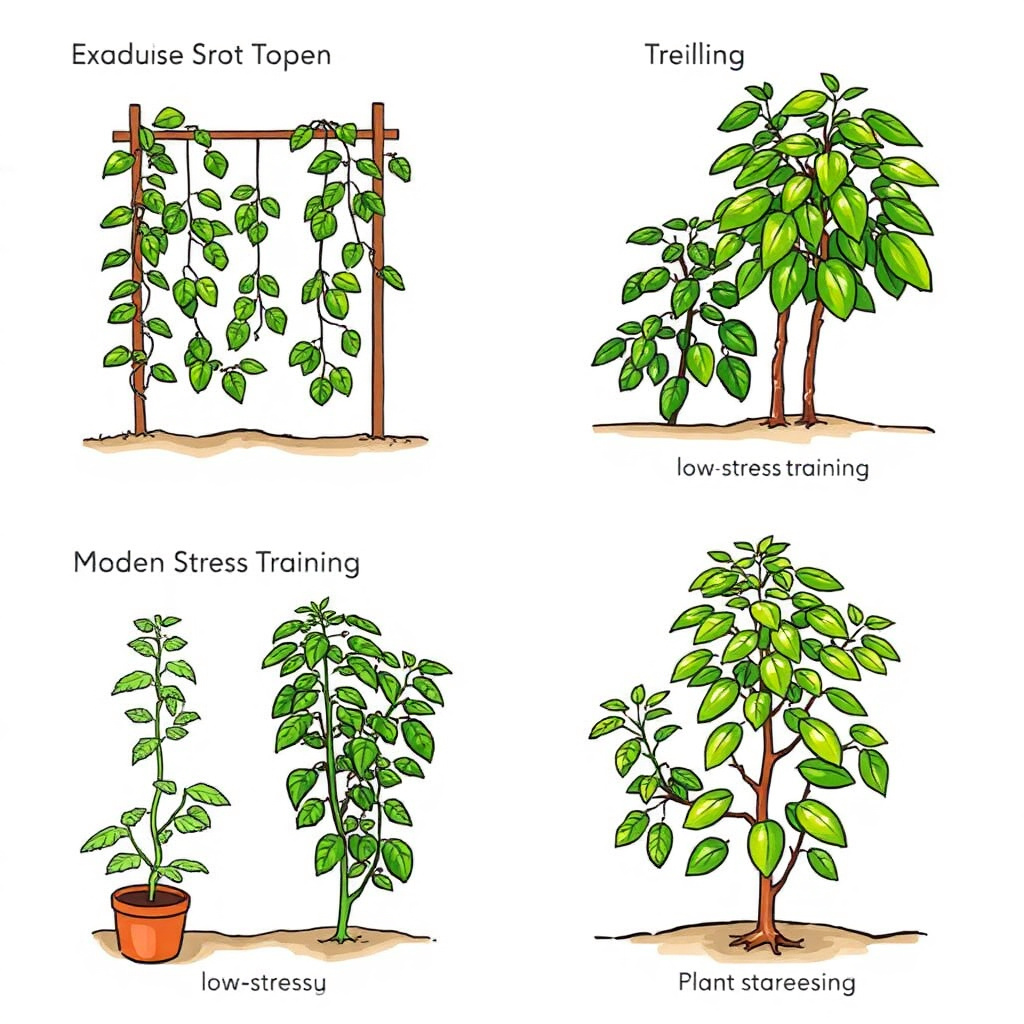
Low-Stress Training (LST)
Low-Stress Training gently bends and ties down plant stems to encourage horizontal growth. It avoids cutting or major damage, making it ideal for maintaining plant health.
This method increases light exposure on multiple branches, stimulating more uniform growth and maximizing flowering or fruiting sites.
- Bend stems carefully without snapping
- Use soft ties or garden wire
- Apply early in growth phase
High-Stress Training (HST)
High-Stress Training involves pruning or topping plants by cutting off dominant growth tips, forcing the plant to develop bushier structures.
While more intense, HST can increase branch numbers and improve yields but requires careful timing and plant recovery monitoring.
- Topping removes main shoot tips
- Fimming trims partial growth tips
- Allow plants to recover before further training
Tools and Materials for Effective Plant Training
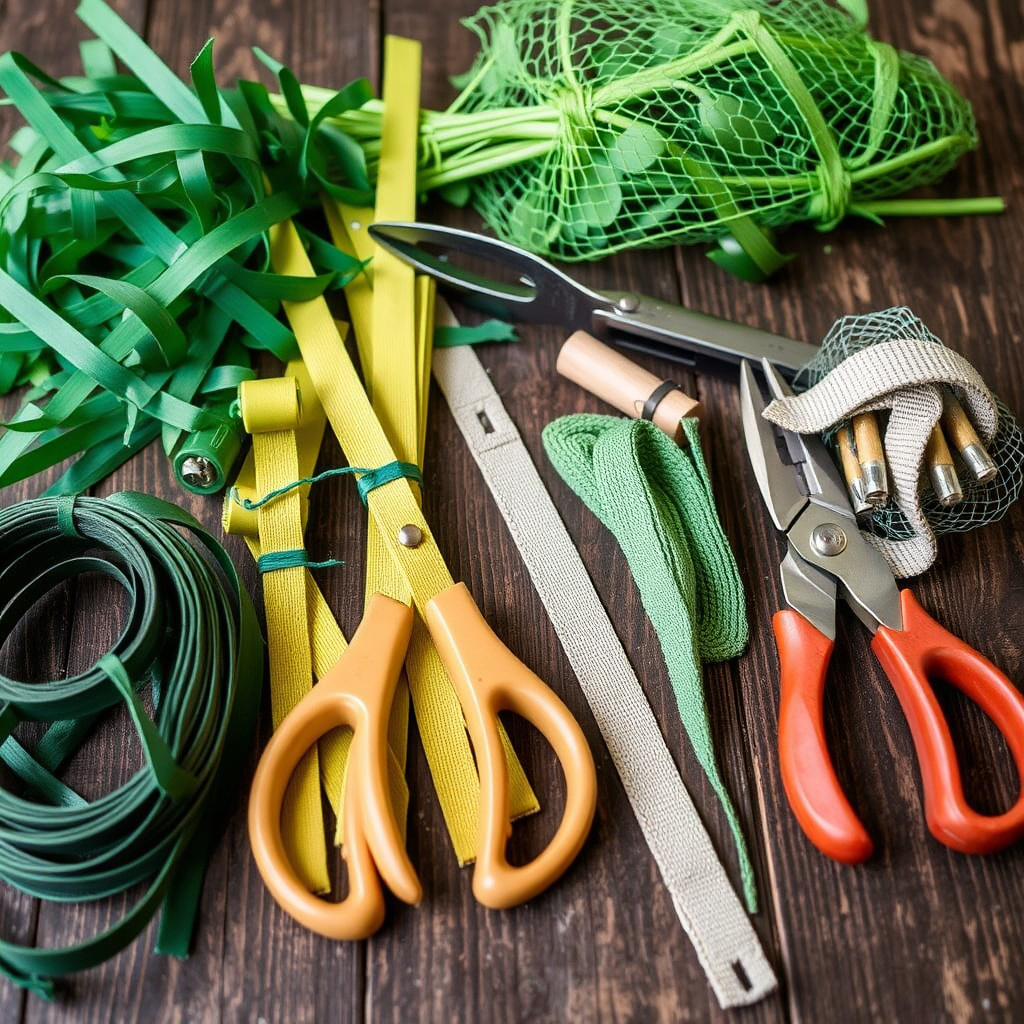
Essential Tools for Plant Training
Basic tools include soft plant ties, pruning shears, scissors, and supports like stakes or trellis netting. Soft ties prevent stem damage while securing branches in trained positions.
Good quality pruning tools ensure clean cuts, reducing infection risks and promoting faster healing in high-stress training techniques.
- Soft garden ties or string
- Sharp pruning shears
- Treillis nets or plant stakes
For more on this, see our related guide: Understanding Cannabis Plant Growth Stages: A Complete Guide.
Choosing the Right Materials for Your Plants
Select training materials that match your plant type and growth pattern; for instance, heavier vines benefit from sturdy trellises, while delicate stems may need gentle soft ties.
Reusable materials can be cost-effective and environmentally friendly, but ensure cleanliness to avoid spreading pests or diseases.
Benefits of Applying Plant Training in Your Garden
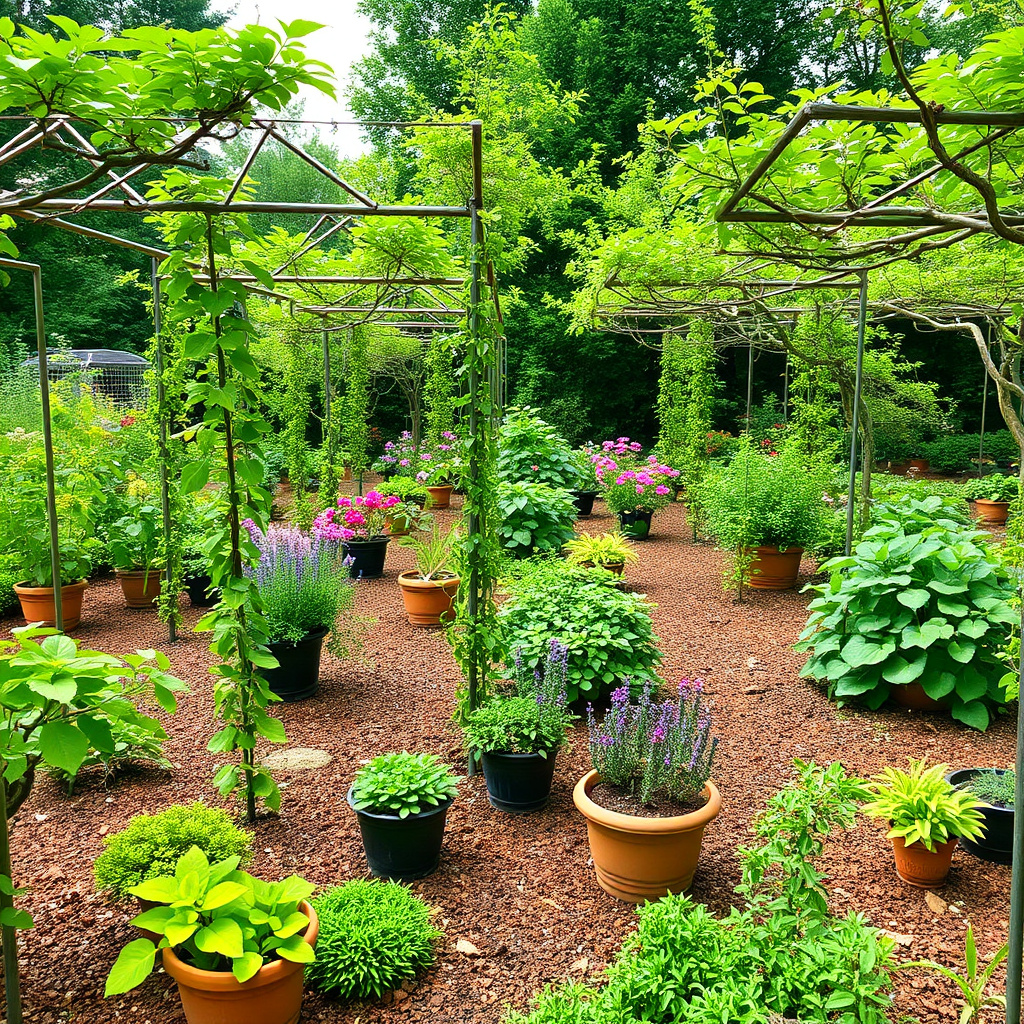
Improved Plant Health and Growth
Training plants enhances air circulation around the foliage, reducing humidity build-up that can foster mold or mildew.
Better light distribution across all parts of the plant accelerates photosynthesis, resulting in stronger stems and more abundant blooms or fruits.
Better Space and Yield Management
By directing growth, gardeners can optimize limited space efficiently, enabling more plants to share a given area without competing heavily.
The practice often leads to higher yields as trained plants produce more harvestable parts due to balanced branch development.
Plant Training Techniques for Specific Plant Types
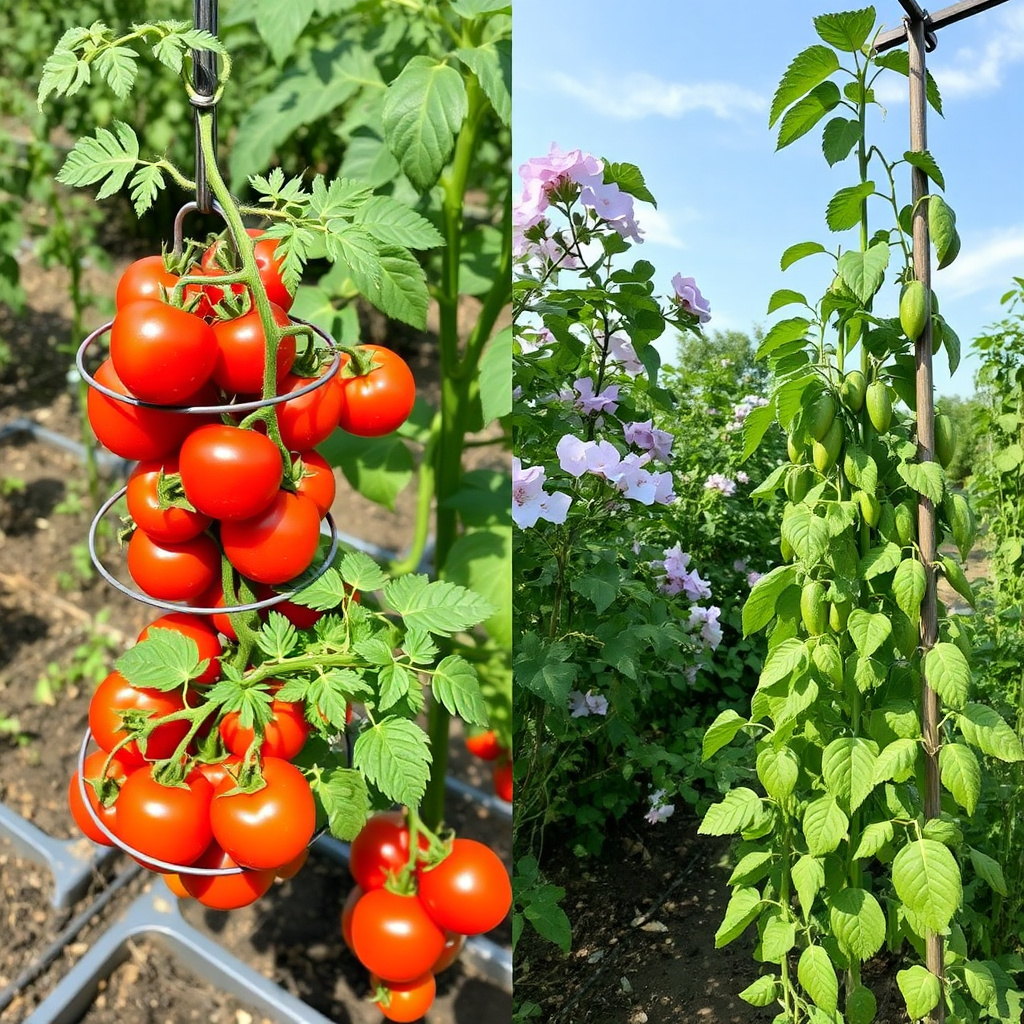
Training Vegetables Like Tomatoes and Peppers
Tomatoes and peppers respond well to staking and trellising, which prevent sprawling and help keep fruits off the ground, reducing rot.
Topping and low-stress training encourage bushier plants with more fruiting sites while improving airflow and accessibility.
For more on this, see our related guide: 7 Simple Steps to Plant Watermelon Seeds Successfully.
Training Flowering Plants and Vines
Flowering vines benefit from trellises or arbors that guide their natural climbing tendencies, creating attractive vertical displays.
Pruning and shaping flowering shrubs also focuses energy on blooms rather than overly vigorous foliage growth.
Avoiding Common Mistakes in Plant Training
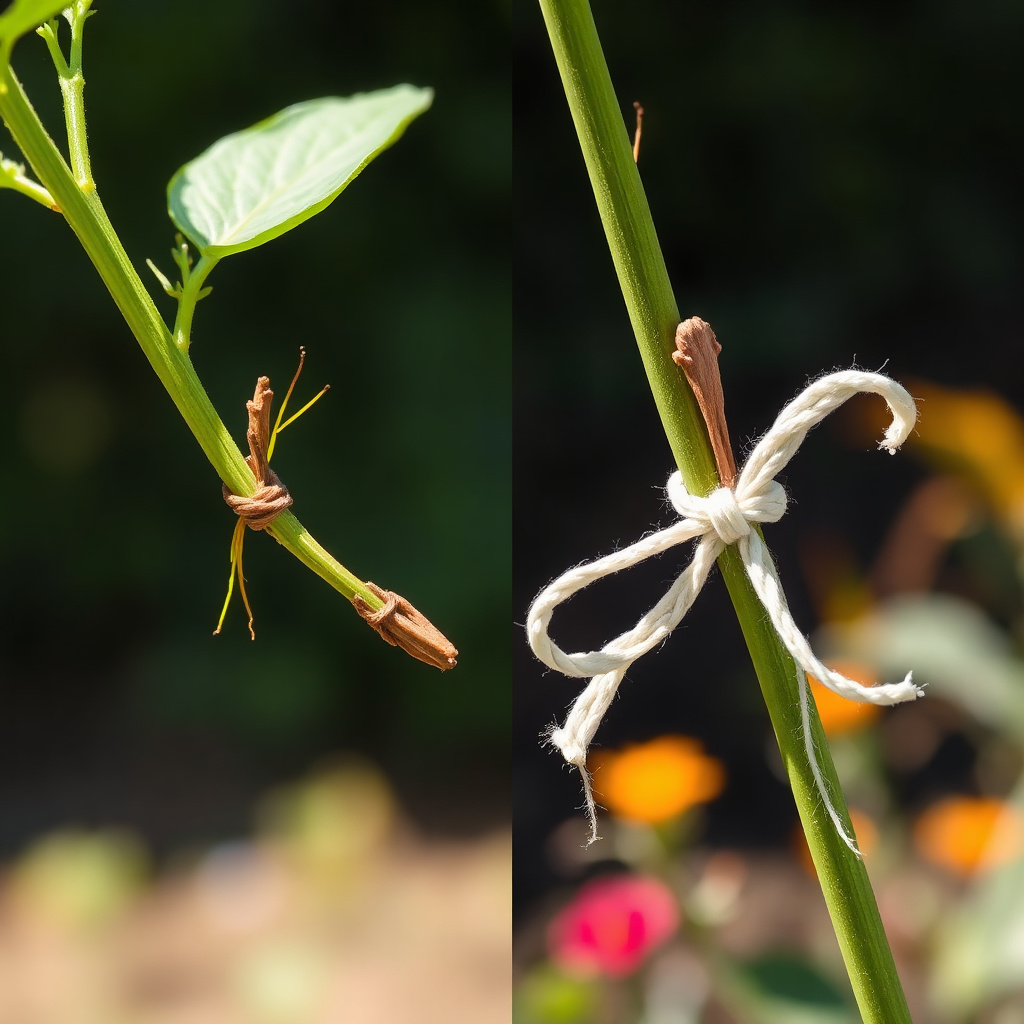
Handling Plants Too Roughly
Exerting too much force when bending can break or stress stems, leading to infection or stunted growth.
Always support branches gently and attach ties loosely enough to allow growth without constriction.
- Use soft, flexible materials
- Avoid snapping branches when bending
For further detailed reading on various plant training techniques, you can visit the plant training techniques on Wikipedia. plant training techniques on Wikipedia.
Training at the Wrong Growth Stage
Starting training too late may stress mature plants and reduce recovery, while too early can result in weak, underdeveloped branches.
Timing training to young plants during active growth phases yields the best results.
Common Plant Training Methods Category Comparison
This table compares popular plant training methods across key factors like difficulty, effect on yield, and suitability for plant types.
| Training Method | Difficulty Level | Impact on Yield | Best For | Risk Level |
|---|---|---|---|---|
| Low-Stress Training (LST) | Easy | Moderate Increase | Small, flexible plants | Low |
| High-Stress Training (HST) | Moderate | High Increase | Bushy vegetables and flowers | Moderate |
| Trellising | Moderate | Improves Space Usage | Climbing vines, tomatoes | Low |
| Pruning | Moderate | Variable | Shrubs and fruit trees | Low to Moderate |
| Top Training | Moderate | High Increase | Herbaceous plants | Moderate |
Frequently Asked Questions
Can plant training harm my plants?
When done carefully, plant training is safe, but excessive force or poor timing can damage stems and reduce growth. Use gentle bends and appropriate tools to minimize risks.
How often should I train my plants?
Frequency depends on plant growth rates. Generally, check plants weekly during active growth, adjusting ties or pruning as needed to maintain desired shape.
Is plant training suitable for all types of plants?
Most plants benefit from some training, though techniques vary. Climbing plants, vegetables, and shrubs respond well, while very delicate or slow-growing plants may need gentler methods.
Do I need special tools to start plant training?
Basic gardening tools like soft ties, pruning shears, and stakes are usually sufficient. More advanced supports can help with larger or climbing plants.
When is the best time to begin plant training?
Start training early in the plant’s growth phase after seedlings develop a few sets of leaves, ensuring stems are flexible and resilient to shaping.
Key Takeaways
- Plant training guides growth to improve health and maximize yields.
- Low-Stress and High-Stress Training are common techniques with different intensities.
- Using proper tools and timing can prevent damage during training.
- Training methods vary by plant type, enhancing space efficiency and productivity.
Conclusion
Approaching plant training requires understanding your plants’ growth habits and choosing methods that suit their needs and your gardening goals. Whether enhancing air circulation or managing size, training influences overall plant vitality and output. Tailoring techniques—such as low-stress training for delicate plants or topping for bushier growth—lets you cultivate healthier, more productive gardens.
For gardeners interested in maximizing space and yield, low-stress training stands out as an accessible method that encourages even growth without risking damage. Meanwhile, high-stress training methods like topping can dramatically increase branching for fruiting plants if managed carefully. Trellises and pruning are excellent for vines or shrubs. Deciding among these techniques depends on your specific crops and the garden environment.
If you’re ready to improve your garden’s performance, begin by selecting a simple training method like low-stress training and practice on a few plants. Observe how they respond and adjust technique accordingly. Over time, integrating plant training into your routine can yield significant benefits in plant health, space use, and harvest quality.