How to Choose Seeds for a Small Space Garden
Choosing seeds for a small space garden requires focusing on compact, high-yield, and fast-growing varieties that thrive in limited areas like containers, balconies, or tiny plots. Prioritize plants that fit your space both physically and in terms of care needs to make the most of your gardening spot.
Gardening in small spaces means adapting to limitations such as sunlight, soil volume, and airflow. Selecting the right seeds from the start can turn these constraints into opportunities by maximizing productivity without overcrowding or wasting resources.
This article will explore seed options suitable for small spaces, factors that influence seed choice, container gardening considerations, vertical growing techniques, and how to plan your garden layout effectively to succeed in your mini garden adventure.
Understanding Seed Types Ideal for Small Space Gardens
Compact and Dwarf Varieties
Compact and dwarf seed varieties are bred to grow smaller plants that require less space but still produce abundant fruit or foliage. These types often have shorter stems and bushier growth habits, ideal for container gardening or small raised beds.
Examples include dwarf tomatoes, bush beans, and miniature peppers. Choosing these seeds allows gardeners to cultivate multiple plants in limited spaces while maintaining ease of harvest and plant management.
- Dwarf tomatoes
- Bush beans
- Miniature peppers
- Compact lettuce varieties
Fast-Growing Seeds
Fast-growing seeds help gardeners get quick results from a small area, enabling multiple crop cycles throughout the growing season. These include leafy greens and radishes, which often mature in less than 40 days.
The speed of growth helps optimize the use of small space by allowing sequential planting, increasing yield per square foot, especially valuable for short growing seasons.
- Leafy greens (spinach, arugula)
- Radishes
- Baby carrots
- Microgreens
Key Factors to Consider When Choosing Seeds for a Small Space
Assessing Sunlight and Climate Needs
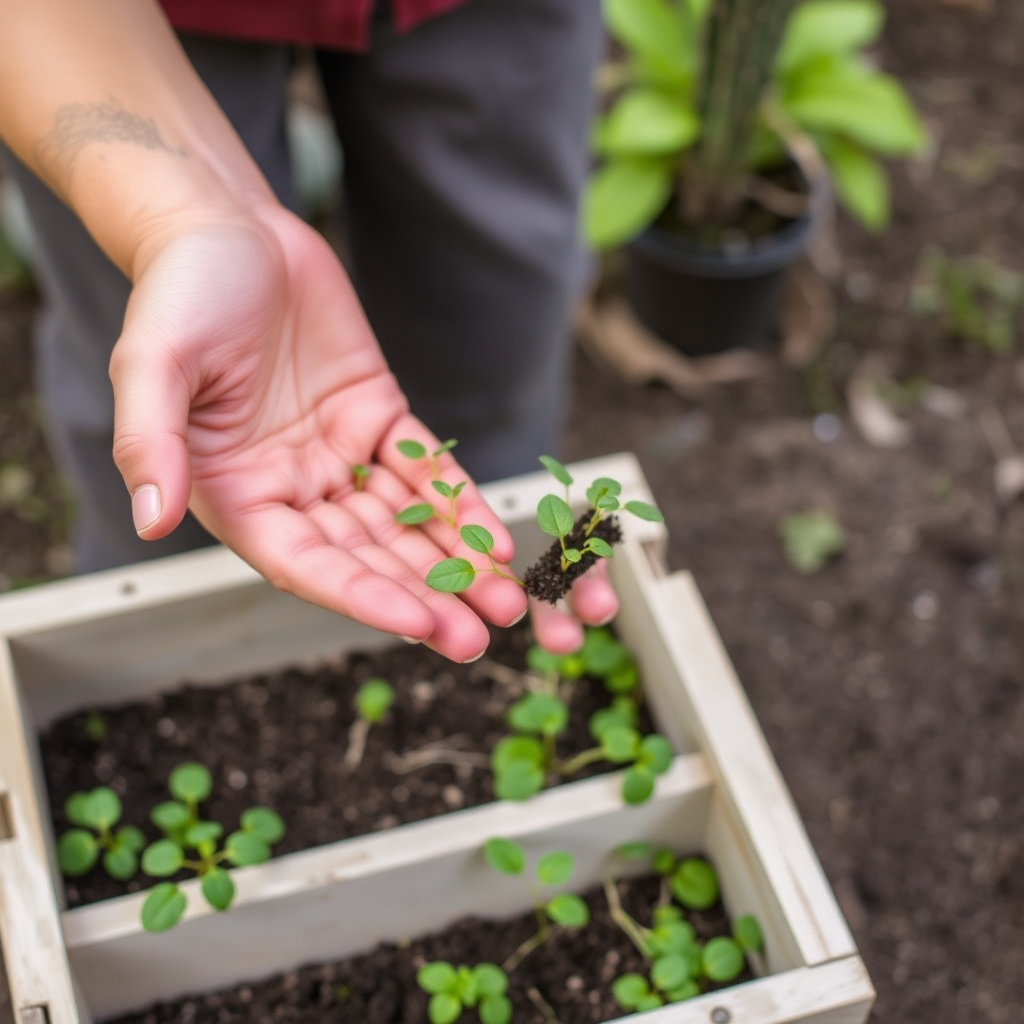
Sunlight availability in your small space heavily influences seed choice. Some plants require full sun (6-8 hours), while others tolerate partial shade. Selecting seeds adapted to your light conditions ensures better germination and healthy growth.
Microclimate variations like wind exposure or temperature fluctuations also matter. Choose hardy seed varieties or those suited to your region’s climate to maximize plant survival and output.
Understanding Growth Habits and Space Requirements
Different plants have varying horizontal and vertical growth patterns. For small spaces, prefer seeds that produce upright or trailing plants which fit well in containers or vertical setups.
Avoid sprawling vines or deep-rooted plants unless you have the right supports or deep soil beds. Checking seed packet information on plant size and spacing helps plan an efficient garden layout.
Container Gardening and Soil Preparation Tips
Selecting the Right Containers for Your Seeds
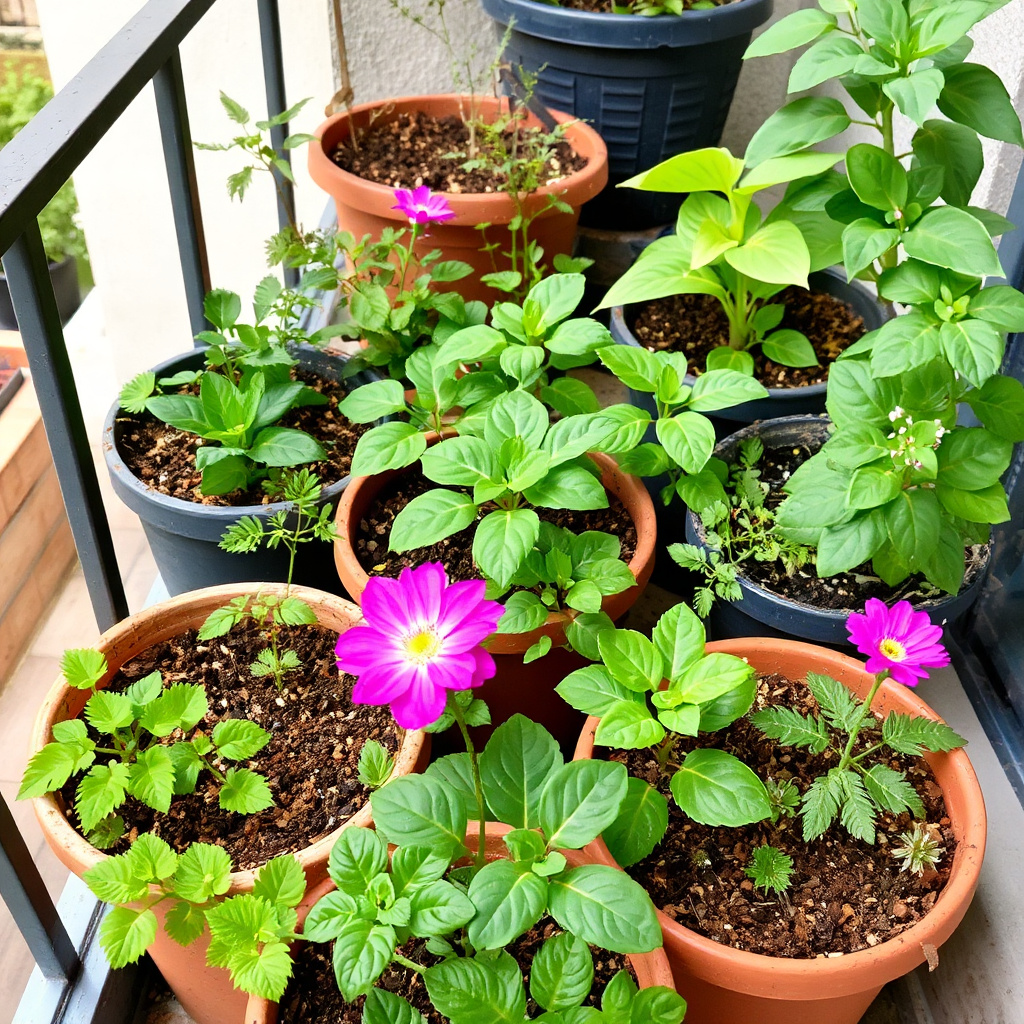
Container size and type influence which seeds will thrive. Some seeds need deeper containers for their roots (like carrots), while others do fine in shallow pots (such as herbs). Drainage is critical to prevent root rot and poor growth.
Material matters too: fabric pots promote air pruning, while ceramic containers retain moisture longer. Match your seed choice to container characteristics for healthy plants.
- Deep pots for root vegetables
- Shallow containers for herbs
- Containers with drainage holes
- Lightweight materials for balconies
For more on this, see our related guide: How to Choose Cannabis Strains for Your Perfect Experience.
Preparing Nutrient-Rich Soil Mixes
Small space gardens require soil that supports dense planting. Use a mix rich in organic matter with balanced nutrients to sustain healthy plants from seed to maturity.
A blend of compost, peat moss or coconut coir, and perlite creates a lightweight, nutrient-loaded growing medium with good drainage, critical for container gardening success.
Techniques for Maximizing Small Space Gardening with Seeds
Vertical Gardening and Trellising Options
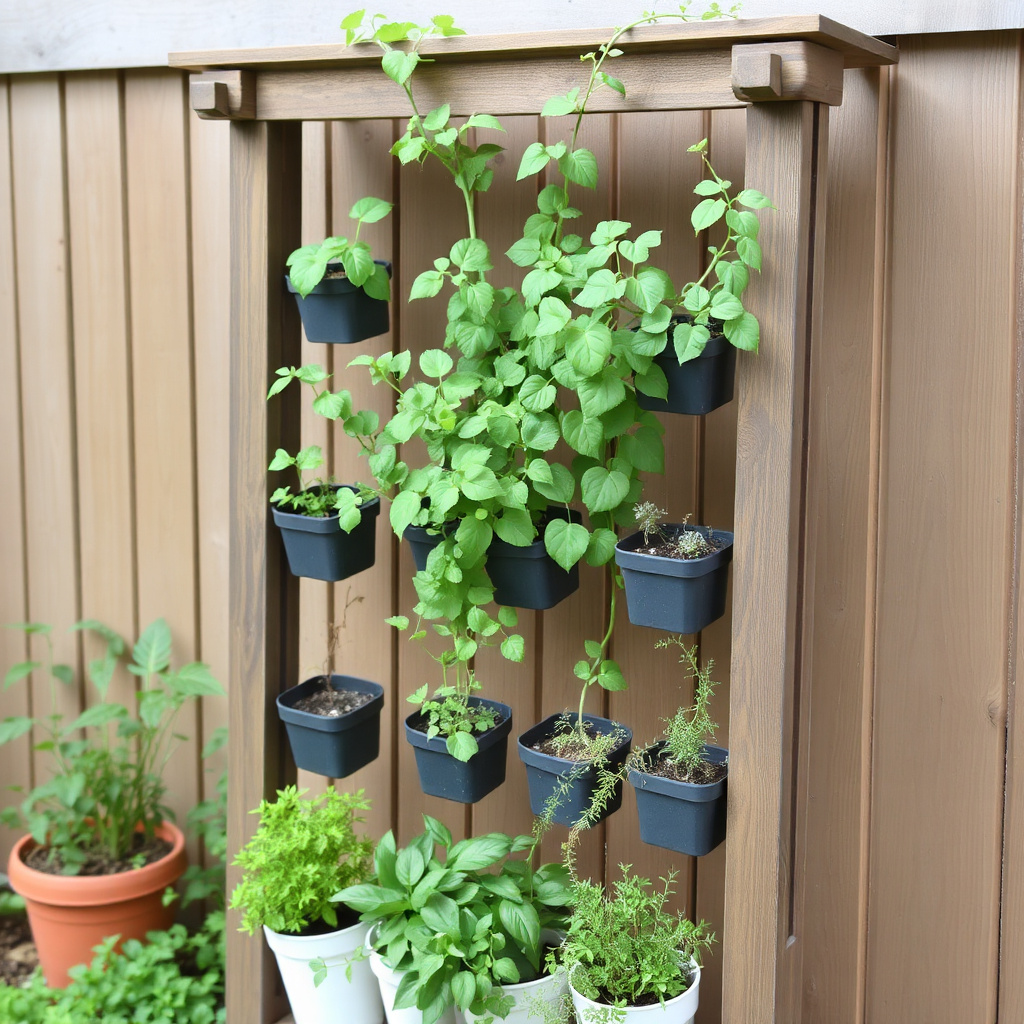
Using vertical space through trellises, towers, or hanging planters allows the cultivation of vining or climbing plants from seeds like peas and cucumbers, freeing up floor space.
Select seeds suited to vertical growing and provide sturdy support structures early. This approach increases yield in tight spaces while improving airflow and sunlight exposure for plants.
- Trellises for peas and beans
- Hanging pots for strawberries
- Stacked planters for herbs
- Wall-mounted planter boxes
Succession and Intercropping Strategies
Planting quick-maturing seeds in succession ensures continuous harvest without overcrowding. Following a fast-growing salad green with a slow-maturing tomato is an example.
Intercropping seeds with differing growth habits—like lettuce under taller peppers—enables better space use and biodiversity, often improving pest resistance and soil health.
Planning and Organizing Your Small Space Seed Garden
Mapping Out Your Garden Space and Seed Placement
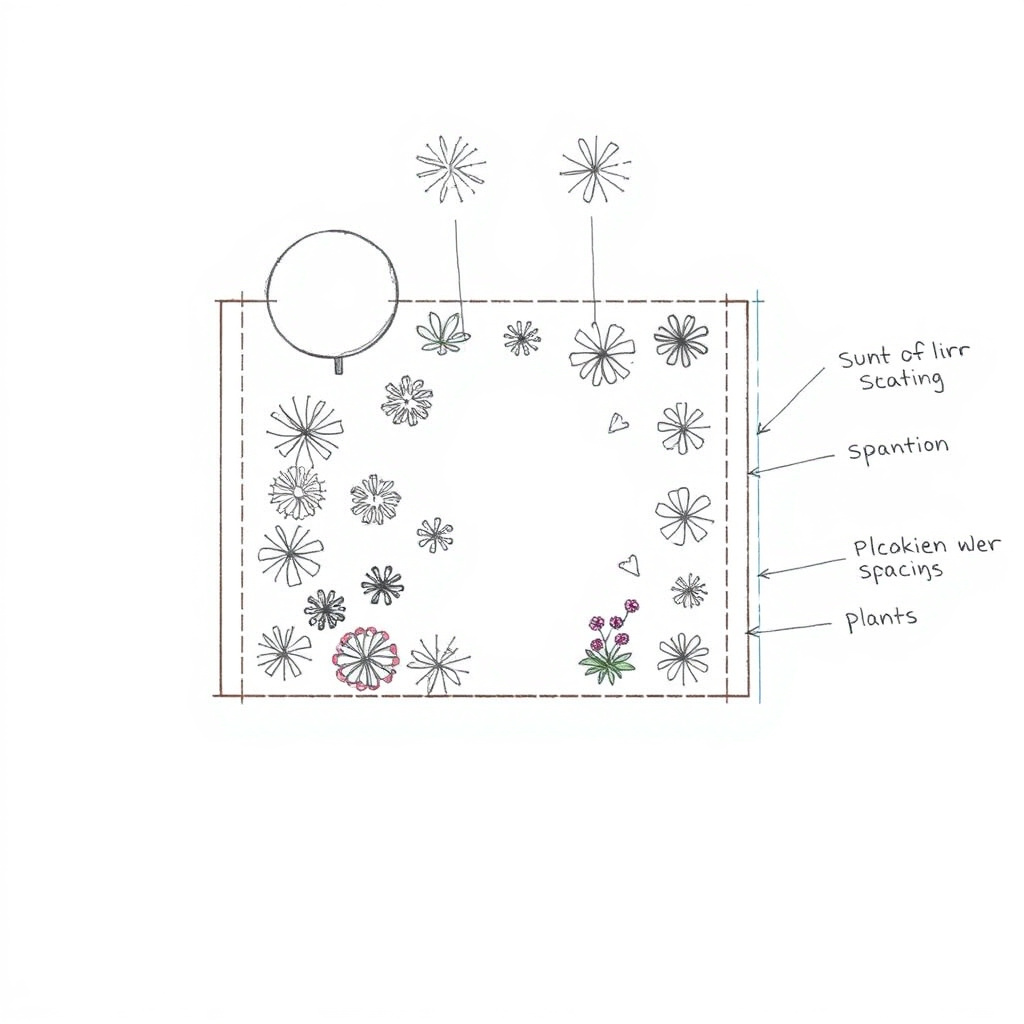
Drawing a scaled map of your garden space helps visualize where each seed variety will go based on sunlight, container size, and growth habit. Use seed packet instructions as guides for spacing and depth.
Allocating space in layers—ground-level, mid-height, and vertical—optimizes planting density and reduces competition between plants, promoting healthier growth across your small garden.
For more on this, see our related guide: How to Choose Fast Flowering Cannabis Seeds for Quick Harvests.
Maintaining Seed Viability and Storage
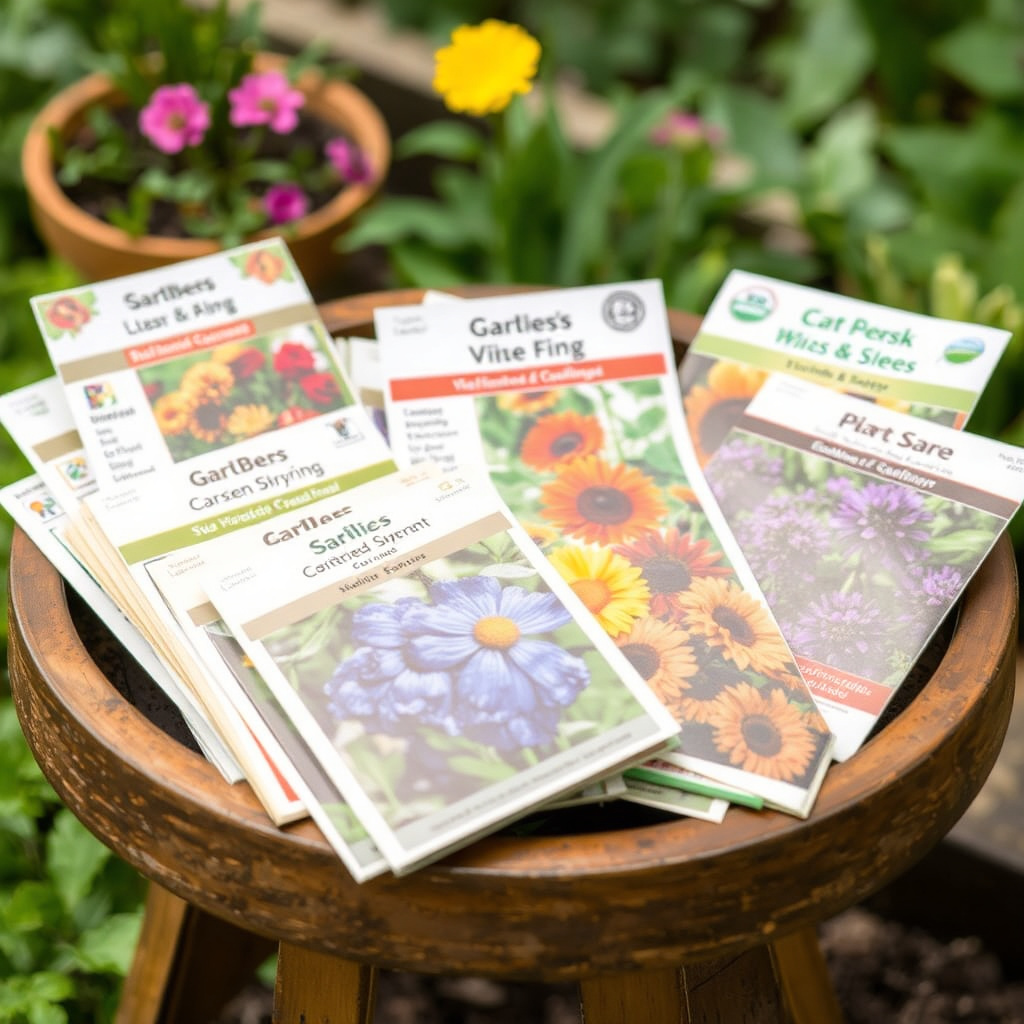
Storing seeds properly extends their viability for future plantings. Use airtight containers in a cool, dry, dark place to avoid moisture and heat damage.
Label seed packets with purchase dates and notes on germination rates to track seed freshness and select the best batches when planting in your small space.
- Airtight glass jars or plastic containers
- Cool, dark storage area
- Labeling with dates
- Avoiding humidity
Selecting Seeds for Common Small Space Garden Plants
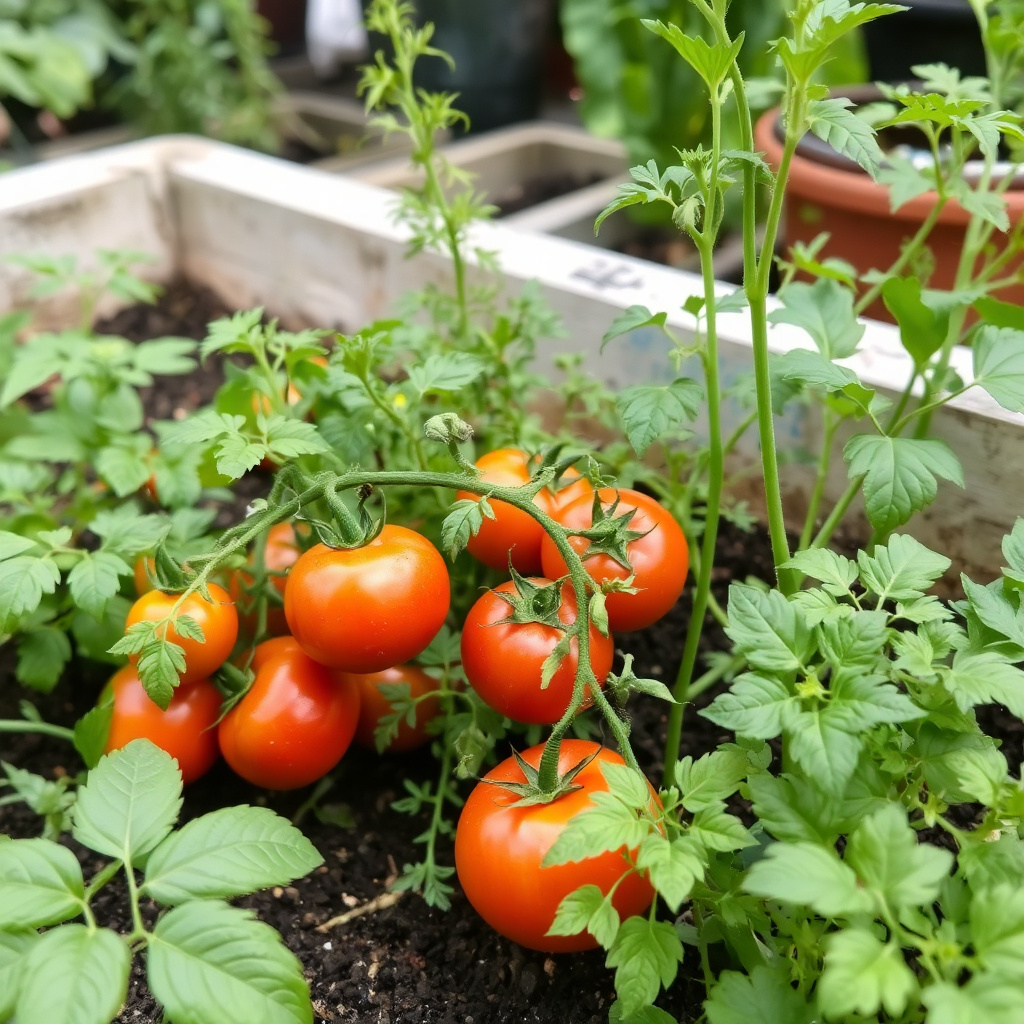
Seed Choices for Vegetables and Herbs
Popular choices for small spaces include cherry tomatoes, compact basil, lettuce varieties like butterhead, and radishes. These seeds mature quickly and fit well within containers or small plots.
Herbs such as parsley, chives, and oregano have manageable root sizes and can be harvested continuously, making their seeds excellent for container gardening.
For an in-depth look at container gardening techniques and small space cultivation, this resource offers valuable insights. Small space gardening strategies.
Flower and Companion Plant Seeds
Adding flowers like marigolds or nasturtiums from seeds can deter pests and attract pollinators to your small space. These plants usually take up little room yet provide big benefits.
Companion planting seeds should be chosen based on what vegetables you are growing, improving flavor or growth, which enhances the garden’s productivity as a whole.
Comparison of Seed Categories for Small Space Gardening
Here is a breakdown of seed types suitable for small space gardens and their key characteristics for quick decision-making.
| Seed Category | Average Maturity Time | Space Needs | Ideal Containers | Yield Potential |
|---|---|---|---|---|
| Dwarf Vegetables | 60-80 days | Low (compact growth) | 6-12 inch pots | Moderate to high |
| Fast-Growing Greens | 20-40 days | Very low (leafy, compact) | Shallow trays or pots | High with succession planting |
| Climbing/Vining Plants | 50-70 days | Vertical space | Trellised pots or towers | High |
| Herbs | 30-60 days | Very low | Small pots or window boxes | Continuous harvest |
| Root Vegetables | 50-80 days | Deep containers needed | Deep pots (8+ inches) | Moderate |
Frequently Asked Questions
Can I grow seeds for vegetables in very small containers?
Yes, many vegetable seeds like lettuce, radishes, and dwarf tomatoes can grow well in small containers, as long as the soil is nutrient-rich and containers have good drainage.
What are the best seeds for a balcony garden with limited sunlight?
Choose shade-tolerant seeds like leafy greens (spinach, arugula) and herbs (mint, parsley) that thrive in partial shade and require less direct sunlight.
How often should I plant seeds to keep a small space garden productive?
Succession planting every 2-3 weeks with fast-growing seeds like salad greens enables continuous harvest and efficient use of your small garden space.
Are heirloom seeds suitable for small space gardens?
Heirloom seeds can be suitable if they include compact or dwarf varieties. Always check plant size and growth habits before choosing seeds for limited space.
How do I store seeds to keep them viable for small space gardening season after season?
Store seeds in airtight containers in a cool, dark, and dry place. Label packets with purchase dates to track freshness and discard old seeds that lose germination success.
Key Takeaways
- Choose compact or dwarf seed varieties for limited space.
- Consider sunlight and container size when selecting seeds.
- Use vertical gardening and succession planting to maximize yield.
- Store seeds properly to maintain viability for future seasons.
Conclusion
Selecting seeds for a small space garden revolves around understanding your available area’s conditions and opting for plants that fit well physically and horticulturally. Compact, fast-growing, and vertically inclined varieties adapt well to restricted spaces, allowing gardeners to extract the most value from limited soil and sunlight. Tailoring seed choice to the microclimate and container conditions helps maintain plant health and maximizes productivity, ensuring every inch of your garden contributes to a fruitful harvest.
For those focusing on quick results and frequent harvests, fast-growing leafy greens and dwarf tomatoes are reliable choices. Container gardeners might prefer herbs and salad crops, while vertical gardening enthusiasts can explore peas or cucumbers that grow well with trellises. By planning your garden layout thoughtfully and considering factors like container type and soil quality, small space gardeners can enjoy a diverse and abundant garden despite spatial constraints.
To begin, assess your light exposure and available space precisely, then pick seeds that align with those realities. Start small and expand in layers—using succession planting and vertical supports—to steadily increase your garden’s output. Keeping seeds fresh and well-stored guarantees a steady supply for each season, allowing your small space garden to thrive year after year consistently.