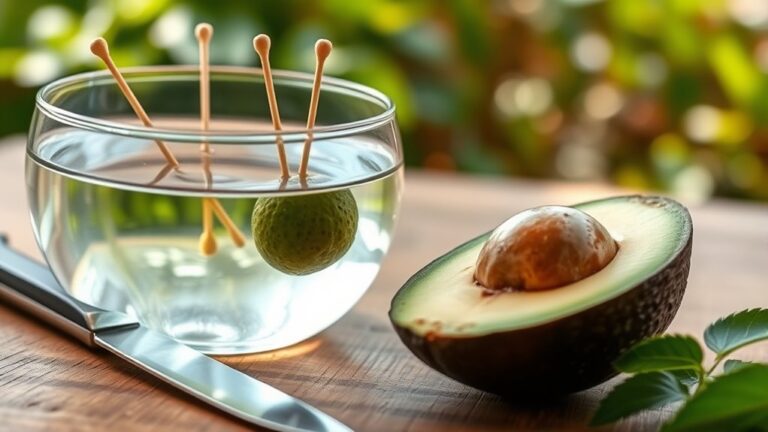
How to Germinate Hard Seeds: Effective Techniques for Successful Sprouting
Hard seeds often have tough outer seed coats that prevent water absorption, making germination slow or difficult. How to germinate hard seeds effectively involves using techniques that soften or crack these coats to allow moisture and air inside, encouraging the seed to sprout quickly. With the right approach, even the most stubborn seed varieties can sprout successfully.
Understanding how to germinate hard seeds matters because many plants, such as legumes, native wildflowers, and certain trees, produce seeds specifically designed to withstand harsh conditions. Their hard seed coats can delay germination for months or even years if left untreated. By applying the proper methods, gardeners and growers can speed up this process and improve overall seedling survival rates.
This article will explore proven ways on how to germinate hard seeds, including scarification and stratification techniques, soaking methods, temperature control, and suitable growing mediums. You’ll also find comparisons of common treatment options, FAQs on seed care, and practical advice to get your hard seeds growing with confidence.
Understanding Hard Seeds and Their Dormancy

What Makes a Seed 'Hard'?
Hard seeds possess a thick, impermeable seed coat that restricts water and gas exchange, which keeps the embryo dormant until conditions are right. This trait protects the seed from environmental hazards, such as drought or extreme temperatures.
Species like morning glories, tamarind, and many legumes have evolved this dormancy to survive long periods in the soil without germinating. The hard seed coat acts as a natural barrier to delay sprouting until physical or environmental triggers occur.
Types of Dormancy in Hard Seeds
Physical dormancy in hard seeds arises from the seed coat’s toughness, while physiological dormancy involves internal chemical inhibitors preventing germination. Some seeds have both types, requiring multiple treatment steps for sprouting.
Knowing whether a seed's dormancy is primarily physical or physiological helps determine the best germination approach. For hard seeds, scarification is key to breaking physical dormancy effectively.
Scarification Methods to Soften Seed Coats

Mechanical Scarification Techniques
Mechanical scarification involves physically weakening or abrading the seed coat to allow water penetration. Common methods include rubbing seeds with sandpaper, nicking with a knife, or cracking them gently with a hammer.
This method can be fast and effective but requires care to avoid damaging the embryo inside. Seeds should be handled carefully and scarified just enough to break the seed coat without harming internal tissues.
- Use fine-grit sandpaper to gently rub seed surfaces
- Make a small nick near the micropyle with a sharp blade
- Lightly crack the seed using a hammer on a hard surface
Thermal Scarification Techniques
Thermal or heat scarification exposes seeds to hot water or fluctuating temperatures to crack tough coats. Seeds may be soaked in water heated to 70-80°C for a brief time or passed through warm-cold cycles to simulate natural environmental triggers.
This approach is useful for species that experience natural wildfires or temperature shifts before germinating. Care should be taken to avoid overheating, which can kill the seeds.
- Soak seeds in hot (not boiling) water for 1 to 5 minutes
- Allow seeds to cool gradually to room temperature
- Repeat heating and cooling cycles if necessary
Stratification and Soaking for Germination Boost

Cold Stratification for Germination Stimulus
Cold stratification involves exposing seeds to moist, cold conditions (typically 1-5°C) for several weeks to mimic winter. This process breaks physiological dormancy and triggers germination once temperatures rise.
Many hard seeds, particularly from temperate zones, require this chilling period to germinate properly, ensuring seedlings emerge when environmental conditions are favorable.
- Place seeds in a moist medium like damp paper towels or vermiculite
- Store sealed containers in a refrigerator for 4 to 12 weeks
- Check regularly for mold and seed progress
For more on this, see our related guide: How to Store Seeds Long Term for Maximum Viability and Freshness.
Soaking Seeds to Start Hydration
Pre-soaking hard seeds in room temperature or slightly warm water softens the seed coat and jumpstarts internal processes. Soaking can last from a few hours up to 24 hours, depending on seed size and species.
After soaking, seeds may swell and be ready for planting or further treatment. However, soaking alone is often insufficient for very hard-coated seeds without scarification.
- Use clean water to soak seeds overnight or as recommended
- Discard seeds that float as they may be nonviable
- Plant soaked seeds immediately for best results
Choosing the Right Growing Medium and Environment

Selecting Suitable Seed Starting Mixes
A light, well-draining seed starting medium like a mix of peat moss, vermiculite, and perlite enhances seed germination by maintaining moisture without waterlogging. Avoid dense garden soil which can suffocate tender sprouts.
Sterile mixes reduce risk of fungal infections or damping-off disease, common challenges when germinating delicate hard seeds.
- Use sterile seed starter or make your own mix
- Keep medium moist but not soggy throughout germination
- Avoid compacting the medium to allow air circulation
Optimal Temperature and Light Conditions
Most seeds germinate best between 65 to 80°F (18-27°C), though some species have specific temperature preferences. Maintaining consistent warmth speeds metabolic processes essential to sprouting.
Light requirements vary; some hard seeds need light to trigger germination while others prefer darkness. Researching species-specific needs improves success rates.
- Place seeds in warm spots or use heat mats if needed
- Check whether seeds require light exposure after planting
- Adjust conditions based on species recommendations
Practical Tips for Monitoring and Caring During Germination

Moisture Management Without Overwatering
Keeping seeds consistently moist is key to germination while preventing fungal issues. Using transparent humidity domes and misting helps retain moisture, but trays should have drainage to avoid stagnation.
Regularly inspect for mold or seed rot and reduce watering frequency if surface growth appears. Proper airflow can mitigate moisture-related problems.
- Mist seeds gently rather than pouring water directly
- Ensure containers drain excess water thoroughly
- Ventilate periodically to prevent stagnant humidity
For more on this, see our related guide: Why Are My Seeds Not Sprouting? Common Causes and Solutions.
Timing and Transplanting Seedlings
Germination rates vary; patience is necessary as some hard seeds may take weeks or months. Once seedlings develop their first true leaves, they can be hardened off gradually before transplanting outdoors.
Avoid disturbing seedlings during early root establishment. Transplant when roots start showing through the growing medium and seedlings appear robust for better survival.
- Label seeds with expected germination times
- Handle seedlings carefully when transplanting
- Harden off seedlings by exposing them gradually to external conditions
Natural Techniques and Environmental Mimicry for Hard Seeds

Replicating Fire and Environmental Triggers
Some hard seeds naturally respond to fire cues such as heat, smoke, or chemical compounds released from burned vegetation. Simulating these triggers can be done by exposing seeds to smoke water or brief heat treatments.
These methods encourage germination by mimicking the wild conditions that break dormancy, a process important for many native species regeneration in fire-prone ecosystems.
- Use commercially available smoke water soaking solutions
- Apply short controlled heat bursts as a scarification method
- Combine with other treatments like stratification for complex dormancy
For more in-depth understanding of seed dormancy types and germination processes, see this detailed resource on seed dormancy and germination information. Seed dormancy and germination information.
Using Natural Scarification via Animals and Soil
In nature, passing through animal digestive tracts or being abraded by soil particles helps wear down hard seed coats. This process can be partly replicated by manual scarification and organic composting approaches.
Planting seeds in rich, biologically active soil may expose them to microbial action contributing to gradual seed coat breakdown and improved germination rates.
- Mimic digestive abrasion by mechanical scarification
- Try burying seeds temporarily in compost
- Observe natural soil-seed interactions for clues
Comparison of Hard Seed Germination Techniques
This table compares common germination methods to help choose the most suitable one for your hard seeds based on time, effort, and seed safety.
| Technique | Time Required | Risk to Seed | Ease of Use | Effectiveness |
|---|---|---|---|---|
| Mechanical Scarification | Minutes | Low if careful | Moderate | High |
| Thermal Scarification (Hot Water) | Minutes to Hours | Moderate if overheated | Easy | Moderate-High |
| Cold Stratification | Weeks to Months | Low | Moderate | High for physiological dormancy |
| Smoke Water Treatment | Hours to Days | Low | Easy | Moderate-High |
| Soaking Alone | Hours to 1 Day | Very Low | Easy | Low for very hard coats |
Frequently Asked Questions
Can I germinate hard seeds without scarification?
While some hard seeds may eventually germinate without treatment, scarification significantly speeds up germination and improves success by allowing water penetration through tough seed coats.
How long should I soak hard seeds before planting?
Soaking times vary by species but generally range from 8 to 24 hours. Over-soaking can cause seeds to rot, so it's best to follow seed-specific guidelines.
Is cold stratification necessary for all hard seeds?
No, cold stratification is mostly needed for seeds with physiological dormancy common in temperate species. Physical dormancy may only require scarification.
What is the safest way to scarify seeds at home?
Mechanical scarification using fine sandpaper or gently nicking with a small knife is safe and effective if done carefully to avoid damaging the embryo inside the seed.
Can I use garden soil to germinate hard seeds?
Garden soil can harbor pathogens and is often too dense for seed starting. A sterile, well-draining seed starting mix is recommended to reduce disease risks and promote healthy germination.
Key Takeaways
- Scarification softens hard seed coats for quicker water absorption and germination.
- Cold stratification breaks physiological dormancy in many temperate hard seeds.
- Proper growing medium and moisture control support healthy hard seed germination.
- Simulating natural environmental triggers like heat or smoke can enhance success.
Conclusion
Successfully germinating hard seeds requires understanding their natural dormancy mechanisms and applying targeted treatments. The main hurdle is the tough seed coat that blocks water uptake, which can be addressed through mechanical or thermal scarification. For seeds with combined dormancy types, cold stratification or environmental mimicry is useful. Choosing the right approach depends on the seed species, as well as the resources and time available. Patience in monitoring moisture and conditions throughout the process will help improve your results and lead to vibrant seedlings.
For hobbyists and gardeners aiming to sprout native legumes or wildflowers, mechanical scarification combined with soaking is often an excellent first step. Temperate species with physiological dormancy benefit from cold stratification after scarification to encourage uniform sprouting. In fire-adapted species, try smoke water or brief heat treatments to imitate environmental stimuli. Always start with a clean, well-draining seed starting mix to protect against fungal diseases. The secondary keyword 'best seed germination methods' applies here as these combined techniques offer practical options for handling challenging seeds.
If you're new to germinating hard seeds, begin by testing a small batch using the described scarification and soaking methods to observe responses before scaling up. Documenting seed behavior helps refine your process. Once seedlings emerge, harden them off gradually to outdoor conditions to ensure survival. For detailed species-specific advice and further reading on seed dormancy, consult reputable botanical sources. Taking these steps can turn even the most stubborn seeds into thriving plants in your garden.