Where Do Sesame Seeds Come From?
Are you tired of missing out on the rich flavors and health benefits that sesame seeds can bring to your dishes? You’re not alone—many people struggle with understanding where these tiny seeds come from and how they became a staple in kitchens worldwide.
You’ll find that sesame seeds originate from ancient regions in India and Africa, where they’ve been cultivated for thousands of years. These resilient plants spread along trade routes like the Silk Road, reaching Asia and the Middle East.
Today, major producers include India, Sudan, Myanmar, and China.
If you keep exploring, you’ll uncover how these seeds played an essential role in cultures and trade, shaping culinary traditions across the world.
Key Takeaways
- Sesame seeds come from ancient regions of India and Africa, where they’ve been grown for thousands of years.
- They spread along trade routes like the Silk Road to Asia and the Middle East.
- Today, major producers include India, Sudan, Myanmar, and China.
- The seeds grow on the tall, warm-climate plant called *Sesamum indicum*.
- Historically, sesame was prized for being resilient, nutritious, and culturally important.
Where Did Sesame Seeds Originate?
Have you ever wondered where sesame seeds first appeared? They originate from ancient cultivation in regions that are now parts of India and Africa.
Archaeological evidence shows that sesame has been cultivated for thousands of years, making it one of the oldest oilseed crops. Its spread likely started along trade routes like the Silk Road, helping it reach Asia, the Middle East, and beyond.
Sesame, one of the oldest oilseed crops, spread via trade routes like the Silk Road to Asia and the Middle East.
Early farmers valued sesame for its resilience and nutritious seeds. Over time, people appreciated its oil and culinary uses, which led to expanded cultivation.
The plant thrived in warm, tropical climates, making it easier to spread across different continents. Today, sesame seeds are grown worldwide, but their roots go back to these ancient origins.
This history of cultivation and spread shows how sesame traveled from its birthplace to become a global food staple.
How Were Sesame Seeds Used in Ancient Cultures?
In ancient cultures, sesame seeds weren’t just a food—they had a special place in sacred rituals and offerings. People believed these tiny seeds held spiritual power, so they used them in ceremonies to invoke blessings or protection.
Aside from their spiritual significance, sesame seeds were also valued for their culinary and medicinal uses. They were added to dishes for flavor and texture, and folks believed they carried health benefits that could help with various ailments.
And you know, sesame seeds also showed up a lot in art and symbolism. They often represented fertility, prosperity, and protection, making them more than just a simple ingredient—they were symbols of good fortune and well-being in many ancient societies.
Sacred Rituals and Offerings
Throughout ancient cultures, sesame seeds held a sacred significance, often being used in rituals and offerings to honor deities and seek blessings. During sacred ceremonies, people sprinkled sesame seeds as symbols of fertility, prosperity, and spiritual connection.
In many traditions, these tiny seeds represented the divine, serving as offerings to gods and spirits to invoke protection or good fortune. Cultures like those of Egypt, India, and Mesopotamia recognized their importance and incorporated them into rituals that reinforced social and spiritual bonds.
You might have seen these practices in ancient temples or rituals, where sesame seeds played a key role in connecting humans with the divine. Their use in sacred ceremonies shows how they symbolized more than just nourishment—they embodied spiritual meaning across civilizations.
Culinary and Medicinal Uses
Ancient cultures discovered that sesame seeds were not just important for their spiritual meaning but also for their culinary and medicinal benefits. They were used in many dishes, adding flavor, texture, and richness.
You’d see them in bread, porridge, and sweets, loved for their nutty taste. People also recognized their health benefits; sesame seeds were believed to strengthen bones, aid digestion, and boost overall wellness.
Traditional healers used sesame oil to treat issues like inflammation and skin problems. Their versatility made sesame seeds a staple for both nourishment and healing.
These uses laid the foundation for their lasting popularity in cooking and natural medicine today.
Symbolism in Art
Sesame seeds held a special symbolic meaning in many ancient cultures, often representing fertility, prosperity, and spiritual growth. In art, they act as visual metaphors that express these ideas, reflecting cultural importance rooted in history.
Artists often include sesame seeds in carvings, paintings, and decorative designs to highlight their significance in rituals and beliefs. They add both aesthetic appeal and symbolic depth to artworks.
These representations show how sesame seeds symbolize abundance and renewal. They go beyond simple decoration, revealing insights into the values and spiritual practices of ancient societies.
Through art, sesame seeds become more than just a physical object—they embody deeper meanings that still influence artistic expression today.
Which Regions Produce the Most Sesame Seeds Today?
You’ll notice that some countries really stand out when it comes to producing sesame seeds. Thanks to their perfect climates and farming techniques, places like India, Myanmar, and China are the top players in the game. They dominate the global supply, making them the key regions to watch.
Knowing where these seeds come from gives you a better idea of how they end up on your table and how the market is shaped today. It’s pretty fascinating to see how specific areas can have such a big impact on the availability and quality of sesame seeds worldwide.
Major Sesame Producing Countries
Today, several regions lead the global sesame seed production, with a few countries at the forefront. Countries like India, Sudan, Myanmar, and China stand out because of their high export numbers and strong market demand.
These nations produce large quantities to meet global needs, especially for cooking and health-related products. The table below highlights some of the major producers:
| Country | Annual Production (tons) | Key Markets |
|---|---|---|
| India | 6 million | Asia, Middle East |
| Sudan | 1.3 million | Africa, Middle East |
| Myanmar | 900,000 | Asia, Europe |
| China | 700,000 | Asia, North America |
| Ethiopia | 600,000 | Africa, Middle East |
Their production levels are mainly driven by strong local demand and export opportunities.
Leading Global Cultivation Regions
Several regions around the world dominate sesame seed cultivation, with warm, arid climates providing ideal growing conditions. These areas are shaped by climate impact and market demand, influencing agricultural practices and seed varieties.
You’ll find the top producers in:
- India – leading in volume, with traditional farming methods adapting to pest management and sustainability efforts, influenced by consumer preferences.
- Sudan – a key African region, balancing trade regulations and climate resilience, focusing on pest control and sustainable practices.
- Myanmar – rising in global rankings, adapting to market shifts and climate challenges, with diverse seed varieties tailored to local and export markets.
Their success depends on managing pest threats, engaging with trade regulations, and addressing consumer preferences for quality and sustainability.
How Did Sesame Seeds Travel Along Historic Trade Routes?
Historically, sesame seeds traveled along trade routes that connected distant civilizations, spreading their popularity and cultivation across regions. These networks helped facilitate cultural exchange and influenced culinary traditions worldwide.
As sesame moved along spice trade routes, its importance grew, impacting economies and agricultural practices in Africa, Asia, and the Middle East. Its journey highlights its role as a valued commodity.
Traders carried sesame seeds in caravans and ships, making it a staple ingredient in many dishes. Its spread boosted local economies and helped foster relationships between different civilizations.
From ancient trading posts to modern markets, sesame’s journey shows its lasting relevance across cultures and centuries. Its migration along these routes underscores the vital role of trade networks in shaping global food history.
What Are the Different Types of Sesame Seeds?
As sesame seeds traveled along ancient trade routes, different regions began cultivating varieties suited to their climates and culinary needs. Today, you’ll find several popular sesame types.
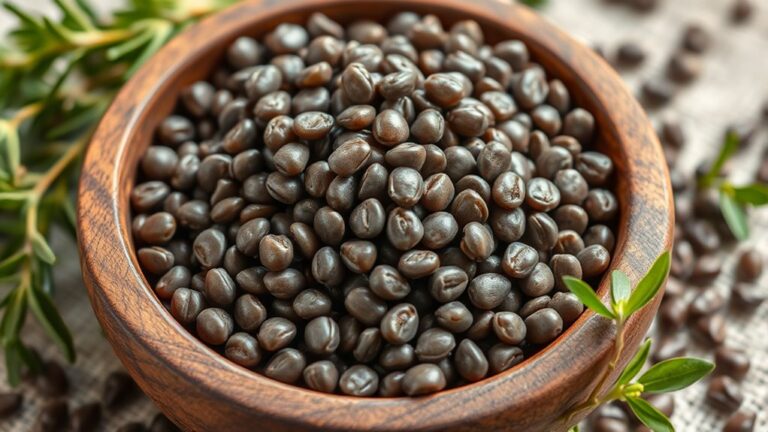
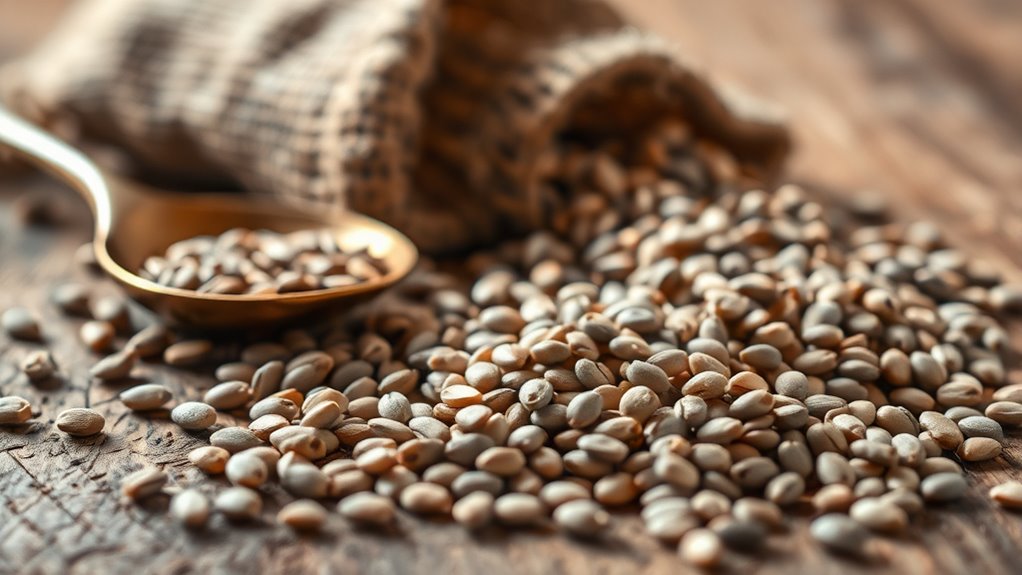
- Black sesame: Known for its bold flavor and rich color, black sesame is often used in Asian desserts and savory dishes.
- White sesame: With a milder taste, white sesame seeds are versatile and commonly sprinkled on bread, salads, or used in tahini.
- Toasted sesame: This refers to sesame seeds that have been roasted, which enhances their nutty flavor whether used in raw or cooked dishes.
You can choose between raw sesame seeds for a milder taste or toasted sesame for a richer, more aromatic experience. Each variety brings unique flavors and textures, making them essential in many cuisines worldwide.
How Are Sesame Seeds Grown and Harvested?
Sesame seeds grow on tall, flowering plants called Sesamum indicum, which thrive in warm, tropical climates. To promote healthy growth, you need to prepare the soil properly by loosening it and adding organic matter.
Choosing the right seed varieties is also important, depending on your climate and what’s in demand in the market. During the growing season, effective pest control and irrigation methods like drip irrigation help boost yield.
Crop rotation is a good practice because it reduces soil-borne diseases and keeps the soil healthy. When the plants mature, harvesting involves pulling or cutting the plants when seed capsules turn brown and dry.
After harvesting, the seeds are cleaned, dried, and shelled to prevent mold and maintain quality. Following these steps and understanding market trends can help maximize your profits.
Efficient harvesting and processing are key to meeting market needs and increasing overall yield, making sesame farming both sustainable and profitable.
What Are the Nutritional Benefits of Sesame Seeds?
Sesame seeds are a fantastic addition to your diet because they’re packed with healthy fats that are good for your heart. Plus, they’re loaded with high-quality protein and a variety of essential nutrients that can give your overall health a nice boost.
Adding sesame seeds to your meals is a simple way to help meet your nutritional needs without much effort. Whether sprinkled on salads, stirred into yogurt, or mixed into baked goods, they’re a tasty and nutritious choice.
Rich Source of Healthy Fats
Because they are packed with healthy fats, sesame seeds give your diet a nutritious boost. These fats support heart health by lowering bad cholesterol and helping circulation.
They also help with weight management by keeping you full longer, which can prevent overeating. Here are three key benefits of their healthy fats:
- Improve heart health by reducing LDL cholesterol.
- Support weight management through increased satiety.
- Provide essential fatty acids for overall wellness.
Adding sesame seeds to your meals naturally brings these benefits. Their healthy fats are a smart choice for a balanced diet, especially if you’re aiming for a healthier heart or trying to manage your weight.
High in Protein Content
Although small in size, sesame seeds are surprisingly rich in protein, making them a valuable addition to your diet. As a good protein source, they help support muscle growth, repair tissues, and boost your immune system.
Including sesame seeds in your meals can improve the overall nutritional profile, especially if you’re looking for plant-based protein options. Their high protein content contributes to sustained energy levels and improved satiety, helping you feel fuller longer.
Plus, eating sesame seeds offers various health benefits, such as supporting bone health and aiding in metabolic functions. Whether sprinkled on salads, added to baked goods, or incorporated into snacks, sesame seeds provide a simple way to increase your intake of essential proteins naturally.
Packed With Essential Nutrients
Building on their impressive protein content, sesame seeds are also packed with a variety of essential nutrients that support overall health. Their high nutrient density means they offer numerous health benefits in small servings. For example, they contain:
- Healthy fats, including omega-6 fatty acids, which promote heart health.
- Minerals like calcium, magnesium, and zinc that are vital for bone strength and immune function.
- Phytochemicals such as lignans, which have antioxidant and anti-inflammatory properties.
These nutrients work together to boost your immune system, improve skin health, and support metabolic processes. Incorporating sesame seeds into your diet is an easy way to maximize these health benefits, making them a valuable addition to your nutrition plan.
Can You Grow Sesame Seeds at Home?
Ever wondered if you can grow sesame seeds right in your garden or backyard? The good news is, yes, you can! Growing sesame at home is possible with some basic gardening skills.
First, focus on seed selection. Choose high-quality seeds suited for your climate. Sesame plants thrive in warm, sunny environments, so pick a spot that gets plenty of sunlight.
Prepare well-draining soil, enriching it with organic matter if needed. Plant the seeds about 1 inch deep, spacing them roughly 12 inches apart.
Water lightly but consistently, making sure the soil stays moist but not waterlogged. Keep an eye out for pests like aphids or spider mites, and use natural remedies if needed.
With patience, you’ll see small flowers develop into mature sesame pods. Harvesting happens once the pods turn brown and dry, usually around 100 to 120 days after planting.
Growing sesame at home is rewarding and doable with proper seed selection and care.
What Challenges Do Sesame Farmers Face Today?
Sesame farmers face many challenges today that threaten their livelihoods and the global supply chain. Climate change brings unpredictable weather, droughts, and floods, making it tougher to grow healthy sesame crops.
Pest management remains a constant struggle, with pests damaging plants and cutting yields. Staying vigilant and adopting new techniques is key to controlling pests effectively.
Some of the main issues include climate variability, which leads to unstable growing conditions and crop failures.
Climate variability causes unstable conditions, risking crop failures for sesame farmers everywhere.
Pests are another big problem, requiring constant monitoring and integrated pest control strategies.
Limited access to resources like quality seeds and affordable pesticides also makes sustainable farming harder.
These challenges call for innovative solutions and resilient practices to help crops survive and thrive despite environmental pressures.
Addressing these problems is crucial for maintaining the global sesame supply and supporting farmers like you.
What Are the Future Trends in Sesame Seed Farming?
The future of sesame seed farming is increasingly shaped by new technologies and eco-friendly practices. You’ll see more farmers using precision tools like GPS-guided equipment and soil sensors to better manage water and boost yields.
These innovations help cut down on wasted resources and make farming more efficient. Sustainable methods like crop rotation and organic farming will become more popular as farmers look for greener ways to grow sesame seeds.
Developments in drought-resistant seed varieties are also underway to handle changing climate conditions, ensuring stable production. Digital platforms and data analytics will give farmers real-time insights, helping them make smarter decisions.
All these trends aim to increase productivity while reducing environmental impact. They’ll make sesame seed farming more resilient and sustainable in the future. If you’re involved in sesame cultivation, staying updated on these advances will be key to thriving in the evolving agricultural landscape.
Frequently Asked Questions
Are Sesame Seeds Genetically Modified or Naturally Cultivated?
Sesame seeds are naturally cultivated, not genetically modified. You’ll find various sesame farming methods around the world, which help maintain seed diversity.
Farmers typically select seeds from healthy plants to ensure good quality, often using traditional techniques to keep genetic variety alive.
While some regions are experimenting with genetic modification, most sesame seeds on the market come from natural cultivation, highlighting the importance of seed diversity and sustainable practices.
How Do Sesame Seeds Impact Local Ecosystems and Biodiversity?
Sesame seeds impact local ecosystems through seed dispersal strategies and pollinator interactions. When sesame plants release seeds, they often rely on animals or wind, which can influence plant diversity nearby.
Furthermore, sesame flowers attract pollinators like bees, supporting local insect populations. This interaction helps boost biodiversity, but too much cultivation can disrupt natural habitats.
Being mindful of these factors helps us maintain ecological balance while enjoying sesame’s benefits.
What Are the Common Pests and Diseases Affecting Sesame Crops?
Pests and diseases are like uninvited guests crashing your sesame crop party. Common pests include aphids, thrips, and sesame seed bugs.
Diseases like Fusarium wilt and leaf spot threaten your harvest. To keep these invaders at bay, you need pest management strategies and crop rotation.
Developing disease-resistant sesame varieties also acts as a shield. This helps your plants stay strong against threats and ensures a bountiful harvest.
How Do Climate Changes Influence Sesame Seed Production Worldwide?
Climate variability affects sesame seed production by bringing unpredictable weather, droughts, and floods, which can lower both yields and quality.
You can adapt by using sustainable practices like crop rotation and better water management to reduce these impacts.
Staying resilient to changing climates helps ensure you get consistent harvests and maintain long-term productivity.
Are There Any Cultural or Religious Festivals Celebrating Sesame Seeds?
Yes, there are cultural and religious festivals that celebrate sesame seeds, especially in regions where they hold symbolic importance.
You’ll see sesame symbolism play a big role in various culinary traditions. For example, in the Hindu festival of Makar Sankranti, sesame treats are seen as symbols of prosperity and good health.
These festivals often blend culinary traditions with cultural rituals, highlighting the significance of sesame seeds in history, spirituality, and food across different societies.
Conclusion
Now that you know where sesame seeds come from, you can appreciate their journey from ancient origins to modern markets. Their history shows how trade and tradition are connected, and their health benefits boost your well-being.
As you explore growing or using sesame seeds, remember the challenges farmers face and the innovative trends shaping their future.
Savor the story, savor the seed—seeds of history, health, and hope that keep sprouting anew.