Understanding Cannabis Genetics: How Plant Lineage Shapes Your Harvest
Cannabis genetics refers to the hereditary information that determines the growth characteristics, cannabinoid profile, and overall traits of cannabis plants. These genetic blueprints influence everything from a plant's size and yield to its potency and flavor. Essentially, understanding cannabis genetics means knowing how different plant lineages or strains inherit and express their unique qualities, which directly affects cultivation outcomes and user experience.
This concept matters because by studying cannabis genetics, growers can predict how plants will behave in various environments, select seeds that fit their goals, and breed new hybrids that improve desirable traits. Consumers also benefit by identifying strains that are better suited for specific medical or recreational effects, thanks to the genetics that define cannabinoid and terpene production.
This article explores different cannabis genetics categories, explains how genetics influence plant growth and chemistry, discusses common genetic markers in cannabis strains, and offers guidance on interpreting genetics for cultivation and consumption. Whether you're a grower aiming for a successful harvest or a consumer curious about strain differences, understanding cannabis genetics provides a solid foundation.
Basics of Cannabis Genetics and Heredity
Genetic Makeup of Cannabis Plants
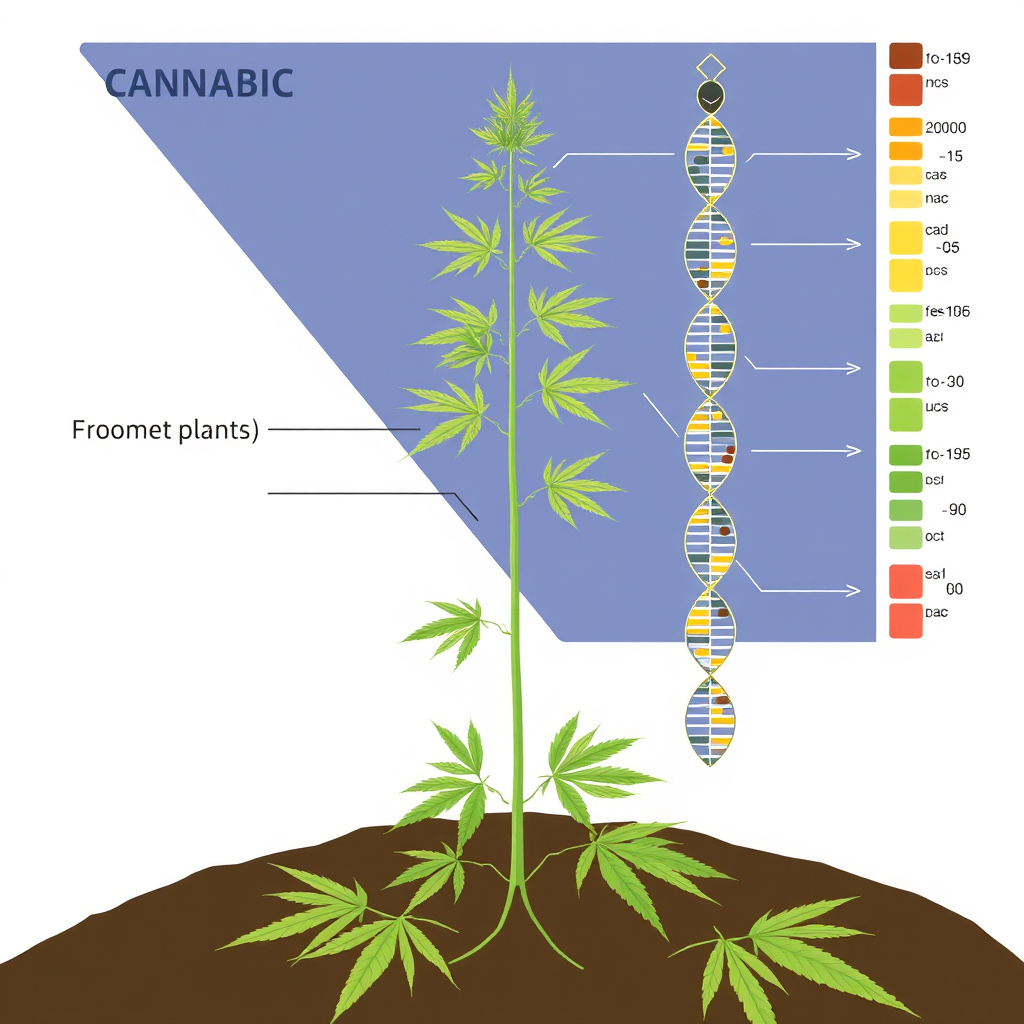
Cannabis plants have a diploid set of chromosomes, meaning they carry two copies of each chromosome. This genetic structure carries the instructions for traits like plant height, leaf shape, and chemical composition. Seeds inherit this genetic information from both parent plants, and the combination determines the unique characteristics of each offspring.
Genes control key pathways for producing cannabinoids like THC and CBD, and variations in these genes lead to differences in potency and medicinal qualities. Understanding the genetic layout helps breeders select parents that will create desirable traits in new generations.
Role of Dominant and Recessive Genes
Dominant genes express their traits even if only one copy is present, while recessive genes require both copies to be inherited to manifest their traits. These genetic principles explain how certain phenotypes, such as plant color or aroma, can vary between siblings from the same seed batch.
In cannabis breeding, manipulating dominant and recessive genes allows producers to fix desired characteristics in strains over multiple generations, stabilizing traits for consistent results.
Cannabis Genetics: Strain Families and Lineage
Major Cannabis Strain Categories
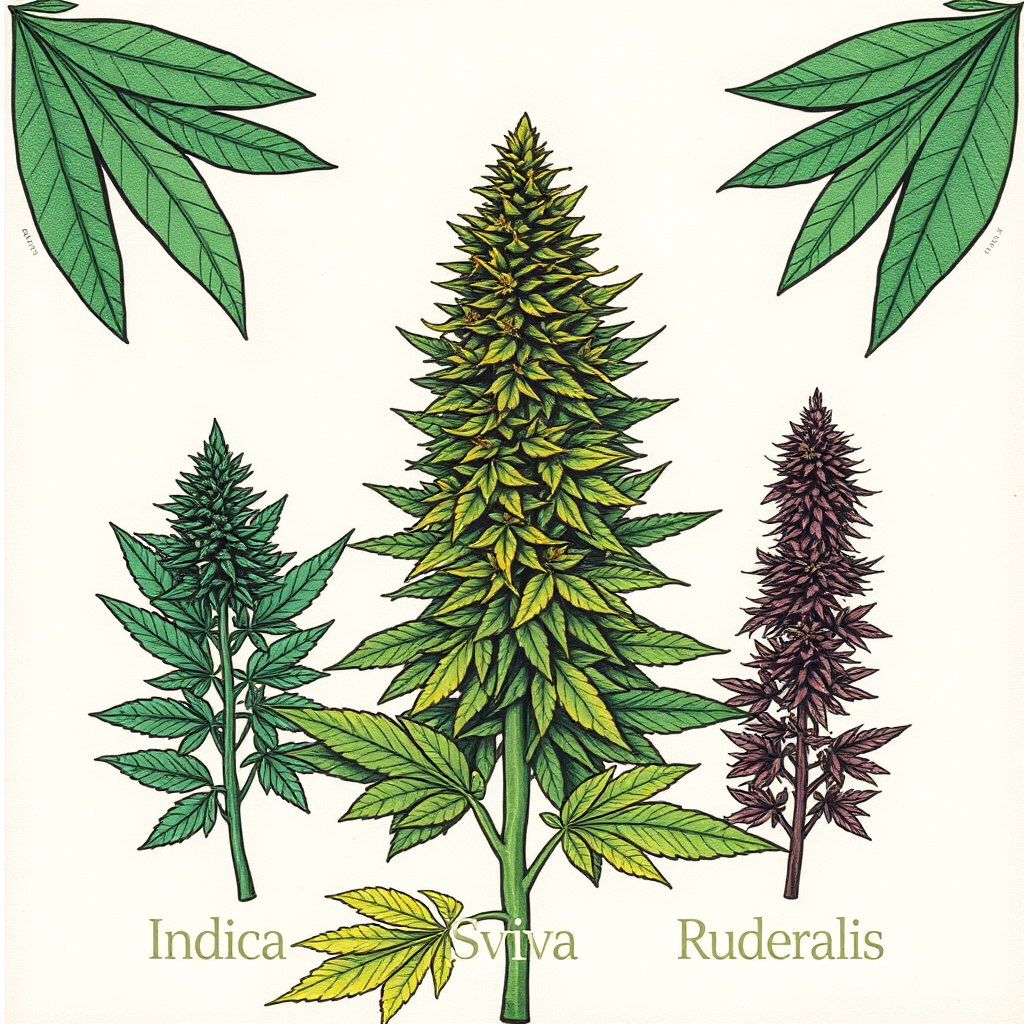
Cannabis genetics are broadly classified into three main lineages: Indica, Sativa, and Ruderalis. Indica strains generally produce shorter, bushier plants with relaxing effects; Sativas grow taller with stimulating and cerebral effects; Ruderalis, less common in commercial cannabis, is valued for its autoflowering trait.
These categories represent genetic clusters with characteristic traits passed down through generations. Growers select based on these genetics to achieve specific growth patterns and effects.
Hybridization and Genetic Mixing
Hybrid strains combine genetics from Indica, Sativa, and occasionally Ruderalis parents to create plants with mixed traits. This blending allows breeders to balance effects, yield, and adaptability to different climates or growing conditions.
Understanding cannabis strains genetics helps predict the outcome of hybridization, enabling selection for features like faster flowering, higher THC levels, or particular aromas.
How Genetics Affect Cannabis Plant Phenotypes
Appearance and Growth Patterns
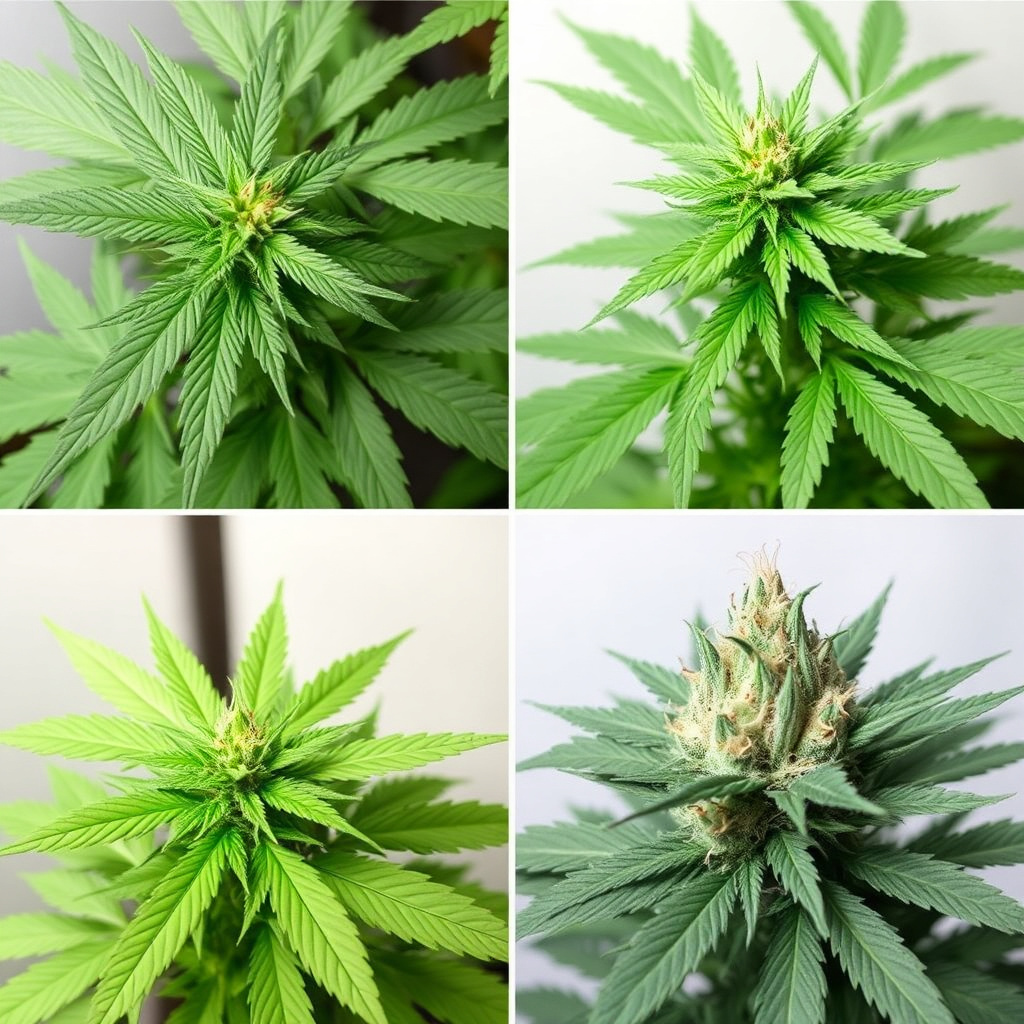
Genetics determine physical traits such as plant height, leaf width, branching patterns, and flowering time. For example, Indica genetics often produce broad leaves and compact buds, while Sativa genetics yield narrower leaves and taller plants.
Growers rely on genetics to choose varieties suited to their space and climate, as certain phenotypes develop better indoors or in specific outdoor conditions.
For more on this, see our related guide: Popular Cannabis Genetics: A Guide to Choosing the Best Strains.
Chemical Profiles and Potency
The genetic code guides cannabinoid and terpene synthesis pathways, influencing the potency and flavor profile of the plant. For instance, some genetic variants favor high THC; others increase CBD or unique terpene combinations that affect aroma and experience.
This connection between cannabis genetics and chemistry underscores the importance of genetics in producing strains aimed at medical use, recreational effects, or specific sensory qualities.
Cannabis Genetics in Breeding and Seed Selection

Stable vs. Unstable Genetics in Seeds
Stable genetics result from controlled breeding to firmly fix desired traits, leading to predictable plant outcomes when seeds are grown. Conversely, unstable genetics may yield more varied phenotypes, which can be challenging for growers seeking consistency.
Understanding cannabis genetics aids in choosing seeds from reputable breeders that offer stable genetics, particularly important for commercial cultivation or therapeutic applications.
Feminized and Autoflowering Genetic Traits
Feminized seeds are genetically altered to produce only female plants, which bear the cannabinoid-rich flowers. Autoflowering genetics from Ruderalis speed up flowering independently of light cycles, reducing growth time and simplifying cultivation.
Knowledge of these genetic traits influences seed selection depending on growers’ goals, such as maximizing yield or growing in limited time frames.
Interpreting Cannabis Genetics for Consumers

Reading Strain Descriptions Related to Genetics
Strain descriptions often summarize genetic lineage, dominant effects, and expected cannabinoid ratios. Familiarity with cannabis genetics lets consumers better understand terms like “Indica-dominant hybrid” or “high-CBD phenotype,” guiding them to products that match their preferences.
This knowledge helps demystify the variations among products and supports informed choices in dispensaries or online.
For more on this, see our related guide: Cannabis Strain Lineage Explained: Understanding Origins and Genetics.
Genetics and Medical Cannabis Selection
Medical users benefit from genetics understanding as different genetic profiles correlate with specific therapeutic effects. For example, CBD-rich genetics are favored for anti-inflammatory uses without intoxication, while certain terpene profiles may target anxiety or pain.
Consulting cannabis genetics information supports tailored treatment approaches and more effective symptom management.
Future Trends in Cannabis Genetics Research

Genetic Mapping and Genome Sequencing
Advances in genomics are allowing researchers to map the entire cannabis genome, revealing the precise locations of genes responsible for traits like cannabinoid biosynthesis and resilience to pests.
This genetic knowledge is paving the way for more targeted breeding, development of novel strains, and enhanced quality control in cannabis production.
For a detailed explanation of cannabis genetics and its classification, you can visit the cannabis genetics and taxonomy page. Cannabis genetics and taxonomy on Wikipedia.
Genetic Engineering and CRISPR in Cannabis
Emerging gene-editing technologies like CRISPR open possibilities to modify cannabis genetics precisely, potentially increasing yield, altering cannabinoid profiles, or imparting disease resistance without the unpredictability of traditional breeding.
Ethical and regulatory considerations are shaping the pace of adoption, but these innovations signal a new frontier in cannabis cultivation.
Comparison of Cannabis Genetics Categories
This table contrasts the primary cannabis genetics categories to clarify differences in plant characteristics and uses.
| Category | Physical Traits | Flowering Time | Typical Effects | Common Uses |
|---|---|---|---|---|
| Indica | Short, bushy, broad leaves | 7-9 weeks | Relaxing, sedative | Pain relief, sleep aid |
| Sativa | Tall, slender, narrow leaves | 9-12 weeks | Euphoric, energizing | Mood boost, creativity |
| Ruderalis | Small, hardy, autoflowering | 5-7 weeks | Mild, subtle effects | Autoflowering breeding |
| Hybrid | Mixed traits | Variable | Balanced or dominant traits | Versatile; recreation & medicine |
Frequently Asked Questions
What does genetic lineage tell me about a cannabis strain?
Genetic lineage reveals the inherited traits of a cannabis strain, such as growth pattern, cannabinoid content, and expected effects. Knowing lineage helps predict plant behavior and user experience.
How do cannabis genetics influence cannabinoid levels?
Genes regulate the enzymes responsible for producing cannabinoids like THC and CBD. Different genetic variants can increase or decrease specific cannabinoid concentrations in the plant.
Can I trust seed descriptions to reflect true genetics?
Seed descriptions generally reflect genetics, but only seeds from reputable breeders offer reliable trait consistency. Unknown or unstable genetics lead to variable plant outcomes.
What is the difference between feminized and autoflowering seeds genetically?
Feminized seeds have genetics that prevent male flower development, ensuring female plants. Autoflowering seeds carry Ruderalis genetics, which trigger flowering based on age rather than light cycles.
Will genetic engineering change cannabis cultivation?
Genetic engineering promises precise trait modifications like enhanced yield or cannabinoid profiles, potentially making cultivation more efficient and consistent, though regulatory acceptance varies.
Key Takeaways
- Cannabis genetics define plant traits, chemical profiles, and effects through inherited genes.
- Major genetic categories include Indica, Sativa, Ruderalis, and hybrid mixes.
- Genetics impact cultivation decisions like seed choice, growth environment, and harvest timing.
- Advances in genomics and gene editing are shaping future cannabis breeding possibilities.
Conclusion
Understanding cannabis genetics provides critical insight into how different strains develop their unique features, from physical structure to cannabinoid content. Recognizing the role of hereditary information helps growers produce more consistent crops and allows consumers to make informed choices based on effects and uses. By focusing on the genetic background, you can better anticipate results, whether cultivating or selecting products.
For those growing cannabis, selecting seeds with stable and well-documented genetics is essential. Indica and Sativa genetics offer distinct growth traits and effects, while hybrids provide a blend tailored to specific needs. Autoflowering genetics simplify cultivation for beginners or those seeking quick harvests. Consumers looking for medical benefits should consider genetics emphasizing CBD or particular terpene profiles that correlate with therapeutic properties.
If you want to deepen your knowledge, start by researching strain genetics from reputable breeders and familiarize yourself with how genetics relate to plant phenotype and chemical makeup. Exploring the emerging field of cannabis genomics can further enhance your understanding, enabling you to engage with the plant more knowledgeably. This foundation in cannabis genetics is a powerful tool for both cultivation success and optimized consumption.