How to Improve Garden Soil for Healthier Plants and Better Growth
Improving garden soil centers on balancing its texture, fertility, and structure to support vibrant plant growth. Key steps include adding organic matter like compost, correcting pH levels, and enhancing drainage to create ideal conditions for roots to thrive. Addressing these elements directly revitalizes tired soil and boosts plant health.
Soil quality is the foundation of successful gardening, impacting everything from nutrient availability to water retention. Without the right soil conditions, plants may struggle with stunted growth, disease susceptibility, or poor yields. Enhancing soil prevents these issues and provides a nurturing environment for diverse plants.
This article covers practical techniques for improving garden soil, including testing and adjusting pH, selecting amendment materials, improving soil texture, and managing nutrient levels. We will also explore natural methods for boosting soil life and compare different soil improvement strategies to guide your garden’s transformation.
Understanding Garden Soil Composition and Testing

Components of Garden Soil
Garden soil consists mainly of minerals, organic matter, water, and air. The balance of sand, silt, and clay—known as soil texture—determines how well soil retains moisture and nutrients. Organic matter improves structure and nutrient content, while proper air and water presence supports root function.
Knowing the composition helps tailor improvement efforts. For example, clay-heavy soils benefit from aeration and organic amendments to reduce compaction, while sandy soils require materials to increase water retention. Each component plays a role in plant health and soil behavior.
How to Test Your Soil
Conducting a soil test reveals nutrient levels, pH, and texture balance. You can collect soil samples following local extension service guidelines and send them to a lab or use affordable DIY test kits. Testing establishes a baseline before applying amendments and avoids unnecessary treatments.
Regular soil testing, at least every few years, guides adjustments over time and detects nutrient depletion or pH drift that could harm plants. Understanding these parameters ensures chosen methods effectively improve garden soil.
- Collect samples from multiple spots
- Avoid surface debris
- Follow specific testing instructions
- Retest after amendments
Adding Organic Matter to Improve Garden Soil

Types of Organic Matter
Organic matter includes compost, manure, leaf mold, and cover crop residues. Compost is well-decomposed and nutrient-rich, improving soil structure and fertility. Manure adds nitrogen but should be aged to prevent burning plants. Leaf mold enhances moisture retention and microbial activity.
Choosing the right type depends on availability and garden needs. Mixing various sources provides a broader spectrum of nutrients and soil benefits, promoting healthier soil ecosystems.
- Compost
- Aged manure
- Leaf mold
- Grass clippings
- Cover crop residues
Best Practices for Applying Organic Amendments
Incorporate organic matter into the top 6 to 8 inches of soil using a garden fork or tiller before planting. Applying 2 to 4 inches annually replenishes nutrients and loosens compacted layers. Avoid thick layers on the soil surface alone as they may mat and prevent water penetration.
Timing is key; fall applications give materials time to integrate before spring planting. During the growing season, mulch with organic materials to protect the soil and gradually add nutrients as they break down.
- Incorporate thoroughly
- Apply annually
- Use fall and mulching methods
- Avoid raw manure on edible plants
Correcting Soil pH for Optimal Plant Growth

Why Soil pH Matters
Soil pH affects nutrient availability and microbial activity. Most garden plants thrive in a slightly acidic to neutral range (pH 6.0 to 7.0). Soil that is too acidic or alkaline can cause nutrient lockout, leading to yellowing leaves and weak growth.
Testing soil pH guides correction strategies. Acidic soils can be raised with lime, while alkaline soils benefit from sulfur or organic acidifiers. Adjusting pH improves fertilizer efficiency and overall soil health.
For more on this, see our related guide: What Affects Plant Growth: Key Factors Explained for Healthy Gardens.
Methods to Adjust pH Effectively
Apply finely ground agricultural lime to raise pH gradually. Distribution should be uniform and incorporated into the soil to avoid uneven effects. For lowering pH, elemental sulfur is commonly used but works slower, requiring months for noticeable change.
Organic amendments like pine needles or sphagnum peat moss slightly acidify soil and improve texture simultaneously. Consistent monitoring after amendments prevents overcorrection and keeps pH in the ideal range.
- Use lime for acidic soils
- Use sulfur for alkaline soils
- Incorporate amendments properly
- Retest soil pH periodically
Improving Soil Structure and Drainage

Dealing with Compacted Soils
Compacted soil restricts root growth and water infiltration. Aeration through mechanical methods like core aerators or spading helps loosen dense layers. Adding organic matter also creates air pockets and promotes aggregation, improving texture.
Avoid working soil when overly wet to prevent further compaction. Regularly mulching garden beds cushions soil surface and reduces crusting, helping maintain good structure over time.
Enhancing Drainage in Heavy Soils
In clay-heavy or poorly draining soils, additives like coarse sand, perlite, or expanded shale increase porosity. Raised beds and contouring slopes aid natural runoff and prevent waterlogging. Avoid excessive sand alone as it can form concrete-like mixtures when combined with clay.
Creating drainage channels or installing subsurface drains can help in persistent soggy spots. Combining mechanical and organic improvements is the best approach for lasting drainage solutions.
- Incorporate sand and organic matter
- Use raised beds if needed
- Create gentle slopes for runoff
- Install drains for problematic areas
Managing Soil Nutrients and Fertility

Identifying Nutrient Deficiencies
Symptoms like yellowing leaves, stunted growth, or poor flowering often indicate deficiencies in nitrogen, phosphorus, or potassium. Soil testing quantifies available nutrients, allowing precise correction through amendments or fertilizers rather than guesswork.
Recognizing symptoms alongside test results helps maintain balanced fertility. Over-fertilization can harm microbes and cause nutrient runoff, so measured approaches based on testing are preferable.
For more on this, see our related guide: How to Compare Seed Varieties for Successful Gardening.
Selecting Fertilizers and Amendments
Organic fertilizers release nutrients slowly, supporting healthy microbial activity, while synthetic options provide immediate nutrient availability. Combining types can meet short-term and long-term needs. Tailored mixes based on soil test results optimize plant uptake.
Incorporate fertilizers during soil preparation or as side-dressings for growing plants. Employ slow-release or liquid feeds to match plant growth stages, supporting sustained soil fertility and plant vigor.
- Use soil test results
- Combine organic and synthetic fertilizers
- Apply fertilizers at planting and during growth
- Avoid overapplication to prevent runoff
Encouraging Beneficial Soil Life
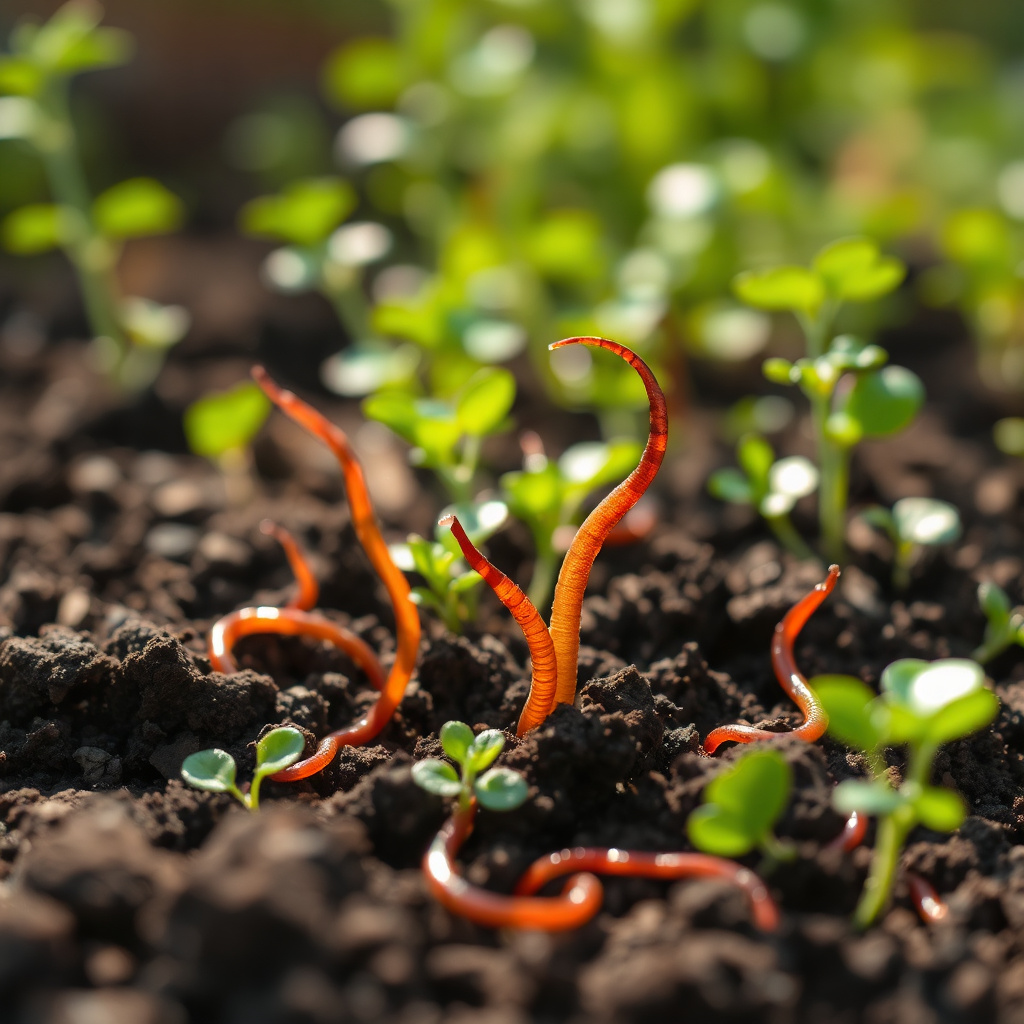
Role of Soil Microbes and Worms
Beneficial microbes break down organic matter and fix nutrients, enhancing soil fertility and plant health. Earthworms aerate soil and distribute organic material, improving structure. Healthy soil life increases resilience against pests and diseases naturally.
Supporting microbial populations involves maintaining organic matter, moisture, and avoiding harsh chemicals. Diverse microbial communities lead to sustained garden productivity and better nutrient cycling.
For more detailed information on soil properties and health, visit the soil health basics on Wikipedia. soil health basics on Wikipedia.
Practices to Boost Soil Biology
Apply compost teas, mulches, and cover crops to feed soil organisms. Reduce tillage to protect microbial habitats and earthworm networks. Avoid broad-spectrum pesticides and synthetic fertilizers that disrupt beneficial populations.
Rotating crops and introducing diverse plant species encourages a variety of microbes adapted to different root zones, strengthening soil life balance for long-term garden health.
- Use organic mulches and compost teas
- Minimize tilling
- Rotate crops and diversify plants
- Limit chemical inputs
Comparison of Garden Soil Improvement Methods
Below is a comparison of common garden soil improvement methods highlighting their benefits and ideal uses to help you choose the best approach for your garden.
| Method | Primary Benefit | Best For | Time to Effect |
|---|---|---|---|
| Adding Compost | Enhances fertility and structure | Most garden soils | 1–3 months |
| Adjusting pH with Lime/Sulfur | Optimizes nutrient availability | Acidic or alkaline soils | 3–6 months |
| Mechanical Aeration | Improves compaction and drainage | Heavy clay or compacted soils | Immediate to 1 month |
| Using Cover Crops | Adds organic matter and nitrogen fixation | Sustainable long-term improvement | Several months to a season |
| Applying Synthetic Fertilizers | Rapid nutrient boost | Deficiency correction | Days to weeks |
Frequently Asked Questions
How often should I add organic matter to my garden soil?
Adding organic matter annually is generally sufficient to maintain soil health. Applying 2 to 4 inches of compost or similar amendments each year improves structure and nutrient content steadily.
Can I improve garden soil without using chemical fertilizers?
Yes. Organic amendments, compost teas, cover crops, and crop rotation naturally boost fertility and soil life, providing nutrients without synthetic fertilizers.
What is the best way to test my garden soil?
Collecting soil samples and sending them to a local extension service or using a reliable home test kit provides accurate data on pH and nutrient levels.
Why is soil pH important for plant growth?
Soil pH affects how plants absorb nutrients. Maintaining an ideal pH range ensures nutrients remain available and supports healthy microbial communities.
How can I fix compacted soil in my garden?
Aerate soil mechanically, incorporate organic matter, and avoid working when wet to relieve compaction and improve air and water flow.
Key Takeaways
- Balancing soil texture, nutrients, and pH is essential for healthier plants.
- Adding organic matter like compost improves soil structure and fertility.
- Regular soil testing guides effective amendment choices.
- Encouraging soil life enhances nutrient cycling and resilience.
Conclusion
Improving garden soil requires a thoughtful combination of understanding its current state, applying targeted amendments, and fostering a vibrant ecosystem below the surface. By focusing on texture, pH balance, nutrient levels, and soil biology, gardeners can transform poor or tired soil into a fertile foundation that supports vigorous plant growth and increased yields. The process involves tending to the soil as a living system, not just a planting medium.
For those starting out, incorporating high-quality compost annually offers a reliable and broadly effective improvement method, suitable for most garden types. If soil tests reveal pH imbalances, correcting these with lime or sulfur ensures nutrients become accessible to plants. Mechanical aeration and the use of cover crops target structural and moisture issues, ideal for compacted or depleted soils. Tailoring these methods to your garden’s unique conditions optimizes results and fosters sustainable growth.
Begin by testing your soil and mapping your garden’s specific needs. Then, select amendments like organic matter, pH adjusters, or nutrient supplements based on those results. Regular upkeep, diverse plantings, and nurturing soil life will maintain improvements over time. Overcoming poor garden soil leads to healthier plants, greater satisfaction, and more abundant harvests.