What Is Peat Moss and How to Use It in Your Garden
Peat moss is a type of organic material formed from partially decomposed sphagnum moss and other plant materials, harvested primarily from peat bogs. It is widely used in gardening and agriculture as a soil amendment because it improves soil structure, moisture retention, and nutrient holding capacity.
The appeal of peat moss stems from its ability to enhance soil aeration and water retention, making it especially useful for sandy or clay soils. It also acidifies the soil slightly, which benefits acid-loving plants like blueberries and azaleas. Understanding peat moss's composition and uses is key to leveraging its benefits in your garden.
This article will explore what peat moss is, how it forms, the distinct benefits it offers as a soil amendment, methods to use it effectively in planting and landscaping, environmental considerations, and alternatives worth considering.
Understanding Peat Moss: Formation and Characteristics
How Peat Moss Forms Naturally
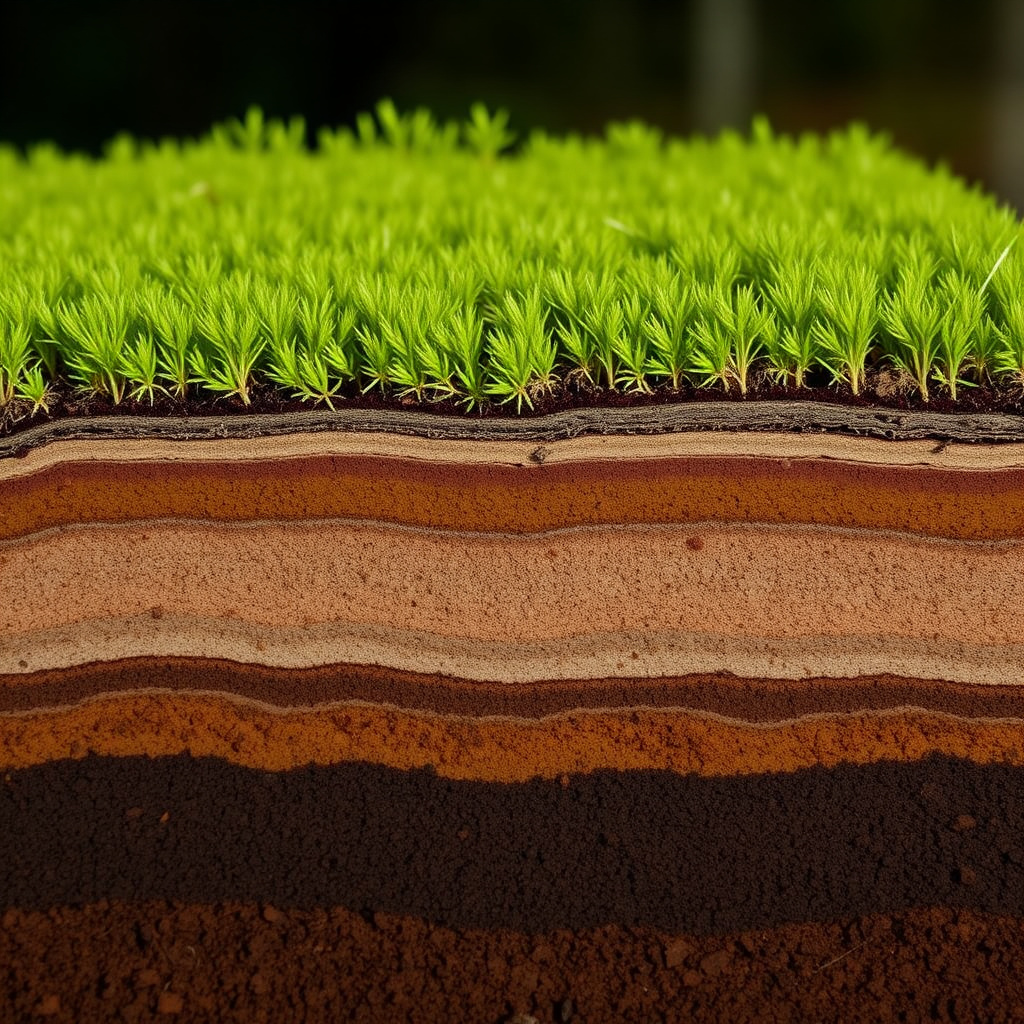
Peat moss originates from sphagnum moss that grows in waterlogged environments like bogs and wetlands. In these oxygen-poor conditions, the moss decomposes slowly, accumulating as thick layers of peat over thousands of years.
These acidic, anaerobic conditions inhibit full decomposition, preserving organic material in a fibrous, spongy state. This process creates peat deposits that retain moisture and store carbon.
Physical and Chemical Properties
Peat moss is lightweight, very absorbent, and has a pH that usually ranges between 3.0 and 4.5, making it acidic. Its fibrous texture improves aeration and drainage in heavy soils while retaining moisture in sandy soils.
Chemically, peat moss contains low levels of nutrients but enhances the soil's capacity to hold nutrients and water, providing a stable environment for roots.
Benefits of Using Peat Moss in Gardening
Soil Moisture Retention and Aeration
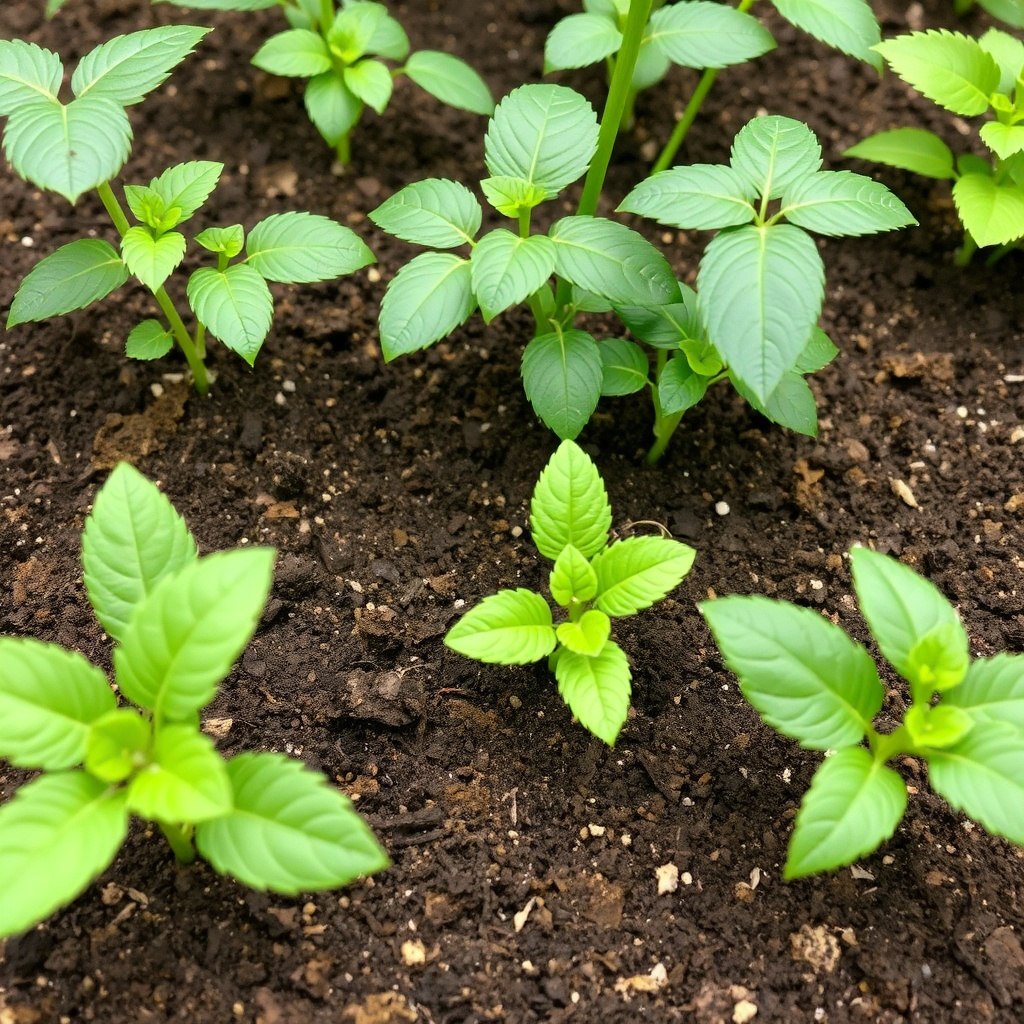
Peat moss’s spongy texture enables it to retain large quantities of water, reducing the need for frequent watering. This is particularly advantageous in sandy soils that drain water quickly.
Additionally, its fibrous nature increases soil aeration, which encourages root growth and the activity of beneficial soil organisms essential to plant health.
Improving Soil Structure and Fertility
When mixed into soil, peat moss loosens compacted clay soils and adds organic matter, which fosters better drainage and root penetration. Although it doesn't supply abundant nutrients by itself, it helps maintain a balanced nutrient environment by improving the soil’s cation exchange capacity.
This organic soil amendment also gradually breaks down, enriching soil with humus that supports long-term fertility.
How to Use Peat Moss Effectively
Incorporating Peat Moss into Garden Soil
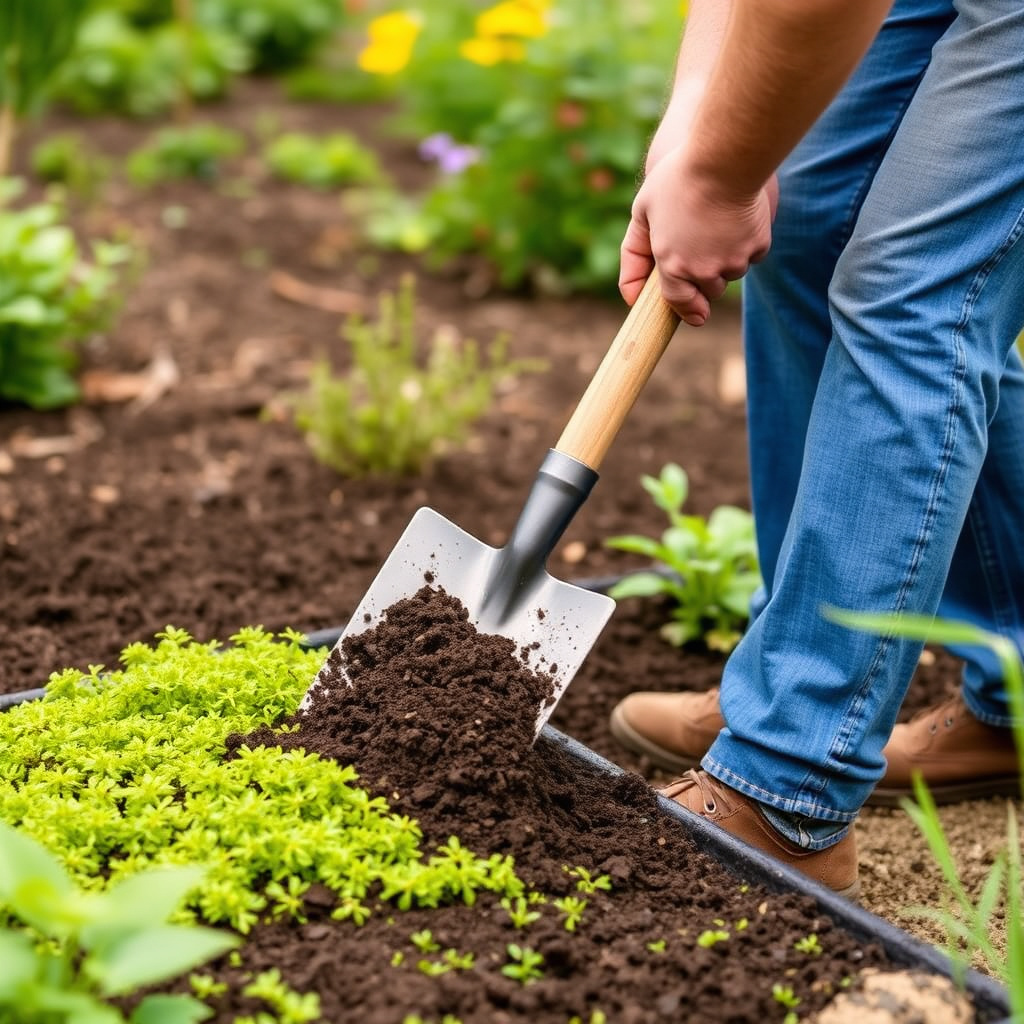
The typical recommendation is to blend peat moss into the top 6-12 inches of your garden soil, mixing about 20-30% peat by volume for optimal soil amendment. This improves moisture retention in sandy soils and loosens clay soils.
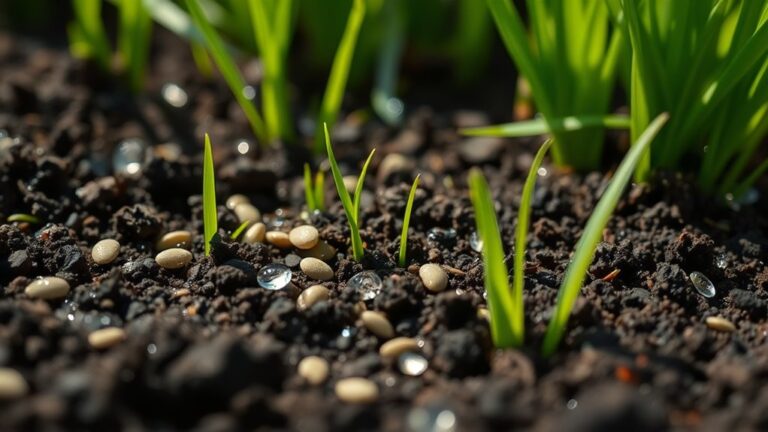
Peat moss is especially useful when preparing beds for seedlings or transplants. Moistening it before mixing prevents dust and helps integrate it better with existing soil.
- Mix thoroughly with existing soil
- Use gloves and a mask to avoid dust inhalation
For more on this, see our related guide: How to Prevent Root Rot in Plants: Effective Strategies for Healthy Growth.
Using Peat Moss in Potting Mixes and Seed Starting
Peat moss is a common base ingredient in potting mixes because it provides sterile, lightweight material with good moisture retention. Combined with perlite or vermiculite, it creates an ideal environment for seed germination.
It can be mixed in ratios of up to 50-70% with other components to optimize aeration and moisture balance for container plants.
- Combine with perlite for drainage
- Avoid compacting the mix too much
Environmental Impact and Sustainability Concerns of Peat Moss
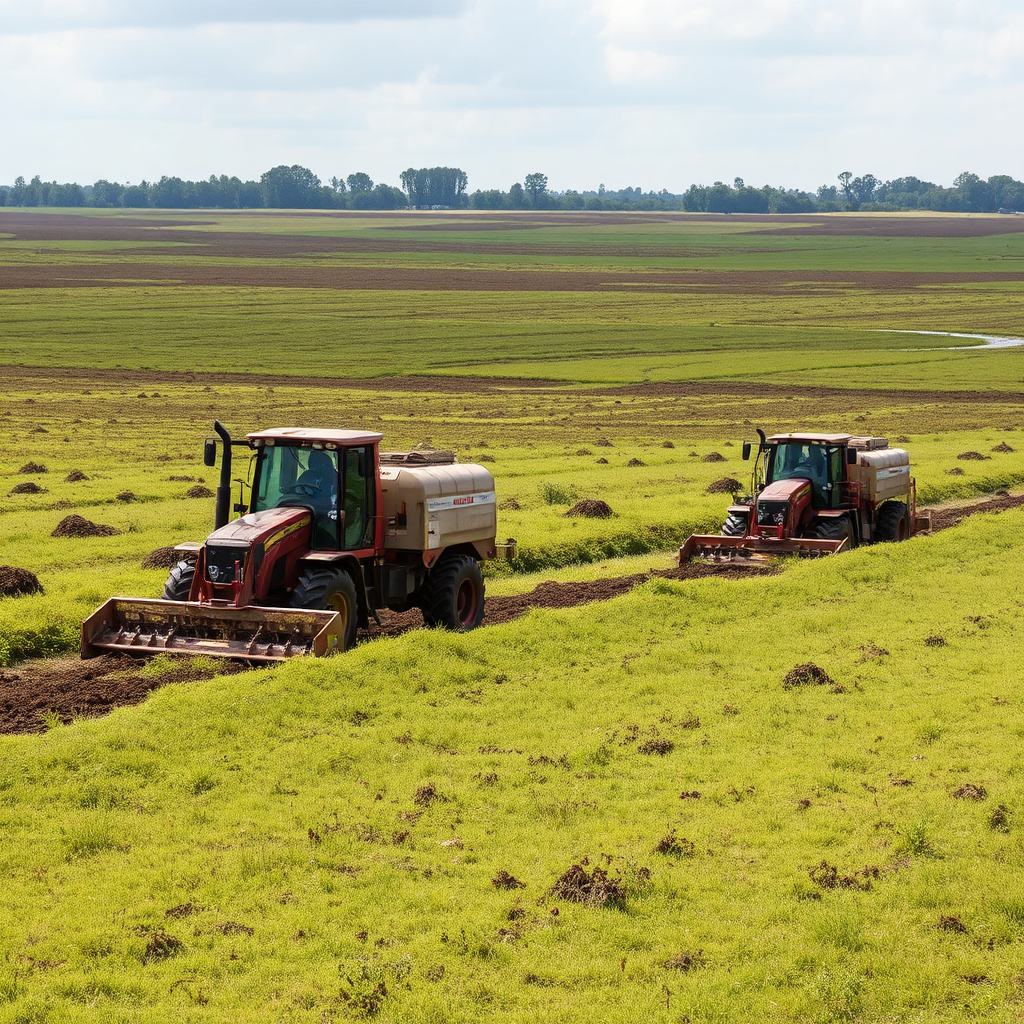
Ecological Effects of Peat Harvesting
Harvesting peat moss involves disturbing peat bog ecosystems that act as major carbon sinks. Removing peat releases stored carbon dioxide into the atmosphere, contributing to greenhouse gas emissions and habitat loss.
Peat bogs regenerate very slowly, sometimes taking thousands of years to rebuild, making peat moss a nonrenewable resource when used commercially on large scales.
Sustainable Alternatives to Peat Moss
Due to sustainability concerns, gardeners are turning to alternatives such as coconut coir, composted bark, and leaf mold. These materials offer similar water retention and aeration benefits but are renewable and often locally sourced.
While peat moss remains popular, combining it with these alternatives can reduce environmental impact.
- Coconut coir as a renewable substitute
- Composted organic waste mixtures
Choosing the Right Type of Peat Moss for Your Needs
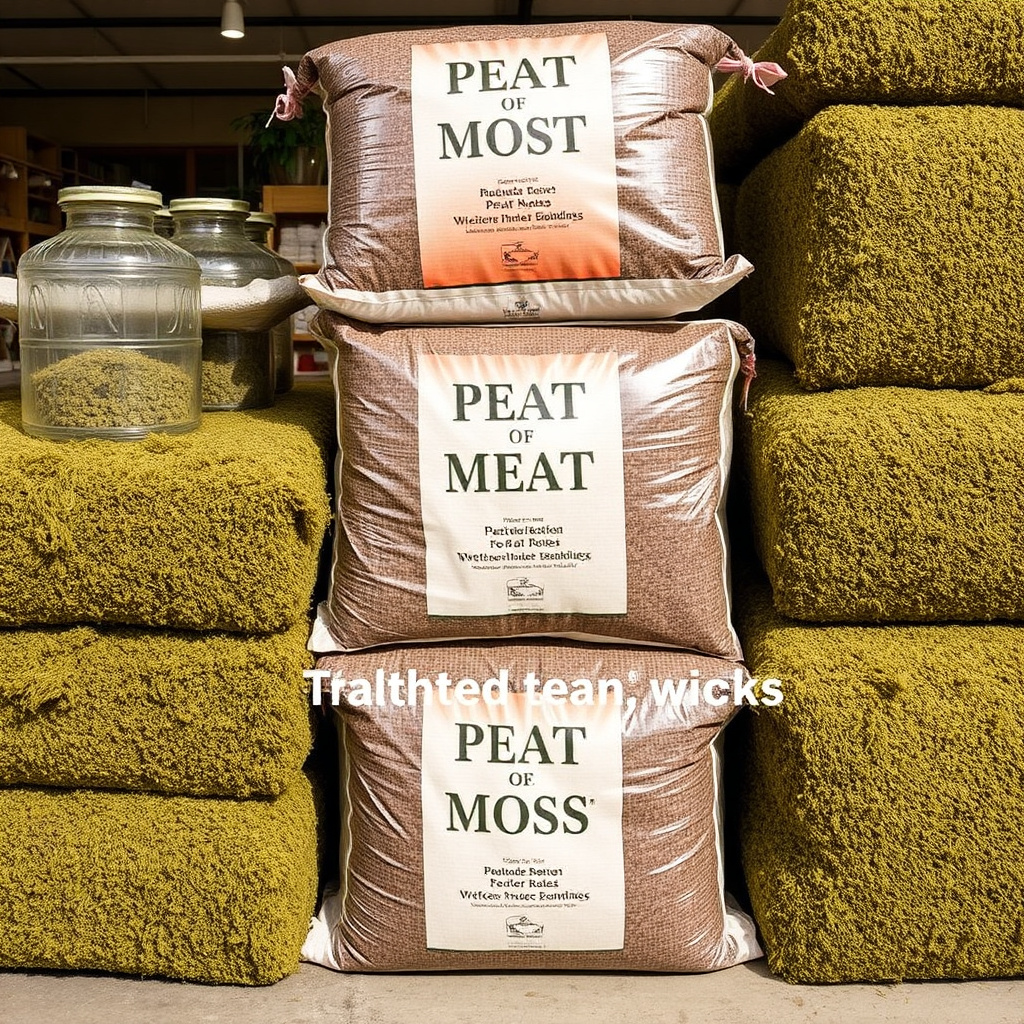
Sphagnum Peat Moss vs. Reed-Sedge Peat
Sphagnum peat moss is light, fibrous, and acidic, making it ideal for soil amendment and horticultural use. Reed-sedge peat is denser with a finer texture and slightly higher pH, often used in landscaping and soil conditioning.
Your choice depends on the acidity your plants prefer and texture needed to amend your soil.
For more on this, see our related guide: Cannabis pH Levels for Soil: How to Maintain the Perfect Balance.
Bale Size and Packaging Options
Peat moss is typically sold in compressed bales or loose bulk. Compressed bales expand when moistened and are easier to store and transport. Bulk peat is more cost-effective for large landscaping projects but requires handling equipment.
Choosing the right quantity and packaging depends on your garden size and storage capacity.
Maintenance and Long-Term Garden Care With Peat Moss
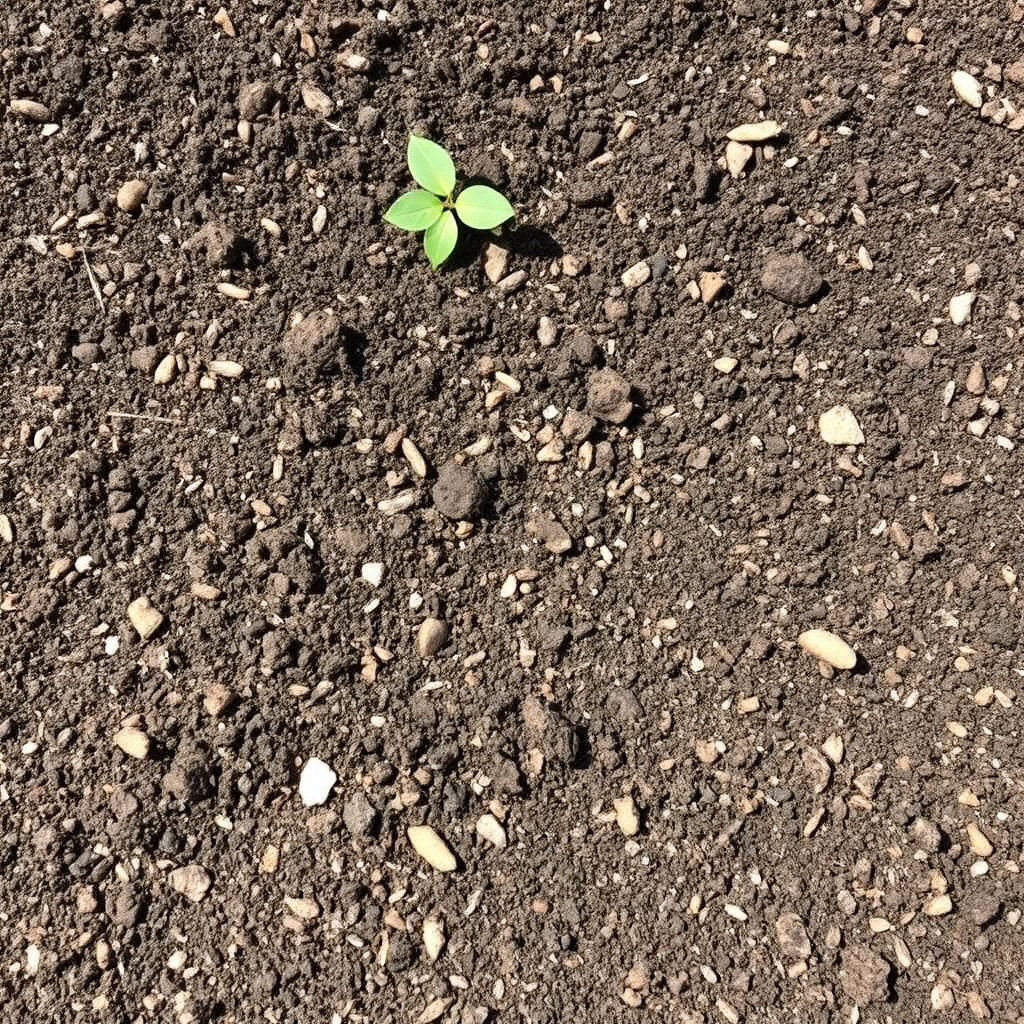
Reapplying Peat Moss Over Time
Peat moss decomposes slowly but does break down over time, so reapplication every 1-3 years might be needed to maintain soil structure and moisture retention. Monitor soil texture and water behavior to decide when to amend again.
Using peat moss with other organic matter can prolong its benefits and improve overall soil health.
For a detailed scientific overview, see the peat moss information on Wikipedia. peat moss information on Wikipedia.
Adjusting Soil pH When Using Peat Moss
Because peat moss is acidic, soils amended heavily with it may become too acidic for some plants. You might need to add lime to raise soil pH for plants that prefer neutral or alkaline conditions.
Regular soil testing and pH adjustments help maintain a balanced environment for diverse plantings.
- Conduct soil pH tests annually
- Use ground limestone to raise pH
Comparison of Common Soil Amendments Including Peat Moss
This table contrasts peat moss with popular soil amendments on key factors like moisture retention, nutrient content, and sustainability.
| Amendment | Moisture Retention | Nutrient Content | pH Level | Sustainability |
|---|---|---|---|---|
| Peat Moss | High | Low | Acidic (3.0–4.5) | Nonrenewable, environmental concerns |
| Coconut Coir | High | Medium | Neutral to slightly acidic (5.5–6.8) | Renewable, eco-friendly |
| Composted Bark | Medium | Medium | Neutral to slightly acidic (6.0–7.0) | Renewable, biodegradable |
| Leaf Mold | Medium | Low | Slightly acidic (5.5–6.5) | Renewable, sustainable |
| Perlite | Low | None | Neutral (7.0) | Non-organic, inert material |
Frequently Asked Questions
Is peat moss the same as potting soil?
No, peat moss is a component often used in potting soil mixes. Potting soil is a blend of materials including peat moss, perlite, and compost designed to support container plants.
Can peat moss be used in vegetable gardens?
Yes, peat moss can improve soil moisture and aeration in vegetable gardens. However, because it is acidic and low in nutrients, it’s best combined with compost or fertilizer.
How long does peat moss last in soil?
Peat moss decomposes slowly over several years. Its benefits for improving soil structure and moisture retention can last 1 to 3 years before reapplication may be needed.
Are there environmental concerns associated with peat moss?
Yes, harvesting peat moss releases stored carbon and damages peat bog ecosystems, which regenerate very slowly. Using sustainable alternatives or minimizing peat use reduces environmental impact.
Does peat moss affect soil pH?
Peat moss is naturally acidic and can lower soil pH over time, which benefits acid-loving plants but may require pH adjustments for others.
Key Takeaways
- Peat moss is a fibrous, acidic organic material formed from sphagnum moss in bogs.
- It improves soil moisture retention, aeration, and structure but is low in nutrients.
- Due to environmental concerns, consider combining peat moss with sustainable alternatives.
- Adjust soil pH when using peat moss to match plant needs.
Conclusion
Choosing the right soil amendment is a vital step in cultivating a healthy garden, and peat moss offers unique benefits due to its water-holding capacity and soil structure enhancement. Understanding its nature as a fibrous, acidic material shaped by natural bog environments helps gardeners apply it effectively. A balanced approach recognizing peat moss’s strengths alongside its limitations, such as low nutrient content and acidity, facilitates better gardening outcomes.
For gardeners focusing on improving moisture retention and aeration, especially in sandy or compacted soils, peat moss stands out as a useful organic soil amendment. By mixing it into garden beds or potting mixes, plants gain a more supportive growth medium. Meanwhile, those concerned about sustainability may opt to complement peat moss with eco-friendly options like coconut coir or composted bark, reducing reliance on peat and its associated ecological footprint.
Before starting, test your soil’s pH and texture to understand how peat moss will affect your garden. When used in moderation and combined with regular soil amendments, peat moss can contribute significantly to healthier plants and improved soil conditions. Ultimately, thoughtful application guided by knowledge is your best next step toward successful gardening with peat moss.