How to Store Seeds for Long-Term Viability and Successful Gardening
Storing seeds correctly is essential to preserve their viability and ensure a healthy garden in the future. To store seeds effectively, keep them in a cool, dry, and dark environment, ideally in an airtight container to prevent moisture and mold. Properly dried seeds can last from a few years up to over a decade depending on the type.
Knowing how to store seeds matters because it extends their lifespan and increases the chances of successful germination. Gardeners who save seeds from one season to the next can reduce costs, maintain plant varieties, and have more reliable crops by storing them optimally.
This guide will cover the best practices for drying seeds before storage, suitable containers and environments, how different seed types affect storage duration, and additional tips like labeling and testing seed viability. Following these steps will help your seeds stay fresh and ready for planting.
Preparing Seeds Before Storage
Cleaning and Drying Seeds
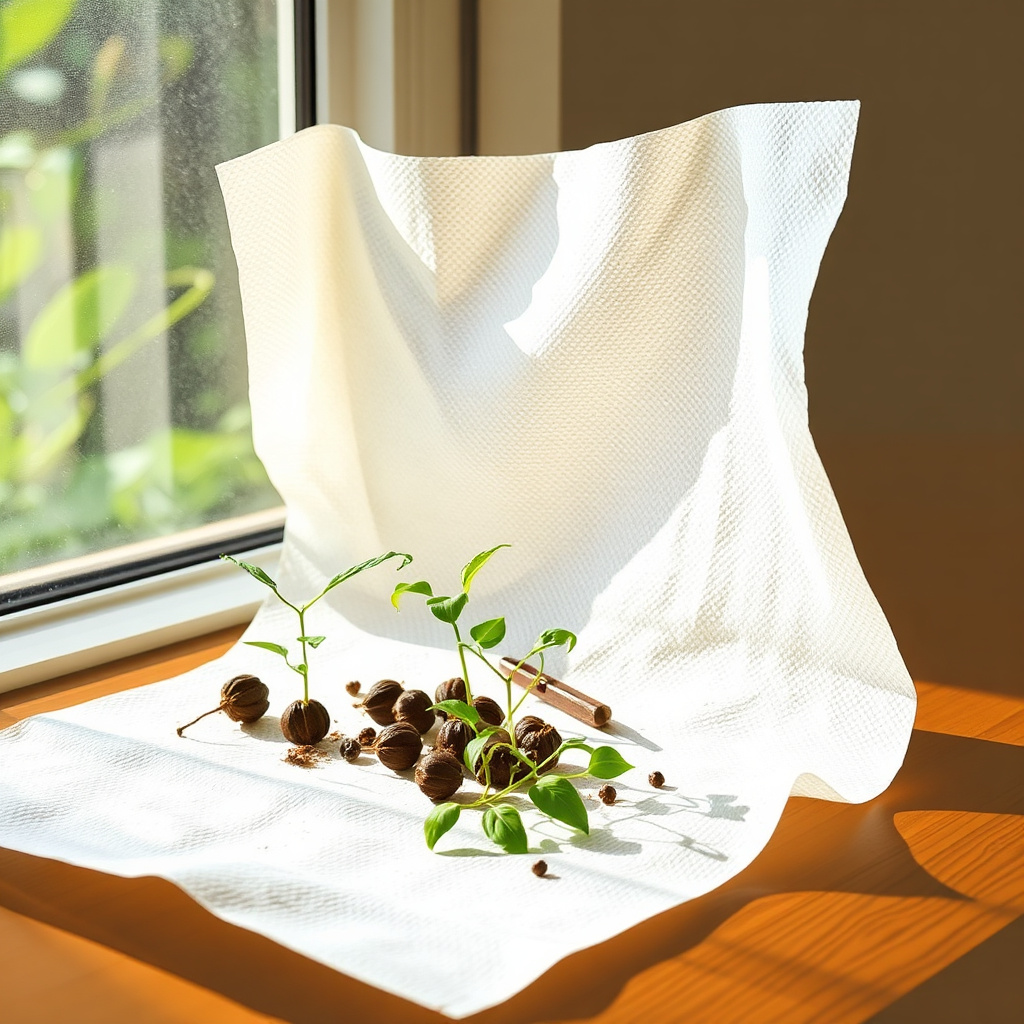
Before storing seeds, it's important to remove all pulp, plant debris, or dirt. Seeds can be rinsed gently with water and then spread out on a paper towel or mesh screen to dry completely. Any residual moisture can cause mold or premature sprouting.
Drying seeds in a well-ventilated area away from direct sunlight helps reduce moisture content. Some gardeners use silica gel packets or desiccants to absorb lingering humidity. Seeds should feel crisp and not sticky when fully dry, which can take from a few days up to two weeks depending on the seed type and humidity.
Testing Seed Dryness and Viability
A simple test for dryness is to break a seed in half; if the inside is firm and dry, it's ready for storage. For sensitive seeds, a float test can help: dry seeds usually sink while those still containing moisture float.
Viability can be checked by germinating a small batch of seeds before storage. Maintaining dry conditions and preventing damage during drying helps keep seeds viable for longer storage periods.
Choosing the Right Storage Containers
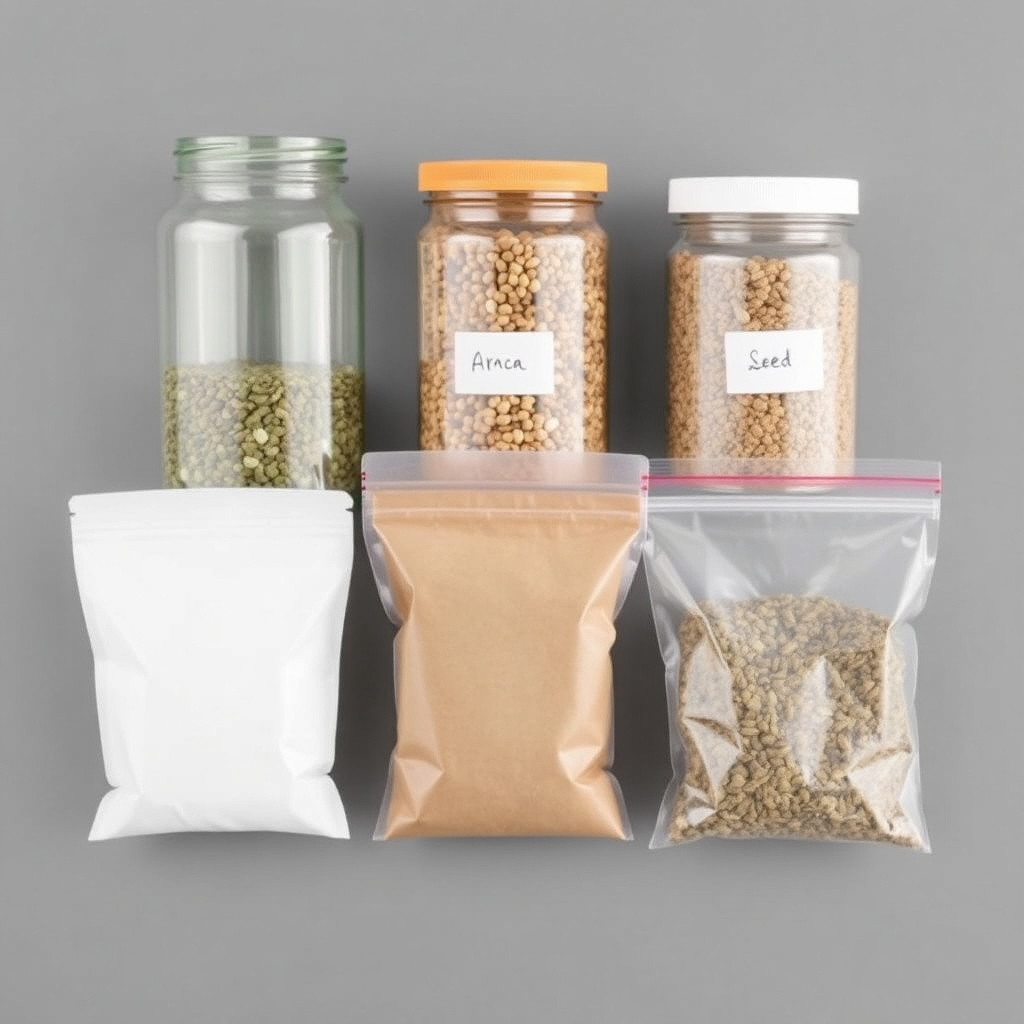
Airtight Containers for Seed Longevity
Airtight containers like glass jars with rubber seals or vacuum-sealed bags prevent moisture and oxygen exposure, two main factors that reduce seed viability. These containers also protect seeds from pests and temperature fluctuations.
Plastic containers with tight lids can work but are less effective over long periods unless combined with desiccants inside. Paper envelopes or cloth bags are suitable only for short-term storage in dry climates.
- Glass jars with sealing lids
- Vacuum-sealed plastic bags
- Heavy-duty plastic containers
- Avoid clear containers exposed to light
Labeling and Organizing Stored Seeds
Labeling containers with seed type, harvest date, and any special storage notes keeps your seed collection organized and manageable. Using waterproof ink or printed labels prevents fading over time.
Organizing seeds by plant family or expected planting season can save time during planting and help maintain an inventory for backup planning.
Optimal Environmental Conditions for Seed Storage
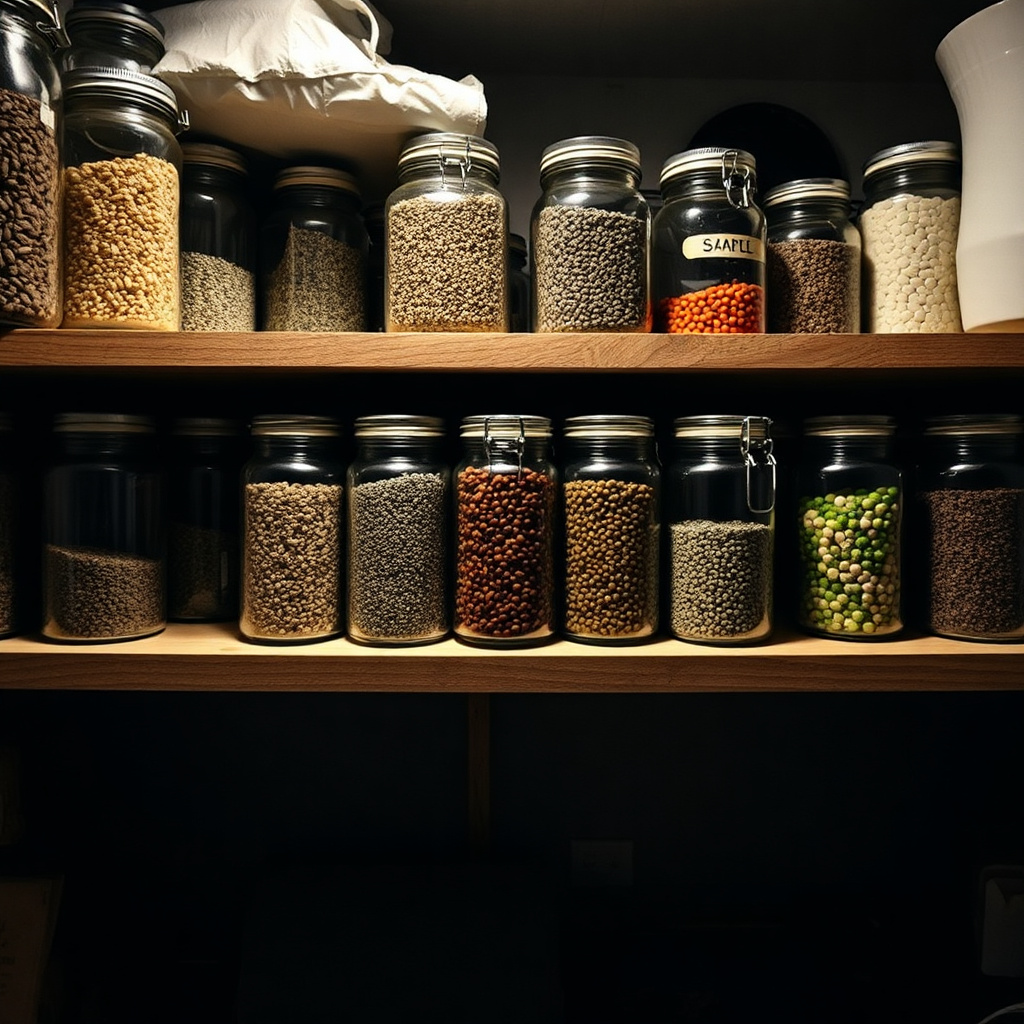
Ideal Temperature and Humidity Levels
Seeds last longest when stored at low temperatures, ideally between 32°F to 41°F (0°C to 5°C), and low humidity, around 20-30%. Many gardeners use refrigerators or dedicated seed storage coolers to maintain these conditions.
High temperatures and humidity accelerate seed aging and encourage fungal growth. Avoid storing seeds in warm places like near heaters or in garages exposed to summer heat.
- Recommended humidity: 20-30%
- Recommended temperature: 32°F to 41°F (0°C to 5°C)
- Avoid temperature fluctuations
- Keep seeds away from sunlight
For more on this, see our related guide: How to Store Seeds Long Term for Maximum Viability and Freshness.
Using Moisture Absorbers and Desiccants
Including silica gel packets or other desiccants inside seed storage containers helps control moisture. Replace these regularly or dry them out to maintain effectiveness.
Some gardeners use dry rice or powdered milk in cloth bags as inexpensive moisture absorbers, but commercial desiccants are more reliable to keep relative humidity low.
Understanding Seed Types and Storage Longevity
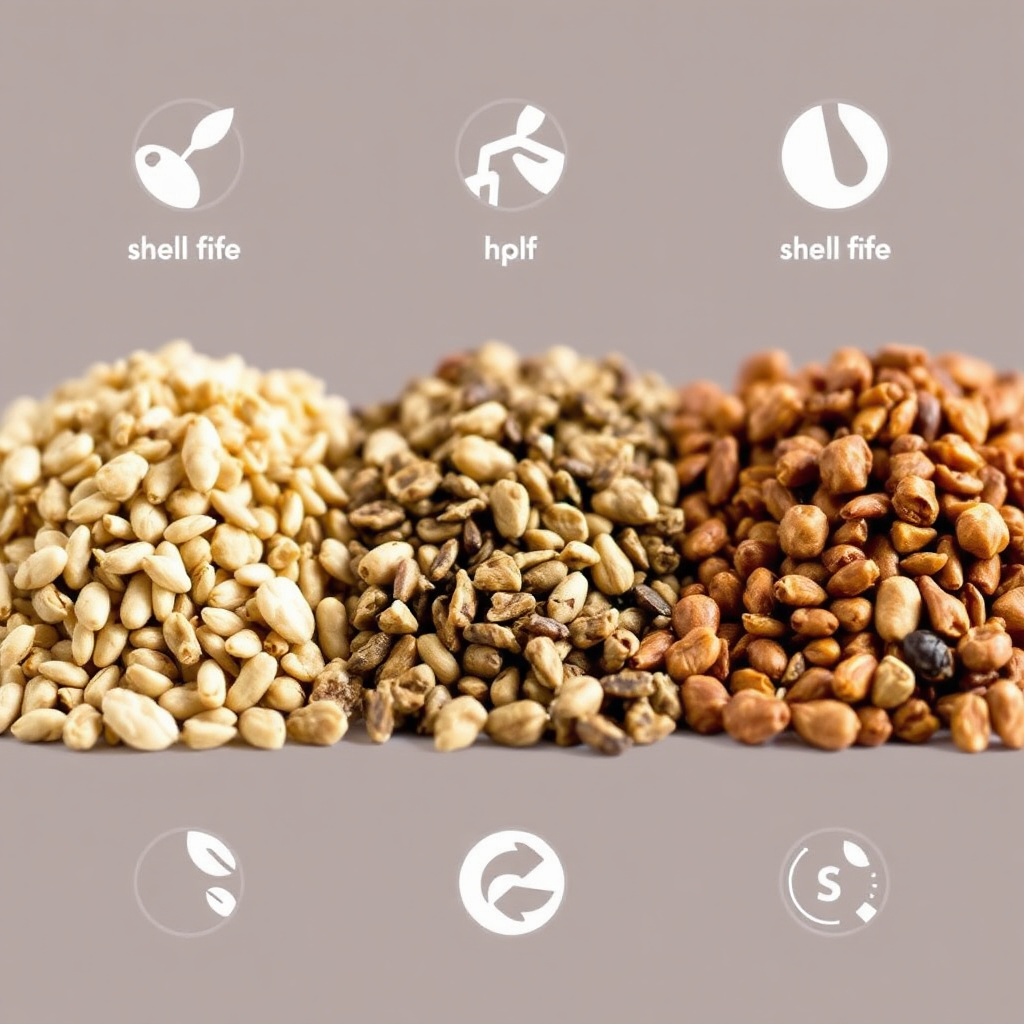
Short-Term vs. Long-Term Seed Storage
Certain seeds like peas and beans generally store well for 2 to 5 years, while others like onions or parsnips remain viable only 1 to 2 years. Seeds with hard coats, such as cucumbers or tomatoes, can last up to 10 years if stored properly.
Knowing your seed type helps tailor storage strategies and plan for replanting schedules to avoid disappointing germination results.
Recalcitrant and Orthodox Seeds
Orthodox seeds tolerate drying and freezing, making them ideal for storage using standard methods. Recalcitrant seeds, like those from tropical crops, do not withstand drying and require specialized conditions, often involving refrigeration at higher humidity levels.
Most common vegetable and flower seeds fall into the orthodox category, making seed storage more straightforward for home gardeners.
Best Seed Storage Methods for Gardeners
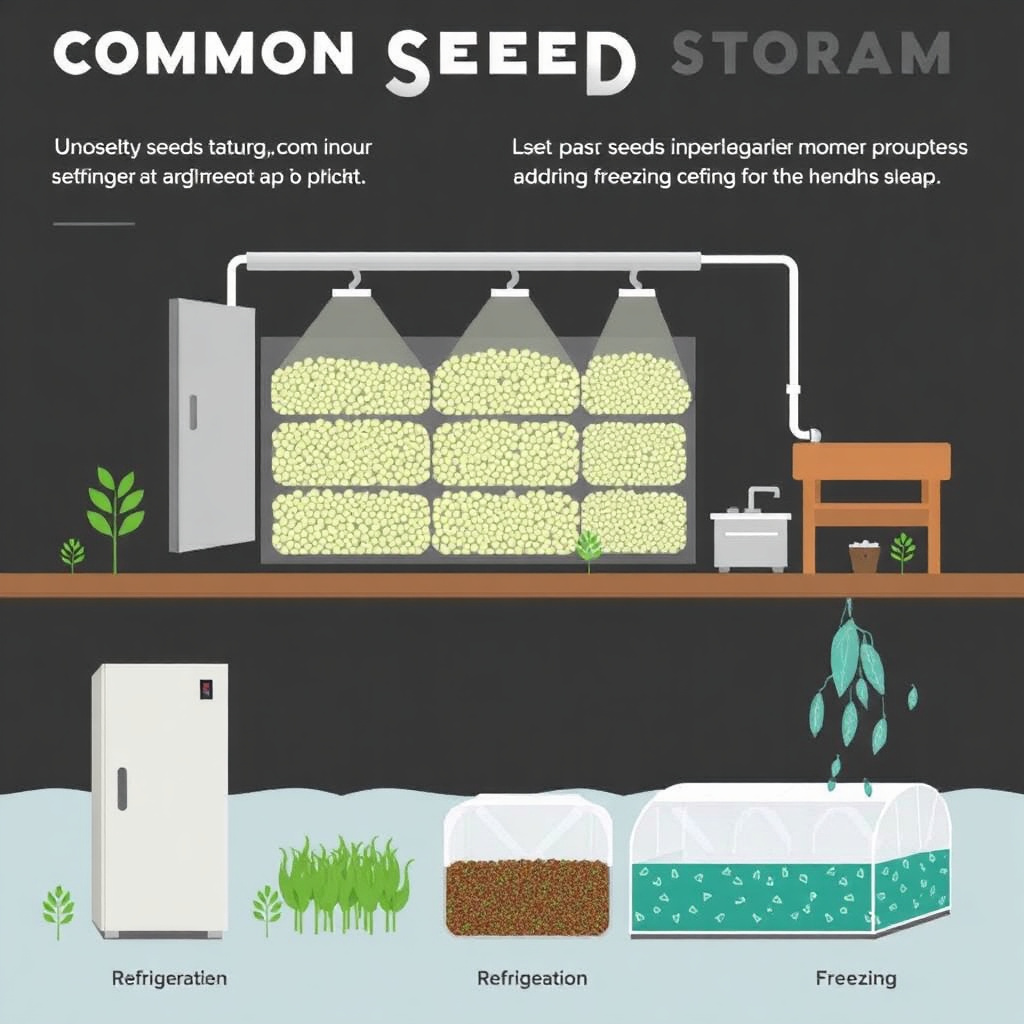
Refrigeration for Extended Viability
Storing seeds in a refrigerator keeps temperature low and stable, significantly increasing seed lifespan. Use airtight containers with desiccants to prevent moisture buildup inside the fridge, which can be humid.
Refrigeration works well for most seeds except those highly sensitive to chilling injury. Avoid placing seeds in the freezer unless specifically tested.
- Use glass jars or vacuum bags
- Add silica gel packets
- Keep away from fridge door for stability
For more on this, see our related guide: How to Store Cannabis Seeds for Maximum Longevity and Viability.
Freezing Seeds for Long-Term Storage
Freezing seeds at temperatures below 32°F (0°C) can pause metabolic processes and effectively preserve them indefinitely. However, seeds must be completely dry to avoid damage from ice crystals.
Only certain orthodox seeds tolerate freezing; always test a small batch before freezing large quantities to avoid loss.
- Use moisture-proof packaging
- Test seed viability after thawing
- Avoid repeated freeze-thaw cycles
Maintaining Seed Quality Over Time
Seed Rot and Pest Prevention
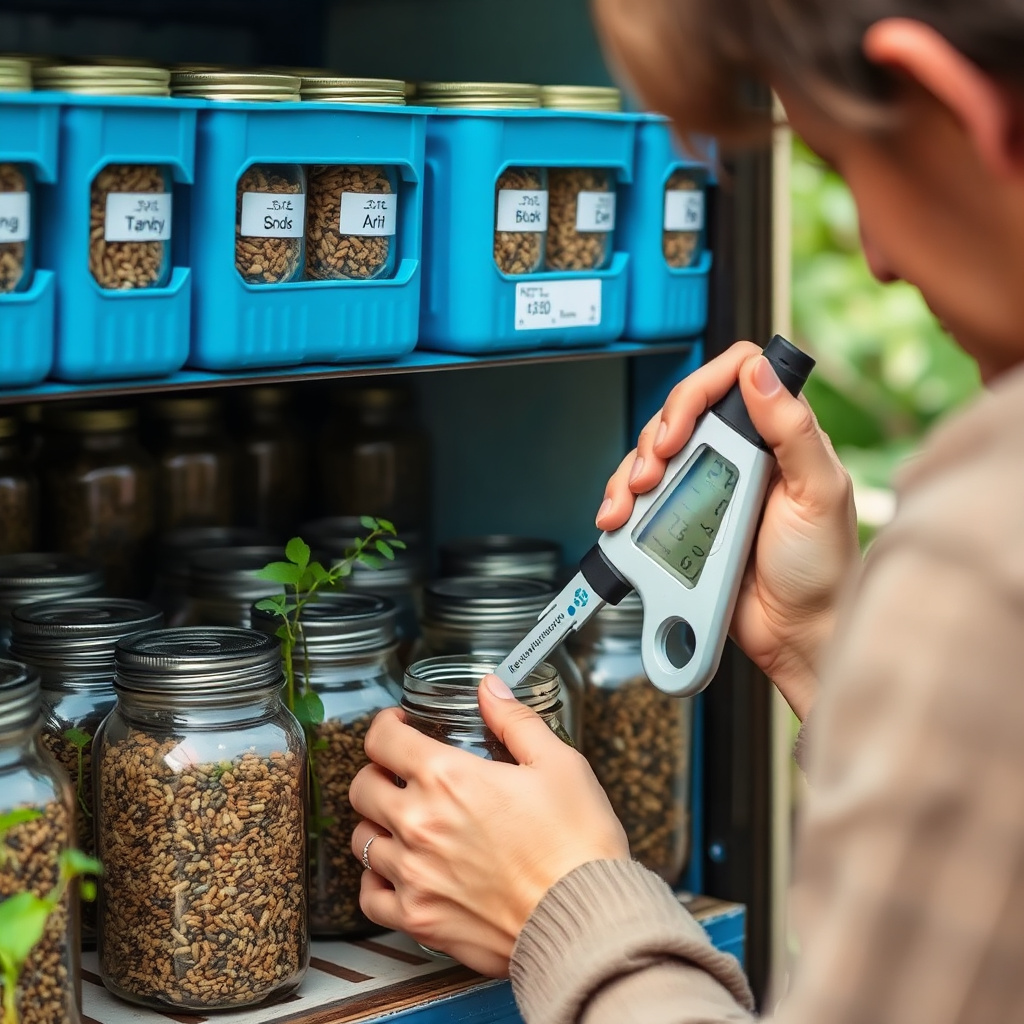
Keeping seeds dry and sealed prevents mold, fungal growth, and insect infestations that compromise seed quality. Avoid storing seeds near food or in damp places to reduce pest attraction.
Regularly inspect stored seeds for signs of discoloration, mold, or damage, discarding compromised seeds immediately to protect the rest.
- Store away from food items
- Inspect containers quarterly
- Use airtight jars with good seals
For more detailed information on seed longevity and preservation techniques, you can review the seed storage best practices article on Wikipedia. seed storage best practices.
Testing Germination Rate Before Planting
Before using older seeds, conduct a germination test by planting a small sample under ideal conditions. This assesses viability and helps determine needed seeding density for successful crops.
If germination rates fall below 50%, consider replenishing seed stocks or sourcing fresh seeds to maintain garden productivity.
Seed Storage Method Comparison
Here is a comparison of common seed storage methods highlighting their benefits and limitations for gardeners.
| Storage Method | Recommended Seed Types | Storage Duration | Cost | Ease of Use |
|---|---|---|---|---|
| Paper Envelopes | Short-term hardy seeds | Up to 1 year | Very low | Easy |
| Airtight Glass Jars | Most orthodox seeds | 3-10 years | Moderate | Moderate |
| Refrigeration | Most seeds | 5-10 years | Moderate | Easy |
| Freezing | Orthodox seeds only | 10+ years | Higher | Requires care |
| Vacuum-Sealed Bags | Various seeds | 5-10 years | Moderate | Moderate |
Frequently Asked Questions
Can I store seeds in plastic bags?
Plastic bags are useful for short-term seed storage if sealed tightly and kept dry. However, they do not protect against moisture well over long periods, so airtight glass or vacuum-sealed containers are better for longer storage.
Should seeds be refrigerated immediately after harvesting?
Seeds should be fully cleaned and dried before refrigeration. Storing damp seeds in the fridge can lead to mold growth. Always ensure seeds are thoroughly dry to protect them from moisture damage.
What seeds last the longest in storage?
Seeds with hard coats, such as tomatoes, cucumbers, and beans, often last 5 to 10 years or more when stored properly. In contrast, seeds like onions or parsnips tend to lose viability within 1 to 2 years.
Can freezing reduce seed quality?
Freezing can effectively preserve orthodox seeds but only if they are completely dry. Moisture inside seeds causes ice crystal formation, which damages cells, reducing germination rates. Test seed viability after freezing.
How can I test if my seeds are still good?
Conduct a germination test by planting a sample of seeds under optimal conditions and observing the sprouting rate. If more than half germinate, the seeds remain viable; otherwise, replacement is advised.
Key Takeaways
- Store seeds dry in airtight containers to prevent moisture damage.
- Keep seeds cool and dark, ideally using refrigeration for longevity.
- Seed type affects storage lifespan; hard-coated seeds last longer.
- Test seed viability periodically with germination trials.
Conclusion
Choosing how to store seeds well relies on controlling moisture, temperature, storage container type, and understanding seed characteristics. By following good drying practices and choosing airtight containers placed in cool, dark environments, gardeners maximize seed viability and maintain a diverse seed bank for future planting seasons. Regular checks and labeling streamline organization and reduce waste due to spoiled seeds.
For gardeners seeking practical solutions, airtight glass jars stored in refrigerators strike an effective balance for many seed types, combining low humidity control with stable temperatures. Seeds with tougher coats like beans or tomatoes benefit greatly from refrigeration, while more sensitive seeds require testing before freezing. Paper envelopes or plastic bags work best only for short-term storage. Employing desiccants inside containers also supports maintaining optimal dryness.
As a next step, gather your seeds, clean and dry them thoroughly, and select suitable storage containers based on your available space and seed type. Maintain a consistent cool environment, organize seeds with clear labels, and routinely test older seed batches before planting. Proper seed storage extends your gardening potential and reduces the need to purchase new seeds frequently.