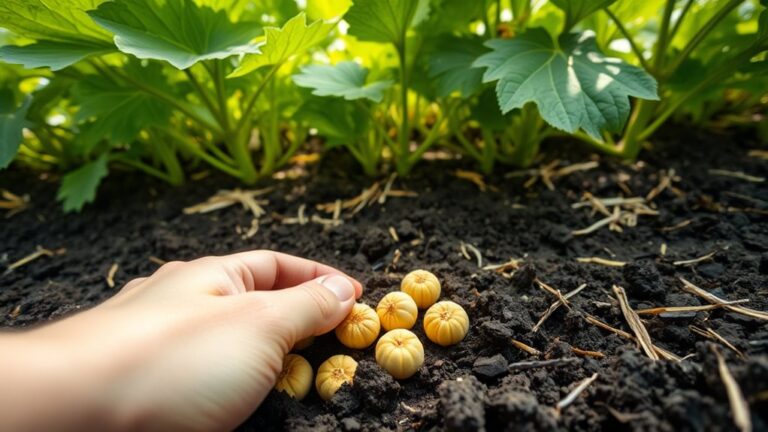
How to Fix Stunted Plants: Effective Solutions for Healthy Growth
Stunted plants can be revived by identifying and correcting underlying issues such as poor soil quality, inadequate watering, pest infestations, or lack of sunlight. The first step is diagnosing the cause and then adjusting care routines accordingly to encourage healthy growth.
When plants stop growing properly, it not only affects their appearance but also their ability to produce flowers or fruit. Stunted growth signals stress, which, if addressed promptly, can be reversed. Understanding the factors influencing plant development helps gardeners improve their overall plant health and vitality.
This article will explore common causes of stunted plants and offer practical solutions including soil improvement, watering adjustments, pest control, and optimizing light exposure. You'll also find tips on fertilization and plant selection that can help prevent future growth problems.
Identifying Causes of Stunted Plants

Soil Quality Issues
Poor soil conditions are a leading cause of stunted plants. Soil that is compacted, lacks nutrients, or has improper pH balance restricts root development and nutrient uptake, leading to slowed growth.
Testing the soil for nutrient deficiencies and pH levels can help diagnose issues. Amendments like organic matter, compost, or lime can improve soil structure and fertility for better plant health.
- Compacted soil limits root expansion
- Low nutrient availability hinders growth
- Incorrect pH affects nutrient absorption
Watering and Drainage Problems
Both overwatering and underwatering can cause stunted growth. Overwatering often leads to root rot, while underwatering stresses plants by limiting water availability.
Good drainage is essential, as waterlogged soil deprives roots of oxygen. Checking soil moisture regularly and adjusting watering habits prevents water-related growth issues.
- Avoid waterlogged soil
- Maintain consistent moisture levels
- Use well-draining soil mixes
Improving Plant Environment

Optimizing Light Exposure
Insufficient light is a common factor causing stunted growth, especially indoors or in shaded areas. Plants need the right light intensity and duration to photosynthesize effectively.
Evaluate the natural light your plants receive and supplement with grow lights if necessary, particularly for indoor plants or during shorter daylight periods.
- Determine plant-specific light needs
- Use full-spectrum grow lights indoors
- Avoid excessive direct sunlight for shade-loving plants
For more on this, see our related guide: How to Fix Overwatered Cannabis Plants: Effective Recovery Tips.
Temperature and Humidity Control
Extreme temperatures and inappropriate humidity levels stress plants, potentially stunting their development. Many plants have preferred temperature ranges and humidity levels for optimal growth.
Maintaining stable, suitable environmental conditions helps plants invest energy in growth rather than stress responses. Use fans, heaters, or humidifiers as needed to adjust conditions.
- Keep temperature within species tolerance
- Avoid rapid temperature fluctuations
- Maintain appropriate humidity levels
Nutrient Management to Fix Stunted Plants

Choosing the Right Fertilizer
Fertilizer choice is critical; balanced fertilizers supply essential macro- and micronutrients necessary for plant growth. Nitrogen promotes leaf growth, phosphorus supports roots, and potassium aids overall vigor.
Too much or too little fertilizer can both cause issues. Use soil tests to determine deficiencies and apply fertilizer accordingly to improve plant health.
- Use balanced N-P-K fertilizers
- Apply based on soil test results
- Avoid over-fertilization to prevent burn
Organic vs. Synthetic Nutrients
Organic fertilizers release nutrients slowly, improving soil health over time, while synthetic fertilizers provide quick nutrient availability. Both have roles depending on the plant's needs and growing conditions.
Incorporating organic matter like compost can also support beneficial microbes that boost nutrient uptake.
- Organic fertilizers enhance soil structure
- Synthetic fertilizers offer immediate nutrients
- Combine both for sustained feeding
Addressing Pests and Diseases
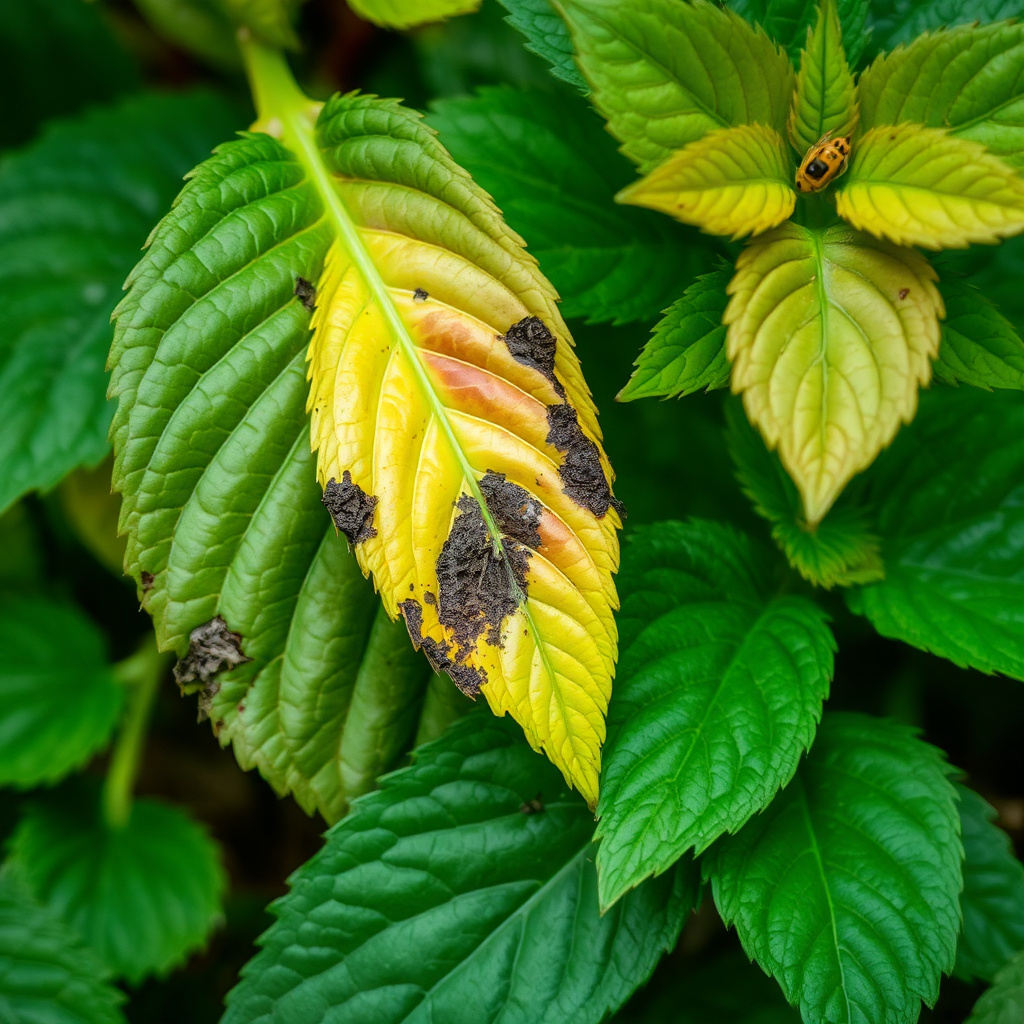
Common Pests Causing Stunted Growth
Pests such as aphids, spider mites, and root nematodes feed on plants and disrupt their growth. These insects extract sap or attack roots, causing nutrient and water uptake problems leading to stunting.
Regular inspection and early pest detection allow for timely management through natural predators, insecticidal soaps, or targeted treatments.
- Watch for aphid infestations
- Monitor spider mite presence
- Check roots for nematode damage
For more on this, see our related guide: How to Identify and Fix Cannabis Plant Nutrient Deficiencies.
Preventing and Treating Diseases
Fungal and bacterial infections can also stunt plants, often entering through wounds or stressed conditions. Proper sanitation, resistant varieties, and fungicidal treatments can limit damage.
Ensuring good air circulation and avoiding overwatering reduces disease incidence and supports healthy growth.
- Use disease-resistant plant varieties
- Practice good garden hygiene
- Apply fungicides when necessary
Pruning and Repotting Strategies

When and How to Prune Stunted Plants
Pruning removes dead or unhealthy parts, stimulating new growth and improving airflow. For stunted plants, cutting back leggy or damaged stems can redirect energy to stronger growth points.
Use clean, sharp tools and prune during the plant’s active growing season to maximize recovery.
- Remove dead or diseased branches
- Cut back to healthy buds
- Prune during growth phases
For more detailed insights into how plants grow and develop, refer to this comprehensive resource on plant growth. plant growth information.
Benefits of Repotting
Repotting stunted plants into larger containers refreshes soil and allows roots more space to grow. It also mitigates issues from depleted or compacted soil.
Choose a pot with proper drainage and use nutrient-rich potting mix to support vigorous plant development.
- Select pots 1-2 sizes larger
- Use fresh, well-draining soil
- Repot when root-bound
Comparison of Common Causes of Stunted Plants
This table highlights typical causes of stunted plants and how they impact growth, along with suggested remedies.
| Cause | Symptoms | Impact on Growth | Recommended Fix |
|---|---|---|---|
| Poor Soil Quality | Yellowing leaves, weak stems | Limits nutrient and water uptake | Add organic matter, adjust pH |
| Inadequate Watering | Wilting or soggy leaves | Root rot or dehydration | Adjust watering frequency and drainage |
| Insufficient Light | Leggy growth, pale leaves | Reduces photosynthesis | Increase sunlight or use grow lights |
| Pest Infestation | Chewed leaves, sticky residue | Direct damage and stress | Apply pest controls and monitor |
| Nutrient Deficiency | Discolored foliage, slow growth | Weak structural development | Use balanced fertilizers based on soil tests |
Frequently Asked Questions
Can stunted plants recover completely?
Yes, stunted plants can recover if the cause is identified and corrected early enough, allowing them to resume normal growth patterns.
How often should I check my plants for stunted growth?
Regular monitoring, ideally weekly, helps catch early signs of stunting so corrective actions can be taken promptly.
Is over-fertilizing harmful to plants?
Over-fertilizing can damage roots and cause nutrient imbalances, which may worsen stunted growth instead of improving it.
Do indoor plants need special care to avoid stunting?
Indoor plants require adequate light, controlled humidity, and proper watering to prevent stunted growth typical in low-light or dry environments.
Can pruning help fix stunted plants?
Pruning can redirect energy to healthy parts and stimulate growth, making it a useful strategy for addressing stunted plants.
Key Takeaways
- Identify and correct soil, water, and light issues promptly
- Use appropriate fertilizers based on soil testing
- Manage pests and diseases to reduce plant stress
- Prune and repot to encourage renewed growth
Conclusion
Fixing stunted plants involves a careful process of diagnosis and intervention focused on the plant’s environment and care routines. By evaluating factors such as soil quality, watering habits, and exposure to light, gardeners can pinpoint what limits growth. Addressing these areas thoughtfully leads to better nutrient uptake, healthier roots, and more vigorous development, ultimately reversing stunting.
Specific strategies include improving soil through organic matter addition, selecting balanced fertilizers, and using grow lights or repositioning plants for adequate sunlight. Managing pests and diseases with early detection and intervention reduces stress, and techniques like pruning and repotting give plants new energy and space to grow. For example, potted indoor plants that are leggy may benefit from supplemental lighting and repotting into richer soil to restore growth momentum.
For gardeners facing stunted plants, the next step is a systematic examination of growing conditions followed by targeted adjustments. Routine observation and adaptive care, guided by these principles, can return struggling plants to health. Starting with simple soil tests and moisture checks will often reveal the quickest fixes, setting the stage for plant recovery and flourishing growth.