How to Plan a Small Garden: Practical Tips for Maximizing Your Space
Planning a small garden starts with understanding your available space, light conditions, and what you want to achieve with your garden. By measuring your area and considering factors like sun exposure and soil type, you can choose plants and layout that fit perfectly, ensuring your garden thrives despite limited space.
Small gardens present unique opportunities for creativity and efficiency. Thoughtful planning helps maximize space usage without overcrowding, creating a balanced environment for both plants and people. This matters because a well-planned small garden offers aesthetic appeal, easy maintenance, and better plant health.
In this article, you'll learn how to assess your garden space, select suitable plants, plan the layout, and implement small garden design ideas that suit your lifestyle and environment. We'll also cover maintenance tips and common pitfalls to avoid when cultivating a small garden.
Understanding Your Small Garden Space and Conditions
Measuring and Mapping Your Garden Area
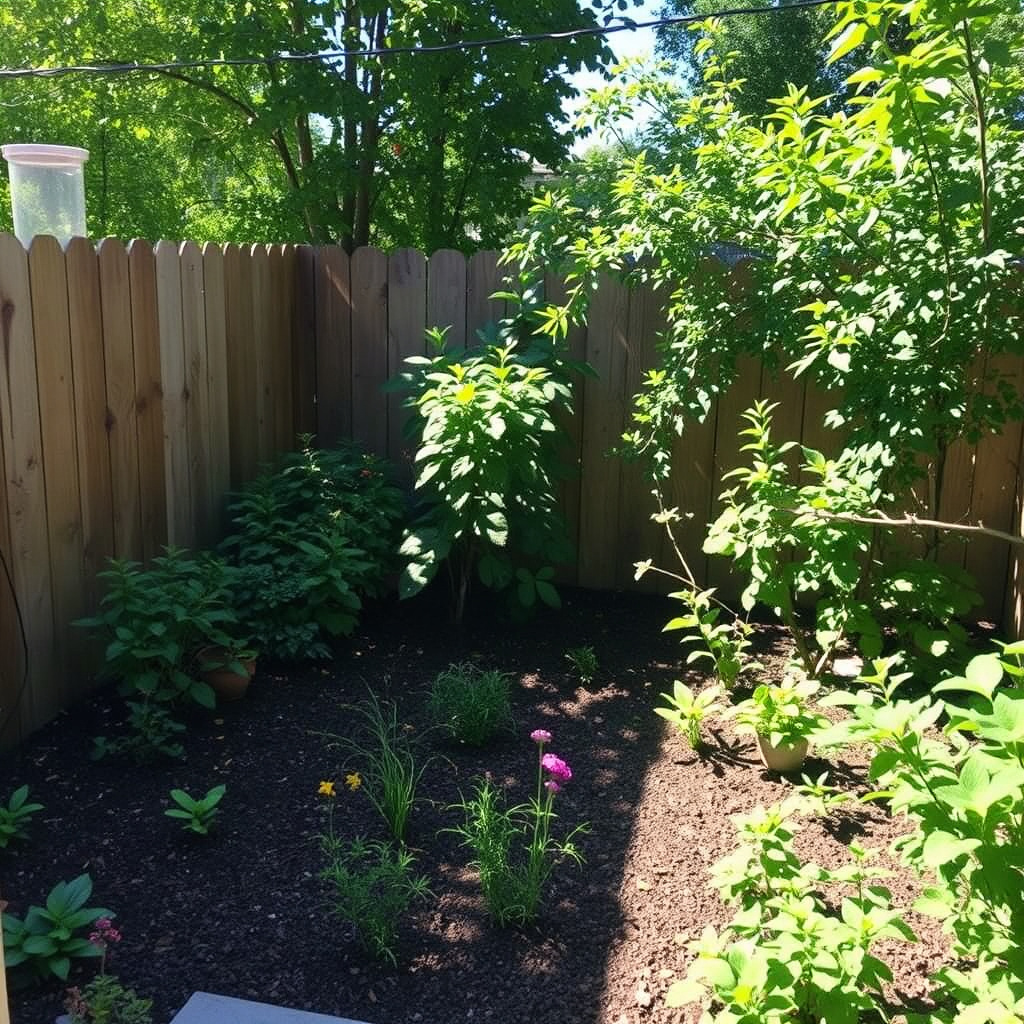
Start your garden plan by measuring the exact dimensions of your available space. This includes length, width, and notable features such as trees, pathways, or existing structures. Sketching a to-scale map helps visualize how different elements can fit together.
Knowing your garden’s shape and size guides decisions on plant placement and the scale of garden features. A simple grid or scaled drawing allows you to experiment with layouts before actual planting, saving time and effort.
- Measure length and width precisely
- Note obstacles like sheds or patios
- Create a scaled paper or digital sketch
Assessing Light and Soil Conditions
Monitor the type and duration of sunlight your garden receives throughout the day. Some plants thrive in full sun, while others prefer shade or filtered light. Soil testing for pH and nutrient content helps you choose suitable plants and amend the soil effectively.
Light and soil conditions directly impact plant health and growth. Matching plants to their preferred environments makes your small garden more sustainable and easier to maintain.
- Track sun exposure during different times
- Perform basic soil pH and texture tests
- Identify areas with poor drainage or compaction
Choosing Plants for a Small Garden

Selecting Compact and Multi-purpose Plants
Compact plants with slow or controlled growth preserve precious space in a small garden. Consider dwarf shrubs, columnar trees, and plants that serve multiple purposes such as herbs that provide fragrance, culinary uses, and ground cover.
Using versatile plants helps you get more from less space by combining beauty and function. This selection also minimizes overcrowding, maintaining healthy airflow and light penetration.
- Dwarf conifers and shrubs
- Herbs like basil, thyme, and rosemary
- Vertical climbers such as clematis
For more on this, see our related guide: Plant Genetics Explained for Beginners: Understanding the Basics of Heredity in Plants.
Incorporating Seasonal Variety and Color
To keep your garden visually interesting throughout the year, choose a mix of plants that bloom or change foliage during different seasons. This approach maximizes aesthetic appeal without needing a large number of plants.
Seasonal variety also supports local wildlife like pollinators and creates dynamic textures and colors that enrich your garden’s atmosphere.
- Spring bulbs like tulips or crocus
- Summer perennials such as coneflower
- Autumn foliage plants like Japanese maple
Planning the Layout of Your Small Garden

Maximizing Space with Raised Beds and Containers
Raised beds and containers efficiently use limited space while improving soil conditions and drainage. They also simplify maintenance and enable flexible design, as you can rearrange containers seasonally or as plants grow.
Using vertical space through trellises or wall-mounted planters adds more planting area without taking up ground space, ideal for small gardens.
- Raised wooden or stone garden beds
- Various container sizes for herbs and flowers
- Trellises and vertical garden systems
Designing Functional Zones and Pathways
Dividing your garden into zones — such as seating, planting, and utility areas — creates order and accessibility. Pathways should guide movement efficiently without wasting space, using materials like gravel, stepping stones, or permeable pavers.
Well-placed seating adds a social or restful aspect, making your small garden enjoyable beyond just plant cultivation.
- Define planting, seating, and storage areas
- Create narrow, curved pathways for visual interest
- Use materials that complement your garden style
Implementing Small Garden Design Ideas

Employing Vertical Gardening Techniques
Vertical gardening increases usable planting space by growing plants upward rather than outward. Techniques include hanging planters, wall-mounted pots, and vertical trellis systems that support climbers or cascading plants.
This style fits well with small garden design ideas, as it adds greenery without reducing floor area and can create privacy or shade.
- Hanging baskets with trailing flowers
- Wall-mounted planter pockets
- Trellises for beans, peas, or flowering vines
For more on this, see our related guide: What Affects Plant Growth: Key Factors Explained for Healthy Gardens.
Incorporating Edible Plants and Herbal Gardens
Growing edible plants and herbs provides fresh produce and enhances garden usage. Many herbs grow well in confined spaces or containers, making them perfect for small gardens. Mixing edible and ornamental plants can optimize space and add scents or textures.
Herbal gardens also attract pollinators and can have therapeutic effects through their fragrance and appearance.
- Compact vegetable varieties like cherry tomatoes
- Herb planters with basil, mint, and parsley
- Companion planting for pest control
Maintaining and Caring for Your Small Garden

Efficient Watering and Soil Management
Small gardens benefit from targeted watering techniques such as drip irrigation or watering cans to avoid waste. Mulching helps retain moisture while suppressing weeds. Regular soil feeding and aeration maintain fertility and plant health.
Good soil management supports root development, reduces plant stress, and promotes vigorous growth in tight spaces.
- Install drip irrigation or soaker hoses
- Apply organic mulch layers
- Use balanced slow-release fertilizers
For more detailed information on various gardening techniques, consider exploring gardening basics on Wikipedia. gardening basics on Wikipedia.
Regular Pruning and Pest Control
Pruning maintains plant size and shape, which is key in a small garden to prevent overcrowding. Keeping an eye out for pests and managing them promptly protects your plants without harmful chemicals in a limited environment.
Integrated pest management techniques like companion planting and natural predators help maintain a balanced ecosystem.
- Prune shrubs and vines seasonally
- Use insecticidal soaps or neem oil as needed
- Encourage beneficial insects like ladybugs
Small Garden Layout Styles Comparison
Explore how various small garden layout styles differ in space use, maintenance, and visual impact with this helpful overview.
| Style | Space Efficiency | Maintenance Level | Ideal For |
|---|---|---|---|
| Raised Beds | High | Medium | Vegetable and herb gardeners |
| Container Gardens | Medium | Low | Urban balconies and patios |
| Vertical Gardens | Very High | Medium | Limited floor space, privacy |
| Mixed Zones Layout | Medium | High | Those seeking multifunctional spaces |
| Minimalist Design | High | Low | Modern aesthetics and low upkeep |
Frequently Asked Questions
How much sunlight does a small garden usually need?
Most small gardens require at least 4 to 6 hours of direct sunlight daily for healthy plant growth. However, some shade-tolerant plants can thrive with less light.
Can I grow vegetables in a small garden?
Yes, choosing compact and container-friendly vegetable varieties allows you to grow fresh produce even in limited space.
What are the benefits of raised beds in small gardens?
Raised beds improve drainage, soil quality, and access for planting and maintenance, making them ideal for compact garden spaces.
How often should I water plants in a small garden?
Watering frequency depends on plant type, weather, and soil, but generally, small gardens need watering 2-3 times a week, ensuring soil remains moist but not waterlogged.
Is vertical gardening suitable for all small gardens?
Vertical gardening suits most small spaces but requires sturdy supports and adequate sunlight for climbing plants to thrive.
Key Takeaways
- Accurately assess your space and environmental conditions before planning.
- Choose compact, multi-purpose plants for better space use.
- Incorporate vertical gardening and container plants in your design.
- Regular maintenance keeps your small garden healthy and vibrant.
Conclusion
When planning a small garden, the foundation lies in accurately evaluating your space, including measurements, sunlight, and soil quality. This allows you to make informed decisions on plant selection and layout, balancing aesthetics and function. A strategic approach that embraces compact plants and thoughtful design maximizes enjoyment and minimizes maintenance challenges common in constrained areas.
Different styles fit distinct needs: raised beds suit gardeners focused on vegetables and herbs, while container and vertical gardens work well for urban settings or severely limited footprints. Mixed zones offer social and practical benefits for those wanting multifunctional gardens. Selecting from these options depends on your personal gardening goals and the physical characteristics of your space.
To begin, create a scaled map of your garden, test soil and light, then choose plants and layout according to your findings. Consider starting small with containers or raised beds to experiment before expanding your design. With ongoing care such as watering, pruning, and pest management, your small garden can flourish as a rewarding oasis tailored uniquely to your home.