How to Understand Phenotype Hunting: A Practical Guide
Phenotype hunting refers to the process of identifying and selecting organisms based on observable traits, or phenotypes, which result from the interaction of their genetic makeup and environment. Understanding phenotype hunting means being able to recognize these traits accurately and link them to genetic factors to aid in fields such as breeding, evolutionary studies, or medical genetics.
This approach is important because phenotypes are the visible clues that reflect an organism’s underlying genotype and environmental influences. By focusing on phenotypes, researchers and breeders can make informed decisions without always needing immediate genetic testing. This saves time and resources while effectively directing efforts toward desired outcomes.
In this article, we will explore the basic concepts behind phenotype hunting, how to identify key traits, and the techniques used to analyze and select phenotypes. We will also compare different categories of phenotype hunting approaches and answer common questions to give you a solid foundation in this topic.
What Is Phenotype Hunting and Why It Matters
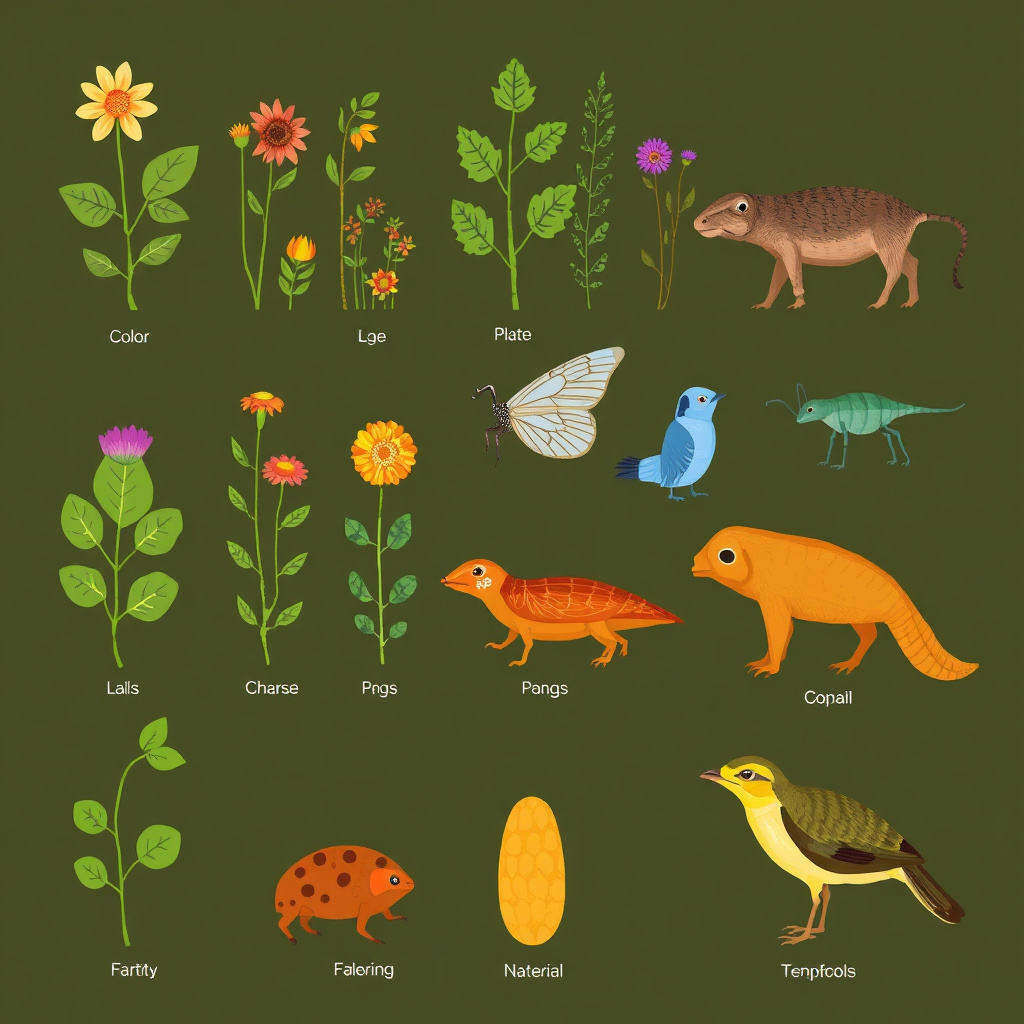
Definition and Core Concepts of Phenotype Hunting
Phenotype hunting is the practice of searching for and identifying organisms that exhibit specific observable traits linked to genetic variation. These traits can include morphological features, physiological responses, or behavioral characteristics.
The goal is to connect phenotype with genotype, understanding how certain genes express themselves in particular environments. This practice plays a key role in breeding, conservation, and research where direct genetic data might be limited.
Significance in Genetics and Breeding
Phenotype hunting allows selective breeding programs to enhance desirable traits such as disease resistance or yield. By detecting traits that are reliably passed to offspring, breeders improve crop varieties or livestock quality.
In genetics, phenotype data helps researchers make predictions about gene function and inheritance patterns, speeding up advances in fields like personalized medicine and evolutionary biology.
Identifying and Measuring Phenotypes in Practice

Techniques for Phenotype Detection
Phenotypes can be identified through direct observation, digital imaging, or biochemical assays. For example, trait variation like flower color can be recorded visually or quantified with spectrophotometers.
Modern tools such as high-throughput phenotyping platforms can capture multiple traits simultaneously, integrating sensor data to provide precise and rapid measurements across large populations.
- Visual scoring by trained observers
- Digital photography and image analysis
- Biochemical tests for metabolic traits
- Automated sensor technologies
Standardizing Trait Measurements
Consistency in how traits are measured ensures reliable comparison between individuals or groups. Standard protocols often define trait units, timing for observations, and environmental controls.
Without standardization, differences in measurements might reflect observer bias or environmental variation rather than true genetic effects, compromising phenotype hunting conclusions.
- Use of standardized measurement scales
- Controlled growing or testing conditions
- Training observers to reduce bias
- Repeated measurements to verify data
Linking Phenotypes to Genetic Data

Mapping Phenotypes to Genes
Once phenotypes are identified, genetic mapping methods like QTL (Quantitative Trait Loci) analysis help locate specific genome regions controlling these traits. This association allows for more targeted breeding or genetic modification.
Combining phenotype data with genotyping advances trait prediction and gene function understanding, especially for complex traits controlled by multiple genes.
Using Genetic Markers
Genetic markers are DNA sequences linked to phenotypes. They serve as flags to track genes during breeding programs or research. Selecting individuals with favorable markers expedites developing new strains with improved traits.
Marker-assisted selection simplifies phenotype hunting by focusing on genotype assays instead of extensive phenotype screening, particularly valuable in traits difficult to observe.
Phenotype Hunting Strategies in Different Fields

Agricultural and Livestock Breeding
Agricultural phenotype hunting targets improvements like drought tolerance or meat quality. Breeders select plants and animals exhibiting superior phenotypes under real-world conditions, enhancing food production efficiency.
Traits such as seed size or milk yield are monitored over generations to establish stable, heritable improvements, combining traditional knowledge with genomic tools.
Medical and Evolutionary Research
In medical genetics, phenotype hunting helps identify physical or biochemical traits linked to disease risk. This insight guides diagnostic and therapeutic strategies tailored to patient subgroups.
Evolutionary biologists study phenotypes to track adaptation processes or speciation events, connecting traits’ distributions with environmental pressures and history.
Challenges and Limitations in Phenotype Hunting

Environmental Influence and Phenotypic Plasticity
Phenotypes often vary due to environmental factors, which can obscure genetic contributions. For example, nutrient availability affects plant height, making it harder to identify gene-based changes.
Phenotypic plasticity, where one genotype can produce different traits under different environments, complicates hunting efforts unless conditions are carefully controlled or accounted for.
Complex Trait Interactions
Many phenotypes derive from multiple genes interacting with each other and the environment, which challenges straightforward phenotype hunting. These polygenic traits require statistical models and large datasets to unravel.
Moreover, some traits involve subtle or continuous variation, demanding sensitive measurement instruments and data analysis to detect meaningful differences.
Improving Phenotype Hunting with Technology

High-Throughput Phenotyping Systems
Automation and robotics enable screening thousands of samples quickly, capturing multiple phenotypes through diverse sensors—such as cameras, infrared, or fluorescence detectors.
These systems reduce human error and variability, providing rich datasets that improve phenotype detection accuracy and speed across research and industry.
- Robotic handling of samples
- Multispectral imaging
- Automated data capture and processing
To explore more scientific background on phenotypes, consider reading the detailed Phenotype article on Wikipedia. Phenotype article on Wikipedia.
Artificial Intelligence and Data Analytics
Machine learning algorithms analyze complex phenotype datasets to detect patterns and predict trait inheritance. AI helps interpret multidimensional data from various measurement modalities.
These technologies allow phenotype hunting to address more complex traits and populations, overcoming previous manual limitations.
- Pattern recognition in phenotypic data
- Predictive modeling of trait outcomes
- Integration with genetic information
Phenotype Hunting Techniques Category Comparison
This table summarizes key approaches used in phenotype hunting, highlighting their strengths and suitability for different applications.
| Technique | Measurement Accuracy | Throughput | Complexity | Best Use Case |
|---|---|---|---|---|
| Visual Scoring | Moderate | Low | Simple | Small-scale breeding studies |
| Digital Imaging | High | Medium | Moderate | Morphological trait analysis |
| Biochemical Assays | Very High | Low | Complex | Metabolic and physiological traits |
| Automated Phenotyping Platforms | High | Very High | High | Large population screening |
| Genetic Marker Analysis | Indirect | Medium | Moderate | Marker-assisted selection |
Frequently Asked Questions
What is the difference between phenotype and genotype?
Phenotype refers to the observable physical or biochemical traits of an organism, while genotype is its genetic makeup. Phenotype results from the interaction of genotype with the environment.
Why is phenotype hunting important in agriculture?
It helps identify plants or animals with desirable traits such as drought resistance or high yield, enabling breeders to improve food crops and livestock effectively.
Can environmental factors affect phenotype hunting accuracy?
Yes. Environmental influences can mask or alter phenotypic traits, making it vital to control or account for conditions when hunting phenotypes.
How do genetic markers assist in phenotype hunting?
Genetic markers link specific DNA sequences to traits, allowing selection based on genotype, which speeds up identifying desirable phenotypes.
What technologies are used to improve phenotype hunting?
High-throughput phenotyping and artificial intelligence enable rapid, precise measurement and analysis of traits, increasing efficiency and accuracy.
Key Takeaways
- Phenotype hunting identifies organisms based on observable traits linked to genetics.
- Standardized measurement and environmental control improve data reliability.
- Linking phenotypes to genes accelerates breeding and genetic research.
- Advanced technologies enhance accuracy and throughput of phenotype hunting.
Conclusion
Understanding how to approach phenotype hunting requires balancing precise trait evaluation with knowledge of genetic and environmental influences. Effective phenotype hunting translates visible traits into actionable genetic insights by carefully measuring, standardizing, and analyzing phenotypes. This multi-step process guides decisions in breeding, medicine, and biological research, making it a cornerstone technique in genetics.
The most suitable phenotype hunting methods vary by objective. For straightforward, physical traits, visual scoring or digital imaging may be enough. Complex or biochemical traits benefit from assays or genomic correlations, while large-scale populations require automated phenotyping platforms paired with data analytics. Incorporating genetic marker analysis can further enhance selection accuracy. Matching the method to your goals ensures practical and reliable results.
For anyone beginning phenotype hunting, start by defining clear objectives, set standardized protocols to limit environmental effects, and select measurement techniques that align with your resource availability and trait complexity. Integrating modern technology gradually will improve outcomes and efficiency. Gaining expertise in phenotype hunting opens doors to diverse applications from agricultural breeding to evolutionary studies.