What Is a Cannabis Seed? A Complete Guide for Beginners
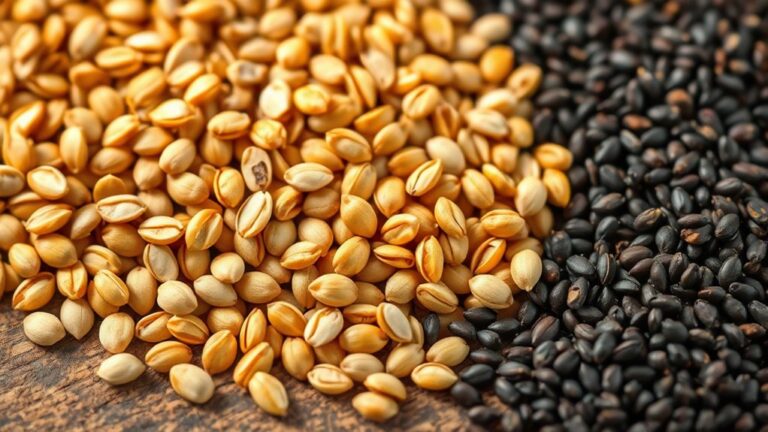
A cannabis seed is the reproductive unit of the cannabis plant, containing the embryo that grows into a mature cannabis plant when germinated. It holds all the genetic information needed for the plant's development, including potential cannabinoid and terpene profiles.
Understanding what a cannabis seed is matters because it is the starting point for cultivation, whether for medical, recreational, or industrial uses. The seed’s quality, type, and genetics greatly influence the yield, potency, and growth characteristics of the resulting cannabis plants.
This article explains the biology of cannabis seeds, differentiates between seed types, discusses how to identify quality seeds, and offers practical tips for germination and planting. It will also cover how seeds relate to overall cultivation success.
The Biology of Cannabis Seeds
Seed Structure and Development
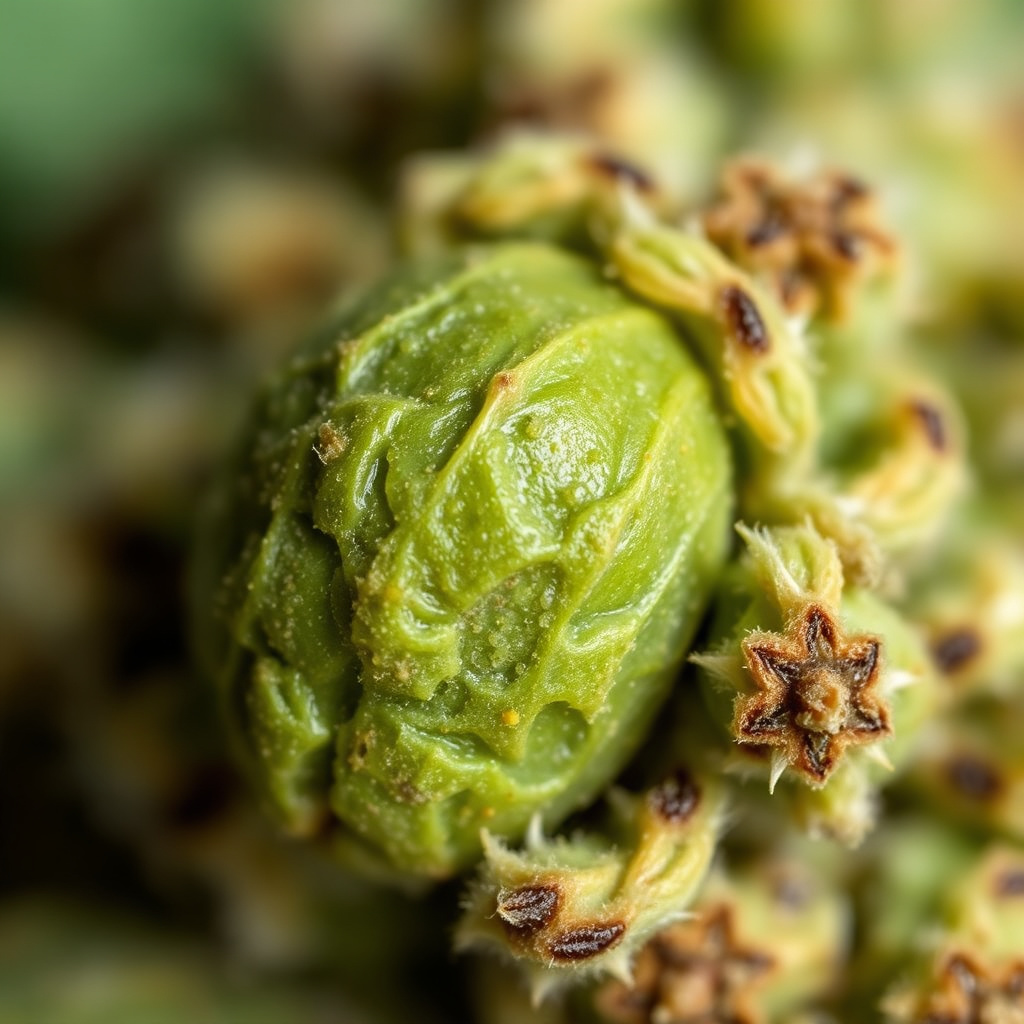
Cannabis seeds typically range from 2 to 5 millimeters in size and have a hard outer coat that protects the embryo inside. This outer shell is made of cellulose and lignin, providing durability against environmental factors.
Inside the seed, the embryo consists of a tiny root (radicle), stem (hypocotyl), and cotyledons, which act as the seed leaves. These parts develop as the seed germinates and supports early seedling growth.
Genetics and Growth Potential
The genetic material in a cannabis seed determines the plant’s sex, cannabinoid levels, terpene profiles, flowering times, and resistance to pests or diseases. Each seed carries a unique genetic code derived from its parent plants.
How these genetics express in the mature plant can vary depending on growing conditions and seed type, influencing the plant’s final appearance, potency, and yield.
Different Cannabis Seed Types Explained
Regular Seeds
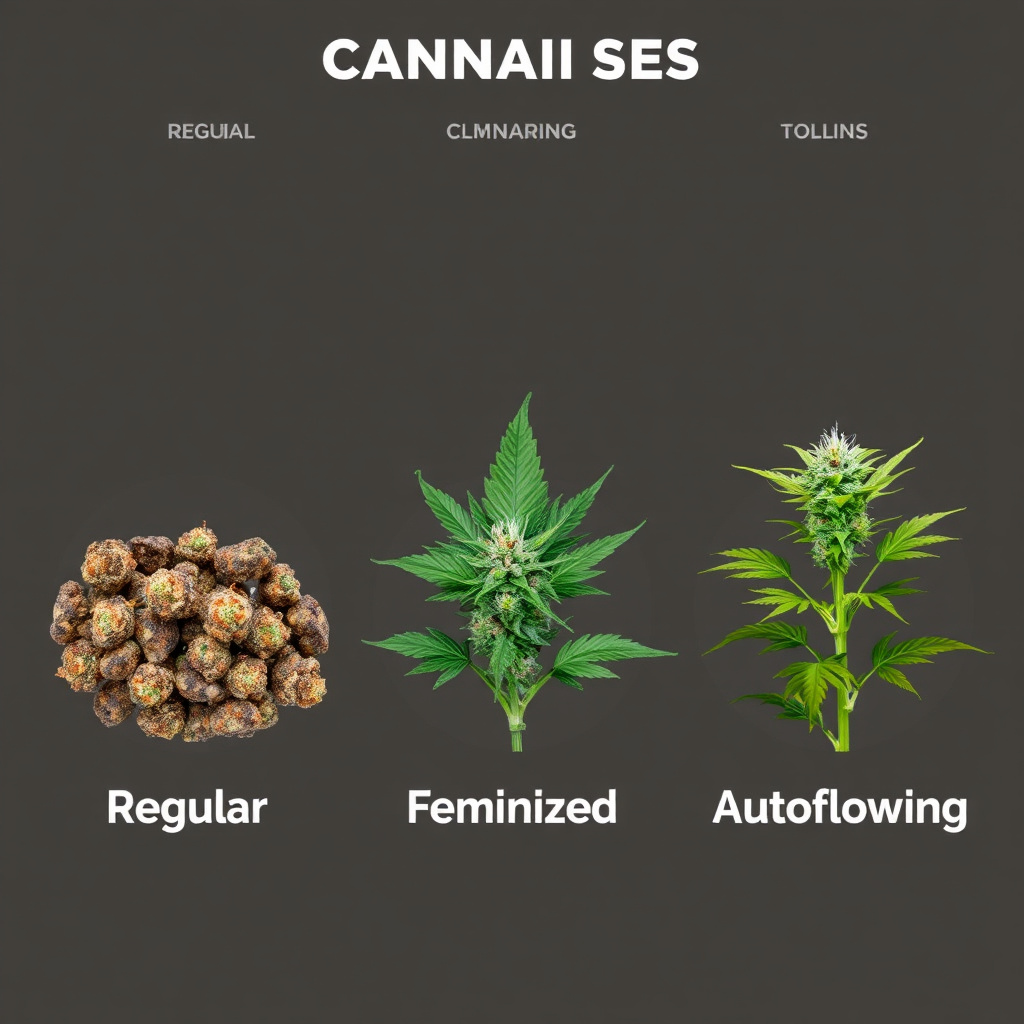
Regular cannabis seeds contain both male and female genetics, meaning they can produce either sex plant. Growers often use them to breed new strains, but male plants must be removed during flowering to avoid pollination.
They are generally more natural and stable genetically but less convenient for those interested only in flower production, as male plants produce less usable bud.
- Can grow into male or female plants
- Useful for breeding
- Requires sexing plants to remove males
Feminized Seeds
Feminized seeds are bred to produce only female plants, which are the ones that develop flowers or buds rich in cannabinoids. This eliminates the need to identify and remove males, simplifying cultivation for flower production.
These seeds are especially popular among home growers and commercial producers focused on maximizing yields of usable flower.
- Nearly 100% female plants
- Simplifies growing process
- Ideal for flower production
Understanding Cannabis Seed Quality
Signs of Healthy Cannabis Seeds
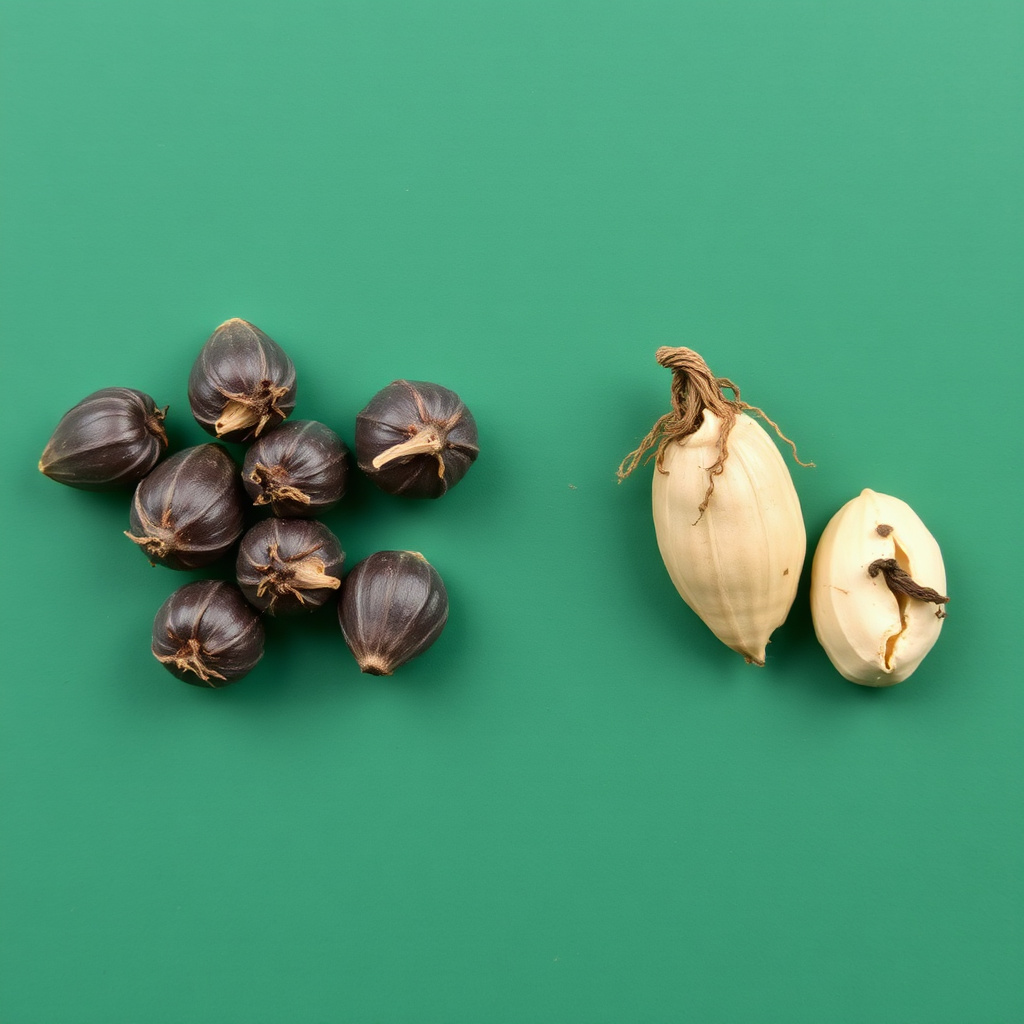
Healthy cannabis seeds tend to be dark brown or mottled gray with a hard, glossy surface. They feel firm to the touch and do not crack easily. The presence of a visible seed coat pattern often indicates maturity.
These seeds have a higher germination rate and better growth potential compared to pale or damaged seeds, which might be immature or nonviable.
- Dark coloration with stripes or mottling
- Hard outer shell
- Firm texture without cracks
For more on this, see our related guide: Are Cannabis Seeds Legal in the USA? Understanding the Legal Landscape.
Risks of Low-Quality Seeds
Seeds that are green, white, or soft are generally immature and may fail to germinate or produce weak plants. Using such seeds can lead to poor growth, uneven sex ratios, or lower yields.
Purchasing seeds from reputable sources improves the chances of obtaining viable, genetically stable seeds that perform as expected.
- Lower germination rates
- Weak or stunted seedlings
- Increased risk of male plants in feminized seed batches
How to Germinate Cannabis Seeds
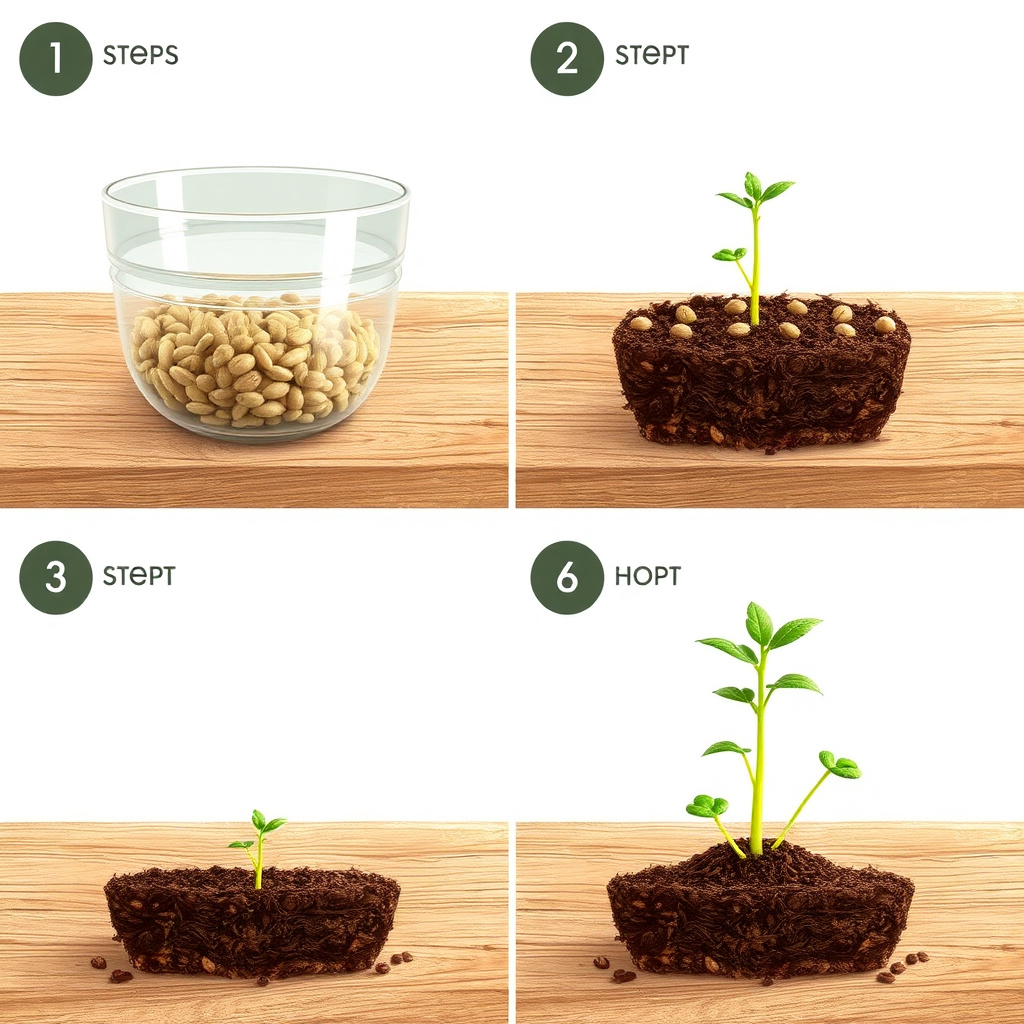
Common Germination Methods
The paper towel method is popular, where seeds are placed between moist, warm paper towels until they sprout. Alternatively, soaking seeds in water for 12-24 hours can encourage the seed coat to soften and trigger germination.
Planting directly into soil or starter cubes is also common, offering a natural environment for root development while minimizing seed handling risk.
- Paper towel method
- Soaking in water
- Direct soil planting
Ideal Conditions for Germination
Cannabis seeds germinate best under warm temperatures between 70-85°F (21-29°C) and moderate humidity. Consistent moisture without oversaturation prevents mold, and indirect light supports early growth once they sprout.
Avoiding disturbance during early germination protects fragile root tips, which is key to healthy seedling development.
- Temperature: 70-85°F (21-29°C)
- Moderate humidity
- Indirect light after sprouting
Cannabis Seeds and Cultivation Success
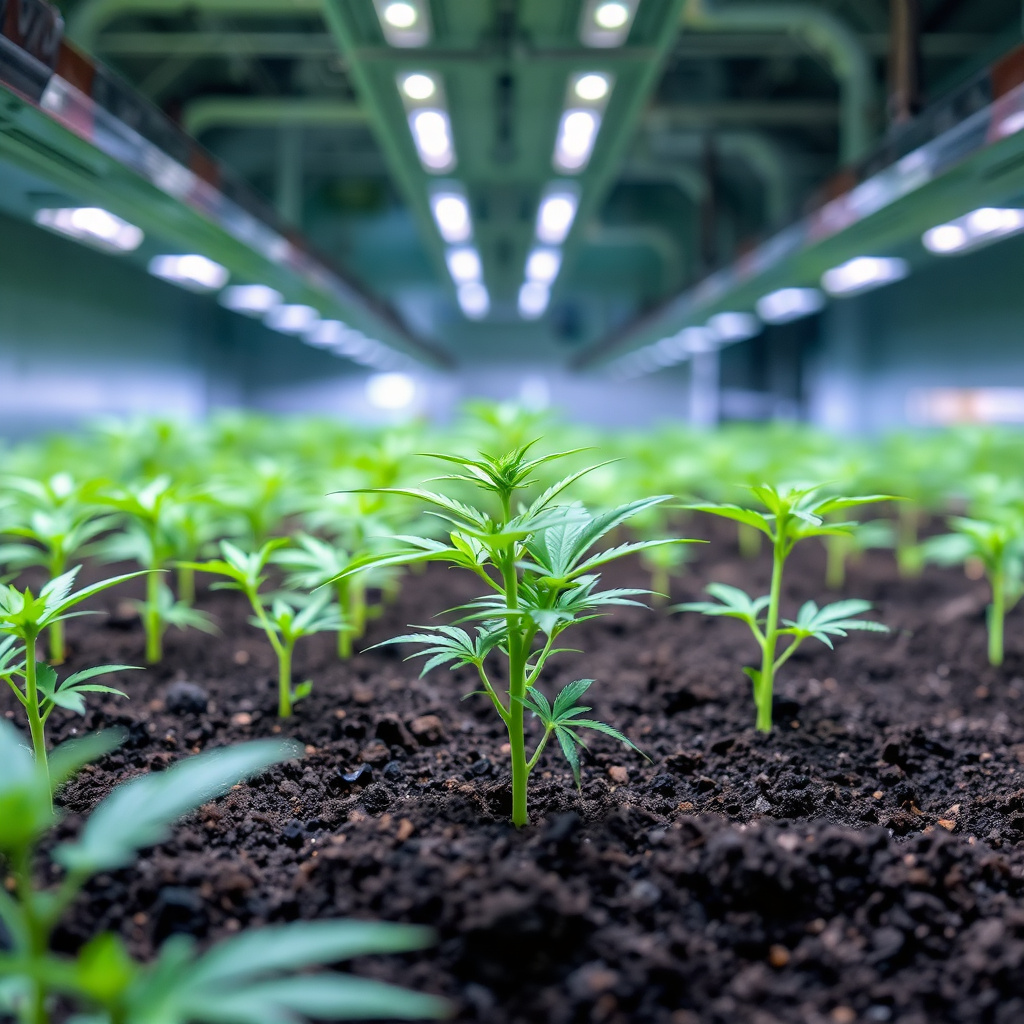
Selecting Seeds for Your Growing Environment
Choosing the right cannabis seed types depends on your goals and environment. Autoflowering seeds are suited for indoor spaces with limited light, while photoperiod seeds might be better outdoors with seasonal cycles.
Genetics tailored to your climate and cultivation style help maximize plant health and resin production, which is critical for quality flower.
For more on this, see our related guide: Cannabis Seed FAQ: Answers to Your Most Common Questions.
Seed Storage and Longevity
Storing seeds properly can extend their viability for several years. Cool, dark, and dry conditions, such as refrigeration in airtight containers, help maintain seed quality.
Avoiding exposure to heat, light, or moisture prevents premature deterioration, which can reduce germination rates and vigor.
- Store in cool, dark places
- Keep seeds dry
- Use airtight containers
Legal and Ethical Considerations for Cannabis Seeds
Legal Status of Cannabis Seeds Worldwide
Cannabis seed legality varies by country and region — some allow possession and cultivation, while others restrict or ban them completely. Understanding local laws is crucial before purchasing or planting seeds.
In places where recreational or medical cannabis is legal, seeds are often regulated and sold through licensed dispensaries or seed banks.
For more detailed botanical information, you can visit the Cannabis seed information on Wikipedia. Cannabis seed information on Wikipedia.
Ethical Sourcing of Seeds
Sourcing seeds from legitimate breeders and reputable sources supports ethical practices and genetic preservation. It also helps avoid issues with mislabeled or contaminated seeds that could harm your crop.
Respecting patent rights and breeder exclusivity can also be important in commercial or breeding contexts.
Cannabis Seed Types Comparison
Here is a comparison of the main cannabis seed types highlighting their characteristics and ideal uses.
| Seed Type | Plant Sex | Growing Difficulty | Flowering Time | Ideal Grower |
|---|---|---|---|---|
| Regular Seeds | Male or Female | Moderate | Depends on strain | Experienced breeders |
| Feminized Seeds | Female only | Easy | Depends on strain | Flower-focused growers |
| Autoflowering Seeds | Female only | Very easy | 8-12 weeks automatically | Indoor growers, beginners |
| High-CBD Seeds | Female only | Easy to moderate | Depends on strain | Medical users, breeders |
Frequently Asked Questions
Can I eat cannabis seeds?
Cannabis seeds are edible and nutritious but do not contain THC or cause psychoactive effects. They are sometimes used in food for their protein and fatty acids.
How long do cannabis seeds last?
If stored properly in cool, dark, and dry conditions, cannabis seeds can remain viable for several years, often 2 to 5 years or more.
What is the difference between autoflowering and regular seeds?
Autoflowering seeds flower automatically after a set time regardless of light cycles, while regular seeds require specific light schedules to start flowering.
How can I tell if a cannabis seed is male or female before planting?
It's not possible to determine a seed’s sex before germination; plants show sex traits only after growing to the pre-flowering stage.
Are feminized seeds guaranteed 100% female?
While feminized seeds are bred to produce only female plants, there is still a very small chance of male or hermaphroditic plants, especially under stress.
Key Takeaways
- Cannabis seeds hold the genetic blueprint for the plant’s growth and characteristics.
- Different seed types include regular, feminized, and autoflowering, each suited for different growers.
- Healthy, mature seeds have dark, hard shells and higher germination success.
- Proper storage and legal awareness improve seed viability and compliance.
Conclusion
Understanding what a cannabis seed is and how it works lays the foundation for successful cultivation. Since seeds contain all the genetic material and potential of the mature plant, selecting the right seed type and quality shapes the entire growing experience. Growers should weigh factors like genetic traits, seed type, and environmental fit to meet their cultivation goals effectively.
For beginners focused on flower production with less complexity, feminized or autoflowering seeds are practical choices, offering mostly female plants and simpler growth cycles. Experienced growers or breeders seeking genetic diversity will prefer regular seeds to cross and create new strains. Paying close attention to seed quality, germination techniques, and legal regulations will maximize the chance of producing healthy, potent cannabis plants regardless of the route chosen.
The next step for any prospective cannabis grower is to research reputable seed suppliers and the local laws governing cannabis seeds. Experimenting carefully with a small batch of well-selected seeds will build confidence in germination and cultivation skills before larger scale attempts. With informed choices, cannabis seeds become a valuable starting point for rewarding and productive growth.