Are Hemp Seeds Legal in All States? What You Need to Know
Hemp seeds are legal in all 50 states in the United States, provided they comply with federal regulations set by the 2018 Farm Bill. This legislation removed hemp and hemp-derived products containing less than 0.3% THC from the Controlled Substances Act, distinguishing them clearly from marijuana. Consumers can buy, sell, and possess hemp seeds without fear of legal repercussions in any state, but certain state-specific regulations may affect how hemp seeds are sold and used.
Knowing that hemp seeds are legal nationwide is important because hemp is a versatile crop used in food, fiber, health products, and more. Many mistakenly confuse hemp with marijuana, but they are different varieties of the Cannabis sativa plant with distinct uses and legal definitions. Understanding the legal status of hemp seeds helps avoid unnecessary confusion, especially for farmers, retailers, and consumers interested in hemp-based products.
This article covers the legal landscape of hemp seeds across different states, including federal guidelines, state variations, restrictions on cultivation and sale, and practical tips for safely purchasing and using hemp seeds. We'll also compare how laws vary and answer common questions surrounding hemp seed legality.
Federal Guidelines for Hemp Seed Legality
The 2018 Farm Bill and Its Impact
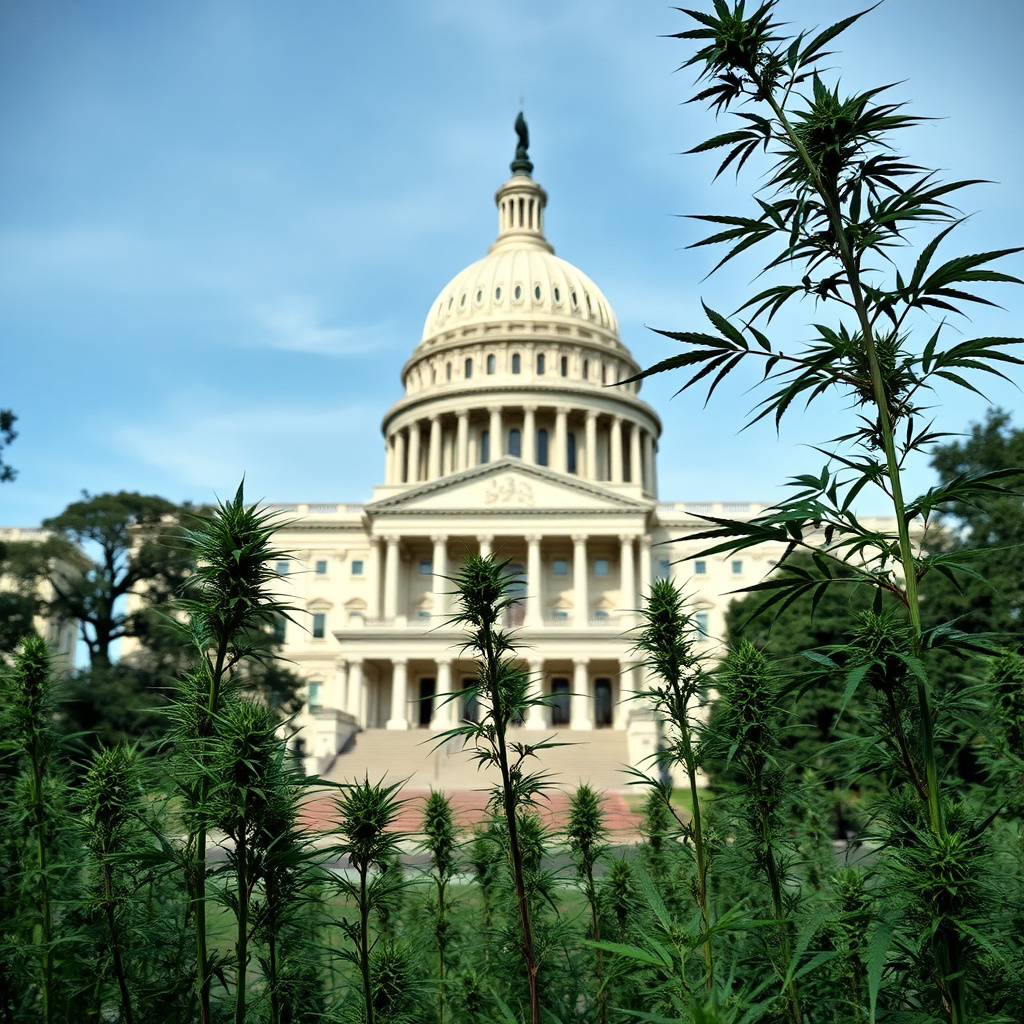
The 2018 Farm Bill was a landmark piece of legislation that federally legalized hemp and hemp-derived products, including hemp seeds with less than 0.3% THC. This change removed hemp from the Controlled Substances Act, meaning hemp seeds are no longer classified as controlled substances. The bill created a regulatory framework for hemp production, sale, and use, but focused mainly on agricultural and industrial hemp.
As a result, hemp seeds for food, planting, or processing became widely legal to trade and possess, provided they comply with THC limits and other safety standards. However, the Farm Bill also gave states the ability to create their own hemp production plans, which has led to some differences in regulation at the state level.
Definition of Hemp Versus Marijuana
The legal distinction between hemp and marijuana centers on their THC content. Hemp plants and their seeds must contain less than 0.3% THC by dry weight to be considered legal under federal law. Marijuana plants exceed this THC level and remain federally illegal, except in states with specific medical or recreational marijuana laws.
This strict THC limit is what permits hemp seeds to be shipped, sold, and used legally across the country. Consumers should be aware that hemp seeds do not produce psychoactive effects, as they contain minimal THC and are mainly valued for nutrition and industrial uses.
Variations in State Regulations on Hemp Seeds

State Hemp Cultivation Licenses and Restrictions
While hemp seeds are legal to buy and possess nationwide, states often regulate hemp cultivation separately. Many states require farmers to obtain licenses to grow hemp legally, with application processes, fees, and testing requirements to confirm THC levels remain below the legal threshold.
Some states have additional rules that restrict where hemp can be planted or mandate seed certification to ensure quality and compliance. These regulations can affect farmers but generally do not forbid consumers from purchasing or possessing hemp seeds for personal use.
For more on this, see our related guide: Are Cannabis Seeds Legal in the USA? Understanding the Legal Landscape.
Limits on Hemp Seed Sales and Uses in Some States
A few states impose specific restrictions on selling hemp seeds, especially seeds intended for planting versus those used as food ingredients or supplements. Regulatory bodies may require sellers to hold special licenses or meet labeling standards to prevent confusion with marijuana products.
Consumers purchasing hemp seeds online or in stores should verify that sellers comply with their state's requirements. Some regions also restrict hemp seed use in certain contexts, such as animal feed or human consumption, highlighting the importance of understanding local rules.
Hemp Seeds in Food and Nutrition

Nutritional Benefits and Edible Uses
Hemp seeds are packed with essential fatty acids, protein, fiber, vitamins, and minerals. They are popular in health foods such as smoothies, granola bars, salads, and baking. Their mild, nutty flavor fits well into a variety of recipes, and hemp seed oil is used both in cooking and as a dietary supplement.
The legality of hemp seeds as a food ingredient aligns with federal Food and Drug Administration (FDA) policies permitting hemp seed products that meet safety and labeling standards. This broad acceptance has helped fuel the rising popularity of hemp seeds in the American diet.
FDA Regulations and Safety Considerations
While hemp seeds are generally recognized as safe for consumption, the FDA monitors the use of hemp-derived ingredients to avoid misleading claims or contamination. Sellers must ensure hemp seeds meet safety standards, including limits on THC and contaminants like heavy metals or pesticides.
The FDA has not approved hemp seeds as dietary supplements in a standalone form but allows them as ingredients in food products. Consumers should purchase hemp seeds from reputable brands that provide third-party testing and clear nutritional information.
Buying and Storing Hemp Seeds

Where to Buy Legal Hemp Seeds
Hemp seeds are widely available online and in health food stores across the US. Buyers should look for products labeled as containing less than 0.3% THC and compliant with federal and state regulations. Certified organic hemp seeds or those tested for purity often offer higher quality assurance.
Purchasing from brands with transparent sourcing and quality certifications helps avoid illegal or mislabeled products. Additionally, some states require sellers to include batch numbers and testing reports to comply with local laws.
- Health food stores
- Online retailers
- Specialty hemp shops
Proper Storage to Maintain Freshness
To keep hemp seeds fresh, store them in airtight containers away from heat, light, and moisture. Refrigeration or freezing can extend shelf life by preventing rancidity due to the seeds’ high fatty acid content.
Avoid exposure to humid or warm environments, which cause spoilage or mold growth. Proper storage preserves nutritional quality and flavor, ensuring hemp seeds remain safe and tasty for longer periods.
- Use airtight containers
- Keep in cool, dark places
- Refrigerate or freeze for long-term storage
Hemp Seed Laws and International Perspectives

Comparison with International Hemp Seed Regulations
Hemp seed legality varies widely outside the US, with some countries imposing strict bans while others allow broad use and trade. European Union nations generally permit hemp seeds with low THC but still regulate cultivation and marketing. Canada and Australia have robust hemp industries following federal oversight and testing.
Understanding international regulations is vital for exporters and businesses aiming to trade hemp seeds globally, ensuring compliance with import-export rules and avoiding legal complications.
For a detailed overview of hemp and its legal distinctions, see Hemp on Wikipedia. Hemp on Wikipedia.
Potential Legal Challenges and Future Trends
As hemp gains popularity, regulatory agencies frequently update laws addressing safety, labeling, and cultivation methods. Future changes may address concerns such as cross-pollination with marijuana crops or clarification on the use of genetically modified hemp seeds.
Keeping up with evolving hemp seed legality trends helps both consumers and industry participants avoid legal pitfalls and take advantage of emerging market opportunities.
Comparison of Hemp Seed Regulations by State
This table compares key categories of hemp seed regulations across various US states, highlighting licensing requirements, sales restrictions, and penalties.
| State | Hemp Cultivation License Required | Seed Sales Regulations | Penalties for Non-Compliance |
|---|---|---|---|
| California | Yes | Moderate – licensing and labeling required | Fines and license revocation |
| Texas | Yes | Limited restrictions, mostly on seed certification | Fines for illegal cultivation |
| Florida | Yes | Strict seed testing and licensing | Civil penalties and possible prosecution |
| Oregon | Yes | Lenient sales regulations, consumer-friendly | Warnings and fines |
| New York | Yes | Regulated with mandatory seed tracking | Fines and license suspension |
| Alaska | No | Minimal restrictions on seed sales | Rare enforcement actions |
Frequently Asked Questions
Can I grow hemp from seeds purchased online?
You can grow hemp from seeds bought online only if your state permits hemp cultivation and you have the required licenses. Always check local laws before planting to avoid legal issues.
Are hemp seeds psychoactive or intoxicating?
No, hemp seeds contain negligible THC levels (below 0.3%) and do not cause psychoactive effects, making them safe to eat and use.
Is it legal to export hemp seeds from the US?
Exporting hemp seeds requires compliance with US export regulations and the import rules of the destination country, as hemp seed legality varies internationally.
Do hemp seeds contain CBD?
Hemp seeds contain only trace amounts of cannabinoids, including CBD, as most cannabinoids are found in hemp flower, not seeds.
Are there differences between hemp seeds for planting and for consumption?
Yes, planting seeds must meet agricultural certification standards, while hemp seeds for consumption are processed to meet food safety regulations and might be hulled or roasted.
Key Takeaways
- Hemp seeds are federally legal across all US states under the 2018 Farm Bill.
- State laws may regulate hemp cultivation licenses and seed sales differently.
- Hemp seeds are non-psychoactive and popular in health foods and supplements.
- Buy hemp seeds from reputable sources that comply with safety and labeling laws.
Conclusion
Navigating hemp seed legality involves understanding both federal guidelines and the varying state regulations that oversee cultivation and sales. The 2018 Farm Bill clearly legalized hemp seeds nationwide, defining hemp as cannabis plants with less than 0.3% THC. However, because states administer their own hemp programs, laws can differ regarding seed licensing, sales restrictions, and enforcement practices. Getting familiar with state-specific regulations helps farmers, retailers, and consumers avoid unexpected legal challenges. Following best practices for sourcing, storing, and using hemp seeds further ensures compliance and product quality.
Specific scenarios illustrate how hemp seed legality plays out: farmers must often acquire cultivation licenses and purchase certified seed stock meeting THC limits. Retailers need to meet health and safety standards when selling hemp seeds for human consumption or planting. Consumers interested in hemp seeds for nutrition can find them widely available online and in stores but should verify product labels and choose brands with third-party testing. States like Oregon and Alaska have more relaxed seed sales rules, while places such as Florida and California impose stricter testing and licensing, highlighting the importance of local research before transactions.
For those considering hemp seeds as a food ingredient, supplement, or crop, clear steps include confirming your state’s regulations, sourcing seeds from reputable suppliers who provide lab results, and storing seeds properly to maintain freshness. Consulting state agricultural departments or legal resources about hemp seed legality by state can provide up-to-date information. By keeping informed and choosing high-quality hemp seed products, you can safely enjoy the many benefits of this versatile plant without legal concerns.