What Is Beneficial Bacteria for Plants and How It Boosts Growth
Beneficial bacteria for plants are microorganisms living in the soil or on plant roots that improve plant health by enhancing nutrient uptake, protecting against pathogens, and stimulating growth. These bacteria form symbiotic relationships with plants, enabling better access to nutrients like nitrogen and phosphorus or producing substances that promote growth.
These bacteria matter because they reduce the need for chemical fertilizers and pesticides, making farming and gardening more sustainable and eco-friendly. By improving soil structure and nutrient availability, beneficial bacteria can increase crop yields and support plant resilience against stress from diseases or drought.
This article will explain how beneficial bacteria for plants work, describe key types of these bacteria, explore ways to introduce and maintain them in the soil, and offer practical advice for gardeners and farmers who want to harness their natural benefits.
How Beneficial Bacteria for Plants Improve Soil and Root Health

Nutrient Cycling and Availability
Beneficial bacteria help decompose organic matter, releasing essential nutrients like nitrogen and phosphorus in forms plants can absorb. Certain bacteria convert nitrogen gas from the atmosphere into ammonia through nitrogen fixation, making this vital nutrient accessible to plants.
By accelerating nutrient cycling, these microbes enhance soil fertility naturally and reduce dependency on synthetic fertilizers, which can harm the environment if overused.
Disease Suppression and Root Protection
Some beneficial bacteria produce antibiotics or compete with harmful pathogens, suppressing diseases that might attack plant roots. Others trigger plant immune responses, strengthening the plant’s defenses against infections.
This disease control helps plants grow more vigorously and reduces the need for chemical pesticides, promoting healthier crops overall.
Types of Beneficial Bacteria for Plants and Their Roles

Nitrogen-Fixing Bacteria
Nitrogen-fixing bacteria such as Rhizobium form nodules on legume roots, converting atmospheric nitrogen into ammonia usable by plants. This process decreases reliance on nitrogen fertilizers significantly.
These bacteria are essential in crop rotation systems and sustainable agriculture for natural soil enrichment.
Phosphate-Solubilizing Bacteria
Phosphate-solubilizing bacteria release organic acids that dissolve insoluble phosphorus compounds in soil, making phosphorus more available to plants.
This function improves root development and overall plant energy metabolism since phosphorus is vital for ATP and genetic material formation.
How to Introduce and Maintain Beneficial Bacteria in Your Garden

Using Biofertilizers and Compost
Applying biofertilizers containing live beneficial bacteria or using high-quality compost increases populations of helpful microbes in soil. Compost adds organic matter, creating a favorable environment for microbial growth.
Repeated additions build soil microbial diversity, enhancing long-term soil health and plant productivity.
- Choose biofertilizers specific to your plant type
- Ensure compost is well-decomposed to avoid pathogens
- Apply during planting or early growth stages
For more on this, see our related guide: How to Prevent Root Rot in Plants: Effective Strategies for Healthy Growth.
Avoiding Practices That Harm Beneficial Microbes
Excessive use of chemical fertilizers, pesticides, or soil fumigants can kill desirable bacteria and reduce their benefits. Compacted soils with poor aeration also limit bacterial survival.
Maintaining organic-rich, well-aerated soil and minimizing harmful chemicals supports a thriving microbial community beneficial to plants.
- Limit synthetic chemical inputs
- Reduce soil compaction by avoiding heavy machinery
- Use cover crops to protect soil
Measuring the Impact of Beneficial Bacteria on Plant Growth
Indicators of Soil Microbial Health
Soil tests can measure microbial biomass and activity indicators like respiration rate or enzyme levels, showing the abundance and function of beneficial bacteria.
Higher microbial activity correlates with increased nutrient cycling and healthier roots.
Visible Plant Growth Improvements
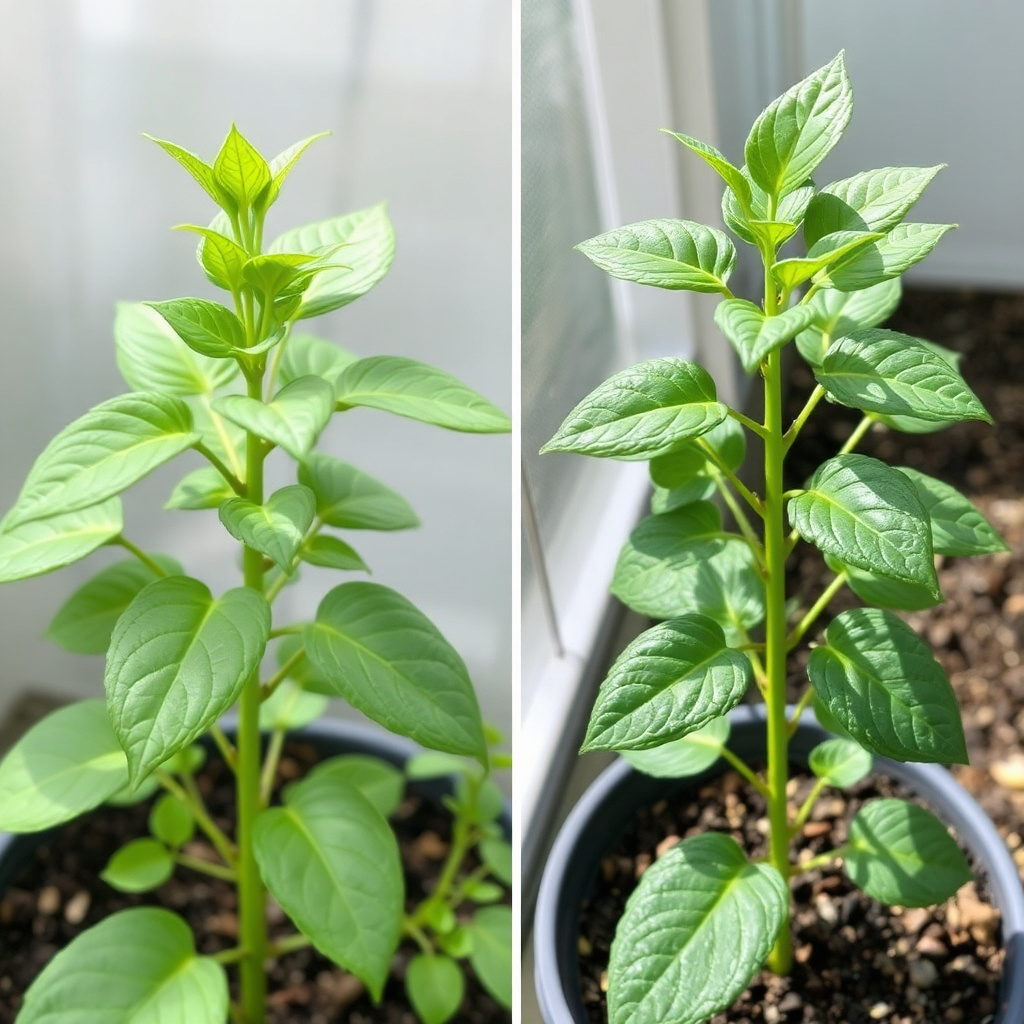
Signs of effective beneficial bacteria colonization include lush green foliage, stronger roots, earlier flowering, and better resistance to stress or disease.
Tracking growth metrics over seasons helps evaluate the positive effects of inoculating soil with beneficial bacteria.
Common Mistakes to Avoid When Using Beneficial Bacteria

Overusing Chemical Treatments
Heavy reliance on chemicals can wipe out beneficial bacteria populations and disrupt soil biodiversity. Applying too many synthetic fertilizers at once can also cause nutrient imbalances harmful to microbes.
Moderation and timing of inputs help preserve these helpful organisms in soil.
For more on this, see our related guide: How to Identify and Manage Cannabis Plant Pests and Diseases Effectively.
Applying Incompatible Bacterial Strains
Using bacterial inoculants that don’t match plant species or soil conditions reduces colonization success. It’s important to select strains adapted to local soil chemistry and compatible with the crop.
Consulting product labels and experts helps avoid ineffective or counterproductive applications.
Future Trends in Beneficial Bacteria for Plants

Advanced Microbial Formulations
Research is developing multi-strain biofertilizers combining nitrogen fixers, phosphate solubilizers, and disease suppressors that can work synergistically.
Such formulations aim to provide more comprehensive benefits than single-strain products.
For more detailed information on beneficial bacteria for plants, you can visit the beneficial bacteria for plants Wikipedia article. beneficial bacteria for plants Wikipedia article.
Genetic Engineering and Microbiome Manipulation
Cutting-edge techniques are exploring genome editing of beneficial bacteria to enhance their nutrient delivery or stress tolerance properties.
Manipulating plant microbiomes could revolutionize agriculture with custom microbial communities boosting plant health.
Comparison of Beneficial Bacteria Types for Plants
This table summarizes key features of major beneficial bacteria categories helping plant growth and soil health.
| Bacteria Type | Primary Function | Typical Hosts | Example Species | Benefits |
|---|---|---|---|---|
| Nitrogen-Fixing Bacteria | Convert atmospheric nitrogen to ammonia | Legumes and some non-legumes | Rhizobium, Azotobacter | Natural nitrogen source, improves soil fertility |
| Phosphate-Solubilizing Bacteria | Release phosphorus from insoluble compounds | Most plants | Bacillus, Pseudomonas | Enhances phosphorus uptake, better root development |
| Disease-Suppressing Bacteria | Inhibit pathogens via antibiotics or competition | Wide range of plants | Bacillus subtilis, Pseudomonas fluorescens | Reduces soil-borne diseases, lowers pesticide need |
| Plant Growth-Promoting Rhizobacteria (PGPR) | Produce growth hormones and stimulate immunity | Many crops and garden plants | Azospirillum, Bacillus pumilus | Boosts growth and stress tolerance |
Frequently Asked Questions
How do beneficial bacteria differ from harmful bacteria in soil?
Beneficial bacteria aid nutrient uptake and protect plants, while harmful bacteria cause diseases. Balanced soil microbial populations keep plants healthy by suppressing harmful microbes.
Can I add beneficial bacteria to any type of soil?
Yes, but success varies with soil pH, temperature, and organic matter. Adding compost or biofertilizers optimized for your soil helps beneficial bacteria establish.
Do beneficial bacteria need special care after application?
They thrive best in moist, aerated soils with organic matter. Avoid excessive chemical fertilizers or pesticides that can kill them.
How long does it take for beneficial bacteria to improve plant growth?
Results can appear within weeks but usually take a full growing season to see clear benefits as populations grow and interact with plants.
Are beneficial bacteria safe for humans and pets?
Yes, beneficial plant bacteria are generally safe and naturally present in soils; they don’t pose health risks when used properly.
Key Takeaways
- Beneficial bacteria improve nutrient availability and protect plant roots naturally
- Various bacteria types provide specific benefits like nitrogen fixation and disease suppression
- Maintaining healthy soil conditions supports microbial populations
- Avoid chemicals that harm bacteria and use targeted biofertilizers for best results
Conclusion
Understanding how beneficial bacteria for plants operate reveals a natural approach to boosting soil fertility and plant health. These microbes transform nutrients into forms plants can absorb, suppress harmful pathogens, and stimulate growth hormones, forming a critical foundation for sustainable agriculture and gardening. Selecting the right type of beneficial bacteria and fostering a hospitable soil environment helps harness these benefits effectively.
For gardeners working with vegetables or flowers, phosphate-solubilizing and growth-promoting bacteria can improve yields and vigor, while farmers growing legumes will find nitrogen-fixing bacteria indispensable for reducing fertilizer needs. Using well-prepared biofertilizers combined with organic amendments encourages a diverse microbial community that supports all types of plants. Avoiding harsh chemical inputs further protects these helpful microbes so they can thrive.
If you’re interested in enhancing your plants naturally, start by testing your soil to identify deficiencies, then select biofertilizers suited to your crop and soil type. Incorporate organic matter and apply beneficial bacteria early in the growing season to give them the best chance to establish. Over time, you’ll see healthier plants and reduced input costs, thanks to a vibrant community of beneficial bacteria working beneath the surface.