How to Make a Hydroponic System: A Step-by-Step Guide for Beginners
Building a hydroponic system involves creating a soil-less environment where plants grow with nutrient-rich water. To make one, you need a container to hold the plants, a reservoir for nutrient solution, a method for delivering water and oxygen, and a growing medium like clay pellets or rockwool. Setting up the system requires assembling these parts to sustain healthy plant growth.
Hydroponics can increase growth speed, save water, and allow gardening in limited spaces, making it an attractive alternative to traditional soil gardening. It is especially useful in urban areas or regions with poor soil quality. Knowing how to make a hydroponic system empowers you to grow fresh produce year-round indoors or outdoors.
This article covers the essential components, types of hydroponic systems, materials needed, assembly instructions, nutrient management, lighting considerations, and maintenance tips to help you build an efficient hydroponic garden setup tailored to your space and plants.
Understanding Hydroponic System Types
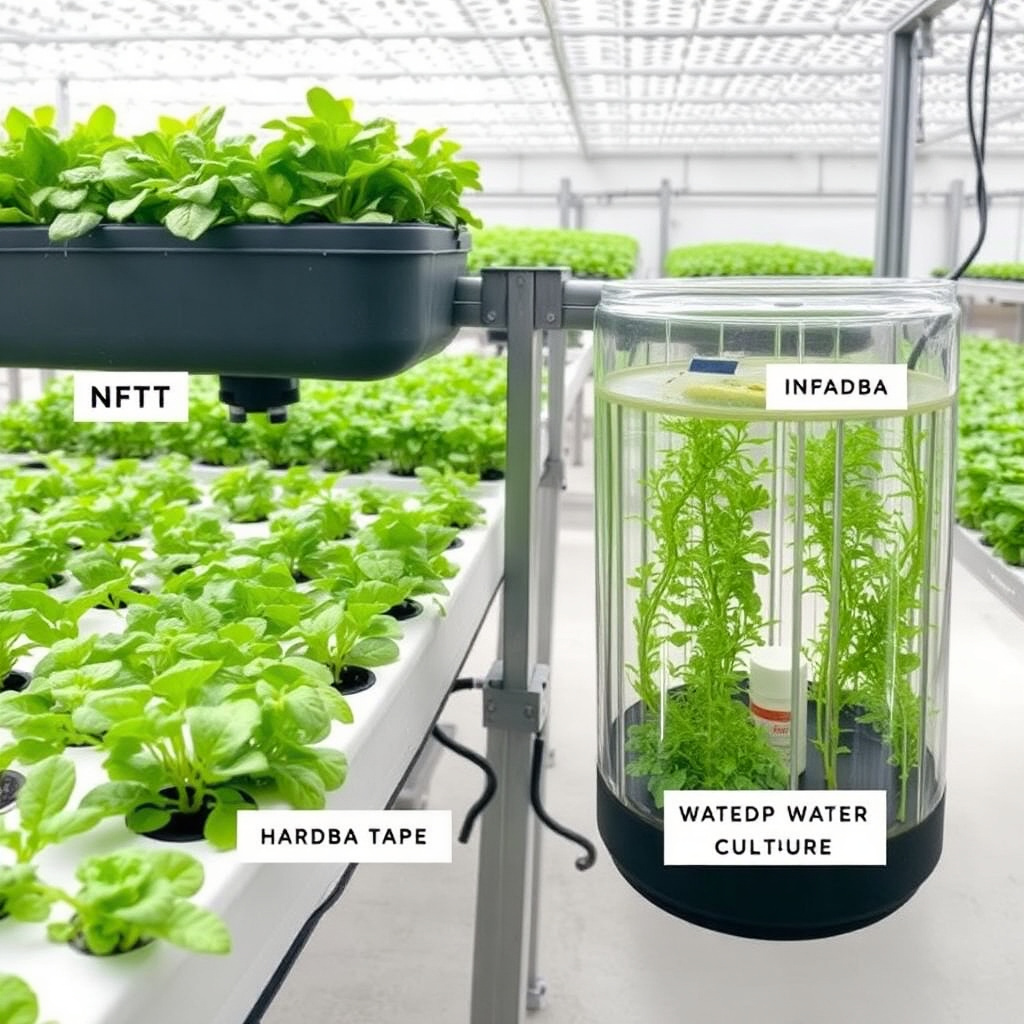
Nutrient Film Technique (NFT) Systems
NFT systems continuously pump a thin film of nutrient solution over plant roots in a sloped channel. Plants grow in net pots placed along the channel, receiving oxygen and nutrients simultaneously. This design requires a reservoir, pump, and channel setup that gently recirculates the solution.
NFT systems are popular for leafy greens and herbs due to efficient water and nutrient usage. However, they require reliable pumps and backup power because roots can dry quickly if flow stops.
Deep Water Culture (DWC) Systems
DWC involves suspending plant roots directly into an oxygenated nutrient solution. An air pump and stones aerate the reservoir continuously, ensuring roots receive ample oxygen. This method is simple and inexpensive, great for beginners or hobby growers.
While DWC promotes rapid growth, managing water temperature and oxygen levels is critical to prevent root diseases. It's ideal for fast-growing crops like lettuce and basil.
Essential Components for Your Hydroponic System
Reservoir and Nutrient Delivery
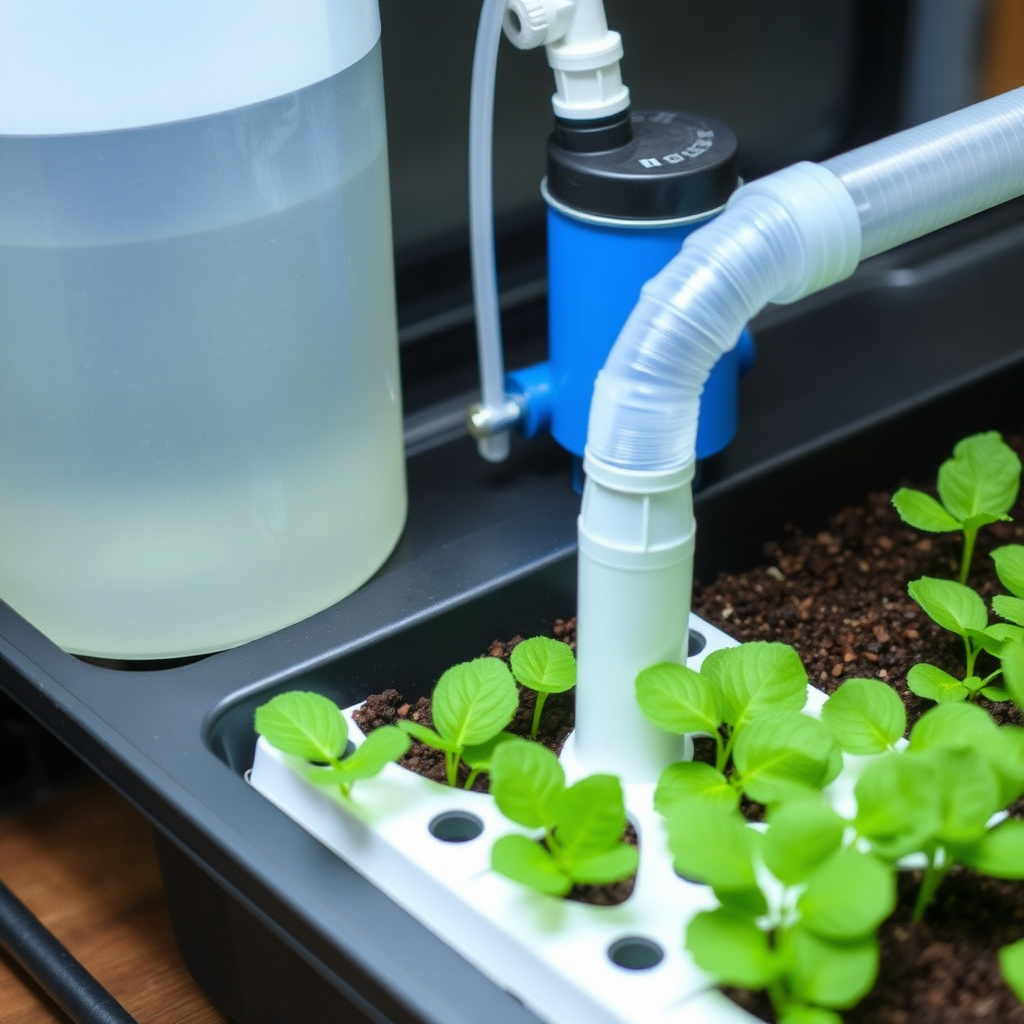
The reservoir holds your nutrient solution and should be opaque to prevent algae growth. A submersible water pump pushes this solution from the reservoir through tubing to the plants. Tubing size and pump power depend on system scale and channel length.
Using a timer for your pump can regulate watering cycles and conserve energy. Including a drain return allows recirculation, making the system more water-efficient.
- Opaque plastic container for reservoir
- Submersible or external water pump
- Food-grade tubing
- Water timer (optional)
Growing Medium and Support
Growing media like expanded clay pellets, rockwool cubes, or coconut coir provide structural support and retain moisture around roots while preventing soil use. Choosing the right medium depends on plant type and your preferences for cleaning and reusing.
Net pots or holes in trays hold plants and media in place. They allow roots to extend into the nutrient solution, facilitating nutrient uptake and oxygen exposure.
- Net pots or perforated containers
- Expanded clay pellets or rockwool
- Support structures or trays
Step-by-Step Assembly Guide
Setting Up the Reservoir and Pump
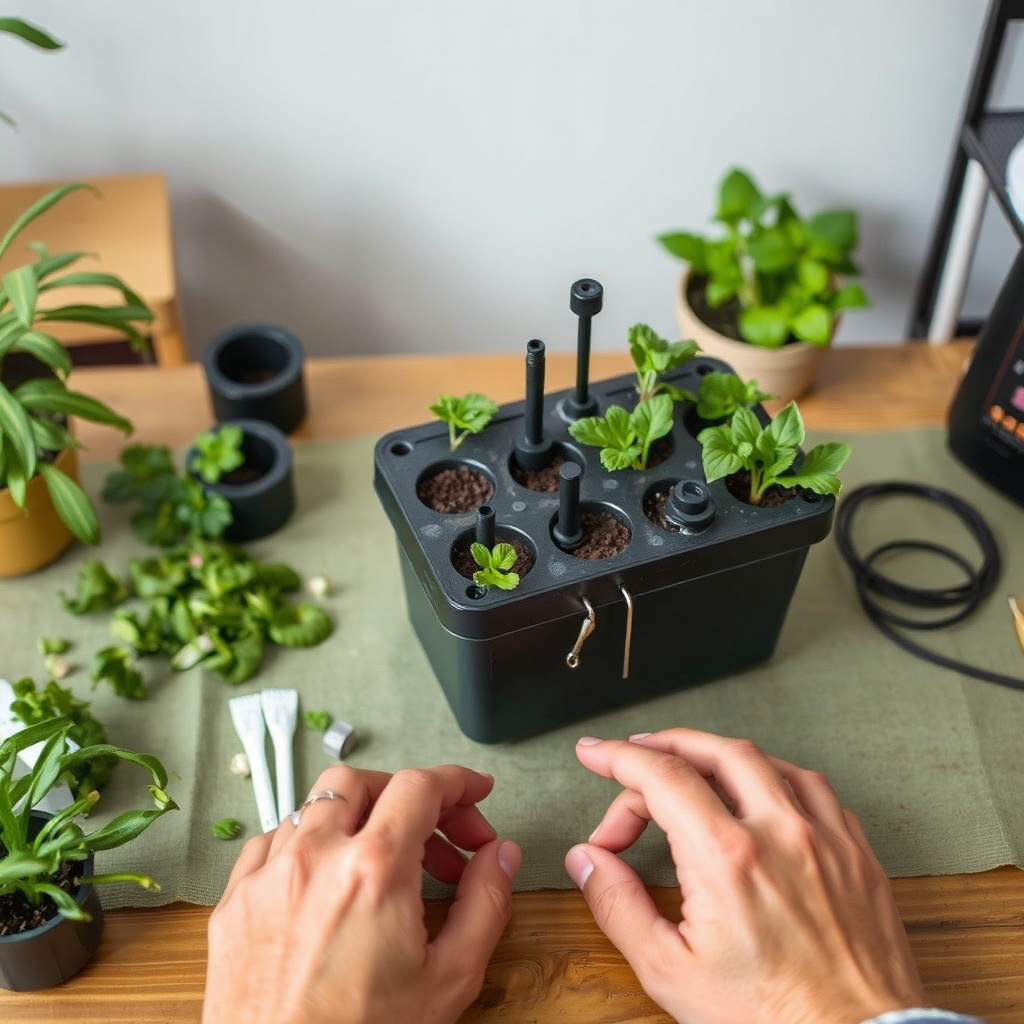
Begin by choosing a sturdy, opaque container for the reservoir and fill it with water. Add the hydroponic nutrient solution following manufacturer guidelines to provide essential minerals. Place the submersible pump inside and connect tubing to direct nutrient flow to your grow tray or channels.
Check all connections for leaks and program any timers to control watering intervals as needed. Ensure the pump size suits your system’s flow requirements to keep roots moist without flooding.
For more on this, see our related guide: Popular Cannabis Strains: A Guide to Choosing the Right One for You.
Planting and Growing Your Crops
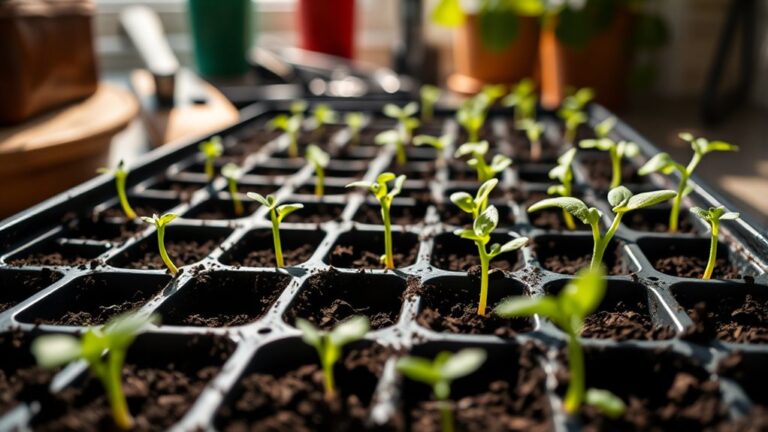
Fill your net pots with the chosen growing medium and insert seeds or seedlings carefully. Place pots into the grow tray, ensuring roots have access to the nutrient solution either continuously or periodically based on your system type.
Adjust lighting and environment for optimal growth, and monitor plants daily for signs of nutrient deficiency or water quality issues.
Managing Nutrients and Water Quality
Balancing pH and Electrical Conductivity (EC)
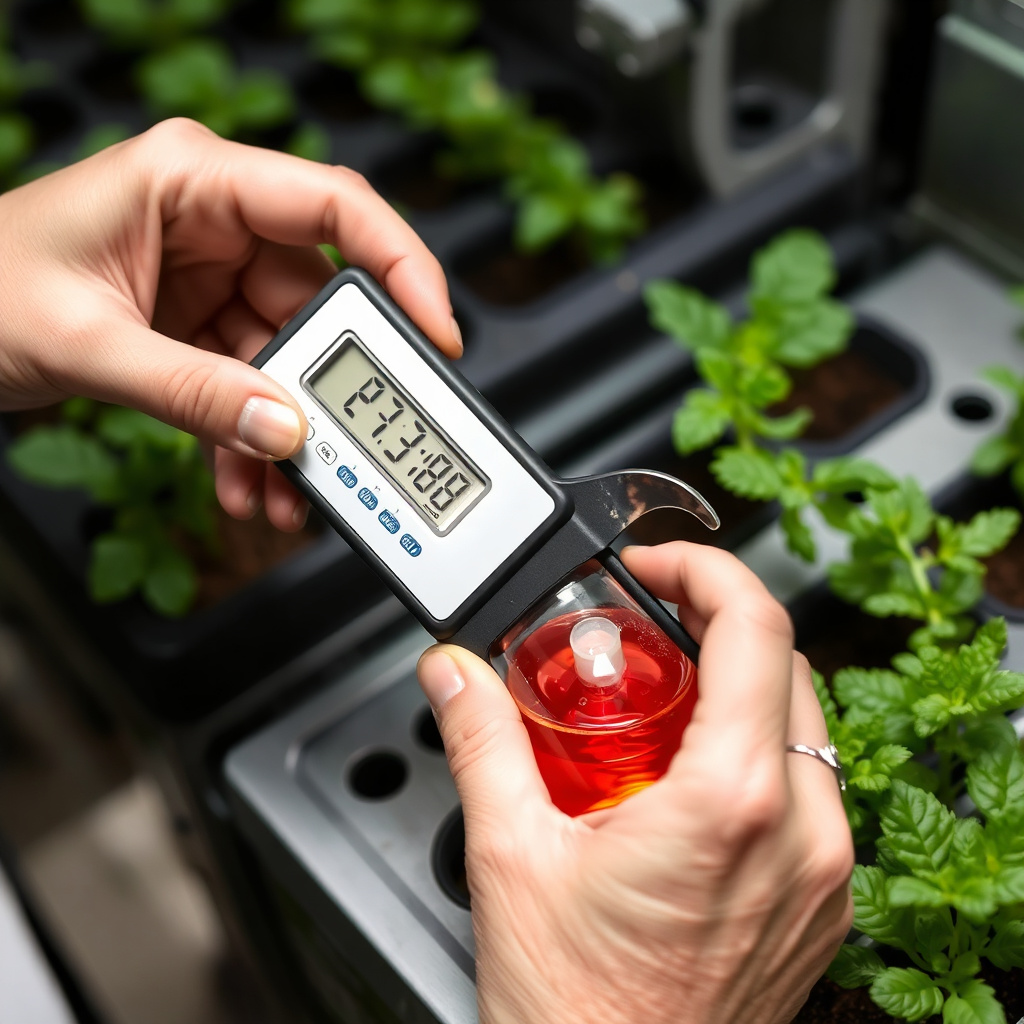
Maintaining pH levels between 5.5 and 6.5 is crucial for nutrient uptake. Regularly test the water using pH meters or test kits and adjust with pH up or down solutions as needed. Electrical conductivity measures nutrient concentration and helps prevent underfeeding or toxicity.
Frequent monitoring allows timely corrections that keep plants healthy. Hydroponic nutrients come pre-mixed for convenience, but dilution instructions must be followed precisely.
- Check pH 2-3 times per week
- Monitor EC weekly
- Use pH adjustment solutions
- Follow nutrient mixing ratios
Changing Nutrient Solution Regularly
Replacing the nutrient solution every 1-2 weeks prevents salt buildup and contamination. Flush the reservoir with clean water before refilling with fresh nutrients. This practice keeps water oxygen-rich and free from pathogens.
Cleaning the reservoir and tubing at each change reduces risks of algae or bacterial growth, benefiting overall plant health.
- Flush reservoir weekly or biweekly
- Clean tubing and pumps regularly
- Use fresh nutrient mix each time
Lighting and Environmental Control

Choosing the Right Grow Lights
Hydroponic systems require artificial lighting when natural sunlight is insufficient. LED grow lights are energy-efficient and can be tuned to emit blue and red wavelengths that plants use most effectively for photosynthesis.
Position lights 12 to 24 inches above plants and adjust height as they grow. Timers set for 12-16 hours of light daily mimic natural cycles for vegetables and herbs.
- Full-spectrum LED grow lights
- Adjustable height rig
- Light timers
For more on this, see our related guide: Cannabis pH Levels for Soil: How to Maintain the Perfect Balance.
Controlling Temperature and Humidity
Maintaining air temperatures between 65°F and 75°F and relative humidity around 50-70% optimizes hydroponic plant growth. Use fans for air circulation and dehumidifiers or humidifiers as needed to stabilize the environment.
Temperature impacts water oxygen levels too; cooler water holds more oxygen which benefits plant roots, especially in DWC systems.
- Room fans or oscillating fans
- Thermometers and hygrometers
- Environmental control devices
Maintenance and Troubleshooting Tips
Common Problems and Solutions
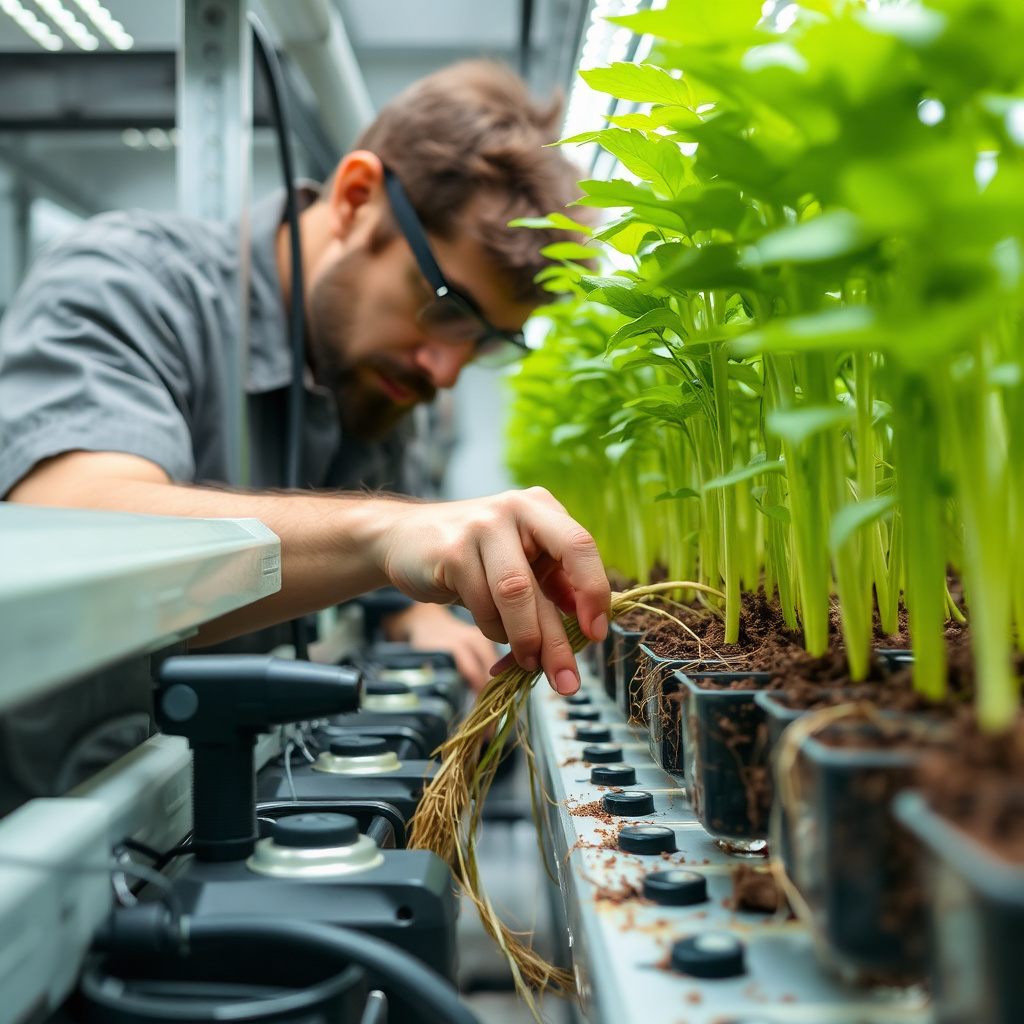
Watch for leaf yellowing, wilting, or slow growth which may indicate nutrient imbalance or root oxygen deficiency. Inspect roots regularly for signs of rot or discoloration.
Clogged pumps or tubing can disrupt water flow; clean components to maintain efficiency. A backup pump or power source can prevent system failure during outages.
- Monitor plant health daily
- Clean pumps/tubing monthly
- Have backup equipment available
For a detailed explanation of hydroponics technology, see this comprehensive hydroponics overview. hydroponics overview.
Routine Cleaning Practices
Thorough cleaning of the reservoir, grow trays, and tubing every 2-3 weeks reduces algae and pathogen buildup. Use a mild bleach solution followed by rinsing with clean water to sterilize parts safely.
Replace growing media between cycles and sanitize net pots to avoid contaminating new plants.
- Use diluted bleach for cleaning
- Sanitize tools and containers
- Replace media as needed
Types of Hydroponic Systems Category Comparison
This table compares popular hydroponic system types to help you decide the best fit for your space, budget, and crops.
| System Type | Setup Complexity | Ideal Crops | Water Usage | Cost Range |
|---|---|---|---|---|
| Nutrient Film Technique (NFT) | Moderate | Leafy greens, herbs | Low | $100 – $300 |
| Deep Water Culture (DWC) | Easy | Lettuce, basil | Moderate | $50 – $150 |
| Aeroponics | High | Tomatoes, strawberries | Very Low | $300 – $600 |
| Ebb and Flow (Flood and Drain) | Moderate | Tomatoes, peppers | Moderate | $150 – $400 |
| Drip System | High | Fruit crops, larger plants | Moderate to High | $200 – $500 |
Frequently Asked Questions
What plants grow best in a hydroponic system?
Leafy greens like lettuce, spinach, and herbs such as basil thrive in hydroponic setups due to their quick growth and low nutrient demands.
How often should I change the nutrient solution?
Changing the nutrient solution every 1 to 2 weeks helps prevent salt buildup and keeps nutrient levels balanced for healthy plant growth.
Can I use tap water in my hydroponic system?
Tap water can be used if it is low in chlorine and heavy metals. Let it sit for 24 hours or use a water treatment before adding nutrients.
Is a hydroponic system suitable for beginners?
Yes, simple systems like Deep Water Culture are great for beginners because they are easy to assemble and maintain with basic equipment.
How much space do I need for a small hydroponic garden?
A compact hydroponic system can fit on a countertop or small balcony, using just a few square feet to grow multiple plants efficiently.
Key Takeaways
- Hydroponic systems grow plants without soil using nutrient-rich water.
- Choosing the right system type depends on plants, space, and budget.
- Proper nutrient balance and water quality are critical for success.
- Regular maintenance and monitoring prevent common problems.
Conclusion
When deciding how to make a hydroponic system, focusing on essential components like a reservoir, nutrient solution, growing medium, and a reliable delivery method forms the foundation. Selecting a system type that matches your crop choices and space ensures manageable care and good yields. Monitoring parameters such as pH, electrical conductivity, temperature, and lighting completes the setup for thriving plants.
For beginners or hobbyists, Deep Water Culture offers a straightforward path with minimal parts while NFT systems suit those wanting scalability and efficient water use. More advanced growers might explore aeroponics or ebb and flow systems for specialty crops. Tailoring your hydroponic garden setup to your needs helps you enjoy fresh, fast-growing plants all year long.
Start small with commonly grown herbs or leafy greens to build confidence before expanding. Gather reliable materials, set a maintenance schedule, and observe your plants closely. With practice, you’ll master hydroponics as a productive, space-saving gardening approach that brings fresh flavor from seed to table.