What Is a Regular Cannabis Seed? A Clear Guide for Growers
A regular cannabis seed is a naturally occurring seed that can develop into either a male or a female cannabis plant. Unlike feminized seeds, which are bred to grow only female plants, regular seeds offer a roughly 50/50 chance of producing males or females. This makes them essential for breeders who want to develop new strains or maintain genetic diversity.
Understanding what a regular cannabis seed is matters because the sex of the plant greatly impacts its use and cultivation. Male plants produce pollen but no usable flowers, while female plants produce the resin-rich buds most growers seek. Regular seeds allow growers to decide which plants to keep and which to remove based on their sex, offering more control over breeding but requiring more work.
This article will explore the characteristics of regular cannabis seeds, how to identify their sex, the pros and cons compared to feminized seeds, and best practices for growing with them. Whether you are a home grower or a breeder, you’ll learn key facts to make informed decisions about using regular cannabis seeds.
Understanding Regular Cannabis Seeds
Definition of Regular Cannabis Seeds
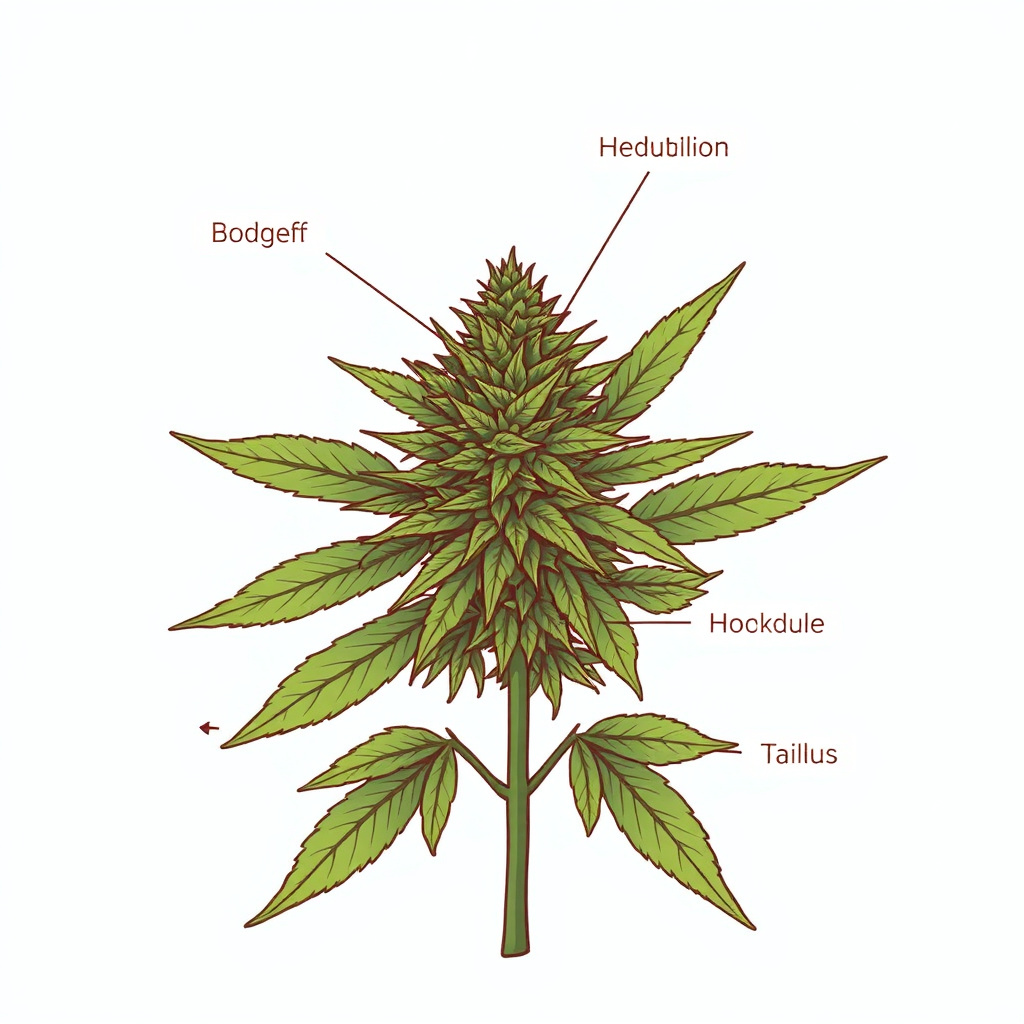
Regular cannabis seeds contain both male and female genetics and are produced by natural pollination between a male and female cannabis plant. These seeds have not been genetically manipulated to favor one sex over the other.
Because they carry both male and female chromosomes, roughly half the seeds in any regular batch will become male and the other half female, though environmental factors can sometimes influence results.
How Regular Seeds Are Produced
Regular seeds come from breeding two genetically stable cannabis plants, generally referred to as the 'mother' (female) and the 'father' (male). The female plant produces flowers, while the male releases pollen that fertilizes those flowers, creating seeds.
This natural breeding process preserves genetic variety and can be useful for breeders trying to stabilize traits or develop new hybrids.
Sex Identification and Its Importance
How to Identify Male and Female Plants
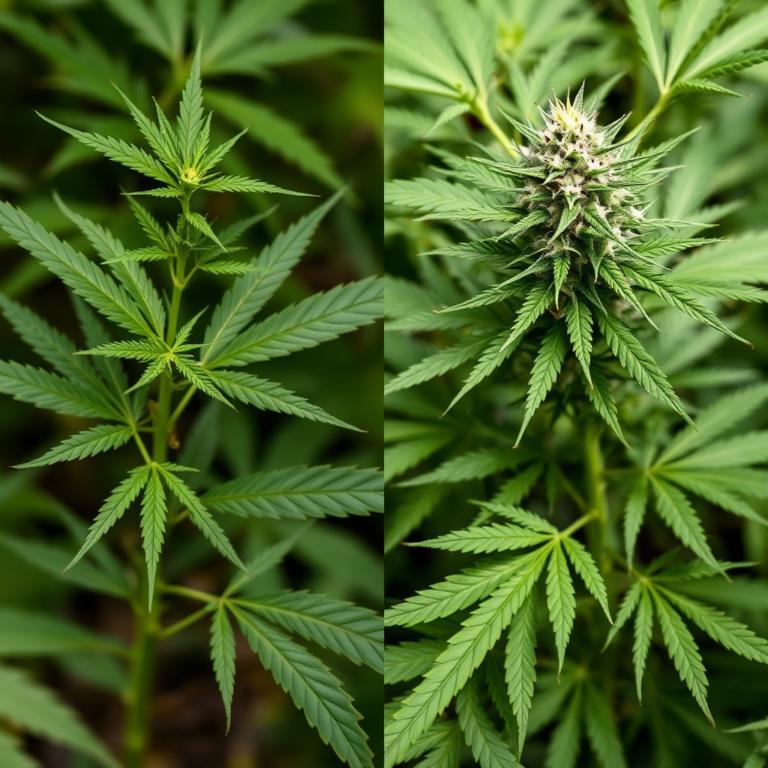
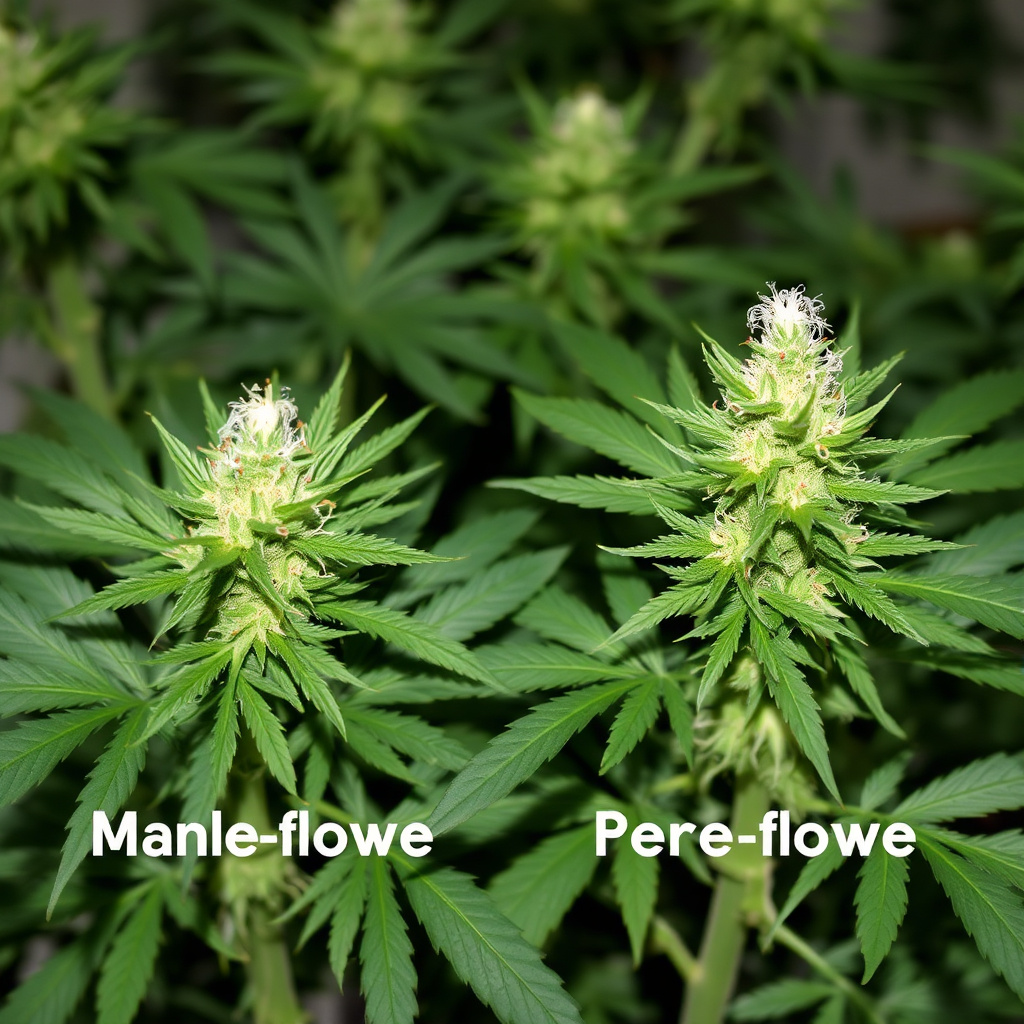
Male cannabis plants develop small pollen sacs that look like tiny balls, usually appearing earlier than female reproductive organs. Female plants reveal white pistils, which are hair-like structures emerging at their nodes.
Detecting sex early is critical because male plants don't produce buds and can pollinate females, causing seed production and reduced yield quality.
- Look for pollen sacs on males about 4-6 weeks into growth
- Female pistils appear as white hairs around the same time
Why Sex Matters for Growers
Growers aiming for bud production typically remove male plants to avoid pollination, which redirects female energy to seed production instead of flowers. Male plants are mostly used by breeders who want to create seeds.
Using regular seeds requires monitoring plant sex carefully and often some plants are discarded, which can mean more space and resource use during early growth phases.
Advantages of Using Regular Cannabis Seeds
Genetic Diversity and Breeding Potential
Regular cannabis seeds provide true genetic diversity, making them the preferred option for breeders and seed banks. They allow cross-breeding and creation of new phenotypes without the limitations of feminized genetics.
This diversity helps maintain healthy populations by avoiding genetic bottlenecks common in feminized seed lines, ensuring resilience and vigor in offspring.
For more on this, see our related guide: Cannabis Cultivation Laws by State: What You Need to Know in 2024.
Cost and Availability Benefits
Regular seeds are often less expensive and more readily available compared to feminized seeds. Their natural breeding process requires less labor-intensive production methods, which can lower purchasing costs.
For growers with enough space and patience, regular seeds offer an economical way to start a crop if removing males is acceptable.
Disadvantages of Regular Cannabis Seeds
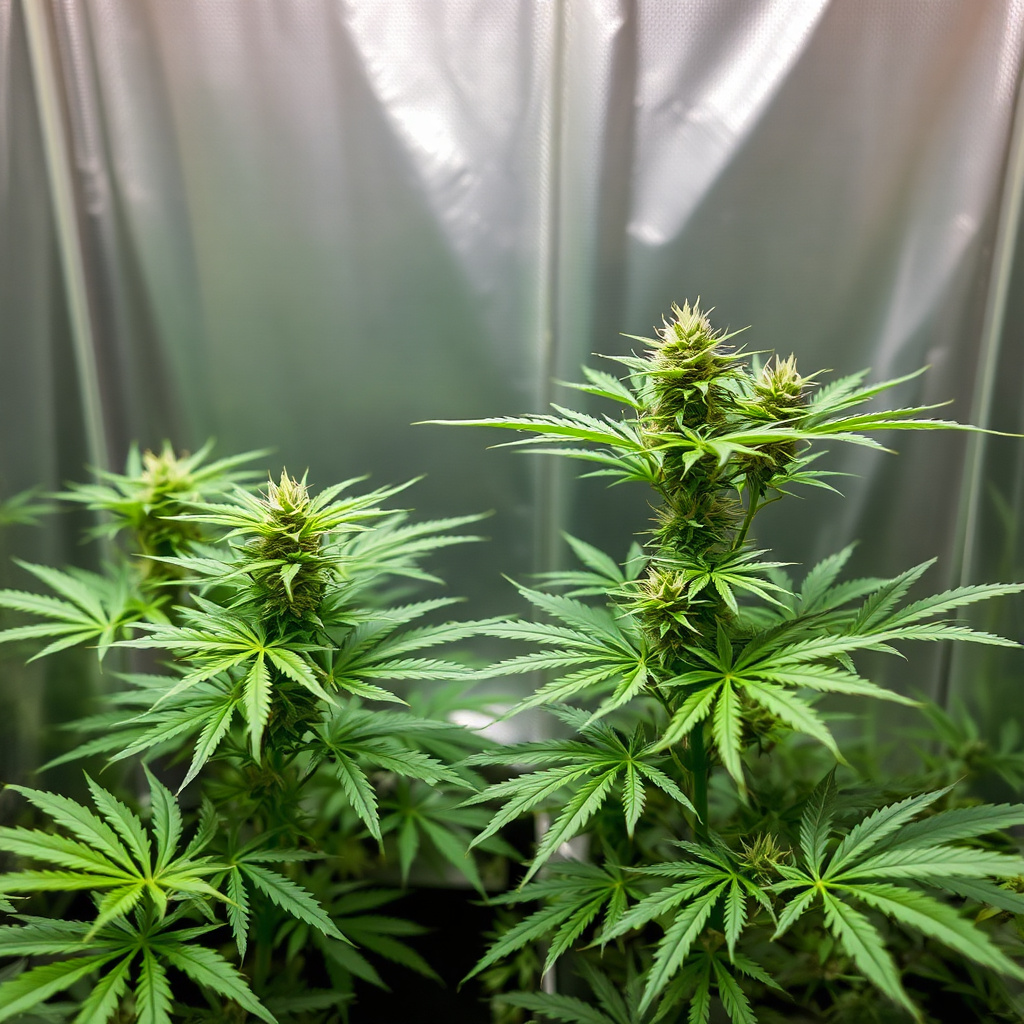
Sex Ratio Uncertainty
One of the main challenges with regular seeds is the unpredictability of the ratio between male and female plants, often 50/50 but sometimes skewed by environmental conditions.
This results in extra seedlings that may require culling, leading to wasted space and resources, which can be frustrating for small-scale or indoor growers.
Extra Work and Space Requirements
Because male plants must be removed once identified to prevent pollination, growing regular seeds demands more time for monitoring and managing the crop compared to feminized seeds.
Additionally, growers need more space to accommodate all the seedlings initially, even though half will eventually be removed.
Growing Techniques for Regular Cannabis Seeds
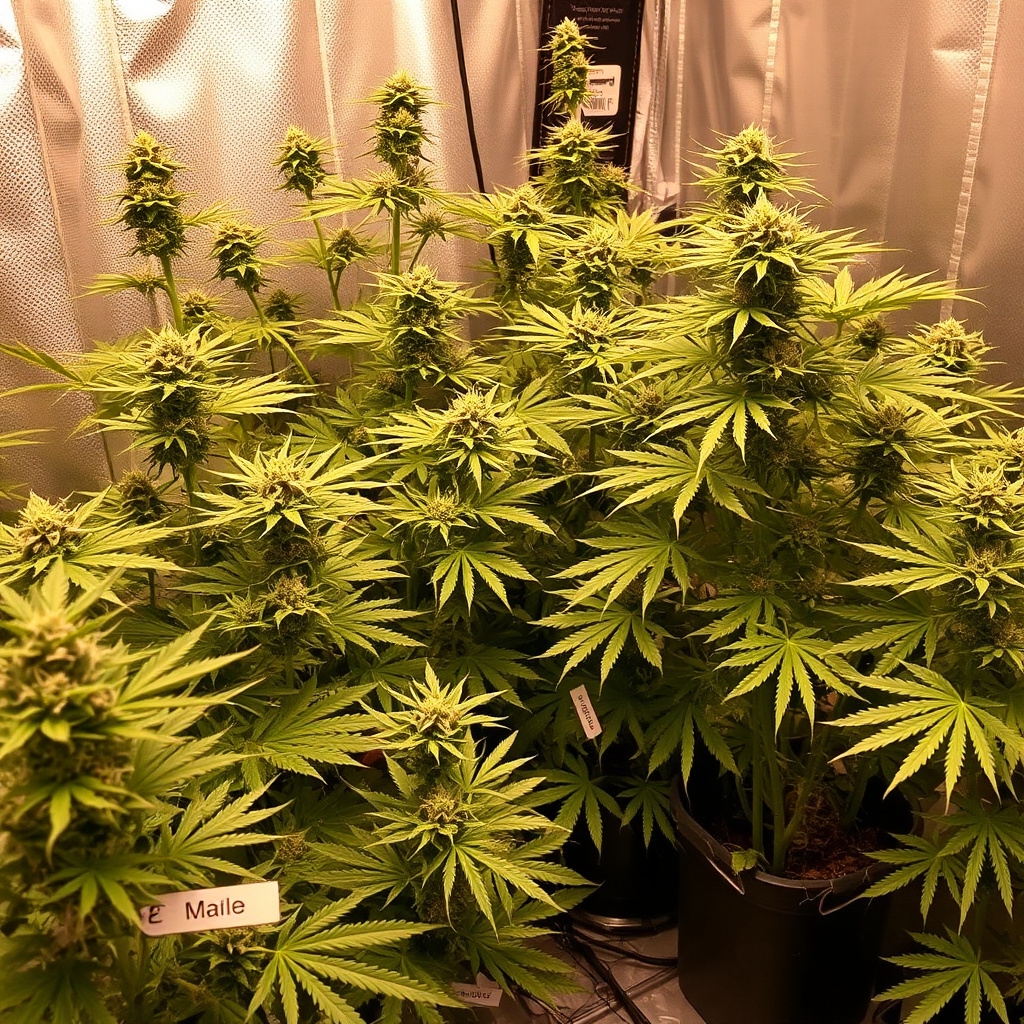
Optimal Conditions During Early Growth
During the vegetative stage, maintaining stable light cycles (18 hours light/6 hours dark) and temperatures between 70-85°F helps seedlings grow strong and express sex characteristics clearly.
Careful nutrient management and adequate spacing can also reduce stress that might complicate sex identification.
For more on this, see our related guide: Cannabis Seed FAQ: Answers to Your Most Common Questions.
Handling Male Plants and Preventing Pollination
Once male plants are recognized, they should be removed promptly from the grow area or isolated away from females to prevent pollen contamination.
Some growers use protective barriers or separate rooms to cultivate males for breeding while preserving female plants' flower quality.
- Quick removal of males limits accidental pollination
- Isolation enables controlled breeding
Regular Seeds vs. Feminized Cannabis Seeds
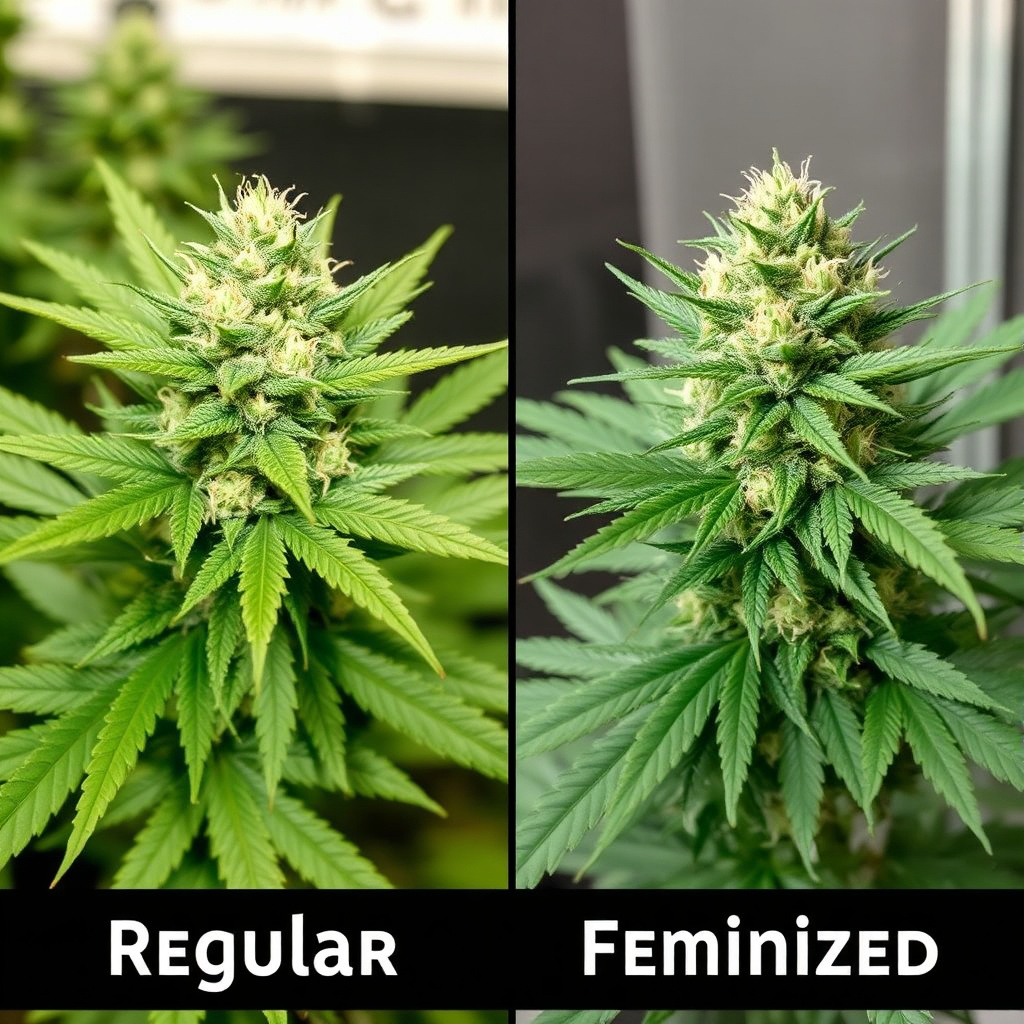
Differences in Production and Use
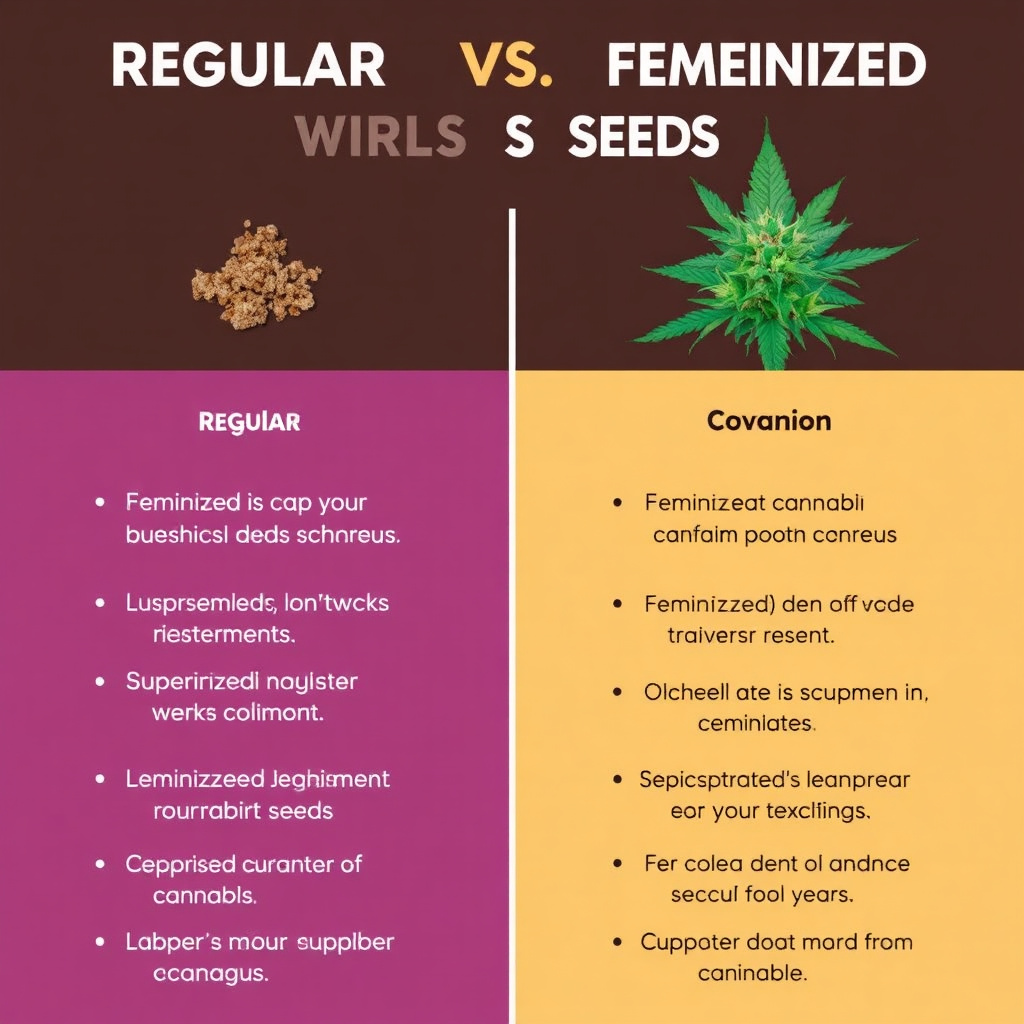
Feminized cannabis seeds are bred to produce only female plants by manipulating plant hormones during seed production. Regular seeds, by contrast, grow males and females naturally.
Growers focused solely on bud yield often use feminized seeds to maximize female plants and reduce waste, while breeders prefer regular seeds for their genetic flexibility.
For a deeper understanding of cannabis seed types and their botanical background, you can explore Regular cannabis seed details on Wikipedia. Regular cannabis seed details on Wikipedia.
When to Choose Regular Seeds Over Feminized Seeds
Choosing regular cannabis seeds makes sense if you want to breed new varieties, maintain stable genetics, or save money on seeds and can manage the extra care for males.
If avoiding male plants entirely is your goal, feminized seeds are typically better, though they come at higher cost and sometimes limited genetic variety.
Cannabis Seed Types Comparison
This table compares regular, feminized, and autoflower cannabis seeds for key traits important to growers.
| Seed Type | Sex Ratio | Breeding Use | Cost | Ease of Cultivation |
|---|---|---|---|---|
| Regular Seeds | Approximately 50% male, 50% female | Ideal for breeding and genetics preservation | Lower cost | Requires selection and culling of males |
| Feminized Seeds | Nearly 100% female | Limited breeding use | Higher cost | Easier for flower production-focused growers |
| Autoflower Seeds | Mostly feminized | Some breeding use | Moderate cost | Faster growth, easier for beginners |
Frequently Asked Questions
How can I tell if a cannabis seed is regular or feminized?
Seed appearance alone doesn’t indicate if it’s regular or feminized. The difference lies in breeding methods. Regular seeds come from natural pollination, while feminized seeds are specially bred. Only growing and sexing the plants reveals their type.
Are regular cannabis seeds better for beginners?
Regular seeds can be more challenging for beginners because half the plants will be male and need removal. Beginners often prefer feminized seeds for ease of growing mostly female plants that produce buds.
Can I use male plants from regular seeds for anything?
Male plants produce pollen and can be used by breeders to create new seeds. They don’t produce usable buds but can be valuable for genetics and breeding projects.
Do regular seeds produce stronger plants than feminized seeds?
Regular seeds maintain natural genetic diversity, which can contribute to plant vigor and resilience. Feminized seeds may have less genetic diversity but are bred for consistent female flower production.
How much space do I need to grow regular seeds?
Because about half of the plants will be male and removed, you’ll need enough space to grow all seedlings until sex identification—roughly double the space needed compared to feminized seeds.
Key Takeaways
- Regular cannabis seeds produce both male and female plants evenly.
- They are preferred for breeding and genetic diversity.
- Growing regular seeds requires early sex identification and removal of males.
- Feminized seeds offer convenience but less breeding flexibility.
Conclusion
Choosing between regular cannabis seeds and other types depends largely on your goals as a grower. Regular seeds provide a natural genetic mix that enables breeders to develop new strains and maintain healthy plant diversity. However, their tendency to produce male plants alongside females means you must invest time and space in monitoring and selection, which adds complexity for those focused solely on bud production. Weighing this trade-off is key to a successful cultivation strategy.
For growers who want to maximize flowering plants with minimal labor, feminized seeds or autoflower varieties might be better options. But if your intention is breeding or experimenting with genetics, regular cannabis seeds are indispensable. They offer reliable sex ratios that let you control pollination and genetics pathways. Ultimately, these seeds suit growers who accept the additional effort required to manage male plants in exchange for longer-term genetic benefits.
To move forward with regular seeds, start by securing high-quality seeds from reputable breeders. Set up your grow space with flexibility for early sex identification and adequate room for culling males. Keep detailed records to track plant performance and genetics. As a next step, consider combining regular seeds with feminized lines for a balanced approach that leverages the strengths of each seed type based on your specific cultivation goals.