Understanding the Difference Between Hemp and Marijuana
Hemp and marijuana are both strains of the Cannabis sativa plant but differ significantly in their chemical composition, uses, and legal standing. The primary difference lies in their tetrahydrocannabinol (THC) content: hemp contains 0.3% THC or less by dry weight, making it non-psychoactive, while marijuana typically has higher THC levels, producing psychoactive effects.
This distinction affects how each plant is cultivated, processed, and regulated worldwide. Hemp is widely grown for industrial purposes such as textiles, food products, and cannabidiol (CBD) extraction. Marijuana, on the other hand, is predominantly cultivated for recreational or medicinal use due to its psychoactive properties. Understanding these differences impacts consumer choices, legal considerations, and agricultural practices.
This article will explore the botanical, chemical, legal, and practical differences between hemp and marijuana. Readers will learn about their varied uses, cultivation requirements, and regulatory frameworks, helping clarify common misconceptions surrounding these two distinct cannabis types.
Botanical Characteristics of Hemp and Marijuana

Physical Appearance
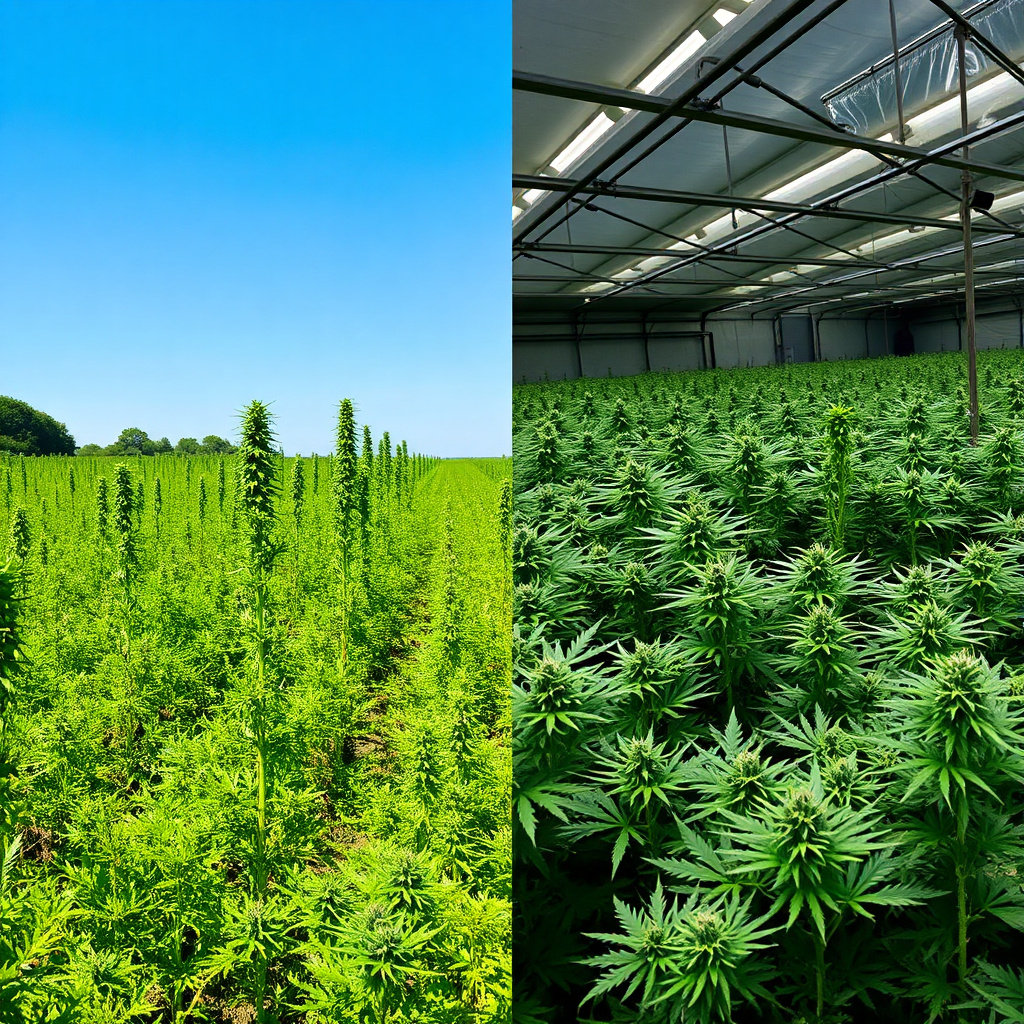
Hemp plants tend to grow taller and thinner with narrow leaves, often reaching up to 15 feet in height, whereas marijuana plants are bushier with broader leaves and grow shorter, usually around 3 to 6 feet tall. This growth pattern suits hemp's industrial applications and marijuana's indoor cultivation.
The differences in morphology arise from selective breeding focusing on either fiber or cannabinoid production. Hemp’s tall stalks are prized for fiber, while marijuana’s dense flower clusters are targeted for cannabinoid extraction.
Chemical Composition
The chemical composition of hemp and marijuana varies primarily in THC and cannabidiol (CBD) levels. Hemp contains minimal THC (0.3% or less) but often has higher CBD concentrations, which do not induce intoxication. Marijuana plants usually have THC concentrations from 5% up to 30%, leading to psychoactive effects.
Besides THC and CBD, both plants contain other cannabinoids and terpenes that influence their effects and aroma. However, THC content defines legal classification in many regions, separating hemp from marijuana.
Legal and Regulatory Differences
Global Legal Status
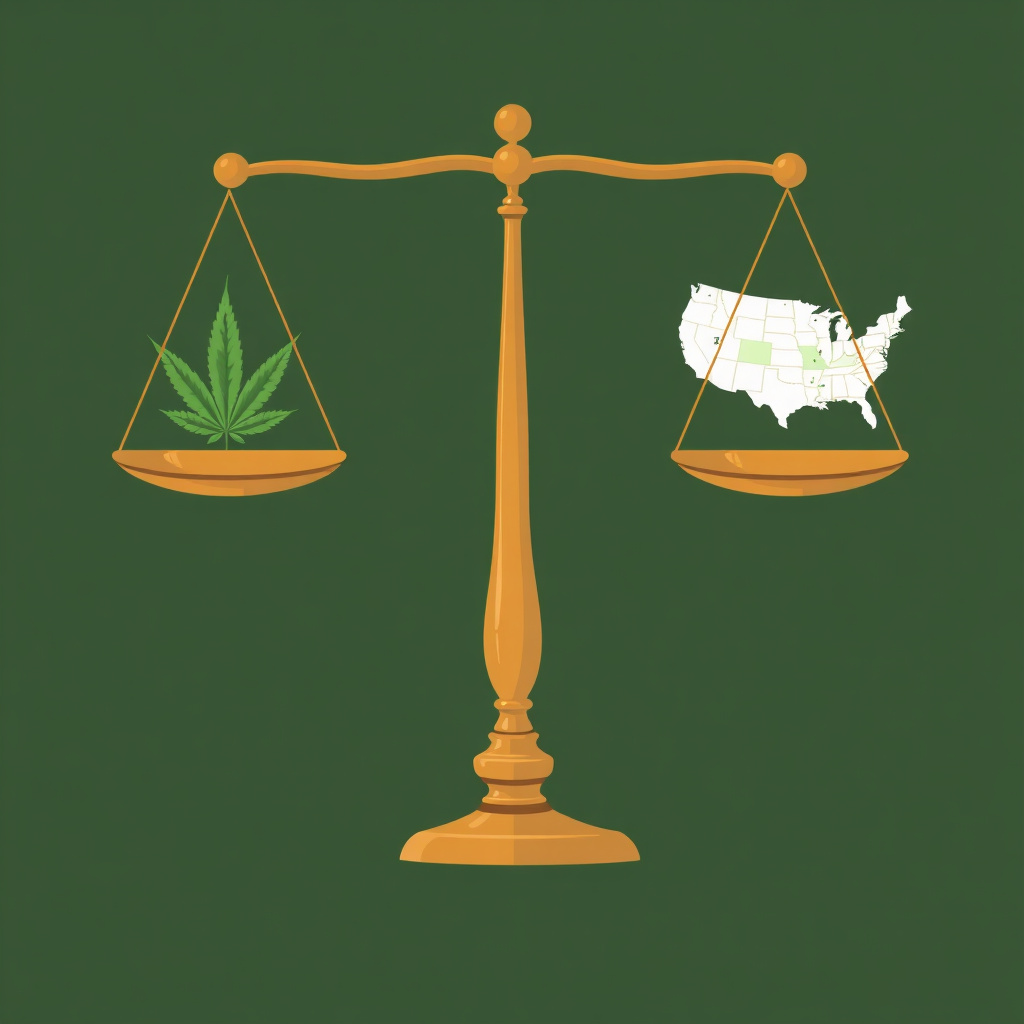
Hemp has been legalized in many countries worldwide due to its low THC content and industrial uses. It is generally regulated differently from marijuana, often permitted for farming, manufacturing, and sale. Marijuana legality varies greatly, with many jurisdictions allowing medicinal or recreational use, while others have strict prohibitions.
Regulatory bodies distinguish hemp and marijuana largely based on THC threshold levels, primarily the 0.3% limit established in the United States and adopted by other nations for hemp classification.
For more on this, see our related guide: Are Cannabis Seeds Legal in the USA? Understanding the Legal Landscape.
Implications for Consumers and Producers
The legal distinction influences how products derived from hemp and marijuana can be marketed and sold. Hemp-derived products, like CBD oils and textiles, enjoy widespread legal acceptance, whereas marijuana products face varying restrictions depending on local laws.
Producers must comply with regulations involving licensing, THC testing, and product labeling. This compliance ensures safety for users and clarity for the market.
Industrial and Medicinal Uses of Hemp and Marijuana

Industrial Applications of Hemp
Hemp is valued for its versatility in producing textiles, paper, biodegradable plastics, building materials, and nutritional products like hemp seeds and oils. Its rapid growth and minimal pesticide requirements make it sustainable for industrial cultivation.
The hemp plant’s fibrous stalks are processed into strong, durable materials, positioning it as an eco-friendly alternative in several industries.
- Textiles and fabrics
- Biodegradable plastics
- Hempcrete construction material
- Nutritional supplements from seeds and oil
Medicinal and Recreational Uses of Marijuana
Marijuana is primarily cultivated for medicinal or recreational use due to its psychoactive THC content. Medicinal cannabis is prescribed for pain relief, nausea control, epilepsy, and anxiety, among other conditions.
Recreational marijuana usage relies on higher THC concentrations to produce effects such as euphoria and relaxation. Regulation often dictates potency, quality control, and patient or consumer access.
- Pain and symptom management
- Neurological condition treatment
- Recreational psychoactive use
Cultivation Practices for Hemp and Marijuana
Growing Conditions for Hemp
Hemp thrives outdoors with ample sunlight and good soil drainage. It requires less attention to watering and fertilizers compared to marijuana and is usually grown in large fields to maximize stalk yield.
Because hemp has minimal psychoactive THC, growers focus on maximizing fiber or seed production rather than cannabinoid concentration.
- Outdoor cultivation
- Less nutrient-intensive
- Tall stalks and wide spacing
For more on this, see our related guide: How to Choose High CBD Cannabis Seeds for Maximum Therapeutic Benefits.
Marijuana Cultivation Techniques
Marijuana plants often need controlled environments like greenhouses or indoor grow rooms to optimize temperature, humidity, and light intensity. These conditions help increase THC levels and flower quality.
Growers use specialized techniques, including hydroponics and pruning, to increase yield and potency, making the process more labor-intensive and costly.
- Indoor or greenhouse cultivation
- Highly controlled environment
- Techniques enhancing cannabinoid content
Consumer Products Derived from Hemp and Marijuana

Hemp-Based Products
Hemp is commonly used to make textiles, dietary supplements like CBD oils and capsules, beauty products, and food items such as protein powders and hemp seeds. These products leverage hemp’s nutritious and sustainable properties.
Hemp-derived CBD products can offer health benefits without psychoactive effects, appealing to a broad consumer base seeking natural alternatives.
- CBD oils and tinctures
- Clothing and textiles
- Nutritional supplements
- Skincare and cosmetics
For a scientific overview of both hemp and marijuana, refer to the Cannabis sativa Wikipedia article. Cannabis sativa Wikipedia article.
Marijuana-Derived Products
Marijuana products focus on delivering THC or combined cannabinoids for recreational or therapeutic effects through dried flower, concentrates, edibles, and topicals. Dosing and potency are tightly regulated to ensure consumer safety.
These products require thoughtful consideration regarding effects, onset times, and dosage, especially for medicinal users.
- Dried cannabis flower
- Concentrates and extracts
- Edibles and beverages
- Medicinal topicals
Hemp vs Marijuana Category Comparison
This table highlights key distinctions between hemp and marijuana across common categories to clarify their differences.
| Category | Hemp | Marijuana |
|---|---|---|
| THC Content | 0.3% or less | 5% to 30% or higher |
| Primary Use | Industrial and CBD products | Medicinal and recreational use |
| Plant Height | Up to 15 feet | 3 to 6 feet |
| Legal Status | Widely legal with low THC limits | Varies widely; often restricted |
| Cultivation Environment | Outdoor fields | Indoor or greenhouses |
| Psychoactive Effects | None/minimal | Significant |
Frequently Asked Questions
Can hemp get you high like marijuana?
No, hemp contains 0.3% THC or less and does not produce psychoactive effects, whereas marijuana has much higher THC levels that cause the 'high'.
Is CBD oil from hemp legal everywhere?
CBD oil derived from hemp is legal in many places due to low THC content, but regulations vary by country and state, so local laws should be checked.
Do hemp and marijuana look the same?
They have similar features but differ in size and leaf structure: hemp is taller with thinner leaves, while marijuana plants are bushier with broader leaves.
What products come from hemp versus marijuana?
Hemp products include textiles, CBD oils, and food items; marijuana products include THC-rich flower, concentrates, and medicinal formulations.
Are hemp and marijuana plants grown the same way?
No, hemp is usually grown outdoors with minimal care, while marijuana often requires controlled indoor environments for potency and quality.
Key Takeaways
- Hemp and marijuana are different types of Cannabis sativa distinguished mainly by THC content.
- Legal classification depends largely on THC percentage, influencing use and regulation.
- Hemp serves industrial and CBD purposes; marijuana is used medicinally and recreationally.
- Cultivation and product uses vary significantly between hemp and marijuana.
Conclusion
Understanding the difference between hemp and marijuana starts with their essential botanical and chemical properties. Hemp’s low THC content sets it apart from marijuana, which contains higher THC levels responsible for psychoactive effects. This fundamental distinction informs how each plant is cultivated, used, and regulated globally, affecting industries from agriculture to pharmaceuticals. When choosing between hemp and marijuana products or considering cultivation, knowing these differences is key to making informed decisions that align with legal frameworks and intended applications.
For those interested in industrial materials or non-psychoactive wellness products, hemp-derived items like CBD oils, textiles, and nutritional supplements present a promising option. Conversely, individuals seeking therapeutic or recreational psychoactive effects should consider marijuana, which offers a range of products from flower to concentrates governed by stricter regulation. Cultivation approaches also differ markedly: hemp thrives in large outdoor fields, while marijuana requires tailored environments to maximize cannabinoid profiles. Recognizing these nuances can help consumers and producers select the right cannabis type for their needs.
To proceed, consumers should verify regional laws to ensure compliance and safety when purchasing hemp or marijuana products. Producers must understand regulatory requirements for licensing and testing to operate legally and effectively. By embracing the clear distinctions between hemp and marijuana, users and businesses alike can navigate this complex botanical landscape with greater confidence. For more detailed scientific insight, consult authoritative sources like the Cannabis sativa Wikipedia page to deepen your understanding of this fascinating plant.