How to Choose Seeds for Indoor Growing: A Practical Guide
Choosing the right seeds for indoor growing starts with understanding your space, lighting conditions, and the type of plants you want to cultivate. Opting for seeds suited to indoor environments ensures better germination and healthier growth. Whether growing herbs, vegetables, or flowers, selecting seeds adapted to indoor climates is key.
Indoor gardening is increasingly popular as it allows year-round cultivation, even in limited spaces. However, without the right seeds, plants might struggle due to lower natural light, controlled temperatures, and limited soil volume. Selecting seeds specifically bred or proven fruitful for indoor conditions improves your chances of success and yields.
This article explores factors like seed types, plant varieties ideal for indoor growth, seed quality indicators, and care tips to help you confidently choose seeds for your indoor garden. You'll also find advice on germination techniques and comparison of common seed options to guide your selection.
Understanding Seed Types for Indoor Growing

Heirloom vs Hybrid Seeds
Heirloom seeds come from plants passed down for generations and offer genetic diversity and unique flavors. They tend to produce true-to-type plants but might have varying growth rates indoors, depending on environmental factors.
Hybrid seeds result from controlled cross-breeding for desirable traits like disease resistance and uniform growth. For indoor growers, hybrids can offer higher germination rates and better adaptability to indoor conditions, but the seeds may not reliably reproduce offspring with identical traits.
Open-Pollinated and GMO Seeds
Open-pollinated seeds are pollinated naturally and maintain genetic traits, which is useful for seed saving in indoor gardens if you wish to reuse seeds each season.
Genetically modified organism (GMO) seeds are less common in indoor seed catalogs and often avoided by home growers due to limited access and personal preferences. For indoor growing, focusing on non-GMO seeds offers more control over plant characteristics.
Factors to Consider When Selecting Seeds for Indoor Growing
Plant Size and Growth Habit
Space constraints indoors mean choosing smaller or compact plant varieties suited for containers or limited room. Dwarf or bushy varieties often thrive better indoors than large, sprawling types.
Seed packages typically indicate mature plant size and growth habit — select seeds that promise a size manageable within your available indoor space to avoid overgrowth and ensure proper air circulation.
Light Requirements
Indoor environments rarely match outdoor light intensity, so selecting seeds for plants tolerant of low to moderate light improves success. Leafy greens, herbs, and some flowers are often good choices.
When natural light is limited, supplementing with grow lights is common. Choose seeds for plants responsive to artificial light spectrums and durations typically used indoors.
Seed Quality and Viability Indicators
Checking Packaging and Expiration Dates
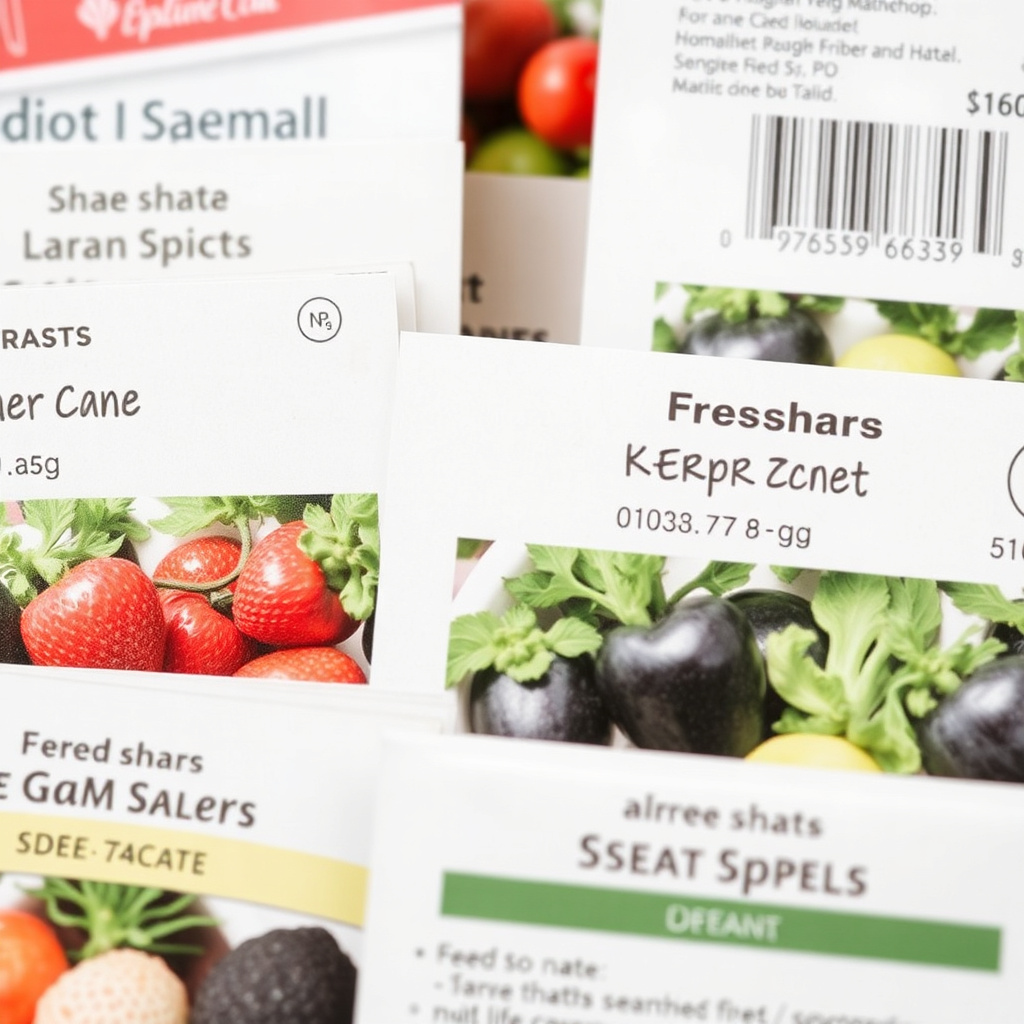
Seed viability declines with time. Fresh seeds germinate faster and more reliably, so look for packets with recent harvest or packing dates and long use-by dates.
Packaging that protects seeds from moisture and light — such as foil-lined or sealed plastic — helps maintain quality during storage, especially important when seeds might sit for several months before planting.
- Look for 'packed for' or 'harvested on' dates
- Avoid damaged or torn seed packets
- Prefer sealed packaging
For more on this, see our related guide: Cannabis Strain Comparison: How to Choose the Right Strain for Your Needs.
Seed Appearance and Source
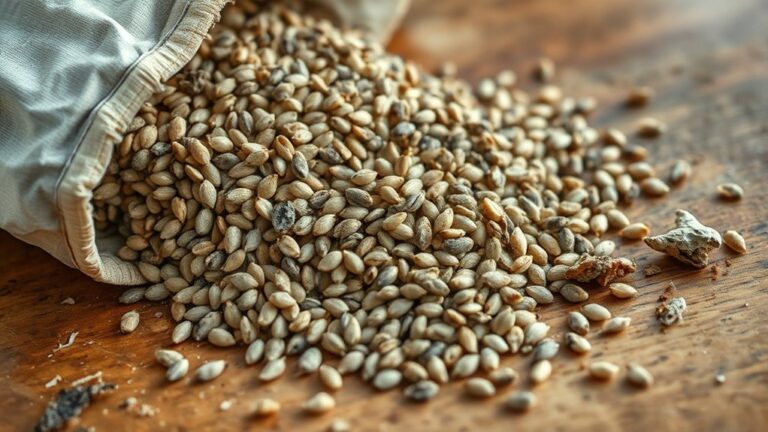
Seeds should look firm, plump, and uniform without cracks or discoloration. These visual cues often suggest freshness and germination potential.
Purchasing from reputable seed suppliers specializing in indoor or specialty seeds increases the likelihood of quality products and provides access to detailed planting guides.
Popular Seeds for Indoor Growing
Herbs and Microgreens
Herbs like basil, parsley, cilantro, and chives grow quickly from seed indoors and tolerate lower light. They also provide fresh flavors year-round and require minimal space.
Microgreens, harvested at baby leaf stage, are ideal for indoor seed starting, offering rapid growth cycles (7-14 days) and nutritional benefits in compact trays.
- Basil
- Parsley
- Sunflower microgreens
- Radish microgreens
Vegetables and Flowers
Compact vegetable varieties such as cherry tomatoes, peppers, and lettuce types are suited for indoor growing from seed, providing fresh produce even with small setups.
Certain flowers like marigolds and pansies grow well indoors from seed, adding color and pollinator-friendly benefits for indoor gardeners.
- Cherry tomato
- Bell pepper
- Marigold
- Pansy
Techniques to Maximize Seed Germination Indoors
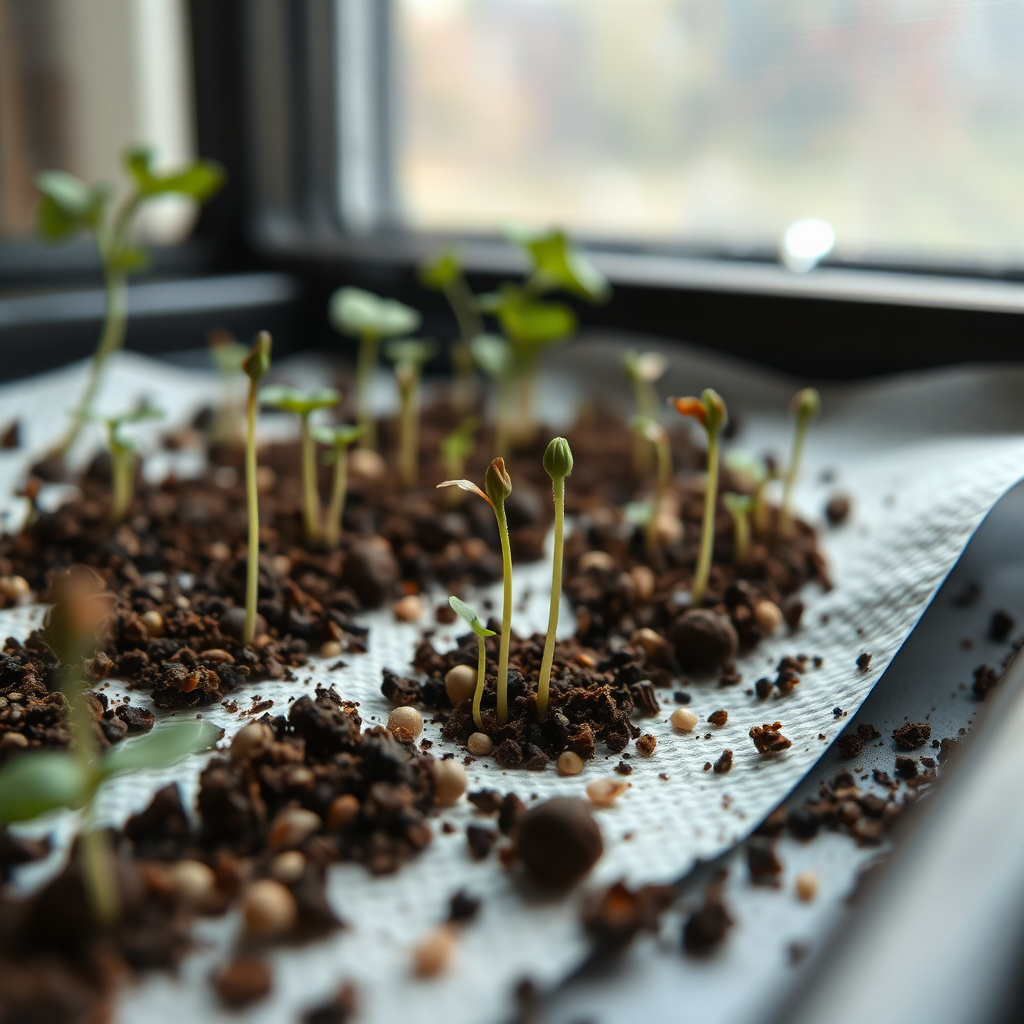
Pre-Soaking and Scarification
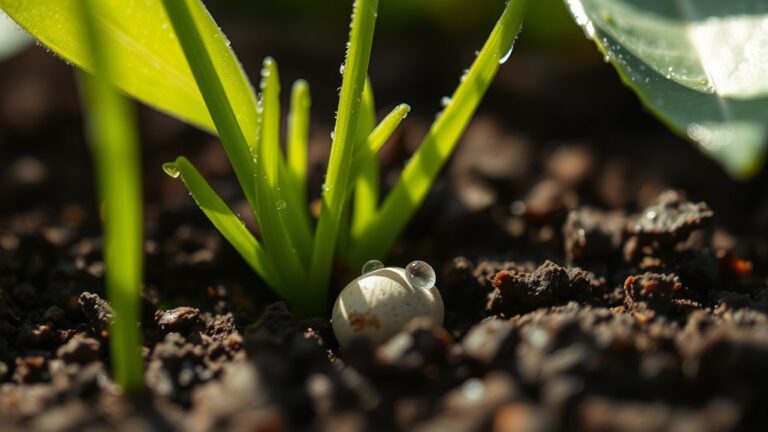
Some seeds benefit from pre-soaking to soften hard seed coats and accelerate germination. Soaking times vary, typically between 6 to 24 hours.
Scarification involves lightly nicking or sanding seed coats to improve water uptake and germination rates, especially for tough seeds like some beans or peas.
For more on this, see our related guide: How to Choose Cannabis Strains for Your Perfect Experience.
Maintaining Optimal Moisture and Temperature
Consistent moisture without waterlogging is critical. Using seed starting mixes with good drainage and humidity domes can help maintain proper moisture levels.
Temperature affects germination speed; many indoor seeds germinate best between 65°F and 75°F. Heating mats can provide additional warmth for cool indoor environments.
Tools and Accessories for Indoor Seed Starting
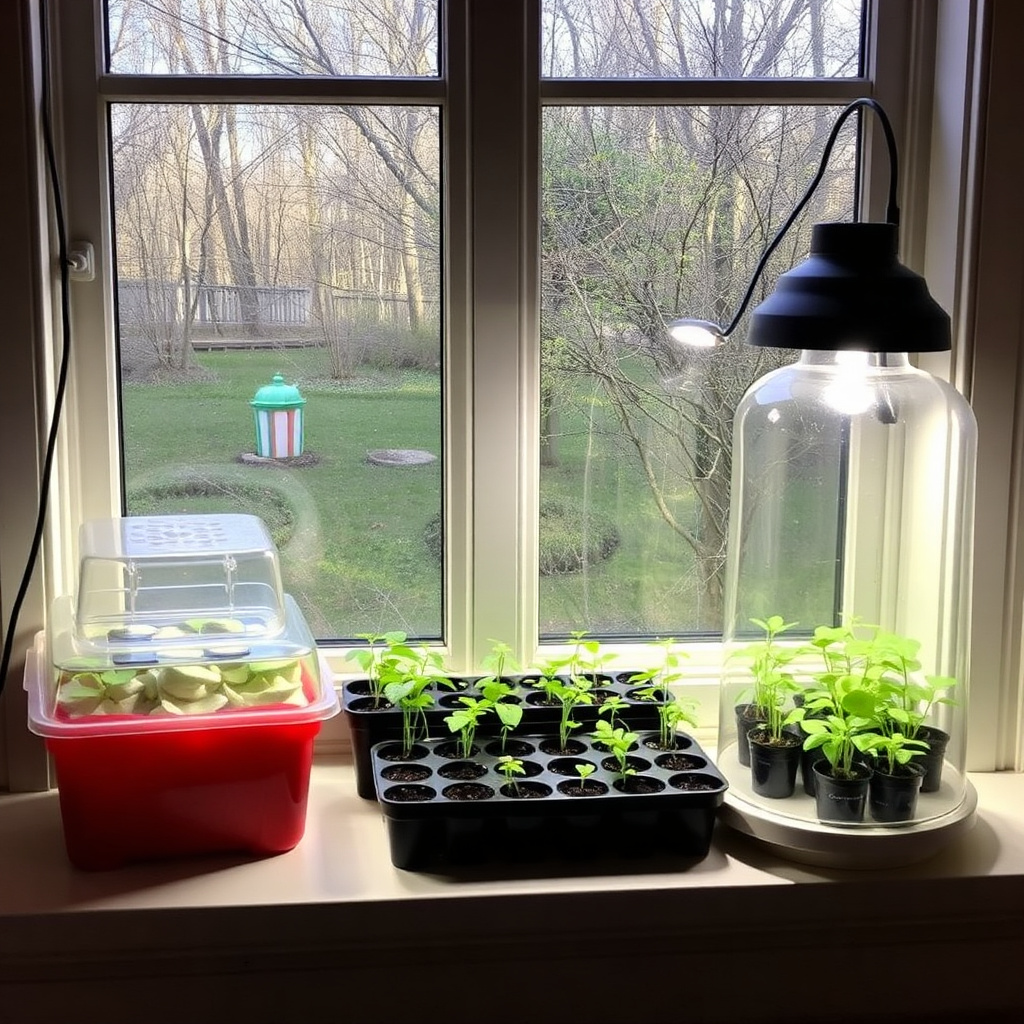
Seed Starting Trays and Containers
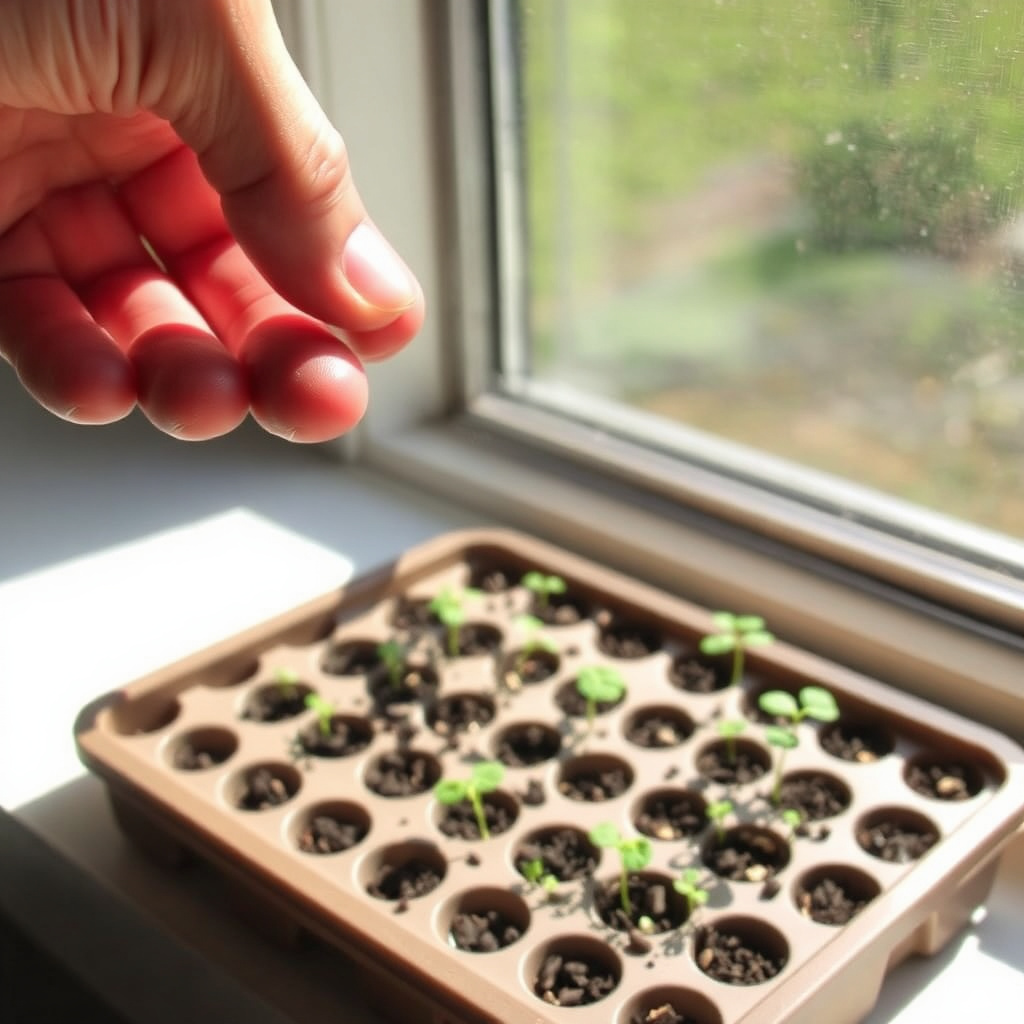
Seed trays with cells provide individual spaces for seedlings, reducing root disturbance when transplanting. Alternative containers include peat pots, biodegradable pods, or recycled containers with drainage holes.
Choosing the right size and material helps maintain adequate moisture and space for root development during early growth phases.
For a deeper understanding of indoor gardening basics, the Wikipedia page offers detailed insights into techniques and plant choices. indoor gardening basics.
Lighting and Heating Equipment
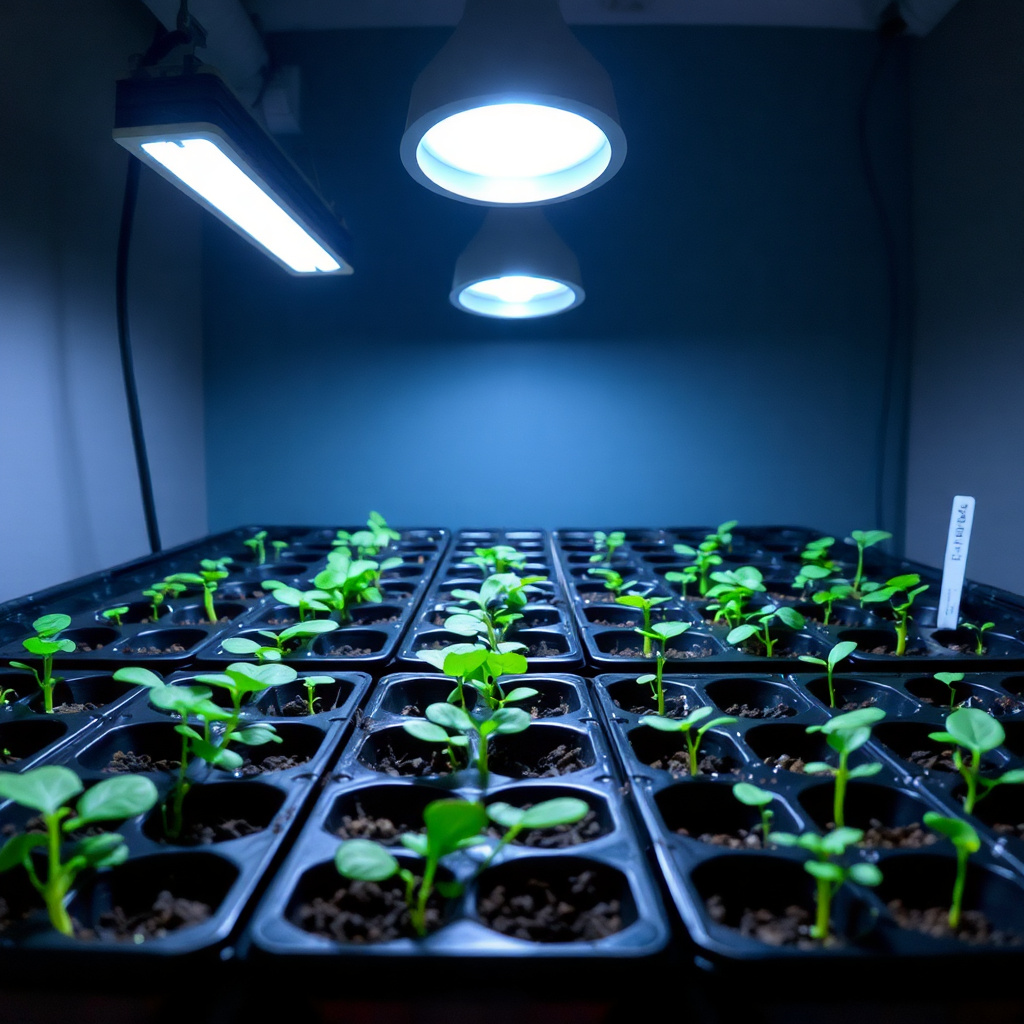
LED grow lights with adjustable spectra offer efficient lighting tailored for seed starting. Position lights close to seedlings to prevent stretching.
Heating mats ensure soil stays within ideal temperature ranges to encourage quick, uniform germination, particularly in cooler climates or indoor areas.
Indoor Seed Options Category Comparison
This table compares common seed categories for indoor growing based on growth speed, space needs, light tolerance, and ease of care.
| Category | Growth Speed | Space Requirement | Light Tolerance | Ease of Care |
|---|---|---|---|---|
| Herbs | Fast (2-4 weeks to harvest) | Low | Medium to High | Easy |
| Microgreens | Very Fast (1-2 weeks) | Very Low | Low to Medium | Very Easy |
| Compact Vegetables | Moderate (4-8 weeks) | Medium | High | Moderate |
| Indoor Flowers | Moderate (6-10 weeks) | Low to Medium | Medium | Moderate |
| Dwarf Fruit Varieties | Slow (8+ weeks) | Medium to High | High | Challenging |
Frequently Asked Questions
Can I use outdoor garden seeds for indoor growing?
Many outdoor seeds can be used indoors; however, selecting varieties suited for confined spaces and indoor lighting ensures better results.
How do I know if my seeds are still viable?
Perform a germination test by placing several seeds on a damp paper towel; viable seeds should sprout within their typical germination time frame.
What is the best soil for starting seeds indoors?
Use light, well-draining seed starting mixes free from fertilizers to promote healthy early root growth and prevent damping-off diseases.
How often should I water seeds during germination indoors?
Keep soil consistently moist but not soggy; misting daily or covering with a humidity dome can help maintain proper moisture levels.
Do I need grow lights if I have a sunny window?
Sunny windows may suffice for some plants, but grow lights provide consistent, adjustable light intensity that improves germination and seedling vigor.
Key Takeaways
- Select seeds based on indoor space, light levels, and plant size to ensure healthy growth.
- Choose fresh, high-quality seeds from reliable sources for better germination.
- Herbs and microgreens are excellent for beginner-friendly indoor growing.
- Proper moisture, temperature, and lighting are essential for seed starting success.
Conclusion
Choosing seeds for indoor growing is about matching plant characteristics to the unique conditions inside your home. By considering factors like plant size, light requirements, and seed quality early on, you establish a strong foundation for thriving indoor gardens. Understanding these elements and making informed decisions reduces the risk of disappointing results and wasted effort.
For those new to indoor planting, herbs and microgreens are practical first steps, offering fast, manageable growth that suits most indoor spaces. More experienced growers might explore compact vegetable varieties or dwarf fruit plants that provide greater diversity and edible yields. Hybrid and open-pollinated seeds each have advantages depending on whether you prioritize uniformity or seed saving for the future.
Moving forward, invest in reliable seed starting supplies like trays, quality seed mixes, and supplemental lighting tailored to your space. Test seed viability before planting and adopt appropriate germination techniques such as pre-soaking or temperature control. By focusing on these specifics and selecting seeds aligned with your indoor environment, your indoor growing journey can be rewarding and productive.