What Signs Indicate Sunflower Seeds Go Bad?
Are you tired of wasting sunflower seeds because you can’t tell if they’re still good? Many people struggle with knowing when seeds have gone bad, which can be frustrating and costly. Don’t worry—you’re not alone, and with a few simple tips, you’ll be able to tell if your sunflower seeds are still fresh and safe to eat.
To tell if sunflower seeds have gone bad, smell for a sharp, bitter, or rancid odor, and look for discoloration, dark spots, or mold.
Check the texture—fresh seeds are firm and crunchy, so if they’re soft or sticky, they’re likely spoiled.
Also, inspect the packaging for tears, leaks, or swelling. If they taste bitter or off, it’s safest to discard them.
Keep exploring to learn more about keeping your seeds fresh and safe.
Key Takeaways
- Rancid or bitter smell means the seeds have oxidized and gone bad.
- Discoloration, dark spots, or mold suggest spoilage or microbial growth.
- Soft, mushy, or sticky texture indicates moisture infiltration and deterioration.
- Off taste, sourness, or metallic flavor points to rancidity or fermentation.
- Damaged packaging with tears, holes, or bulging could mean contamination or spoilage.
How to Recognize Rancid Sunflower Seeds by Smell
Ever wondered how to tell if sunflower seeds have gone bad just by smelling them? Sunflower aroma evaluation is your quickest clue. Fresh seeds usually have a mild, nutty scent.
Fresh sunflower seeds emit a mild, nutty aroma—trust your nose to detect spoilage early.
When they turn rancid, a sharp, bitter odor shows up, signaling spoilage. To check for rancidity, just sniff the seeds closely. Hold a small handful near your nose and take a deep breath.
If you notice a paint-like, sour, or greasy smell, it’s a sign they’ve gone bad. Rancidity happens from fat oxidation, which changes the aroma.
Trust your nose—smelling is often the best way to spot spoiled sunflower seeds before eating. A strong, unpleasant smell clearly means they’re no longer good for snacking or cooking.
Relying on sunflower aroma evaluation helps you avoid eating rancid seeds and keeps your food fresh and safe.
Visual Signs That Sunflower Seeds Have Gone Bad
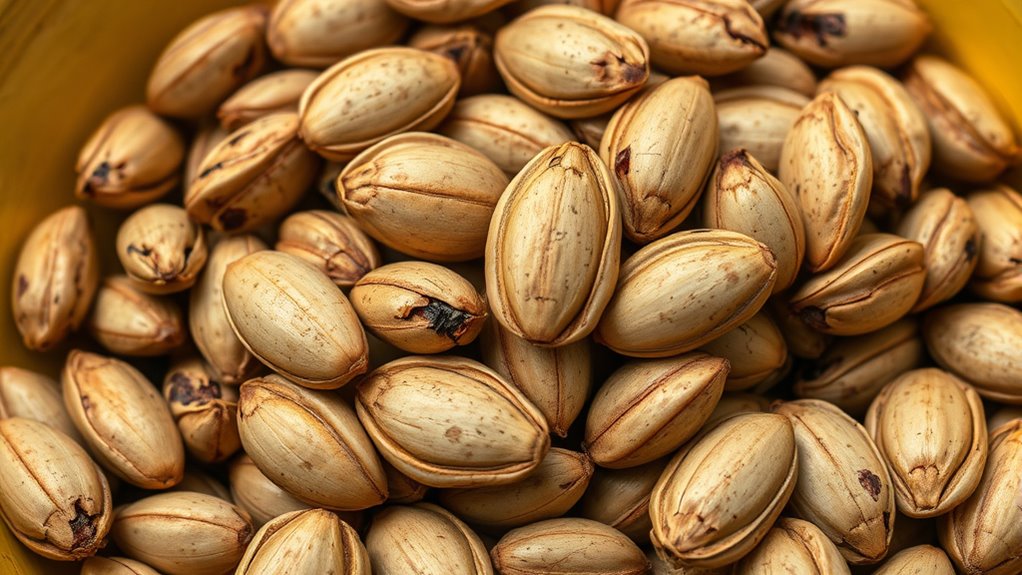
One of the most obvious ways to tell if sunflower seeds have gone bad is by examining their appearance. Start with sunflower seed coloration—fresh seeds usually have a consistent, natural hue. If you notice discoloration, dark spots, or uneven coloring, it could be a sign of spoilage.
Also, check the packaging. Tears, holes, or signs of moisture inside suggest contamination or exposure to humidity, which speeds up spoilage. If the seeds look dull or faded compared to their usual vibrant appearance, they might be past their prime.
Look closely at the surface for any mold or unusual spots, which indicate microbial growth. Remember, visual cues are quick ways to see if your sunflower seeds might not be safe to eat. If anything seems off in color or packaging, it’s best to discard the seeds.
Texture Changes That Indicate Spoiled Sunflower Seeds
If your sunflower seeds feel soft or mushy when you touch them, that’s usually a pretty good sign they’ve gone bad. No one wants to bite into seeds that aren’t crunchy anymore, right?
Also, keep an eye out for a sticky or clammy surface. That’s often a sign that moisture has sneaked in, which can cause the seeds to spoil faster. When in doubt, trust how it feels—if the texture seems off or weird, it’s probably best to toss them out.
Soft or Mushy Texture
When sunflower seeds become soft or mushy, it’s a clear sign they’ve gone bad. Soft seeds mean they’ve absorbed moisture or started to rot, making them unpleasant and unsafe to eat.
If you notice the seeds feel squishy or lack their usual crunch, discard them immediately. The mushy texture comes from microbial activity or oil breakdown, which reduces their freshness.
Fresh sunflower seeds should be firm and crunchy when bitten into. A change to a soft or floppy feel suggests spoilage and potential health risks.
Don’t ignore these signs, as eating spoiled seeds can cause digestive discomfort or food poisoning. Always check for texture changes before eating sunflower seeds, and when in doubt, it’s safer to throw them away.
Sticky or Clammy Feel
A sticky or clammy feel to sunflower seeds is a clear sign they’ve started to spoil. When you notice a sticky residue on the shells or seeds themselves, it indicates bacterial growth or mold.
The clammy texture makes the seeds feel damp or slimy, which is not normal for fresh seeds. This clammy feel often comes with a faint sour smell, confirming spoilage.
If the seeds are sticky or feel unusually moist, it’s best to discard them to avoid consuming bacteria or mold. The sticky residue can also cause the shells to stick together, making storage and handling messier.
Avoid eating sunflower seeds with this texture change, as it’s a strong sign they’ve gone bad and are no longer safe to enjoy.
How to Detect Off-Taste in Sunflower Seeds
When you’re eating sunflower seeds, just take a moment to really notice if anything tastes a bit strange. If you notice a bitter, sour, or metallic flavor, that’s usually a good sign that the seeds might be spoiled.
And don’t forget to pay attention to the aftertaste. If it leaves an unpleasant or lingering flavor in your mouth, it’s probably best to toss them out. Basically, trust your senses—if something doesn’t taste right, it’s better to be safe than sorry!
Unusual Bitter Flavors
Unusual bitter flavors in sunflower seeds often mean they’re spoiled or contaminated. It’s important to spot these signs early.
If you notice a bitter aftertaste when chewing, it’s a clear sign the seeds might be past their prime. These flavor changes can happen even if the seeds look fine on the outside.
A strong, unpleasant bitterness isn’t normal. It suggests the oils have gone rancid or bacteria have contaminated the seeds.
Trust your senses—if the seeds taste sharply bitter or have an off-putting flavor, it’s best to throw them away.
Don’t ignore these signs because eating spoiled sunflower seeds can cause digestive issues or other health problems.
Always check for flavor changes before eating, especially if the seeds have been stored for a while.
Sour or Metallic Tastes
Sour or metallic tastes are clear signs that sunflower seeds have gone bad and should be thrown away. If you notice a sour flavor when chewing, it means fermentation or spoilage has happened.
A metallic aftertaste can also be a sign that the fats inside the seeds have gone rancid due to oxidation. These off-tastes are unpleasant and often mean the seeds are no longer safe to eat.
Don’t ignore these signals. Eating spoiled sunflower seeds can cause stomach upset or food poisoning. Trust your palate—if they taste sour or metallic, it’s best to discard them.
Fresh sunflower seeds should taste neutral or mildly nutty, not sour or metallic. Always prioritize freshness to enjoy their flavor and stay healthy.
Off-Putting Aftertaste
An off-putting aftertaste in sunflower seeds is a clear sign they’re no longer fresh. Different aftertaste types can signal spoilage, like bitter, rancid, or sour notes that linger after chewing.
These flavor profiles usually mean oxidation or stale oils, which indicate the seeds have gone bad. When you notice an unusual or unpleasant aftertaste, it’s best to avoid eating more.
A fresh batch should have a mild, nutty flavor without any bitter or off-putting tones. Pay attention to how long the aftertaste lasts—if it sticks around or gets stronger, it’s a good sign the seeds are past their prime.
Recognizing these flavors helps you decide whether sunflower seeds are still good or if it’s time to toss them out.
Spotting Mold and Discoloration on Your Sunflower Seeds
When inspecting your sunflower seeds, look closely for any signs of mold or discoloration, as these are clear indicators that the seeds may have gone bad. Mold usually appears as fuzzy spots, often white, green, or black, which shows moisture has infiltrated.
Discoloration might look like dark streaks, yellowing, or uneven patches. These changes indicate that the seeds are deteriorating. To prevent mold, store your seeds in a cool, dry place and keep them in airtight containers to avoid moisture and air exposure.
Proper storage helps keep your seeds fresh and reduces the risk of mold. Make it a habit to check your seeds regularly, especially if you’ve stored them for a long time.
Expiration Dates and Storage Tips for Sunflower Seeds
Proper storage plays an essential role in keeping your sunflower seeds fresh and safe to eat. Always check expiration labels on the packaging before buying or consuming.
Seeds typically stay good for several months past the date if stored properly. To extend freshness, transfer sunflower seeds into airtight storage containers, especially once opened.
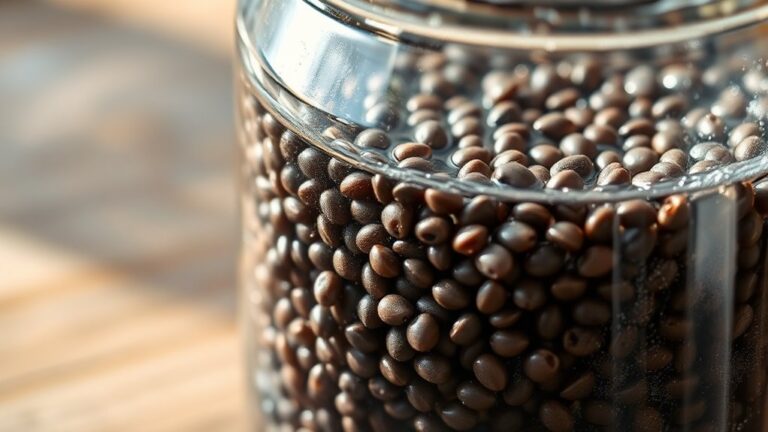
Glass or plastic containers with tight-fitting lids prevent air and moisture from spoiling the seeds. Keep the containers in a cool, dark place like a pantry or cupboard, away from direct sunlight and heat sources.
If you have bulk sunflower seeds, consider dividing them into smaller portions to avoid repeated exposure to air. Avoid storing seeds near strong-smelling foods, as they can absorb odors.
Proper storage not only prolongs shelf life but also maintains flavor and texture, reducing the risk of spoilage. Follow these tips, and your sunflower seeds will stay fresh and delicious longer.
Signs of Spoiled Sunflower Seeds in Packaging
Because packaged sunflower seeds can spoil without obvious warning, it’s essential to watch for signs that indicate they’ve gone bad. First, check the packaging integrity. Any tears, holes, or leaks suggest contamination or exposure to moisture, which can speed up spoilage. If the seal is broken or compromised, the seeds might no longer be fresh.
Next, examine the packaging for any swelling or bulging, which can mean gas buildup from bacteria. Also, be alert for any unusual odors when you open the package. Offensive, rancid, or sour smells are clear signs the seeds have gone bad.
Visual cues are important too. Discolored seeds, mold spots, or a sticky, slimy coating mean they’re past their prime. Overall, keeping an eye on the packaging and noticing changes in appearance, smell, or texture will help you decide if the sunflower seeds are still good or should be discarded.
When and Why to Discard Spoiled Sunflower Seeds
Knowing how to identify spoiled sunflower seeds is the first step, but knowing when and why to discard them is just as important for your safety. Seeds don’t last forever; over time, they lose their nutritional value and can become unsafe to eat.
You should toss sunflower seeds when you notice an off smell, mold, or a bitter taste. These are clear signs they’ve gone bad. Also, if the seeds seem excessively rancid or have visible discoloration, it’s best to throw them away to avoid health risks.
Eating spoiled seeds can cause food poisoning or digestive problems. Remember, the longer seeds are stored, the more nutrients they lose and the higher the chance of contamination. Discard seeds at the first signs of spoilage to stay safe and enjoy fresh, nutritious snacks.
Tips for Properly Storing Sunflower Seeds to Keep Them Fresh
To keep sunflower seeds fresh for as long as possible, store them in an airtight container in a cool, dark place. Proper preservation depends on preventing moisture, light, and heat from damaging the seeds.
Choose an airtight jar or resealable bag to keep out air and humidity, which can cause mold or rancidity. Then, place the container in a pantry, cupboard, or another cool spot away from direct sunlight and heat sources.
Avoid storing sunflower seeds near strong-smelling foods, as they can absorb odors. Keep the temperature steady, ideally below 70°F, to slow down oxidation.
Don’t forget to label your container with the purchase or opening date so you can keep track of freshness. Following these tips will help extend shelf life, preserve flavor, and keep your sunflower seeds tasty longer.
What Happens if You Eat Spoiled Sunflower Seeds?
Eating spoiled sunflower seeds can cause some pretty unpleasant health effects, so it’s important to spot the signs of spoilage before you eat them. When you consume contaminated seeds, you might run into issues like food poisoning, nausea, or stomach cramps.
Eating spoiled sunflower seeds can lead to food poisoning, nausea, and stomach cramps—always check for signs of freshness.
Spoiled seeds can also trigger allergic reactions or cause gastrointestinal discomfort. Plus, eating sunflower seeds past their prime means you miss out on key nutrients like vitamin E, healthy fats, and minerals.
Be cautious if you notice a rancid or sour smell, mold, discoloration, or a bitter or off taste. Also, watch for a slimy or sticky texture or the presence of bugs or larvae.
Ignoring these signs can put your health at risk and reduce the nutritional benefits. Always check your sunflower seeds for freshness before eating to stay safe and get the most nutrients.
Frequently Asked Questions
Can Sunflower Seeds Become Toxic if They Go Bad?
Sunflower seed toxicity isn’t common, but eating rancid oil from spoiled seeds can cause stomach upset or food poisoning.
If your sunflower seeds smell sour or bitter, or if they taste off, they likely contain rancid oil, which can be harmful.
Always check for a stale smell or mold before eating. Consuming spoiled seeds might lead to digestive issues, so discard any that seem questionable to stay safe.
How Long Do Sunflower Seeds Typically Last Before Spoiling?
Sunflower seeds typically last about 1 to 2 months when stored properly. Imagine a gentle sunrise gradually fading. Your seeds stay fresh longer if you keep them in an airtight container in a cool, dark place.
Proper sunflower seed storage helps maintain their freshness and prevents them from turning stale or rancid. For longer-lasting freshness, refrigerate or freeze, especially if you don’t plan to eat them soon.
Are There Differences in Spoilage Signs Between Raw and Roasted Sunflower Seeds?
Yes, there are differences. Raw sunflower seeds spoil more subtly, showing signs like a rancid smell or taste, and sometimes mold if stored improperly.
Roasted seeds tend to spoil faster, with noticeable off-odors or a greasy texture due to the roasting process that can speed up spoilage.
Always check for a sour smell or visible mold, whether the seeds are raw or roasted, to make sure they’re still good to eat.
Is It Safe to Eat Sunflower Seeds Past Their Expiration Date?
Yes, you can eat sunflower seeds past their expiration date, but be cautious. Check for signs like off-odor, mold, or a rancid taste before eating.
Look for freshness indicators like discoloration or shriveled shells. If the seeds smell sour or look suspicious, it’s best to toss them.
Staying cautious with expired seeds helps ensure safety. But for the best flavor and freshness, it’s always better to enjoy them while they’re fresh.
Can Spoiled Sunflower Seeds Cause Food Poisoning?
Yes, spoiled sunflower seeds can cause food poisoning. When bacteria grow on them, it can lead to stomach cramps, nausea, or vomiting.
You’ll also notice a rancid flavor or smell, which indicates they’ve gone bad. Consuming contaminated seeds increases your risk of illness, so it’s best to discard seeds with a foul smell or taste.
Always check for signs of spoilage before eating to keep yourself safe.
Conclusion
If your sunflower seeds smell rancid, look discolored, or taste off, it’s best to toss them.
While some believe eating spoiled seeds is harmless, it can cause stomach issues or allergic reactions. Proper storage is key to keeping sunflower seeds fresh longer.
So, trust your senses—when in doubt, discard. After all, recognizing signs that sunflower seeds go bad can save you from health troubles later. Better safe than sorry!