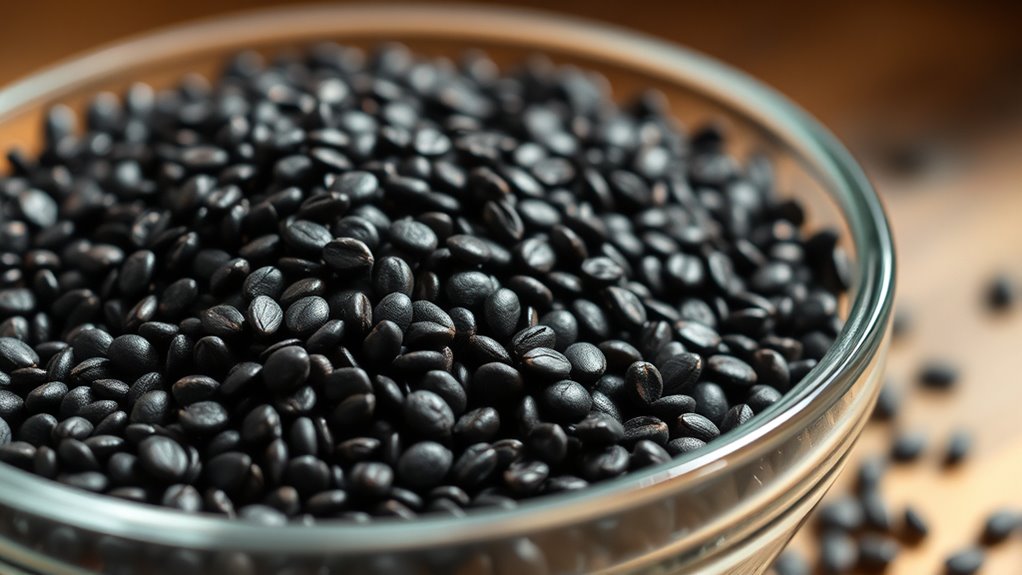
How Much Protein Is in Chia Seeds?
Many people struggle to find easy, plant-based ways to boost their protein intake without resorting to supplements or complicated recipes. If you’re looking for a simple, nutritious addition to your diet, chia seeds are a fantastic option. They pack a punch of protein and other health benefits in just a small serving.
You get about 4 grams of protein in a one-ounce (28 grams) serving of chia seeds. If you use 2 tablespoons, you’ll consume roughly the same amount, around 4 grams. Smaller servings, like 1 tablespoon, contain about 2 grams of protein.
Chia seeds are a complete plant-based protein, offering all essential amino acids. To investigate how to maximize your intake and other benefits, keep going—there’s more to uncover!
Key Takeaways
- One ounce (28 grams) of chia seeds has about 4 grams of protein.
- A typical 2-tablespoon serving also provides roughly 4 grams of protein.
- Three tablespoons (36 grams) give you around 6 grams of protein.
- A quarter cup (48 grams) contains approximately 8 grams of protein.
Chia seeds are a complete protein source, meaning they have all the essential amino acids.
How Much Protein Do Chia Seeds Contain?
Chia seeds are a great plant-based source of protein, making them popular among vegetarians and vegans. They offer a convenient way to boost your intake of essential nutrients and support overall health benefits.
Chia seeds are an excellent plant-based protein source, perfect for vegetarians and vegans seeking nutrient-rich options.
Regarding protein sources, chia seeds pack about 4 grams of protein per ounce (28 grams). This makes them a valuable addition to your diet, especially when combined with other plant-based proteins.
Their protein content helps promote muscle repair, support immune function, and keep you feeling full longer. Unlike some plant proteins, chia seeds provide a complete amino acid profile, making them a versatile and nutritious choice.
Incorporating chia seeds into your meals is easy—sprinkle them on oatmeal, blend into smoothies, or add to baked goods. Overall, their high protein content improves your diet and helps you meet your daily nutritional needs.
What Is the Nutritional Profile of Chia Seeds?
Because of their dense nutritional content, chia seeds are considered a superfood and provide a wide range of essential nutrients. They are highly nutrient-dense, meaning you get a significant amount of vitamins, minerals, and healthy fats in a small serving.
Chia seeds are rich in fiber, which supports digestion and provides long-lasting energy. They also contain omega-3 fatty acids, which promote heart health and help reduce inflammation.
Furthermore, chia seeds are a good source of calcium, magnesium, and phosphorus, which are crucial for bone health. Their antioxidant properties help protect your cells from damage, contributing to overall wellness.
The combination of these nutrients offers many health benefits, including improved digestion, better cardiovascular health, and increased energy levels. Because of their impressive nutritional profile, adding chia seeds to your diet is a simple way to boost your nutrient intake and support overall health.
How Do Chia Seeds Compare to Other Plant-Based Proteins?
When you compare chia seeds to other plant-based proteins, you’ll see that they differ in both protein content and the types of amino acids they provide. This can really impact how nutritious they are for your body. Some plant proteins are easier to digest and absorb, which means your body can make better use of them. Knowing these differences can help you pick the best plant-based protein source to suit your dietary needs.
Protein Content Comparison
While chia seeds are often praised for their health benefits, their protein content is just one part of the picture. When comparing different protein sources, you’ll find chia seed varieties offer about 4 grams per 2-tablespoon serving.
To understand their place among plant-based options, consider legumes like lentils and chickpeas, which pack considerably more protein. Seeds such as hemp and sunflower seeds provide higher protein densities as well.
Grains like quinoa and oats offer comparable or slightly lower protein levels. Chia seeds stand out for their omega-3s and fiber, but if you’re aiming for maximum protein, other plant-based sources might serve you better.
Still, chia seeds are a versatile, nutrient-dense addition to your diet.
Amino Acid Profiles
Chia seeds are often praised for their balanced amino acid profile, making them a valuable plant-based protein source. They contain all essential amino acids, supporting efficient protein synthesis in your body.
Compared to other plant proteins like quinoa or hemp, chia provides a more complete amino acid profile, especially rich in omega-3s and fiber. Here’s a quick comparison:
| Protein Source | Key Amino Acids (per serving) |
|---|---|
| Chia Seeds | Leucine, Lysine, Methionine |
| Quinoa | Lysine, Phenylalanine |
| Hemp | Leucine, Arginine |
This diversity helps enhance protein synthesis, ensuring your body effectively builds and repairs tissues. Chia’s amino acid profile makes it stand out among plant-based proteins.
Digestibility and Absorption
Ever wonder how well your body can actually use the protein from chia seeds compared to other plant sources? The answer comes down to protein bioavailability and how your digestion handles it.
Chia seeds offer decent digestibility, but how well you absorb their protein can depend on factors like fiber content and how you prepare them. Soaking or grinding chia seeds makes a difference by breaking down their cell walls and improving digestibility.
Compared to legumes or grains, chia’s protein absorption might be slightly lower. Still, it provides valuable digestive benefits thanks to its fiber and healthy fats.
Protein Content in Different Chia Seed Servings
The amount of protein you get from chia seeds really depends on how much you’re eating. So, if you have a small spoonful or a larger serving, the protein content will change accordingly.
Plus, different brands and types of chia seeds might have slight variations in their nutrition, which can also impact your intake.
Getting a good handle on these differences can help you plan your servings better and make sure you’re hitting your dietary goals without any surprises.
Protein per Serving Size
A typical serving size of chia seeds provides about 2 to 4 grams of protein, but this can vary depending on how much you eat. To see how protein density changes with different portions, check out these common servings:
- 1 tablespoon (12 grams): Contains roughly 2 grams of protein, great for small add-ins.
- 3 tablespoons (36 grams): Offers about 6 grams of protein, perfect for smoothies or oatmeal.
- 1/4 cup (48 grams): Provides around 8 grams of protein, ideal for larger servings or recipes.
Your choice of serving size directly affects how much protein you get per serving. Adjusting your portions helps you meet your dietary needs while maximizing protein intake.
Variations by Brand Type
Different brands of chia seeds can vary slightly in their protein content, even within the same serving size. These brand comparisons show subtle nutritional differences that can affect your intake.
Some brands may have slightly higher protein levels because of differences in seed sourcing or processing methods. Organic or specialty brands often focus on purity, which might lead to a small increase in protein per serving.
On the other hand, more commercial or bulk brands could have minor variations due to batch differences. When choosing a brand, think about these nutritional differences, especially if you’re aiming for a specific protein goal.
While these differences are usually small, they can add up over time. Knowing about these variations helps you make smarter choices to get the most out of your chia seeds.
Nutritional Differences Explained
Understanding how protein content varies in chia seeds depends on the serving size you choose. Generally, larger servings provide more protein, but the nutritional benefits can differ greatly.
For example, a tablespoon (about 12 grams) offers roughly 2 grams of protein, making it a convenient protein source. A quarter-cup (about 43 grams) contains approximately 6 grams of protein, boosting your daily intake.
An ounce (28 grams) provides around 4.7 grams of protein, contributing to your overall nutritional profile. These differences highlight how serving size impacts the nutritional benefits of chia seeds.
They are versatile protein sources, especially for plant-based diets, and can easily be added to snacks, smoothies, or meals. Knowing these variations helps you maximize chia seeds’ nutritional value.
How to Incorporate Chia Seeds for Maximum Protein?
To maximize the protein benefits of chia seeds, it’s important to incorporate them into your diet in ways that keep their nutrients intact. Start by adding chia seeds to smoothies; blending them with fruits and liquids helps unlock their full protein potential while making the texture creamier.
Chia seed smoothies are quick, versatile, and easy to customize with your favorite ingredients. Another great option is making chia seed puddings, which absorb liquid and swell, trapping nutrients inside. Use milk or plant-based options and let it sit for at least 30 minutes or overnight.
This method not only boosts your protein intake but also creates a filling, nutrient-dense snack or breakfast. To get the most out of chia seeds, avoid excessive heating or cooking, as high temperatures can break down some nutrients.
Incorporating chia seeds into your daily routine with these simple methods helps maximize their protein content while adding fiber and omega-3s.
What Factors Affect the Protein in Chia Seeds?
Several factors can influence the protein content in chia seeds, with cultivation conditions playing a big role. Variations in soil quality and seed variety directly affect nutrient density, including protein levels. Healthy, nutrient-rich soils tend to promote higher protein content, while different seed varieties naturally have varying protein amounts.
Growing conditions, like climate effects and temperature, also impact nutrient development. For example, ideal moisture and sunlight help improve seed quality. Harvesting methods matter too; gentle techniques prevent seed damage and help preserve protein integrity.
Storage practices are essential because poor storage can degrade nutrients and reduce protein over time. Additionally, processing techniques like cleaning and milling can change protein levels, either increasing or decreasing them. By understanding these factors, you can better choose and handle chia seeds to maximize their protein benefits.
Are Chia Seeds Suitable for Vegans and Vegetarians?
Are chia seeds suitable for vegans and vegetarians? Absolutely. Chia seeds are a great vegetarian source of nutrients like omega-3 fatty acids, fiber, and protein.
Chia seeds are an excellent vegetarian source of omega-3s, fiber, and protein.
For vegans, they offer important plant-based options to meet nutritional needs without using animal products. They’re versatile and easy to add to your diet—try mixing them into smoothies, oatmeal, or baked goods.
Their rich nutrient profile supports overall health, making chia seeds a valuable addition for those avoiding animal foods. As a vegetarian source of essential nutrients, they help fill dietary gaps, especially when combined with other plant-based foods.
Whether you’re vegan or vegetarian, you can confidently include chia seeds in your diet. They contribute to your nutritional goals while fitting your lifestyle choices.
Can Chia Seeds Help You Meet Your Daily Protein Goals?
Since chia seeds are packed with nutrients, many people wonder if they can help you reach your daily protein goals. While they aren’t the highest protein source out there, they still make a meaningful contribution to your intake.
Here’s how:
- Plant-based protein source: Chia seeds offer about 4 grams of protein per ounce, making them a great addition to vegetarian and vegan diets.
- Easy to incorporate: Just toss them into smoothies, oatmeal, or yogurt for a quick protein boost.
- Complementary to other sources: Combining chia seeds with nuts, legumes, or grains helps you hit your daily protein targets more effectively.
While they shouldn’t be your only source, chia seeds are a versatile way to supplement your protein intake, especially when paired with other protein-rich foods. They make it easy to stay on track with your daily goals in a convenient and nutrient-dense way.
Tips for Choosing High-Quality Chia Seeds for Protein
When you’re shopping for chia seeds, it’s a good idea to look for products with organic labels. That way, you can be pretty sure you’re getting seeds that are pure and free from pesticides. It’s a small step that makes a big difference in quality.
Also, don’t forget to check the freshness date on the package. You want your chia seeds to be as fresh as possible so they retain their nutritional benefits and taste great. Just a quick glance can help you pick the best batch.
Following these simple tips will help you find high-quality chia seeds that are packed with protein and other essential nutrients, so you get the most out of your healthy choices.
Look for Organic Labels
Looking for high-quality chia seeds? Prioritize products with an organic label. Organic certification verifies the seeds are grown without synthetic pesticides or fertilizers, which helps keep their natural nutrients intact. This not only boosts health benefits but also reduces your exposure to chemicals.
To find the best options, consider these tips:
- Check for trusted organic certification logos on packaging.
- Buy from reputable brands known for transparency and quality standards.
- Read labels carefully to avoid seeds with added fillers or artificial ingredients.
Choosing organic chia seeds ensures you’re getting pure, nutrient-dense seeds that support your health. Organic labels are your best guide to confirming the seeds are high quality and free from contaminants, maximizing their natural health benefits.
Check for Freshness Date
Always check the freshness date on the packaging before buying chia seeds, as it’s a key indicator of their quality and nutrient retention. Freshness indicators, like a recent harvest date, help ensure you’re getting the most protein and nutrients.
Look for seals or packaging that mention minimal processing and proper storage tips, like airtight containers. Proper storage keeps chia seeds fresh longer and prevents rancidity, which can reduce their nutritional value.
Avoid seeds with a dull or off smell, as that signals spoilage. Choose clear packaging so you can easily inspect for clumping or discoloration.
FAQs About Chia Seeds and Protein Intake
Have you ever wondered how much protein chia seeds actually contain? Many people ask about chia benefits and whether they’re a good protein source. Let’s clear up some protein myths and facts.
- Chia seeds are a complete protein. They contain all essential amino acids, making them a solid plant-based option.
- You don’t need large amounts. Just 1 ounce (about 2 tablespoons) provides roughly 4 grams of protein, supporting your daily intake.
- Protein isn’t the only benefit. Chia seeds are high in fiber, omega-3s, and antioxidants, making them a nutritious addition to your diet.
While some believe seeds alone provide enough protein, remember they’re a supplement, not a sole source. Knowing the real chia benefits helps you incorporate them smartly and bust common protein myths.
Frequently Asked Questions
Are There Any Allergens in Chia Seeds Related to Protein?
Chia seed allergies related to protein are rare, but some people might experience reactions due to proteins in the seeds. If you have food allergies, you should be cautious and monitor your response.
Chia seeds contain proteins that your body absorbs during digestion, but individual sensitivities vary. It’s always a good idea to start with small amounts to check for any adverse reactions and ensure proper protein absorption without issues.
How Does Cooking Affect Chia Seed Protein Content?
Cooking chia seeds slightly reduces their protein content, but it doesn’t eliminate it. Different cooking methods like soaking or baking can also affect how well your body absorbs the protein.
When you cook chia seeds, heat can break down some protein structures, which might make absorption easier or a little less efficient. If you’re after maximum protein benefits, eating them raw or soaking might be your best options.
Can Chia Seeds Replace Animal Protein Sources Entirely?
Chia seeds can’t fully replace animal protein sources because they lack some essential amino acids, making them incomplete as a sole protein source. While they provide plant-based protein and are rich in omega-3s, you need other foods like legumes or grains to get complete amino acids.
Incorporating a variety of plant proteins guarantees you meet your nutritional needs without relying entirely on chia seeds. It’s all about balancing different sources to ensure you get everything your body needs.
What Are the Benefits of Chia Seed Protein Beyond Nutrition?
You’ll find that chia seed protein offers benefits beyond basic nutrition. It’s easily absorbed, helping your body soak up protein more efficiently, which can support muscle recovery after workouts.
Plus, the soluble fiber in chia seeds helps keep blood sugar levels stable and promotes good gut health. With over 20% protein content by weight, chia seeds are a sustainable, plant-based protein source that boosts your overall well-being and fitness goals.
Are There Any Recommended Daily Intake Limits for Chia Seed Protein?
You should aim for about 1 to 2 daily servings of chia seeds, which provide roughly 4-5 grams of protein per serving. While chia seeds are nutritious, eating too much may interfere with protein absorption or cause digestive discomfort.
Stick to the recommended daily servings to enjoy the benefits without overdoing it. Moderation helps your body absorb the protein and nutrients from chia seeds more effectively.
Following these guidelines supports your overall health and ensures you get the most from this healthy addition to your diet.
Conclusion
Incorporate chia seeds into your diet for protein, energy, and health. Enjoy them in smoothies, sprinkle them on salads, or add them to yogurt—it’s simple, versatile, and nutritious.
Chia seeds are known for their impressive nutritional profile. They pack about 4.7 grams of protein per ounce, making them a great plant-based protein source. Plus, they’re rich in fiber and omega-3 fatty acids.
With consistent use, you can meet your daily goals, support your fitness, and nourish your body. Chia seeds are more than a superfood; they’re a super addition, especially when it comes to boosting your protein intake.