Can You Eat Avocado Seeds?
Are you curious about making the most of your avocados but unsure what to do with the seed? You’re not alone—many people struggle with how to handle that tough, often discarded part.
Yes, you can eat avocado seeds, but they require proper preparation due to their hard texture and potential health risks. Usually, people wash, dry, peel, and grind the seed into powder to make it easier to consume.
The seeds are rich in antioxidants and fiber, offering some health benefits. However, caution is advised, especially if you have health conditions.
To learn more about safe ways to enjoy avocado seeds and their benefits, keep exploring further.
Key Takeaways
- Yes, avocado seeds are edible but need proper prep like drying, peeling, and grinding into powder.
- They contain antioxidants and fiber, which might be good for your health, but scientists are still studying this.
- Raw seeds are tough and bitter, so grinding them makes them easier to add to foods and improves the texture.
- Eating a lot of them could be risky because of potentially harmful compounds, so moderation is key.
- It’s best to talk to a healthcare professional before trying avocado seeds, especially if you have health issues or allergies.
What Are Avocado Seeds and Are They Edible?
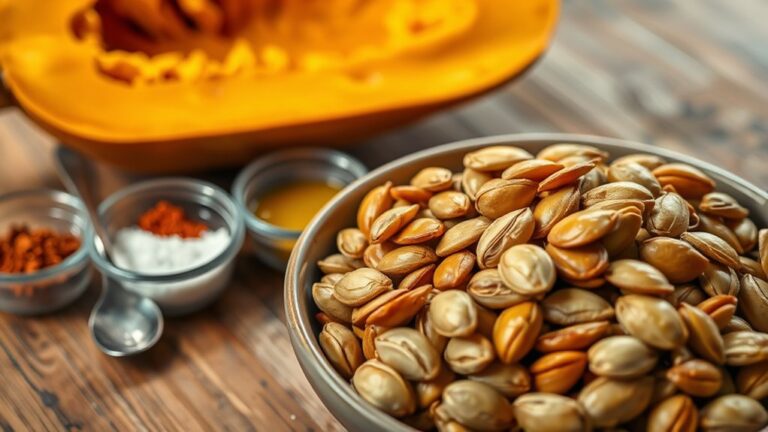
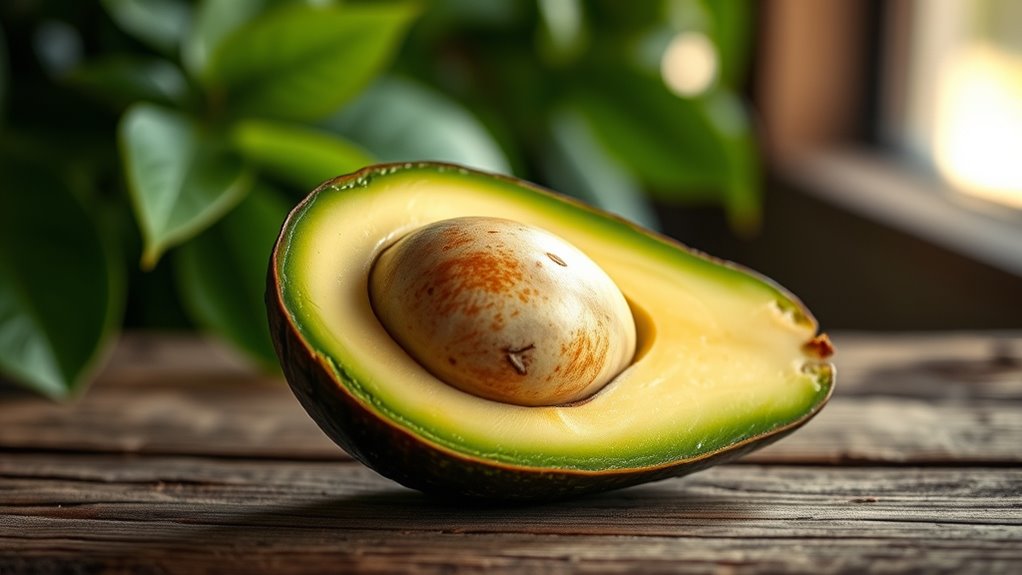
Avocado seeds are the large, round pits found at the center of the fruit, often discarded after enjoying the creamy flesh. The seed structure is tough and woody, surrounded by a thin, brown skin. While many see it as waste, some believe it holds potential benefits.
You might wonder if it’s edible. The answer is yes, but with caution. Its culinary uses are limited because of its hard texture, which makes it difficult to prepare traditionally.
Some people grind the seed into powder to add to smoothies or teas, claiming it offers health benefits. However, it’s important to note that the seed’s bitter taste and difficult texture mean it’s not typically eaten whole.
If you decide to explore using avocado seeds, make sure you process them properly, such as drying and grinding, to make them easier to incorporate into recipes. Despite its potential uses, always research thoroughly before consuming.
What Are the Nutritional Benefits of Avocado Seeds?
Many believe that avocado seeds pack a nutritional punch, making them worth exploring beyond their tough exterior. These seeds contain powerful antioxidant properties that can help fight free radicals in your body, possibly reducing inflammation and supporting overall health.
They also have a notable fiber content, which can aid digestion and promote a feeling of fullness, helping with weight management. The antioxidants in avocado seeds may contribute to healthier skin and improved immune function.
Furthermore, the fiber helps regulate blood sugar levels and supports gut health. While the seeds are often overlooked, they offer a range of nutrients that could benefit your well-being if prepared properly.
Keep in mind, though, that most of these benefits are still being studied, and consuming avocado seeds should be done cautiously. Incorporating small amounts into your diet may be worthwhile, but always check with a healthcare professional before making any big changes.
Do Avocado Seeds Taste Good? Flavor and Texture Insights
Curious about how avocado seeds taste? The flavor is quite mild and earthy, often described as nutty with a slightly bitter edge. It’s not the kind of flavor that immediately appeals, especially if you’re expecting the creamy richness of avocado flesh.
Instead, the seed’s taste can be a bit bland or woody, which might need some processing to make it more palatable. In terms of texture, avocado seeds are quite firm and dense, making them tough to bite into raw.
Once ground or blended, they develop a gritty, powdery consistency that’s very different from the smooth flesh of the fruit. If you’re thinking about eating or using avocado seeds, be prepared for a subtle, somewhat bitter flavor and a coarse texture.
While some enjoy the earthy taste, others find it less appealing without proper preparation.
Risks and Safety Considerations of Eating Avocado Seeds
While the earthy flavor and gritty texture of avocado seeds might tempt some to try them, it’s important to be aware of potential health risks. Consuming avocado seeds can pose health risks because certain compounds may be harmful in large amounts.
If you have dietary restrictions, especially related to liver or kidney conditions, eating the seed could make health issues worse. Some people might also experience allergic reactions like skin irritation, swelling, or breathing difficulties when handling or eating the seed.
There’s limited scientific evidence on the safety of eating avocado seeds, so it’s best to be cautious. If you’re thinking about adding them to your diet, talk to a healthcare professional first, especially if you have existing health concerns or allergies.
Avoid eating large amounts and always prioritize safety over curiosity to prevent unnecessary health issues.
How to Prepare and Eat Avocado Seeds Safely
Sure! So, when you’re getting ready to work with an avocado seed, the first thing you want to do is give it a good wash and dry. You know, just to get rid of any dirt or debris that might be on the surface. Once that’s done, gently remove the brown outer skin and make sure the seed is completely dry before you do anything else with it.
Now, when it comes to actually eating or using the seed, it’s best to stick to safe methods like grinding it into a powder or chopping it into small pieces to add to your smoothies. And remember, always start with a tiny amount at first — you don’t want to overdo it right away. That way, you can see how your body reacts and enjoy the benefits safely!
Proper Seed Preparation
Before eating an avocado seed, you need to prepare it properly to confirm safety and maximize its benefits. Start by cleaning the seed thoroughly to remove any pulp and bacteria.
To make handling easier, dry the seed completely and peel off the tough outer shell, revealing the inner seed. Once peeled, you can store the seed in an airtight container in the fridge if you plan to use it later; this is called seed storage.
For culinary uses, grate or chop the seed into small pieces to add to smoothies, baked goods, or teas. Proper seed preparation helps you avoid contaminants and makes the seed easier to digest and incorporate into your diet.
Always handle the seed with clean utensils to stay safe.
Safe Consumption Methods
Start by making sure your avocado seed is properly prepared to reduce health risks. First, clean off any pulp or bacteria by thoroughly washing the seed.
Next, dry and carefully peel away the outer shell. You can grate or slice the seed into small pieces to make it easier to add to your recipes.
For extra health benefits, consider roasting or drying the seed before grinding it into powder. This powder works well in smoothies, teas, or baked goods and adds a subtle nutty flavor.
Just remember, moderation is key—eating large amounts might cause digestive discomfort. By preparing the seed properly, you can enjoy its culinary uses safely and possibly reap some health perks.
Methods to Incorporate Avocado Seeds Into Your Diet
Incorporating avocado seeds into your diet might seem tricky at first, but there are easy ways to do it. You can try different recipes or explore various culinary uses. Start by drying the seed, then blend it into a fine powder with a blender or food processor.
Add this powder to smoothies, oatmeal, or yogurt for a healthy boost. You can also bake with it, like in muffins or energy bars. Experimenting with recipes is a fun way to enjoy the seed’s potential health benefits.
| Method | Preparation Tips | Culinary Uses |
|---|---|---|
| Grinding into powder | Dry and blend until fine | Mix into smoothies or baked goods |
| Making tea | Boil sliced seed in water | Drink as tea for flavor and nutrients |
| Incorporating into salads | Grate small pieces over salads | Adds crunch and extra nutrition |
| Creating seed paste | Blend with water or oil | Use as a spread or dip |
Scientific Evidence Supporting the Benefits of Avocado Seeds
Research increasingly shows that avocado seeds contain a variety of beneficial compounds backed by scientific studies. These seeds are rich in antioxidant properties, which help neutralize free radicals and reduce oxidative stress in your body.
Several studies suggest that the antioxidants in avocado seeds may support overall health and help prevent chronic diseases. The fiber content in avocado seeds is also notable; fiber is crucial for maintaining healthy digestion, controlling blood sugar levels, and promoting a feeling of fullness.
Laboratory research indicates that compounds found in avocado seeds may have anti-inflammatory and antimicrobial effects, which could contribute to improved immunity. While more research is needed to fully understand their health benefits, current scientific evidence highlights that avocado seeds contain valuable nutrients.
Incorporating small amounts of avocado seed into your diet might offer these potential benefits, but it’s vital to evaluate preparation methods and consult health professionals before regular consumption.
Making Avocado Seed Powder and Extracts at Home
Creating avocado seed powder and extracts at home is easy and lets you enjoy the seed’s potential benefits. First, make sure to clean the seed thoroughly to remove any remaining fruit.
Dry it completely by air-drying or using a low-temperature oven. Once dry, break the seed into smaller pieces or grind it into a fine powder with a blender or food processor.
Dry thoroughly, then grind into a fine powder using a blender or food processor.
Store the powder in an airtight container in a cool, dark place to keep it fresh and prevent spoilage. You can add the seed powder to smoothies, teas, or baked goods for a nutritional boost.
For extracts, steep the ground seed in alcohol or water, letting it sit for a few days to extract the beneficial compounds. Proper storage is key to maintaining the quality of your homemade powders and extracts.
This way, you ensure you get the most out of the seed’s health benefits and enjoy it in different recipes.
Are Avocado Seed Extracts Safe to Use?
Are avocado seed extracts safe to use? The answer depends on seed safety and extraction methods. While some people make homemade extracts, commercial products vary in quality and safety.
Proper extraction methods are key to avoiding harmful contaminants or toxins. If you’re considering using avocado seed extracts, check how they’re made—cold-pressing or solvent extraction can affect purity.
Commercial extracts usually undergo testing for contaminants, making them safer. But homemade extracts might contain seed compounds that haven’t been thoroughly tested or standardized.
Because of this variability, it’s a good idea to talk to a healthcare professional before using avocado seed extracts. This is especially important if you have health conditions or take medications.
Final Tips: Should You Eat Avocado Seeds?
Thinking about eating avocado seeds? Well, before you go for it, it’s a good idea to look into both the benefits and the potential risks. Avocado seeds do contain some nutrients, but they also might cause side effects if not prepared properly. So, it’s really important to handle and consume them correctly to stay safe.
At the end of the day, knowing all of this will help you decide whether adding avocado seeds to your diet is a good choice for you. Just take your time and do a little research before trying it out!
Nutritional Benefits and Risks
While avocado seeds are often overlooked, they do contain some interesting nutritional compounds like antioxidants and fiber. These antioxidants might help fight free radicals and support your overall health.
However, the research on these benefits is still limited, so it’s not a guarantee. Eating small amounts of the seed could add fiber to your diet and help with digestion.
But there are risks too, such as potential toxins or contaminants if the seeds aren’t processed properly. Plus, the seed’s tough texture and bitter taste make it tricky to use in cooking.
Some people try turning the seed into powders or teas, but it’s important to weigh the uncertain benefits against the possible risks. It’s best to stay informed and talk to health experts before adding avocado seeds to your diet.
Preparation and Consumption Tips
To prepare and consume avocado seeds safely, start by removing the seed from the fruit and cleaning it thoroughly to get rid of any pulp or contaminants. Once it’s clean, you can dry the seed and store it in an airtight container in a cool, dark place for later use.
When you’re ready to add it to your diet, try grating or blending small pieces into smoothies or juices. This makes it easier to digest and improves the flavor.
Keep in mind that avocado seeds have limited culinary uses and need proper preparation to taste good. Storing the seed properly helps keep it fresh and prevents mold.
Potential Side Effects
Although avocado seeds are often praised for their health benefits, consuming them can come with some risks. Toxicity concerns exist because the seed has compounds that might be harmful if eaten in large amounts. You could also have allergic reactions, especially if you’re sensitive to certain plant compounds. It’s important to be cautious before adding avocado seeds to your diet.
Potential side effects include digestive discomfort or nausea, allergic skin reactions or itching, toxicity from eating too much, and interactions with medications. If you notice symptoms like nausea, rash, or difficulty breathing, stop eating the seed right away and see a healthcare professional. Weigh the possible health benefits against these risks to decide if eating avocado seeds is right for you.
Frequently Asked Questions
Are There Any Traditional Cultures That Consume Avocado Seeds Regularly?
Yes, some traditional cultures do consume avocado seeds regularly, believing they offer health benefits. In certain Central American and African communities, people grind the seeds into powders or add them to drinks.
These practices are often part of cultural traditions passed down through generations. They value the seeds for their antioxidants and potential nutritional advantages.
But it’s important to be cautious. Scientific evidence about safety and nutrition is limited, and eating too much could have negative effects.
How Do Different Avocado Varieties Affect Seed Edibility and Safety?
A stitch in time saves nine, and knowing how avocado varieties influence seed safety is essential. Different avocado types have varying seed toxicity levels, so some seeds might be safe to consume while others aren’t.
While some seeds contain nutritional benefits like fiber and antioxidants, it’s important to understand the specific variety. Always research the seed’s origin and toxicity before trying to eat it, as safety should come first.
Can Eating Avocado Seeds Cause Allergic Reactions?
Eating avocado seeds can cause allergy symptoms in some people, especially if they have nut or seed allergies. It’s important to consider your allergies before trying any seed preparation methods.
If you notice symptoms like itching, swelling, or difficulty breathing, stop eating the seed right away. Start with a small amount to see how your body reacts, and talk to a healthcare provider if you’re unsure about possible allergies.
Are There Any Known Interactions Between Avocado Seeds and Medications?
There are no well-documented interactions between avocado seeds and medications, but seed toxicity remains a concern. Consuming the seeds might interfere with nutrient absorption or cause adverse effects, especially if you eat large amounts.
Since research is limited, it’s safest to talk to your healthcare provider before adding avocado seeds to your diet. This is especially important if you’re on medication, to avoid potential risks related to seed toxicity or disrupted nutrient absorption.
What Are the Environmental Impacts of Processing Avocado Seeds for Consumption?
Processing avocado seeds for consumption can impact the environment, but sustainable practices help reduce this. By incorporating waste reduction methods, you minimize the amount of seed waste sent to landfills.
Using eco-friendly extraction techniques and repurposing seeds into powders or supplements supports sustainability. If you’re conscious of environmental impacts, choosing brands that prioritize eco-friendly processing and waste reduction helps lessen the overall ecological footprint of avocado seed consumption.
Conclusion
While avocado seeds might seem like hidden treasure, they’re more like a wild card—full of potential but also risks. If you’re curious, do your research and proceed with caution, treating them like a delicate dance rather than a wild gamble.
Ultimately, your health is the treasure, so weigh the benefits against the dangers carefully. Remember, not every shiny thing is gold, and sometimes, sticking to the fruit’s flesh might be the safest bet.
When it comes to eating avocado seeds, it’s best to be cautious. They contain compounds that could be harmful or hard to digest. So, before you decide to consume them, make sure you know what you’re getting into.