What Nutrients Do Pomegranate Seeds Offer When Eaten?
Many people struggle with finding tasty ways to boost their health naturally. If you’re looking for a delicious and nutritious snack, pomegranate seeds might be just what you need.
When you eat pomegranate seeds, you get a nutrient-rich boost that supports your health. They’re packed with vitamins like C, K, and folate, which strengthen your immune system, bones, and DNA.
You also get minerals such as calcium, iron, magnesium, and potassium that promote strong bones, muscle function, and blood pressure.
Plus, their antioxidants help fight oxidative stress and inflammation.
To uncover even more about their powerful benefits, keep exploring what makes these tiny seeds a true superfood.
Key Takeaways
- Rich in vitamins C, K, and folate, pomegranate seeds support your immune system, help keep your blood healthy, and aid in cell division.
- They’re packed with antioxidants like polyphenols, ellagic acid, and anthocyanins, which fight off oxidative stress and protect your cells.
- Pomegranate seeds also contain essential minerals such as calcium, iron, magnesium, potassium, and zinc, all important for overall health.
- Plus, they provide dietary fiber, which helps with digestion and keeps you feeling full longer.
- All these nutrients together make pomegranate seeds great for heart health, boosting your immune system, and maintaining healthy skin.
What Are Pomegranate Seeds and Why Are They a Superfood?
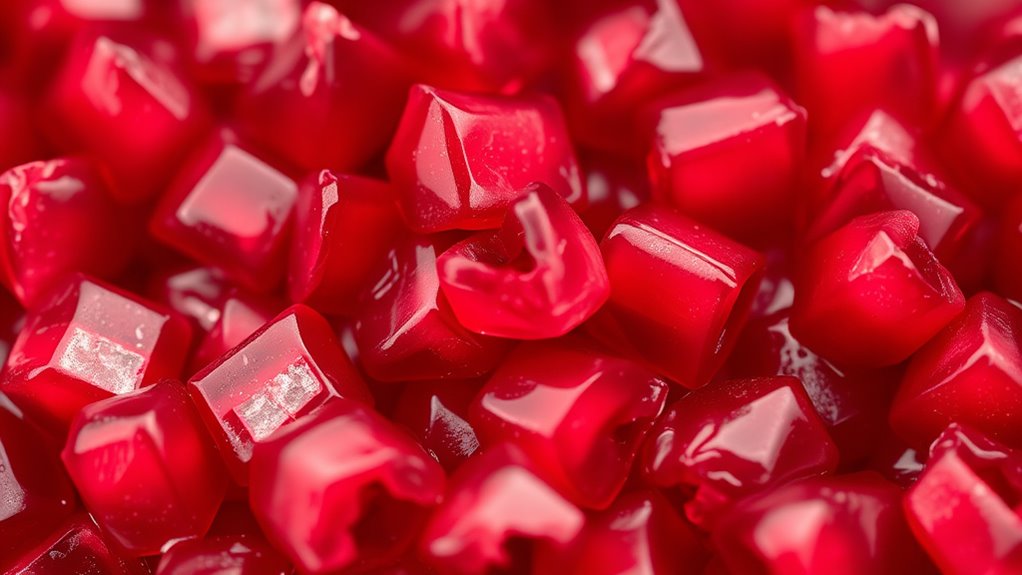
Pomegranate seeds are the small, jewel-like arils found inside the juicy fruit, packed with a vibrant flavor and numerous health benefits. They come from various pomegranate varieties, each offering slightly different tastes and qualities, but all share the same nutrient-rich potential.
These seeds are considered a superfood because of their high antioxidant content, which helps combat oxidative stress in your body. The superfood origins of pomegranates trace back thousands of years, where they held cultural and medicinal significance.
Today, they’re celebrated worldwide for their health-boosting properties. When you eat pomegranate seeds, you’re not just enjoying their sweet-tart flavor; you’re also fueling your body with vitamins, minerals, and phytochemicals that support overall wellness.
Their versatility in dishes and smoothies makes them easy to incorporate into your diet, helping you access the full potential of this ancient superfood.
The Vitamins in Pomegranate Seeds and Their Benefits
Rich in essential vitamins, pomegranate seeds give your health a strong boost. They’re a good source of vitamin C, which helps support your immune system and fights off free radicals. This antioxidant power helps protect your cells from damage.
The seeds also contain folate, which benefits your cell division and helps keep your DNA healthy. Vitamin K is another key nutrient, playing a vital role in blood clotting and supporting strong bones.
Adding these seeds to your diet can boost your immune support and promote heart health by reducing inflammation and improving circulation. Plus, they’re packed with dietary fiber, which aids digestion and keeps you feeling full longer.
Their nutrients also support skin health by boosting collagen production and reducing signs of aging. Overall, the vitamins in pomegranate seeds help you stay healthier and more energized every day.
Minerals in Pomegranate Seeds That Support Your Health
Because they are packed with essential minerals, pomegranate seeds can greatly support your overall health. These tiny seeds provide a variety of minerals that are important for your body’s functions:
- Calcium content helps strengthen your bones and teeth, which can prevent osteoporosis.
- Iron importance is essential for transporting oxygen in your blood and producing energy.
- Magnesium benefits include supporting muscle and nerve function, as well as aiding in energy metabolism.
- Potassium role helps regulate blood pressure and keeps your fluid balance in check.
- Zinc functions boost your immune system and help with wound healing.
- Manganese sources contribute to healthy bones and help process amino acids, carbs, and cholesterol.
- Copper necessity supports your nervous system and promotes healthy skin.
- Phosphorus contribution works with calcium to maintain strong bones and teeth.
All these minerals work together to support your overall wellness and good health.
Antioxidants in Pomegranate Seeds and How They Help
A small handful of pomegranate seeds packs a powerful punch of antioxidants that help protect your cells from damage. These properties are key to reducing oxidative stress, which is linked to aging and chronic diseases.
Pomegranate seeds contain polyphenols like ellagic acid and anthocyanins, which are known for their health benefits. These compounds neutralize free radicals, preventing cell damage and boosting your immune system.
| Antioxidants in Pomegranate Seeds | Their Benefits |
|---|---|
| Ellagic Acid | Anti-inflammatory and cancer-fighting |
| Anthocyanins | Improve circulation and reduce inflammation |
| Vitamin C | Supports immune function and skin health |
| Flavonoids | Protect against heart problems |
| Tannins | Have antimicrobial and antioxidant effects |
Incorporating pomegranate seeds into your diet lets you tap into these powerful antioxidants for better overall health.
How Pomegranate Seeds Support Heart Health
The antioxidants in pomegranate seeds don’t just protect your cells; they also promote heart health by improving blood flow and reducing inflammation. These benefits support your cardiovascular system by lowering blood pressure, preventing plaque buildup, and boosting endothelial function.
Pomegranate seeds boost heart health by enhancing blood flow, reducing inflammation, and supporting vascular function.
When you include pomegranate seeds in your diet, you’re giving your heart an extra layer of defense.
Here are three key ways they support your heart health:
- They reduce oxidative stress, which helps prevent arterial damage.
- They improve blood vessel elasticity, promoting smoother blood flow.
- They contain polyphenols that inhibit LDL cholesterol oxidation, reducing plaque formation.
Boost Your Immunity With Pomegranate Seeds
Pomegranate seeds are a powerful natural booster for your immune system thanks to their rich mix of vitamins, antioxidants, and phytochemicals. These nutrients support optimal nutrient absorption and boost overall health.
Their high antioxidant activity helps neutralize free radicals, reducing oxidative stress and inflammation, which can weaken immunity. Adding them to your diet can help lower inflammation, allowing your immune system to work more effectively.
The seeds also promote digestive health by supporting gut function, which is essential for a strong immune response. Plus, their anti-inflammatory properties may benefit your skin, helping it look healthy and resilient.
Regularly eating pomegranate seeds can help keep your immune system strong and improve your body’s ability to fight off illnesses naturally. Their nutrient profile makes them a valuable part of your immune-boosting routine.
Nutritional Breakdown and How to Serve Pomegranate Seeds
Because they are packed with essential nutrients, pomegranate seeds deliver a powerful nutritional punch. They’re rich in vitamin C, fiber, antioxidants, and small amounts of minerals like potassium. These nutrients support your immune system, digestion, and overall health.
To enjoy their benefits, consider these serving suggestions and culinary uses: add seeds to salads for a burst of flavor and texture. Mix them into yogurt or oatmeal for a nutritious breakfast. Use them as a topping for desserts or smoothies for visual appeal and taste.
You can serve pomegranate seeds fresh or incorporate them into dishes like salsas, chutneys, or even baked goods. Their vibrant color and tart-sweet flavor make them versatile in both sweet and savory recipes.
Pomegranate Seeds vs. Other Superfoods: Which Is Better?
When you’re comparing pomegranate seeds to other superfoods, you’ll see that they each have their own special nutrients—things like antioxidants, vitamins, and minerals. It’s pretty cool because every superfood brings something unique to the table, so understanding these differences can really help you pick what’s best for your health goals. In the end, knowing how pomegranate seeds measure up against others makes it easier to make smarter, more informed choices about what you eat.
Nutrient Content Comparison
While many superfoods boast impressive nutrient profiles, pomegranate seeds offer a unique mix of antioxidants, vitamins, and minerals that make them stand out. When comparing nutrient density, they shine for their high levels of vitamin C, fiber, and polyphenols.
For example, they provide significant antioxidant power, helping to fight oxidative stress. They also have rich vitamin C content, which supports immune health, and dietary fiber that aids digestion and promotes fullness.
Compared to other superfoods like chia seeds or acai berries, pomegranate seeds may have fewer calories but still deliver powerful nutrients. That said, it’s important to watch out for potential health risks, such as allergies or interactions with medications.
Health Benefits Differential
Pomegranate seeds stand out for their potent combination of antioxidants, vitamins, and fiber, offering unique health benefits that differ from other superfoods. The nutrient synergy within these seeds boosts their ability to combat oxidative stress and support heart health.
Unlike some superfoods, pomegranate seeds provide special digestive benefits thanks to their high fiber content that promotes healthy digestion and gut health. While berries or chia seeds excel in omega-3s or vitamin E, pomegranate seeds deliver a balanced mix of nutrients that work together to improve overall wellness.
Their combination of phytochemicals and fiber makes them especially effective in supporting immune function and reducing inflammation. Choosing pomegranate seeds can complement your diet with these focused health benefits, making them a valuable addition alongside other superfoods.
Health Benefits of Eating Pomegranate Seeds Regularly
Eating pomegranate seeds regularly offers many health benefits that can boost your overall well-being. These seeds are full of antioxidants, vitamins, and fiber, which support your immune system and digestion. Historically, pomegranate has a rich history dating back thousands of years and has been valued in many cultures for its medicinal properties. Its culinary uses are quite diverse, from salads to drinks, making it easy to include in your diet.
By eating these seeds consistently, you might experience:
- Reduced inflammation thanks to their anti-inflammatory compounds
- Better heart health through improved cholesterol levels
- Enhanced memory and cognitive function from polyphenols
Regular consumption can also help with weight management and skin health. Adding pomegranate seeds to your meals is a simple, tasty way to improve your health while enjoying their natural flavor.
Easy Ways to Include Pomegranate Seeds in Your Diet
You can easily sneak pomegranate seeds into your diet by tossing them into smoothies — they add such a nice burst of flavor! They also look pretty gorgeous as a topping for salads or sprinkled over yogurt for a little crunch. Honestly, these simple tricks make it super easy to enjoy all the health benefits without much hassle.
Smoothie Additions
Adding pomegranate seeds to your smoothies is an easy and delicious way to boost their nutrient content. They bring a burst of flavor and vibrant color, making your smoothies more appealing.
To incorporate them seamlessly, try mixing seeds into fruit-based smoothies like berry or mango blends for a tangy twist. They work great with creamy ingredients such as yogurt or banana for a smooth texture and balanced flavor.
You can also experiment with flavor combos like spinach and citrus or pineapple and coconut, adding seeds for extra crunch and antioxidants. These simple additions not only enhance taste and texture but also maximize the health benefits of your smoothies.
Incorporate pomegranate seeds regularly to enjoy their nutrients effortlessly in your favorite drinks.
Salad Toppings
Pomegranate seeds make a vibrant and nutritious addition to salads, adding both flavor and texture. They elevate salad crunch and serve as a natural flavor amplifier, making each bite more exciting. Simply sprinkle seeds over greens, vegetables, or grains for an eye-catching, nutrient-packed uplift.
To inspire creativity, here’s a quick guide:
| Salad Element | How Pomegranate Seeds Help |
|---|---|
| Salad crunch | Adds a juicy, crispy texture |
| Flavor amplifier | Offers a sweet-tart taste that balances flavors |
| Visual appeal | Bright red seeds make salads more colorful |
| Nutritional uplift | Provides antioxidants, vitamins, and minerals |
Incorporate pomegranate seeds into your salads for a delightful mix of taste, crunch, and health benefits.
Yogurt Mix-Ins
Mixing pomegranate seeds into yogurt creates a delicious, nutrient-rich snack or breakfast option. You can add them to yogurt parfaits for a burst of flavor and antioxidants. For variety, try incorporating pomegranate seeds into yogurt dressings; this adds a tangy, sweet twist to salads.
Here are some ideas to get started:
- Layer pomegranate seeds in your yogurt parfaits for a crunchy, juicy texture.
- Mix seeds into plain or flavored yogurt for added antioxidants and a pop of color.
- Stir pomegranate seeds into homemade yogurt dressings to improve flavor and boost nutrients.
These simple mix-ins make your meals more appealing while providing health benefits. Pomegranate seeds complement yogurt’s creamy texture perfectly, keeping your diet both tasty and nutritious.
Frequently Asked Questions
Do Pomegranate Seeds Contain Any Beneficial Dietary Fiber?
Yes, pomegranate seeds contain beneficial dietary fiber, including both soluble and insoluble types. This fiber helps promote healthy digestion by adding bulk to your stool and supporting regularity.
When you eat pomegranate seeds, you get these digestive benefits, which can help prevent constipation and keep your gut healthy. Adding them to your diet is a tasty way to boost fiber intake and support overall digestive well-being.
Are There Any Potential Allergens in Pomegranate Seeds?
You might wonder if pomegranate seeds cause allergies, and it’s good to know that pomegranate allergies are rare, affecting less than 1% of people.
Some individuals can experience seed reactions, such as itching or swelling, especially if they have fruit allergies.
If you notice any unusual symptoms after eating pomegranate seeds, it’s best to talk to a healthcare professional.
Always stay cautious, particularly if you have known allergies.
How Many Pomegranate Seeds Should I Eat Daily for Health Benefits?
You should aim for about 1/2 cup of pomegranate seeds daily, which is roughly 100 grams, to enjoy their health benefits.
This amount gives you antioxidants, fiber, and vitamins without taking in too many calories. Incorporating it into your routine can boost your immune system and support heart health.
Can Pomegranate Seeds Aid in Weight Management?
Yes, pomegranate seeds can help with weight management. They are low in calories, so they make a healthy snack option.
Their high fiber content also helps with appetite control, keeping you full longer. Adding pomegranate seeds to your diet can support your weight goals while providing a naturally sweet, nutritious treat.
Just remember to enjoy them in moderation to get the most benefits.
Are Pomegranate Seeds Safe for Children and Pregnant Women?
Like a gentle rain nourishing a blooming garden, pomegranate seeds are safe for children and pregnant women when eaten in moderation. Their nutritional value offers health benefits, such as antioxidants and vitamins, which support overall wellness.
However, it’s wise to consult a healthcare provider before adding them to a diet, especially if allergies or health concerns exist. Enjoy these seeds as a delightful, healthful addition to your daily routine.
Conclusion
Eating pomegranate seeds packs a punch of nutrients that boost your health, much like a vibrant garden bursting with life. While they nourish your body with vitamins, minerals, and antioxidants, they also add a splash of color and flavor to your meals.
Just as a lively mosaic combines diverse pieces into a stunning picture, these seeds blend essential nutrients into your diet. They support your heart and overall wellbeing in a simple, tasty way.
Welcome them and let your health flourish like a flourishing orchard. Pomegranate seeds are a small snack with big nutritional benefits for your health.