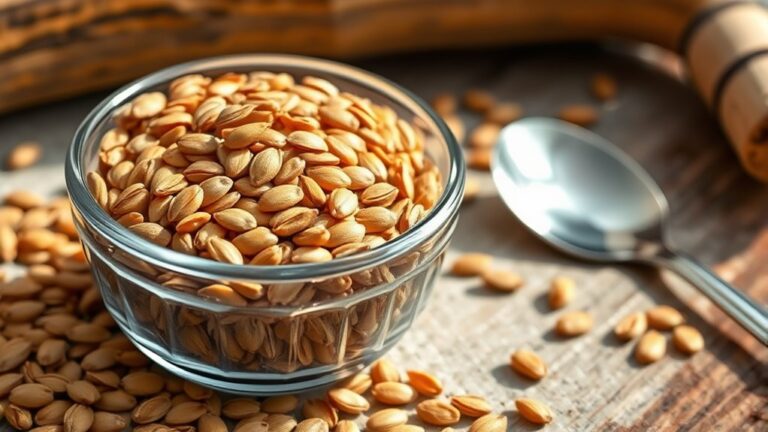
What Are Flax Seeds?
Feeling overwhelmed trying to find simple, nutritious ways to boost your health? You’re not alone—many people struggle to incorporate superfoods into their daily routine that genuinely make a difference.
Flax seeds are tiny, nutrient-rich superfoods packed with omega-3 fatty acids, fiber, lignans, and plant-based protein. They support heart health, boost digestion, and help manage weight, all while fighting inflammation.
Flax seeds have a mild, nutty flavor and can be added to smoothies, baked goods, or sprinkled on yogurt.
If you want to uncover how to incorporate them into your diet and maximize their benefits, keep exploring.
Key Takeaways
- Flax seeds are nutrient-rich superfoods that contain omega-3 fatty acids, fiber, lignans, and plant-based protein.
- They support heart health, aid digestion, reduce inflammation, and may help with weight management.
- Derived from the flax plant (*Linum usitatissimum*), they are mainly cultivated in cool, moist, temperate regions.
- You can enjoy them ground, whole, or as oil, and add them to smoothies, baked goods, and salads for extra nutrition.
- Flax seeds offer benefits like lowering cholesterol, balancing blood sugar, and providing powerful antioxidants.
What Are Flax Seeds and Why Are They a Superfood?
Flax seeds are tiny, nutrient-dense superfoods that pack a powerful punch of health benefits. Their nutritional profiles reveal high levels of omega-3 fatty acids, fiber, lignans, and plant-based protein, making them a valuable addition to your diet.
These seeds help support heart health, improve digestion, and provide antioxidants that fight inflammation. You’ll find flax seeds versatile in culinary uses—they can be sprinkled onto oatmeal, blended into smoothies, added to baked goods, or stirred into yogurt.
Flax seeds support heart health, aid digestion, and are versatile in smoothies, baked goods, and yogurt.
Their mild, nutty flavor elevates both sweet and savory dishes without overpowering other ingredients. Because they’re rich in dietary fiber, they promote feelings of fullness and help regulate blood sugar levels.
Whether you’re looking to boost your overall nutrition or incorporate more plant-based ingredients, flax seeds offer a simple, effective way to do so. Their impressive nutritional profiles make them a superfood worth adding to your daily routine.
Brown vs. Golden Flax Seeds: Which Should You Choose?
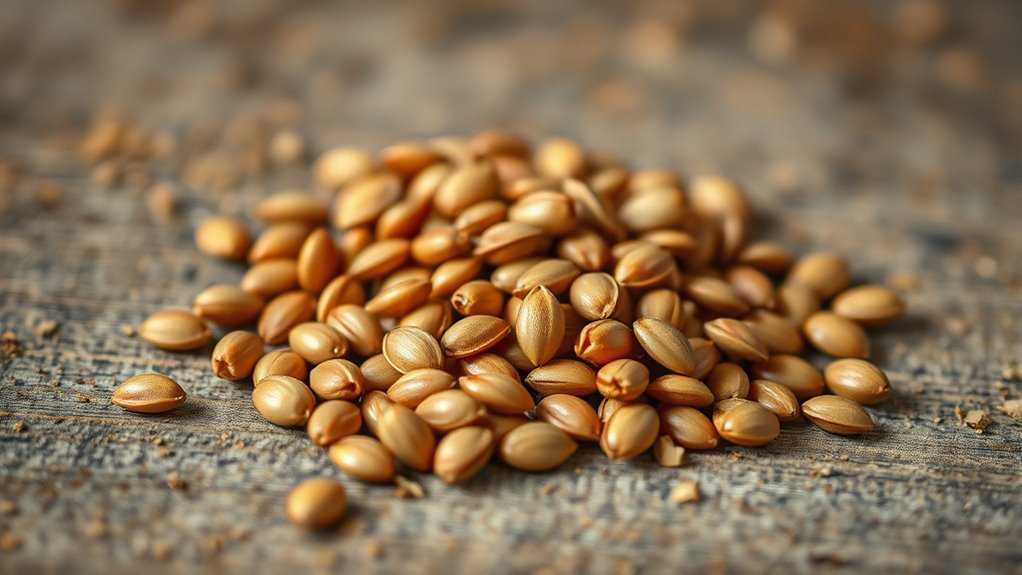
Thinking about whether to go with brown or golden flax seeds? Well, you’ll find that they have some subtle differences in flavor and texture, which can really change up your recipes. For example, some people find that golden flax seeds have a milder, nuttier taste, while brown ones might be a bit earthier.
Nutritionally, though, they’re pretty much on par—both pack the same health benefits. So, really, it comes down to what you prefer in terms of taste or how the seeds look in your dish. Just think about what matters most to you—whether it’s the flavor, appearance, or just trying something new—and you’ll be able to make the best choice!
Nutritional Differences Highlighted
Although brown and golden flax seeds are visually different, their nutritional profiles are quite similar, making it hard to choose based on health benefits alone. Both are packed with omega-3 fatty acids, fiber, and lignans, offering similar advantages.
There are slight differences, though. Golden flax seeds might have a bit more antioxidants, while brown flax seeds tend to contain more omega-3s. Both are great sources of dietary fiber, which helps with digestion, and their lignan content is pretty much the same, supporting hormonal balance.
Flavor and Texture Variations
While brown and golden flax seeds are similar nutritionally, they have subtle differences in flavor and texture that can influence your choice. Brown flax seeds tend to have a slightly stronger, nuttier aroma, which boosts their flavor in baked goods and smoothies.
Golden flax seeds, on the other hand, offer a milder, more delicate taste. Both seeds provide a crunchy texture when eaten whole or toasted, but some people find golden flax seeds to be a bit softer and less intense.
If you prefer a richer, more pronounced flavor, brown flax seeds are ideal. For a subtler taste that blends seamlessly into dishes, golden flax seeds are a better fit. Your choice depends on your flavor preference and desired crunch.
Where Do Flax Seeds Come From and How Are They Grown?
Ever wondered where flax seeds come from and how they grow? Well, they actually come from the flax plant, which is pretty versatile and is grown in many different climates around the world. It’s quite interesting to see how these tiny seeds make their way from the fields to your shelves!
Origin and Botanical Classification
Flax seeds come from the flax plant, scientifically known as *Linum usitatissimum*. It has been cultivated for thousands of years mainly for its fibers and seeds.
This plant belongs to the Linaceae family and originated in regions like the Mediterranean, Middle East, and parts of Asia. It’s a versatile crop valued for both its seeds and fibers.
The flax plant produces slender stems and beautiful blue or white flowers, which develop into seed capsules. Flax seeds are small, flat, and usually brown or golden in color.
Understanding its botanical classification helps us appreciate its long history and how widely it’s cultivated around the world.
Cultivation Methods and Climate
Flax is typically grown in temperate regions with cool, moist climates, which help produce high-quality seeds. To ensure healthy growth, follow proper crop rotation practices and avoid planting flax in the same soil repeatedly to prevent disease buildup.
Flax thrives in well-drained, fertile soils with a pH between 6.0 and 7.5. It prefers moderate temperatures, and choosing the right seed varieties for your region can boost yields.
Pest management involves monitoring for aphids and other pests. Using integrated methods helps minimize chemical use. Irrigation systems like drip or sprinkler setups support consistent moisture, especially during dry spells.
Proper cultivation techniques and suitable climate conditions are key to producing high-quality flax seeds.
Harvesting and Processing Techniques
Once the flax plants reach maturity, harvesting begins with careful timing to maximize seed quality and yield. You’ll want to pick the right moment when the seeds turn a golden color and are fully mature.
Common harvesting methods include combining, where machinery cuts and threshes the plants in one step, and manual picking for small-scale farms. After harvesting, processing techniques come into play: seeds are cleaned to remove debris and then dried to prevent mold.
Seeds can be stored or processed further into oil or meal. Proper handling guarantees seed freshness and helps preserve their nutrients.
To get the best results, select the ideal harvest time for top seed quality. Use combining or manual methods based on your farm’s scale.
Make sure to clean seeds thoroughly to remove impurities, and dry them to the right moisture level. Store the seeds in a cool, dry place to keep them fresh longer.
What Nutrients Are in Flax Seeds and Why They’re Healthy
You’ll find that flax seeds are packed with essential nutrients that contribute to their reputation as a superfood. Their high nutrient density includes omega fatty acids, which support brain function and reduce inflammation.
Flax seeds also contain lignans, powerful antioxidants with potential health benefits. These nutrients promote digestive health by adding fiber to your diet, helping with regularity and gut function.
Lignans in flax seeds are potent antioxidants that support digestive health and enhance overall well-being.
They’re especially good for heart health, as omega-3s and lignans help lower cholesterol levels and improve blood vessel function. Flax seeds’ anti-inflammatory properties can reduce systemic inflammation, while their antioxidants protect cells from damage.
For weight management, their fiber content helps you feel full longer, which can curb overeating. Plus, flax seeds can help regulate blood sugar levels, making them a smart choice for metabolic health.
Health Benefits of Flax Seeds You Should Know
Incorporating flax seeds into your diet offers a range of impressive health benefits that can support your overall well-being. These tiny seeds are packed with nutrients that promote heart health, aid digestion, and help with weight management.
As a rich source of omega-3s, flax seeds help reduce inflammation and support anti-inflammatory properties in your body. Their high fiber content improves digestive health and can lower cholesterol levels, contributing to better heart health.
Flax seeds may also help regulate blood sugar, making them especially beneficial for people with diabetes. The skin benefits include improved hydration and reduced inflammation, leading to a healthier complexion.
Additionally, flax seeds have potential cancer prevention properties, making them a smart addition to your diet. Regularly including them can help you enjoy these health benefits and maintain a balanced, healthy lifestyle.
- Supports heart health and lowers cholesterol
- Boosts digestion and aids in weight management
- Provides anti-inflammatory and skin benefits
- Helps regulate blood sugar
- May contribute to cancer prevention
Easy Ways to Incorporate Flax Seeds Into Your Diet
Adding flax seeds to your daily meals is simpler than you might think. One easy way is to blend them into flax seed smoothies. Just add a tablespoon of ground flax seeds to your favorite fruit or vegetable blend for a nutty flavor and extra fiber.
You can also sprinkle flax seed toppings over oatmeal, yogurt, or salads to boost nutrition without changing your meal’s taste. Ground flax seeds are best for mixing into drinks and toppings because they’re easier to digest and absorb.
If you prefer a crunch, sprinkle whole flax seeds, but keep in mind they may pass through your digestive system largely intact. Incorporating flax seeds is versatile and quick—just a few spoonfuls can make a noticeable difference in your diet.
Whether you’re adding them to smoothies or using flax seed toppings, you’re increasing your intake of omega-3s, fiber, and antioxidants effortlessly.
How to Prepare Flax Seeds for Maximum Nutrition
To maximize the nutritional benefits of flax seeds, proper preparation is key. Flax seed preparation helps release their full potential by making nutrients more accessible.
Start by grinding whole seeds to break down the tough outer shell. This improves digestibility and nutrient absorption. Avoid eating flax seeds whole, as they often pass through your digestive system unabsorbed.
Store ground flax seeds in an airtight container in the refrigerator to prevent oxidation and keep them fresh. You can also lightly toast flax seeds to boost flavor and increase bioavailability.
Remember to consume ground flax seeds within a few weeks for the best freshness. Soaking flax seeds for a few hours can also activate enzymes, enhancing nutrient availability.
Proper preparation guarantees you get the most health benefits from each serving. Incorporate these steps for optimal nutritional activation and improved health benefits.
Delicious Flax Seed Recipes and Usage Tips
Flax seeds are super versatile and easy to add into a bunch of tasty dishes. A simple way to enjoy their benefits is by blending ground flax seeds into your smoothies. Just toss them into your favorite fruit or veggie smoothie for a fiber and omega-3 boost without changing the flavor much.
You can also mix ground flax seed into dressings—combine it with olive oil, vinegar, and herbs for a nutritious, nutty-tasting dressing that makes salads and roasted veggies even better. For baking, sprinkle whole or ground flax into muffins, pancakes, or bread to add fiber and healthy fats.
Sprinkle flax seeds over oatmeal, yogurt, or cereal for some extra crunch and nutrition. Just remember, to get the most out of flax seeds, always grind them before adding to recipes. These simple tips make it easy to include flax seeds in your daily meals, making them both tasty and nourishing.
Health Risks and Precautions When Eating Flax Seeds
Flax seeds are generally pretty healthy, but it’s good to keep an eye out for allergic reactions. Sometimes, people can experience discomfort or swelling if they’re allergic, so it’s important to be cautious when trying them for the first time.
Also, since flax seeds are high in fiber, eating too much can lead to digestive issues like bloating or gas. So, it’s best to enjoy them in moderation. And, just a heads-up—because flax seeds can affect hormone levels, especially if you’re eating a lot regularly, it’s a good idea to be mindful of your intake.
Allergic Reactions Potential
Although flax seeds are generally safe for most people, some individuals might experience allergic reactions that can range from mild discomfort to serious health risks. If you’re sensitive, you could notice symptoms like itching, swelling, or trouble breathing. These happen when your immune system overreacts to proteins in the seeds.
It’s important to watch for allergy signs, especially if you’re trying flax seeds for the first time. Be cautious if you experience itching, hives, swelling of your lips or throat, or shortness of breath. Nausea, stomach pain, dizziness, or fainting are also warning signs.
Seek medical help immediately if your symptoms worsen, as allergic reactions can escalate quickly.
Excessive Fiber Intake Risks
Eating too many flax seeds can lead to excessive fiber intake, which might cause digestive discomfort or other health issues. If you’re sensitive to fiber, eating large amounts quickly could trigger symptoms like bloating, gas, or stomach cramps.
Overdoing it can also make your digestive system more reactive, leading to fiber sensitivity. Too much fiber can interfere with nutrient absorption and cause constipation or diarrhea.
To avoid these problems, start with small servings and gradually increase your intake. Pay attention to how your body reacts as you go.
Drinking plenty of water helps fiber do its job smoothly. Remember, moderation is key—overloading on flax seeds can do more harm than good, especially if you’re prone to digestive issues.
Hormonal Impact Considerations
Because flax seeds contain plant compounds called phytoestrogens, eating large amounts might influence hormone levels, especially in sensitive people. These compounds can impact hormonal balance and estrogen, which may affect menstrual health, fertility, and menopause symptoms. If you’re hormone-sensitive, it’s a good idea to keep track of how much you consume.
Excessive intake could cause hormonal fluctuations that impact thyroid function and reproductive health. Be cautious if you’re pregnant or breastfeeding, as hormonal changes might have unexpected effects. It’s always best to check with a healthcare professional before making big dietary changes.
- Keep an eye on intake if you have hormone-sensitive conditions
- Limit consumption during pregnancy and breastfeeding
- Eat flax seeds as part of a varied diet
- Watch for symptoms like irregular periods or mood swings
- Seek professional advice if you have hormonal concerns
Flax Seeds vs. Other Superfoods: How Do They Compare?
How do flax seeds compare to other popular superfoods? They really stand out for their flax seeds benefits, especially their high omega-3 fatty acid content, fiber, and lignans.
In a superfoods comparison, they often outperform options like chia seeds or quinoa in certain nutrients. For example, flax seeds are one of the best plant-based sources of alpha-linolenic acid (ALA), which supports heart health.
While berries or kale are great for antioxidants or vitamins, flax seeds shine in healthy fats and fiber. These help with digestion and can reduce inflammation.
Flax seeds excel in healthy fats and fiber, supporting digestion and reducing inflammation.
Their versatility is a big plus. You can sprinkle them on yogurt, add them to smoothies, or bake with them.
Ultimately, flax seeds offer unique health benefits that complement other superfoods. They’re a valuable addition to any diet.
Comparing them helps you understand their strengths and see how they fit into a balanced, nutrient-rich plan.
Frequently Asked Questions
Can Flax Seeds Help With Weight Loss?
Yes, flax seeds can help with weight loss. Their rich nutrition, including fiber and healthy fats, helps keep you full longer and reduces overeating.
Try adding flax seeds to your diet with easy recipes like smoothies, oatmeal, or yogurt. This not only boosts your nutrient intake but also supports your weight loss goals.
Just remember to enjoy them in moderation for the best results.
Are There Any Side Effects From Eating Flax Seeds Regularly?
Eating flax seeds regularly can cause side effects if you’re allergic to them or have digestive issues like bloating or constipation. It’s good to be cautious if you notice any discomfort.
They might also interfere with nutrient absorption if you eat them in large amounts. Plus, flax seeds can interact with blood thinners, increasing the risk of bleeding.
To avoid these problems, start with small amounts and stay hydrated. If you have allergies or take medications, it’s a smart idea to check with your doctor first.
How Much Flax Seed Should I Consume Daily?
You should aim for about one to two tablespoons of flax seed daily to enjoy its benefits. This amount provides enough fiber, omega-3 fatty acids, and lignans to support your heart and digestion.
Consuming flax seed regularly can boost your overall well-being. Just make sure to grind the seeds for better absorption and introduce them gradually to avoid any digestive discomfort.
Can Flax Seeds Be Used in Baking?
Yes, you can definitely use flax seeds in baking. Incorporate ground flax seed for added nutrition, as it boosts flax seed nutrition with omega-3s, fiber, and lignans, and acts as a natural binder.
Use flax seed substitutes like chia seeds or applesauce if needed. Baking with flax seeds improves texture, nutrition, and flavor, turning simple recipes into wholesome treats.
Experiment, adapt, and enjoy the health benefits in every bite.
Are Flax Seeds Safe for Children and Pregnant Women?
Yes, flax seeds are generally safe for children and pregnant women when eaten in moderation. They provide nutritional benefits like omega-3 fatty acids and fiber that support overall health.
Just keep an eye out for possible allergies, though they are rare. Pregnant women should talk to their healthcare provider before eating large amounts of flax seeds, mainly because of their phytoestrogen content. This is to ensure safety for both mom and baby.
Conclusion
Now that you know what flax seeds are and their incredible benefits, you might wonder if they truly live up to the hype. The truth is, adding flax seeds to your diet is a simple, natural way to boost your health—no secret formulas needed.
While they’re a powerhouse, remember they work best when combined with a balanced diet. So, give them a try and see how these tiny seeds can make a big difference in your well-being and overall health.