How Many Plants Can You Grow in California? A Clear Guide to Plant Cultivation Limits
In California, the number of plants you can legally grow varies depending on the type of plant and the specific laws applied to cultivation. For cannabis, adults 21 and older can cultivate up to six plants per household for personal use under state law. Other plants generally do not have legal quantity restrictions, meaning your limits are mostly governed by space, resource availability, and local regulations.
This matters because California has nuanced cultivation laws, particularly for cannabis, which differs from general agricultural or home gardening plants. Knowing these limits avoids legal troubles and helps gardeners plan effectively. Multiple local jurisdictions may impose stricter rules, so awareness of both state and local ordinances is recommended.
This article covers the legal plant cultivation limits in California, focusing on cannabis regulations, general gardening considerations, and compliance with local policies. It also reviews factors affecting how many plants you can grow, such as licensing, zoning, and environmental controls.
Understanding California’s Legal Limits on Cannabis Plant Cultivation
Statewide Regulations for Personal Cannabis Cultivation
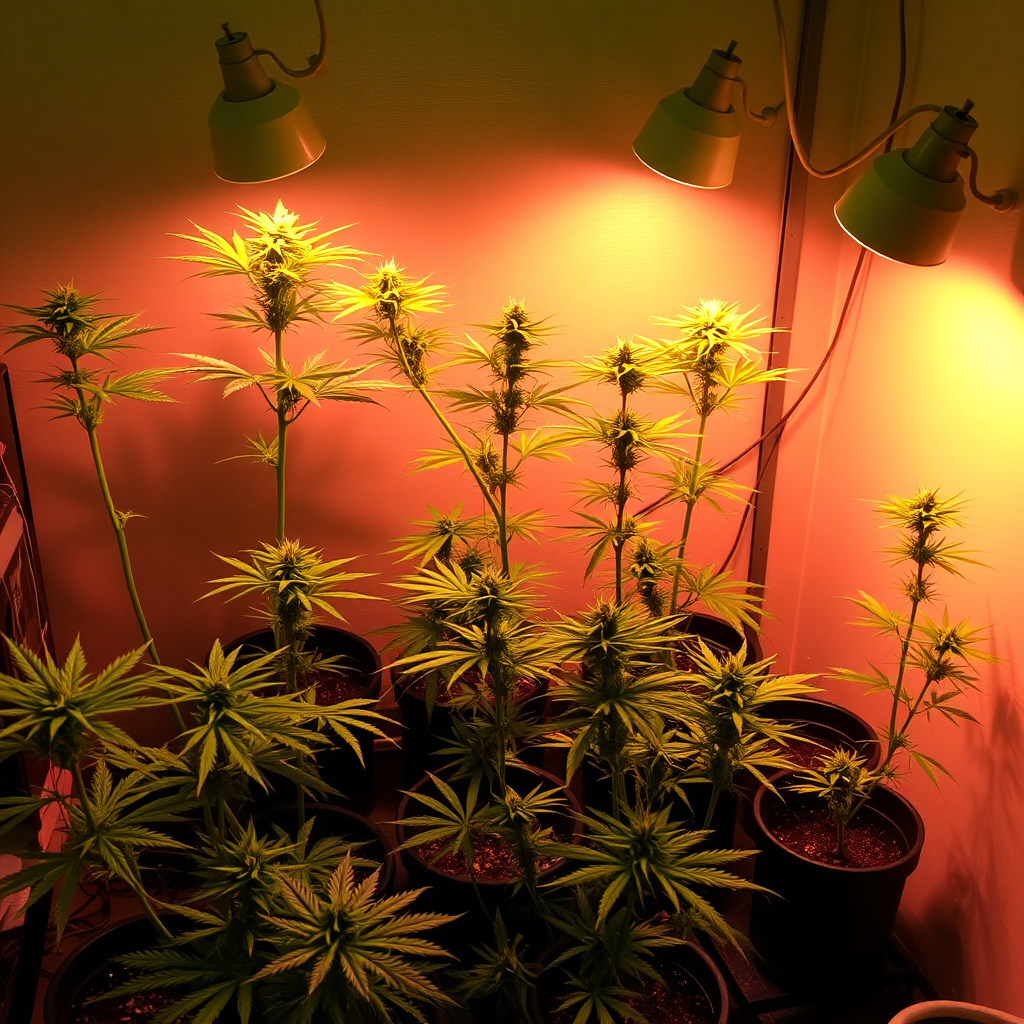
California law permits adults 21 or older to grow up to six cannabis plants per residence for personal medical or recreational use. This limit applies regardless of how many adults live in the home, effectively capping household cultivation as a whole rather than per person.
The plants must be grown in a private, secure location not visible to the public and without violating local ordinances. Exceeding this limit risks legal penalties, including fines or criminal charges, so strict adherence is critical.
Medical Cannabis Cultivation and Additional Plants
Patients with a valid medical recommendation may cultivate more than six plants with a physician's approval, varying by county or city. Some jurisdictions allow up to 12 or more plants for medical use under specific conditions.
However, these allowances are subject to local regulations and patient residency verification. Medical caregivers growing for multiple patients must comply with distinct licensing rules, making legal compliance complex.
General Plant Growth: No Set Legal Limits Beyond Cannabis
Home Gardening and Agricultural Plants
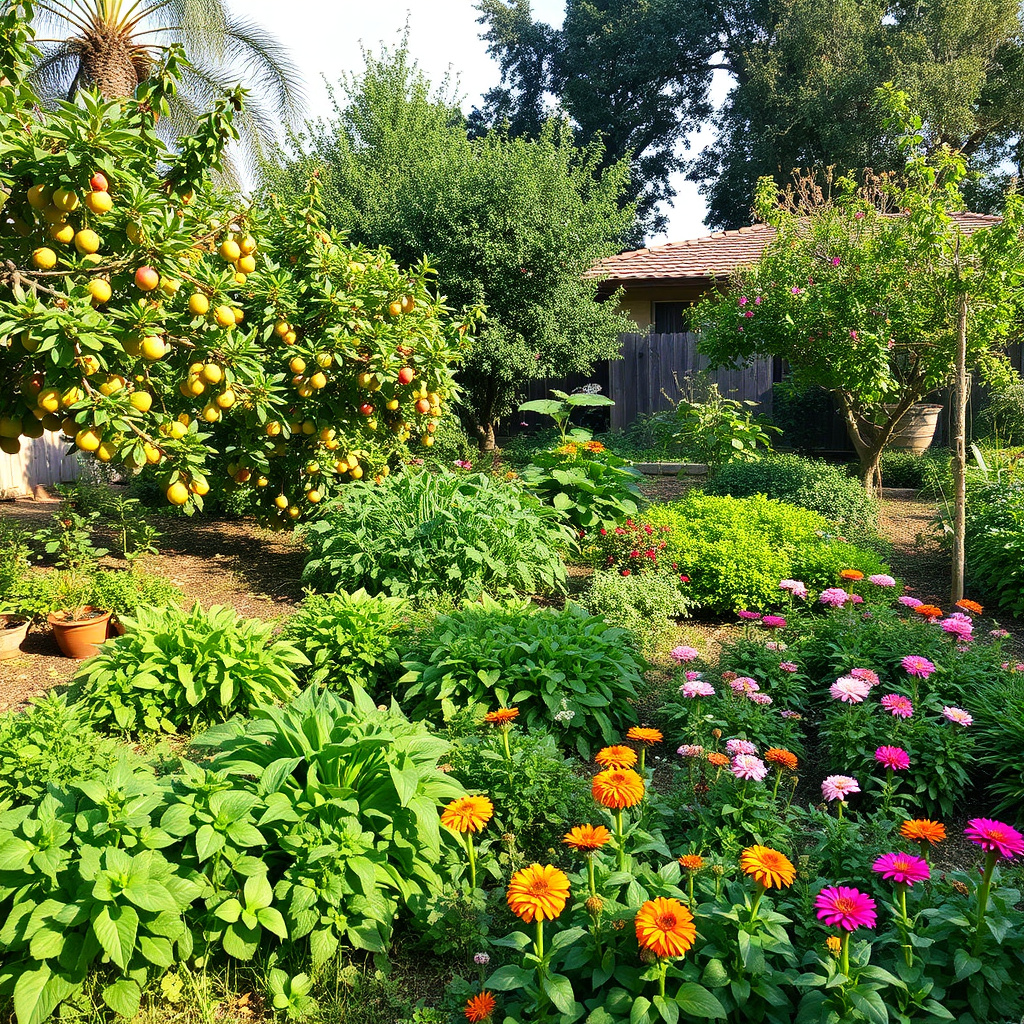
Unlike cannabis, most plants grown for home gardening or agriculture in California have no legal limits on quantity. Homeowners often grow diverse plants including fruits, vegetables, ornamental shrubs, and trees according to their space and resources.
While state law does not restrict numbers, water use regulations and local rules may affect large-scale gardening to prevent environmental impact such as drought stress or pesticide runoff.
For more on this, see our related guide: Are Cannabis Seeds Legal in the USA? Understanding the Legal Landscape.
Commercial Plant Cultivation Licensing
Businesses growing plants for sale require appropriate licenses, especially for cannabis cultivation operations that must register with the state’s Department of Cannabis Control. Other crops, like fruits or vegetables, typically follow agricultural licensing and zoning standards.
Commercial growers must also comply with environmental assessments, labor regulations, and trade laws, which can indirectly limit the scale and number of plants cultivated.
Local Ordinances Affecting How Many Plants You Can Grow

Municipal Restrictions on Plant Cultivation
Many California cities and counties set stricter limits than the state on cannabis plant counts or impose bans on outdoor cultivation entirely. These rules vary widely—some disallow any cannabis plants, while others allow the state maximum or more for medical use.
It is essential to consult local laws before planting, as noncompliance can lead to citations or seed confiscation. Local policies often aim to control nuisance complaints and regulate neighborhood aesthetics.
Zoning and Property Use Impacts
Zoning laws may restrict plant cultivation by prohibiting it in certain residential, commercial, or agricultural zones or requiring setbacks from property lines and public spaces.
Homeowners should verify with local planning departments to understand if their property allows the cultivation they intend and if permits are necessary, preventing unintentional violations.
Practical Considerations Influencing Plant Numbers in California Gardens
Space and Environmental Conditions
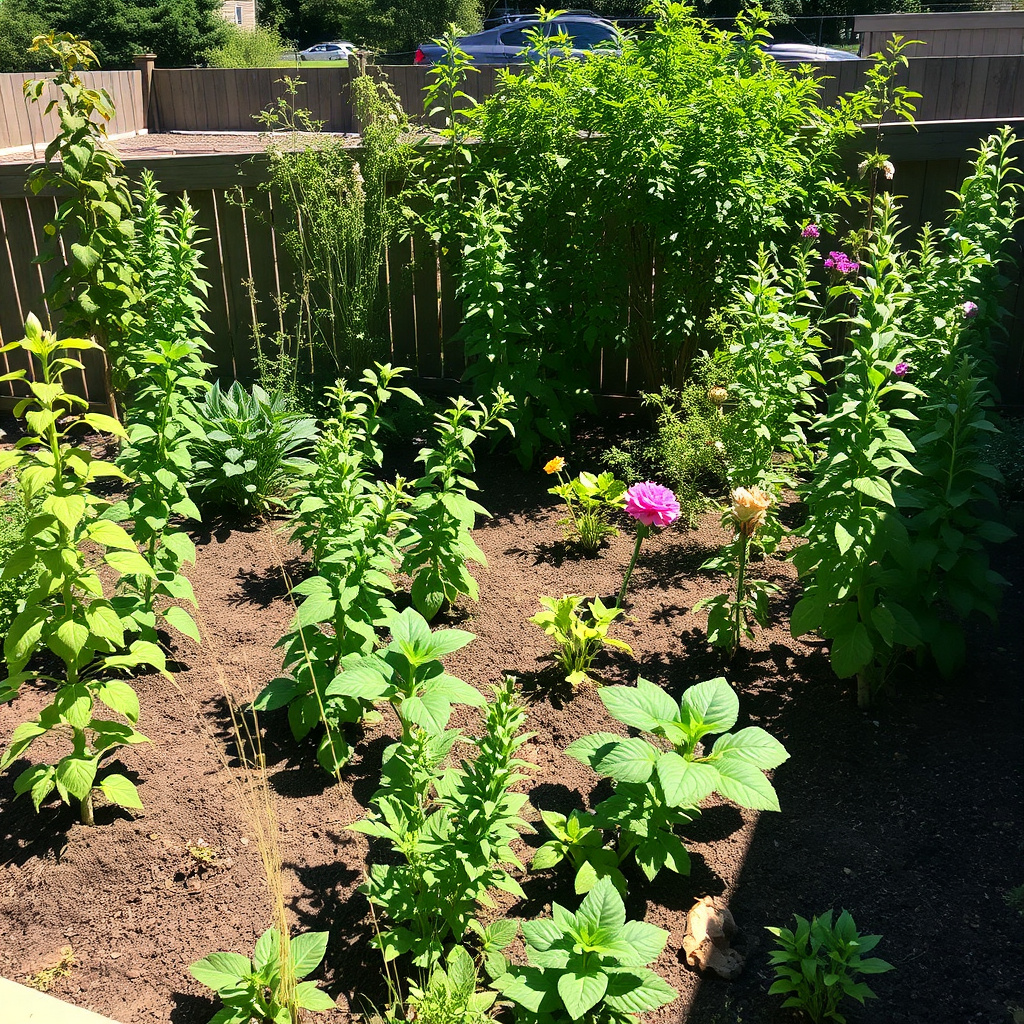
Your property's size and sunlight availability directly influence how many plants can thrive. California's diverse climate means coastal, desert, or mountainous regions require tailored plant choices and densities.
Poor soil, limited water, or shading factors constrain garden size far more than legal limits do. Effective planning optimizes plant health and yield amid these challenges.
- Consider sun exposure hours
- Account for soil depth and quality
- Plan irrigation according to local water restrictions
For more on this, see our related guide: Cannabis Cultivation Laws by State: What You Need to Know in 2024.
Pests, Diseases, and Maintenance Effort
More plants increase risk of pest infestation and diseases, which can spread rapidly in dense gardens. Regular monitoring and integrated pest management are necessary to maintain plant health.
The time and resources you can commit to maintenance determine practical plant counts, especially for demanding species requiring frequent pruning, fertilizing, or delicate care.
- Use resistant plant varieties
- Implement crop rotation and companion planting
- Allocate sufficient time for garden care
How California Plant Cultivation Laws Shape Urban Farming and Cannabis Growing
Balancing Personal Cultivation and Community Norms
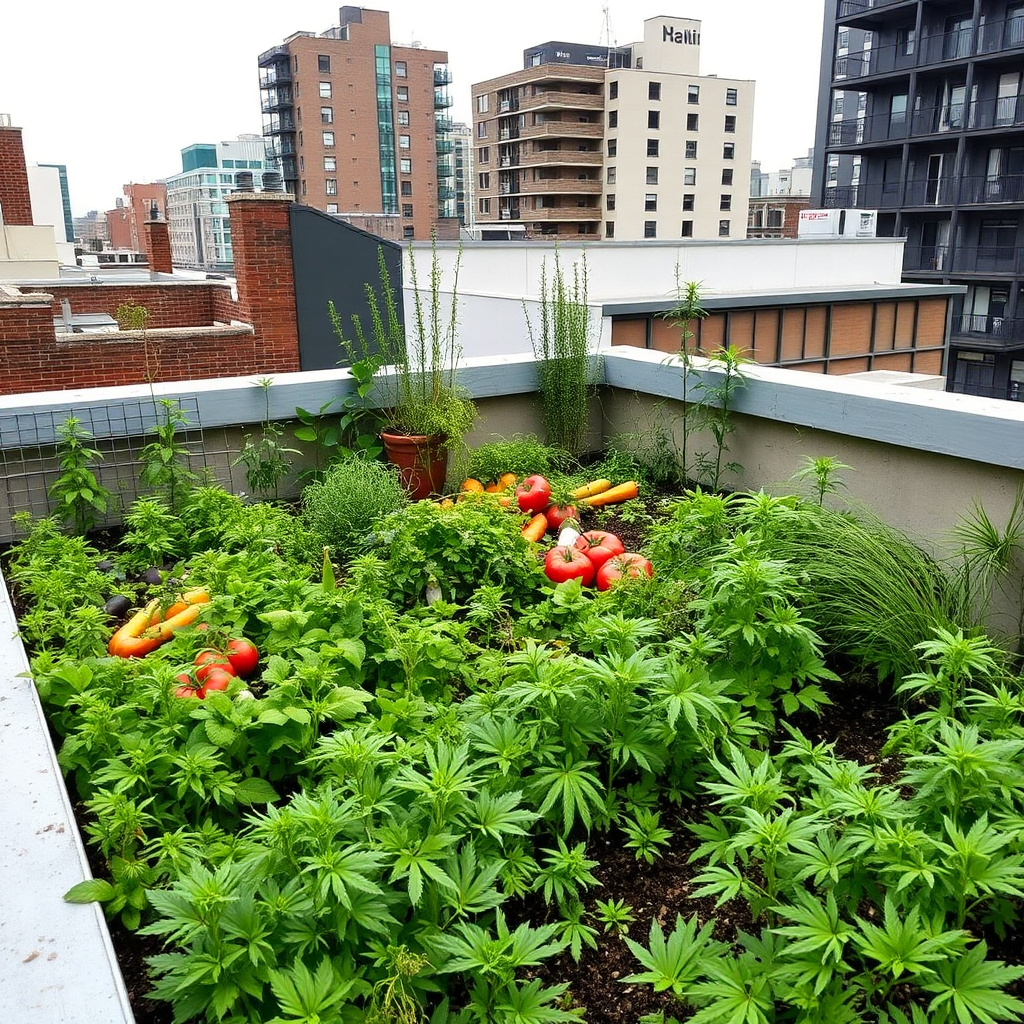
California’s six-plant cannabis limit for personal use is designed to balance home cultivation freedoms with concerns about odor, security, and public visibility. Urban growers often adopt discreet methods like indoor setups to comply and maintain privacy.
Community acceptance varies; some neighborhoods embrace urban farming including cannabis, while others actively discourage visible or large-scale plantings through local regulations.
For a more detailed explanation of California’s cannabis cultivation laws, refer to the official California cannabis laws overview. California cannabis laws overview.
Urban Farming Trends and Licensing
Urban farmers cultivating vegetables or herbs are generally free from plant quantity limits but must abide by sanitation and water use rules. Cannabis operators require licensing, which limits plants and implements strict oversight to prevent diversion or illegal sales.
This regulatory framework supports a growing legal cannabis market while promoting sustainable, responsible urban agriculture.
Comparison of Plant Cultivation Categories in California
Here’s a comparison of different plant cultivation categories outlining limits, legal restrictions, and typical scale considerations.
| Category | Maximum Plants Allowed | Licensing Required? | Common Restrictions |
|---|---|---|---|
| Recreational Cannabis | 6 plants per household | No (personal use) | No public visibility, age limit 21+ |
| Medical Cannabis | Varies (often up to 12+ with recommendation) | No (personal use) | Medical proof, local variations |
| General Home Gardening | No legal max | No | Water use restrictions, space limits |
| Commercial Cannabis | Varies by license tier | Yes | State and local regulations, security |
| Commercial Agriculture (non-cannabis) | No set max | Yes (for business) | Zoning, environmental regulations |
Frequently Asked Questions
Can I grow more than six cannabis plants in California if I have a medical recommendation?
Patients with a valid medical recommendation may grow more than six plants, but allowances depend on local laws and patient-specific requirements. Typically, this involves up to 12 or more plants under specified conditions.
Are there any limits on growing vegetables or fruit plants at home in California?
No, California does not impose legal limits on the number of vegetables or fruit plants grown at home, though local water use and environmental rules might affect large-scale cultivation.
Do all California cities allow outdoor cannabis cultivation?
No, many cities restrict or ban outdoor cannabis cultivation to address safety, odor, and aesthetic concerns. Always check local ordinances before growing outdoors.
Is a license required for growing cannabis at home?
For personal use up to six plants, no license is necessary. However, commercial cannabis growers must obtain state and local licenses to operate legally.
How does zoning impact how many plants I can grow on my property?
Zoning laws may limit plant cultivation by restricting it to certain property types or locations and by imposing setbacks, directly affecting feasible plant numbers.
Key Takeaways
- California adults can legally grow up to six cannabis plants per household for personal use.
- Medical cannabis patients may cultivate more plants subject to local rules and medical proof.
- General gardening plants have no set legal limits but may face water and zoning regulations.
- Local ordinances and zoning strongly influence permissible plant quantities and cultivation methods.
Conclusion
When deciding how many plants to grow in California, understanding the specific laws around cannabis cultivation is essential. The state allows up to six cannabis plants per household for recreational use, which should be the baseline for compliance. For other types of plants, such as fruits and vegetables, there are generally no legal limits; however, practical considerations like space and water restrictions play a key role. Checking local city or county ordinances is also critical since they can impose stricter rules or outright bans on certain plant cultivation practices. Balancing these legal and environmental factors ensures a successful and lawful gardening experience.
For those interested in cannabis cultivation, recreational growers should stick to the six-plant limit, while medical patients might explore options for cultivating additional plants if local jurisdictions permit. Urban farmers focusing on vegetables or herbs can typically expand their gardens freely but should still respect water use and environmental standards. Commercial cultivators must seek the appropriate licenses and comply with detailed regulations that govern plant numbers, security, and operational standards. Understanding these categories and their rules will help you tailor your growing plan to your personal or business needs within California’s regulatory framework.
In practical terms, start by assessing your property size, climate conditions, and gardening goals. Consult local zoning and cultivation laws early to avoid penalties, especially if you plan to grow cannabis. For beginners, selecting manageable quantities that match your maintenance ability will support plant health and legal safety simultaneously. Taking these steps will put you on a solid path toward enjoying the benefits of gardening, whether recreationally or commercially, anywhere in California.