How to Improve Soil Drainage for Healthier Plants and Gardens
Improving soil drainage is about making sure excess water flows away properly to prevent roots from drowning and soil from becoming compacted. Techniques like adding organic matter, creating raised beds, or installing drainage systems can immediately enhance how well your soil handles moisture.
Good soil drainage matters because standing water restricts oxygen, leading to root rot and poor plant health. Whether dealing with heavy clay, compacted ground, or frequent rainfall, managing water flow in soil prevents plant stress and encourages strong root development.
This article covers practical ways to improve soil drainage, including soil amendments, physical alterations like raised beds, drainage installations, and ongoing maintenance tips. You’ll learn how to identify drainage problems and select the best soil drainage techniques for your garden’s unique needs.
Understanding Soil Drainage and Its Importance
What Causes Poor Soil Drainage?
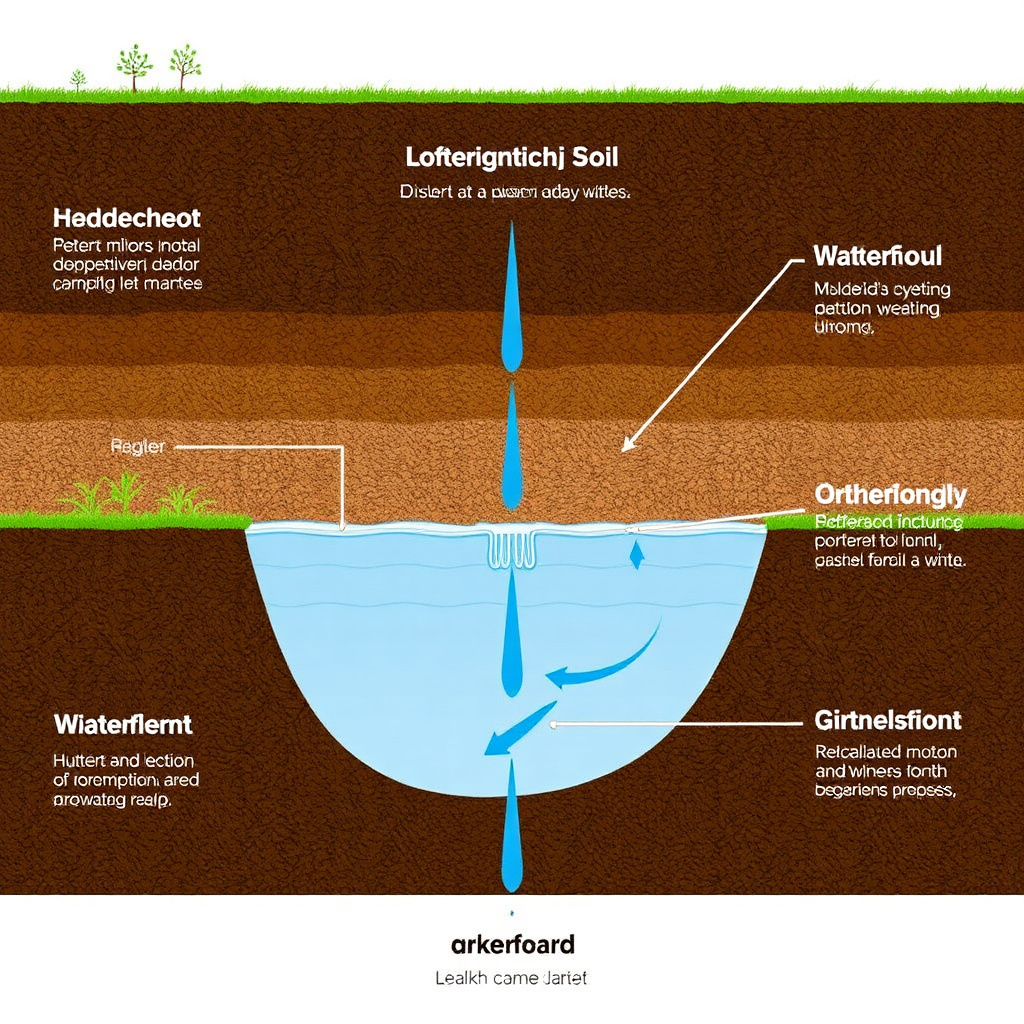
Poor soil drainage happens when water cannot pass through soil efficiently. Common causes include clay-heavy soils with tiny particles that compact easily, compacted soils reduced by foot traffic or machinery, and underlying impermeable layers like bedrock or hardpan.
Another factor is soil texture and structure; sandy soils drain quickly but may hold too little moisture, while clay soils hold excessive water. Understanding these causes helps identify the right soil drainage improvements for your site.
How Drainage Affects Plant Health
Excess water saturates soil pores, pushing out oxygen critical for root respiration. Without oxygen, roots weaken, leading to stunted growth, yellowing leaves, and root rot diseases.
Conversely, well-draining soil balances moisture retention and air space, promoting robust root systems and nutrient uptake. Addressing drainage promptly prevents many common gardening problems.
Improving Soil Drainage Through Soil Amendments
Adding Organic Matter
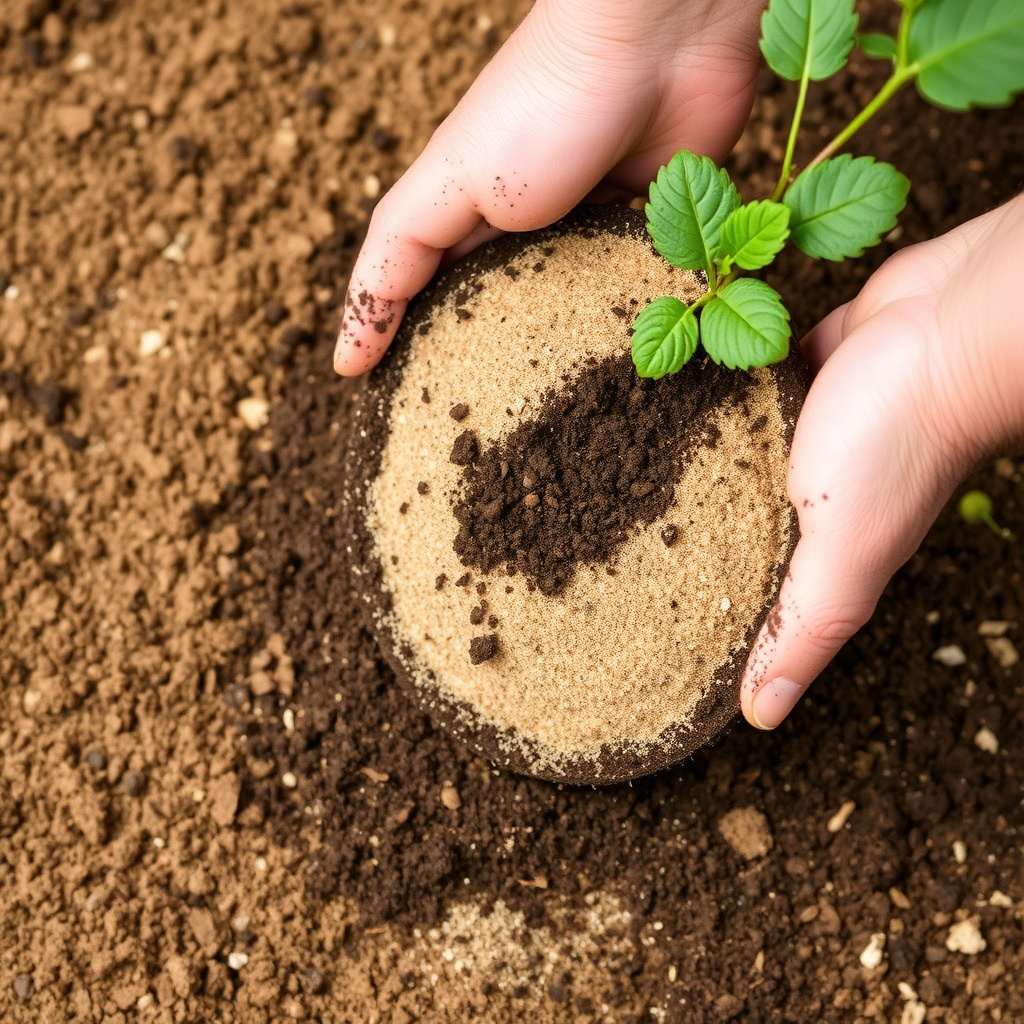
Incorporating organic matter such as compost, aged manure, or leaf mold enhances soil structure by creating aggregates. This improves pore space, allowing water to drain while holding enough moisture for roots.
Organic amendments also encourage beneficial microbial activity that helps maintain soil porosity long term, making this a sustainable soil drainage technique.
- Use 2–4 inches of compost mixed into top 6–8 inches of soil
- Apply organic mulch on the surface to reduce compaction
- Repeat annually for best results
Incorporating Sand and Grit
Adding coarse sand or horticultural grit helps break heavy clay by increasing drainage channels. However, only coarse sand should be used; fine sand can worsen compaction.
The key is proper ratios—too much sand without enough organic matter can create a cement-like texture, so balance is essential for successful drainage improvement.
- Mix sand at approximately 25–50% by volume with soil
- Combine with organic matter for better structure
Physical Methods to Enhance Soil Drainage
Creating Raised Beds
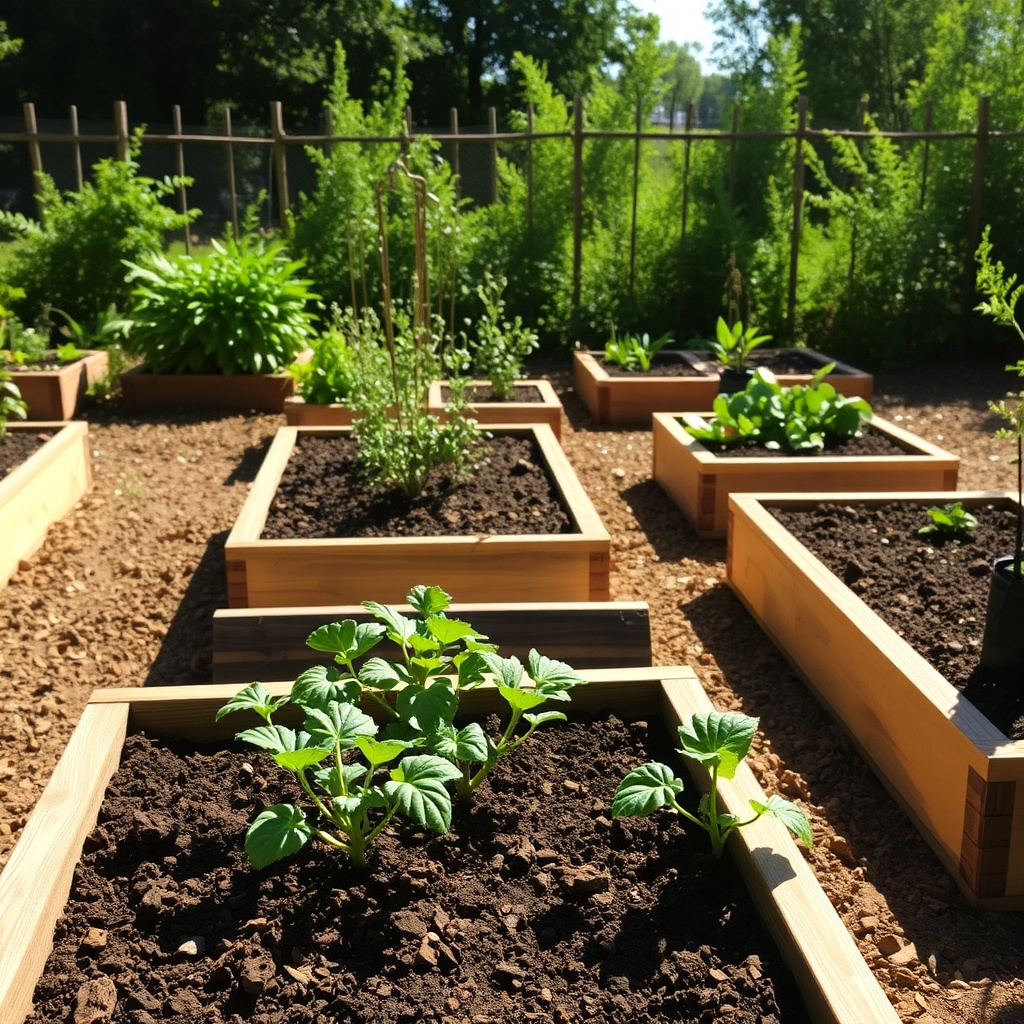
Raised beds elevate the root zone above poorly draining native soil, reducing waterlogging risk. By filling beds with well-draining soil mixes, you control moisture availability and improve aeration.
This method also limits soil compaction since raised beds typically discourage foot traffic, while allowing deeper rooting compared to flat, compacted ground.
- Construct beds 6–12 inches high
- Fill with a blend of topsoil, compost, and coarse material
For more on this, see our related guide: How to Choose the Best Soil for Cannabis Plants: A Complete Guide.
Installing Drainage Systems
For chronic drainage problems, installing French drains, perforated pipes, or tile drainage helps redirect excess water away from plant roots effectively.
These systems collect subsurface water and channel it to suitable outlets like dry wells or storm drains, preventing surface saturation and soil erosion.
- French drains work well in heavy clay soils
- Install drainage slope of at least 1% for proper flow
Techniques to Maintain and Monitor Soil Drainage
Regular Soil Aeration Practices
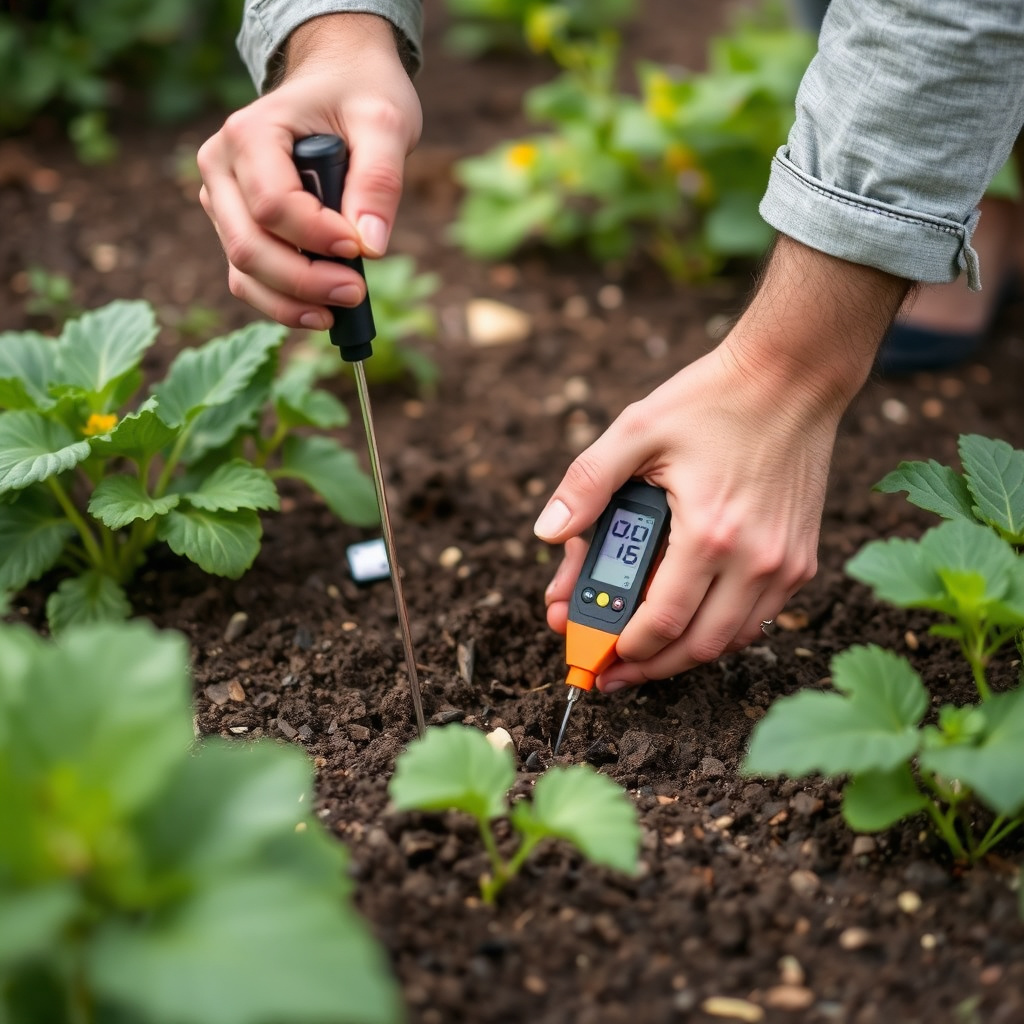
Aerating soil with tools like garden forks or mechanical aerators relieves compaction created by foot traffic or machinery. Creating small holes improves water infiltration and air exchange.
Perform aeration during dry or moist periods but avoid overly wet soil to prevent worsening compaction or damage.
- Aerate annually in lawns or garden beds
- Use hollow tine aerators for large areas
Monitoring Drainage with Simple Tests
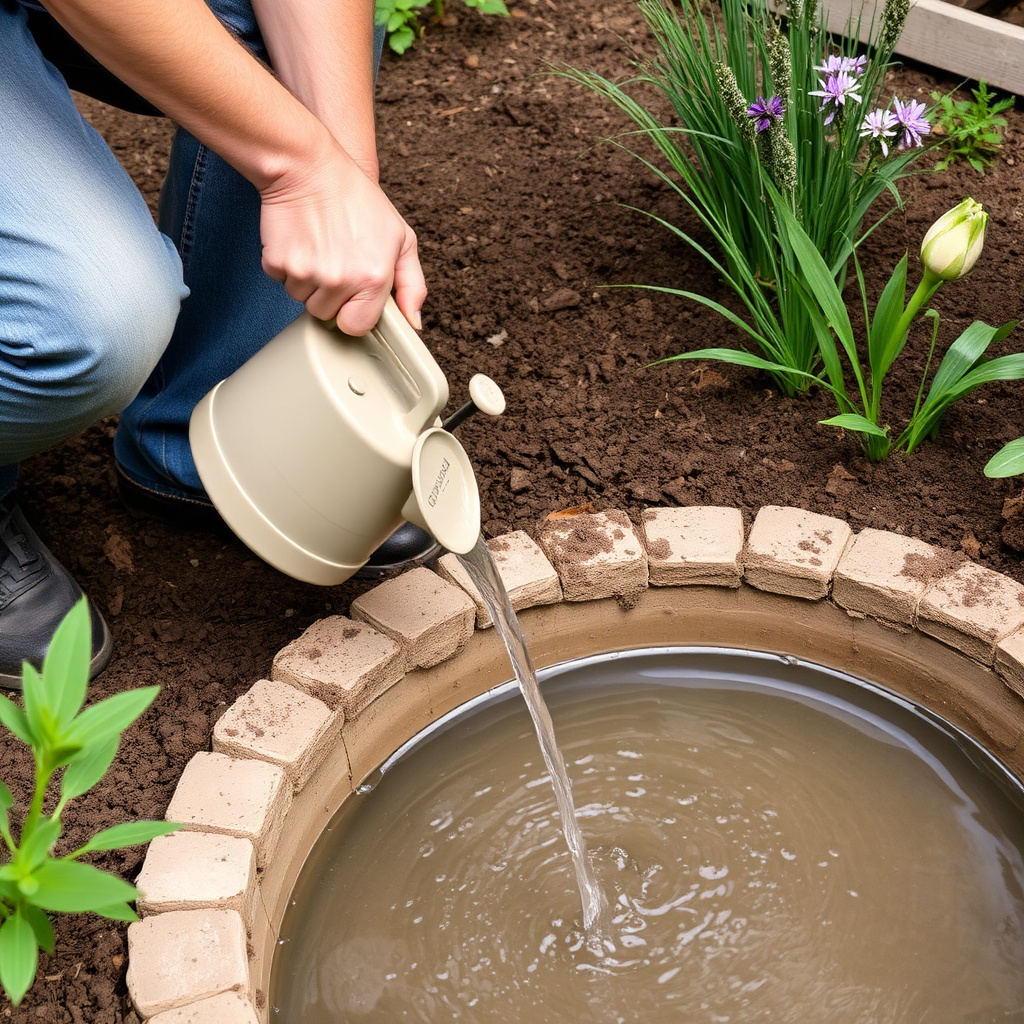
Simple tests like digging a hole and filling it with water to see how long it takes to drain can assess soil drainage speed. Ideal drainage for most plants is under 24 hours.
Augment testing by noting plant signs such as yellowing or root rot that indicate persistent drainage issues requiring action.
- Use a soil moisture meter for regular checks
- Observe plant health as an indirect drainage indicator
How to Improve Soil Drainage in Different Garden Types
Improving Drainage in Lawn Areas
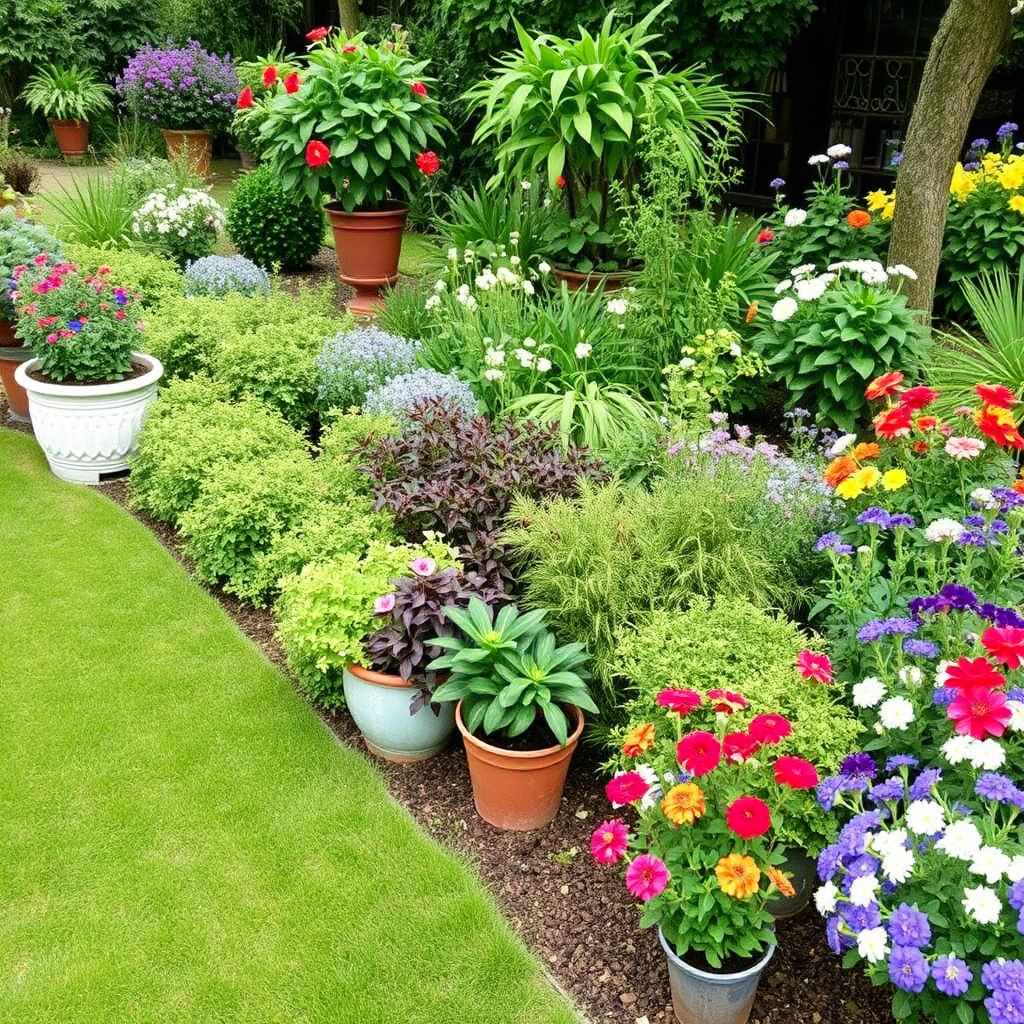
Lawns suffering from poor drainage benefit from dethatching, aeration, and topdressing with sand and organic matter blends. These actions break dense layers and promote water movement.
Regular maintenance schedules prevent compaction buildup and maintain root health under frequent foot traffic.
- Aerate twice yearly for heavy-use lawns
- Apply thin compost layer after aeration
For more on this, see our related guide: How to Germinate Seeds in Soil: A Practical Guide for Successful Planting.
Enhancing Drainage in Container Gardens
Containers often suffer drainage issues due to lack of outlet holes or dense potting mix. Ensuring adequate drainage holes and using well-draining soil mixes with perlite or bark improves water flow.
Elevate containers slightly to prevent water pooling beneath and reduce risk of root rot.
- Use pots with multiple drainage holes
- Add a layer of gravel at the bottom for improved flow
Common Mistakes and How to Avoid Them
Overcompacting Soil During Construction
Heavy equipment and foot traffic during garden construction can compact soil layers, severely restricting drainage. Avoid working soil when overly wet to reduce compaction risk.
Using lightweight tools or working in dry conditions helps maintain soil texture and avoid drainage problems.
For additional technical details about soil drainage and related processes, see soil drainage information on Wikipedia. soil drainage information on Wikipedia.
Using Incorrect Soil Amendments
Adding fine sand or too much clay as an amendment can worsen drainage by creating cement-like layers. Always choose coarse materials and balance with organic matter to improve soil structure properly.
Testing soil composition before amendments prevents these costly mistakes.
Comparison of Best Soil Drainage Techniques
This table summarizes common soil drainage methods, highlighting their applications, advantages, and typical costs.
| Technique | Best For | Advantages | Estimated Cost |
|---|---|---|---|
| Adding Organic Matter | Most soil types | Improves soil structure and moisture retention | Low |
| Incorporating Coarse Sand | Heavy clay soils | Increases drainage channels, reduces compaction | Low to Moderate |
| Raised Beds | Gardens with poor native soil | Elevates root zone, easy to manage | Moderate |
| French Drains | Waterlogged areas | Effective for redirecting subsurface water | High |
| Aeration | Lawns and compacted beds | Relieves compaction, enhances infiltration | Low to Moderate |
Frequently Asked Questions
How often should I add organic matter to improve drainage?
Incorporate organic matter annually or bi-annually into garden soil to maintain improved drainage and soil health.
Can I improve drainage without using raised beds or drains?
Yes, amending soil with compost and coarse sand along with aeration can significantly improve natural soil drainage.
Is it possible to fix drainage issues in clay soil?
Clay soil drainage improves with the addition of organic matter, coarse sand, and physical soil disruption like aeration or raised beds.
How do I know if my soil has drainage problems?
Symptoms include standing water after rain, water pooling spots, yellowing plants, and root rot, indicating drainage issues.
What soil drainage techniques are best for container plants?
Use well-draining potting mixes with perlite, ensure adequate drainage holes, and elevate containers to prevent water retention.
Key Takeaways
- Poor drainage restricts oxygen, harming plant roots and growth.
- Adding organic matter is an effective, sustainable soil drainage technique.
- Physical methods like raised beds and drainage pipes help in stubbornly wet areas.
- Regular aeration and monitoring maintain soil drainage health.
Conclusion
Choosing how to improve soil drainage begins with understanding the soil’s texture, structure, and current conditions. Identify whether drainage issues stem from compaction, heavy clay content, or poor site grading. Selecting methods tailored to your soil type and garden use ensures effective water management and healthier plants.
For most home gardens, amending soil with organic matter combined with coarse sand offers balance between moisture retention and drainage. Raised beds provide an accessible solution when native soil remains problematic, while French drains suit larger or chronic waterlogging problems. Lawns especially benefit from routine aeration to prevent compaction, and container gardens require well-draining mixes and proper pots to thrive.
Start improving soil drainage by testing your soil’s drainage speed with simple tools, then apply the appropriate techniques highlighted here. Consistency in maintenance, such as annual organic matter addition and monitoring plant health, keeps soil drainage functioning well over time. With these approaches, gardeners can significantly enhance growing conditions and avoid many common issues.