How to Choose Seeds for Pest Resistance: A Practical Guide for Gardeners
Choosing seeds for pest resistance means selecting plant varieties that naturally withstand or repel common garden pests, reducing the need for chemical treatments and promoting healthier growth. By focusing on seeds with inherent pest-repelling traits, gardeners can avoid frequent infestations and increase their chances of a successful harvest.
This approach matters because relying on chemical pesticides can harm beneficial insects, pollute the environment, and contribute to pesticide resistance in pests. Using pest-resistant seeds provides an eco-friendly alternative, allowing plants to defend themselves through genetic traits. Understanding which seeds offer these benefits helps gardeners make informed decisions for sustainable and productive gardening.
This article covers how to identify pest-resistant seed varieties, factors influencing seed choice related to pest resistance, methods to verify resistance traits, and practical tips for integrating these seeds into your garden. We'll also compare common types of pest-resistant seeds to help you find the best fit for your needs.
Understanding Pest Resistance in Seeds

What Does Pest Resistance Mean in Seeds?
Pest resistance in seeds refers to genetic traits that enable plants to tolerate or deter attacks from insects, fungi, or other pests without significant damage. These traits can be physical, such as thicker leaves or hairy stems, or chemical, producing natural deterrents that pests avoid.
Seeds with pest-resistant qualities limit the need for external interventions, as plants can maintain vigor and yield even under pest pressure. This natural defense mechanism reduces crop losses and promotes healthier ecosystems.
Types of Pest Resistance Traits
There are several ways pest resistance manifests, including antixenosis, which deters pests from feeding or laying eggs; antibiosis, where pests suffer health declines after feeding on resistant plants; and tolerance, where plants withstand damage without losing significant productivity.
Understanding these types helps gardeners select seeds suited for specific pest challenges in their region, ensuring the chosen varieties provide real protection.
- Antixenosis: Pest deterrence
- Antibiosis: Negative effects on pests
- Tolerance: Plant damage resistance
Factors to Consider When Choosing Pest-Resistant Seeds

Local Pest Prevalence and Seed Suitability
Assessing common pests in your area is critical since pest-resistant seeds perform best when tailored to local threats. Research regional pest reports or consult extension services to identify the main pests affecting plants similar to those you want to grow.
Seeds bred for resistance to these particular pests will have higher success rates, whereas using generic pest-resistant labels without context could result in inadequate protection.
For more on this, see our related guide: How to Identify and Manage Cannabis Plant Pests and Diseases Effectively.
Seed Source and Certifications
Selecting seeds from reputable suppliers who provide detailed resistance information or certifications increases the likelihood of effectiveness. Certified seeds often undergo testing to confirm resistance traits under standardized conditions.
Reviewing seed labels and product descriptions for pest resistance specifics, including the pests targeted and resistance mechanisms, can prevent buying ineffective seeds.
Identifying the Best Pest-Resistant Seed Varieties
Vegetables with Noted Pest Resistance
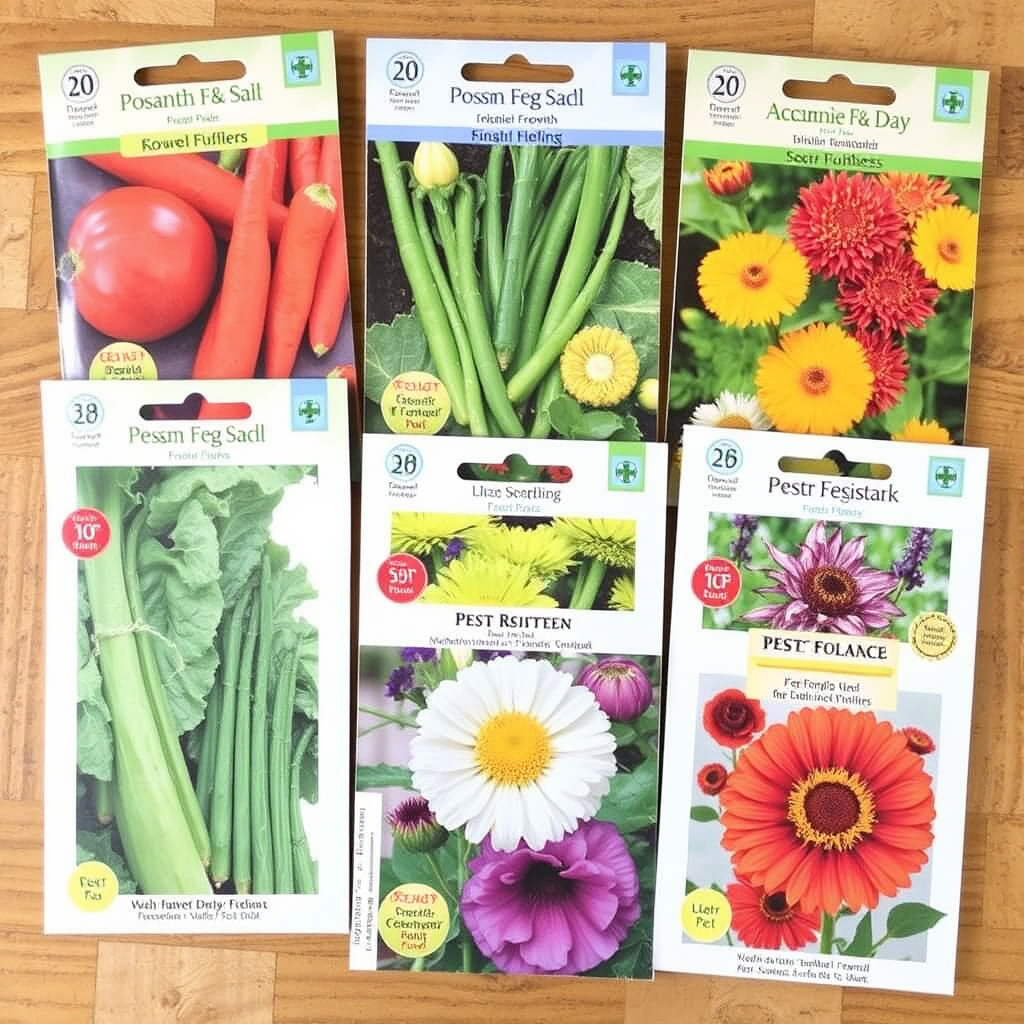
Certain vegetable varieties consistently show strong pest resistance, such as Roma tomatoes for resistance to nematodes and powdery mildew-resistant cucumbers. These selections reduce chemical spray needs and provide better yields in pest-prone gardens.
Choosing these well-studied varieties simplifies pest management by leveraging genetic traits developed through breeding programs targeting common pests.
- Roma tomatoes – nematode resistance
- Powdery mildew-resistant cucumber
- Zucchini varieties resistant to squash bugs
Flowers and Ornamentals with Pest Resistance
Some flower species and cultivars resist pests such as aphids or thrips naturally. Marigolds, for example, are known to repel nematodes and certain insects, while calendula can deter aphids. Selecting pest-resistant ornamental seeds helps maintain garden health and reduces maintenance.
Using these flowers in companion planting strategies enhances the overall pest resistance of the garden ecosystem.
- Marigolds for nematode and insect repellent
- Calendula to discourage aphids
- Lavender for moth and flea beetle resistance
Testing and Verifying Pest Resistance Claims

Trial Plantings and Observation
After purchasing pest-resistant seeds, establish small test plots or container plantings under normal garden conditions to monitor pest interactions. This helps confirm if claimed resistance holds true for your environment and pest pressures.
Recording pest damage and overall plant health during these trials informs your future seed choices and garden management decisions.
For more on this, see our related guide: Cannabis Seeds vs Clones: Which Is Best for Your Grow Operation?.
Consulting Extension Services and Research
Local agricultural extension offices and university programs often provide evaluations of seed varieties and their pest resistance performance in your region. Accessing these resources supplements your observations with scientific data and expert recommendations.
Researching peer-reviewed studies or field trial reports gives objective evidence supporting seed resistance claims, increasing confidence before committing to larger plantings.
Integrating Pest-Resistant Seeds into Your Garden

Companion Planting with Pest-Resistant Seeds
Combining pest-resistant seeds with companion plants that repel pests naturally enhances garden defense. For instance, planting pest-resistant tomatoes alongside basil or marigolds can create an integrated barrier that reduces pest pressure.
This method uses biodiversity to create synergy, minimizing pest outbreaks while promoting beneficial insect populations.
- Tomatoes with basil or marigolds
- Cucumbers near nasturtiums
- Carrots next to onions
For a deeper explanation of how plants develop pest resistance, see this detailed resource on plant pest resistance. plant pest resistance.
Proper Care to Support Resistance
Even seeds with pest resistance need good growing conditions to express these traits fully. Adequate watering, soil nutrition, and spacing reduce plant stress and prevent weakening defenses.
Healthy plants tolerate pest attacks better and sustain yields, so combining resistance traits with proper garden care maximizes the benefits of selecting pest-resistant seeds.
Comparison of Pest-Resistant Seed Varieties
This table compares popular categories of pest-resistant seeds, highlighting their main resistance traits and common uses.
| Category | Common Pest Resistance | Ideal Use | Care Level | Availability |
|---|---|---|---|---|
| Vegetable Seeds | Nematodes, aphids, powdery mildew | Kitchen gardens, home farms | Moderate | Widely available |
| Flower Seeds | Aphids, nematodes, thrips | Ornamental, companion planting | Low | Common in nurseries |
| Herb Seeds | Moths, flea beetles | Edible gardens, pest repelling | Low | Moderate availability |
| Hybrid Seeds | Multiple pest resistances | Commercial farming, high yield | High | Available from specialty suppliers |
| Heirloom Seeds | Limited pest resistance | Preserving genetics, taste | Moderate | Varies widely |
Frequently Asked Questions
Can all seeds labeled pest-resistant protect against every type of garden pest?
No, pest-resistant seeds typically target specific pests based on their breeding. It’s important to match seeds to the common pests in your garden for effective protection.
Will pest-resistant seeds eliminate the need for pesticides altogether?
While pest-resistant seeds reduce pest damage, they do not guarantee zero pest presence. Some management practices and monitoring will still be necessary.
How can I find out which pests are common in my gardening area?
You can ask local extension offices, consult gardening clubs, or research online databases focused on regional pest reports to identify common local pests.
Are pest-resistant seeds more expensive than regular seeds?
They can be slightly more costly due to specialized breeding, but the reduced need for pesticides often balances this cost over time.
Do pest-resistant plants need special care compared to non-resistant varieties?
Pest-resistant plants generally need the same level of care as others, but maintaining good soil health and proper watering helps them express their resistance better.
Key Takeaways
- Pest-resistant seeds carry genetic traits to naturally reduce pest damage.
- Match seed resistance to the common pests in your local area for best results.
- Testing seeds in your garden and consulting local resources improve selection accuracy.
- Combining pest-resistant seeds with companion planting enhances garden protection.
Conclusion
Choosing seeds for pest resistance involves understanding the specific pests in your area and selecting varieties bred to resist those threats. By focusing on genetic traits such as antibiosis and tolerance, gardeners can reduce reliance on chemical treatments, promote healthier plants, and increase productivity. Successful selection also takes into account the source and certification of seeds, ensuring that resistance claims are reliable and relevant to your garden environment. Testing seed varieties through trial plantings provides practical feedback in your unique conditions, helping refine future choices.
For gardeners aiming to grow vegetables, pest-resistant Roma tomatoes or powdery mildew-resistant cucumbers offer proven protection for common pests. Ornamentals like marigolds and calendula serve well in repelling insects while beautifying the garden. Integrating these seeds within companion planting arrangements creates a robust defense system that leverages diverse plant interactions. By maintaining proper care, including soil nutrition and adequate spacing, pest-resistant plants express their natural vigor and withstand pest challenges without intensive interventions.
Ultimately, investing in pest-resistant seeds is a proactive step toward sustainable gardening. Start by researching local pest patterns and seed options available through reputable suppliers. Plant small test plots to observe resistance performance and adapt your garden plans accordingly. This approach not only limits pest damage but also fosters a healthier growing environment, making your gardening experience more rewarding and less labor-intensive.