What Is an F1 Hybrid? Understanding the Basics and Benefits
An F1 hybrid is the first generation offspring resulting from a controlled cross between two genetically distinct parent plants, each selected for specific desirable traits. This hybrid generation often exhibits hybrid vigor, meaning improved growth, higher yields, or better resistance compared to either parent.
This concept is especially important in agriculture and gardening because F1 hybrids combine the strengths of both parents, leading to uniform and robust plants. Understanding F1 hybrids can help gardeners and farmers make informed decisions about the seeds they plant to optimize crop performance.
This article explains what makes an F1 hybrid distinct, how these hybrids are produced, their advantages and limitations, and how to choose the right F1 hybrid seeds for your needs. We will also compare F1 hybrids to other seed types and answer common questions.
How F1 Hybrids Are Created

Parent Selection for Specific Traits
Creating an F1 hybrid starts with choosing two parent plants with complementary traits, such as disease resistance, size, flavor, or color. These parents are genetically pure lines to ensure predictable traits in the offspring.
The goal is to combine the best traits of both parents. For example, one parent might have strong pest resistance while the other produces large fruits. Their cross results in an F1 hybrid that inherits both features.
Controlled Pollination Process
To produce true F1 hybrids, manual controlled pollination is done to prevent unwanted pollen from contaminating the cross. This involves hand-pollinating flowers or isolating parent plants physically.
This careful process ensures the resulting seeds are the genuine first-generation hybrid, not a mix of other genetic backgrounds.
- Hand-pollination or isolation
- Prevent cross-contamination
- Maintains genetic consistency
Advantages of Growing F1 Hybrids
Hybrid Vigor and Performance Benefits
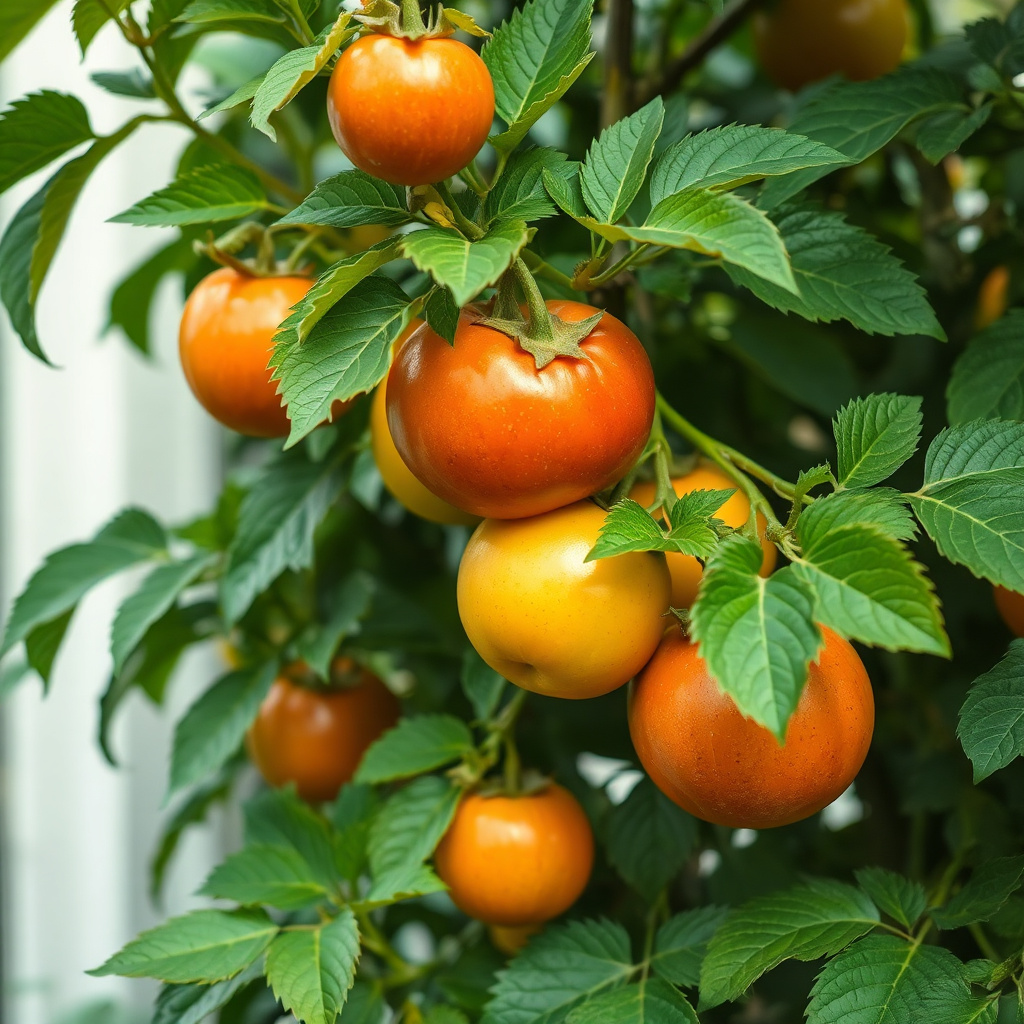
F1 hybrids are prized because they often exhibit hybrid vigor or heterosis, resulting in faster growth, higher yields, better uniformity, and increased resistance to pests or stress compared to non-hybrids.
This means gardeners and farmers can expect more consistent and robust crops, which is beneficial for commercial production or home gardening.
Uniformity and Predictability
Because F1 hybrids come from specific, controlled crossings, their offspring tend to be very uniform in size, color, and maturation time. This predictability is valuable for harvesting and marketing.
Uniform plants simplify management tasks like fertilizing and watering since growth patterns are synchronized.
- Consistent plant size and yield
- Synchronized maturation
- Better market appeal
Limitations and Considerations of F1 Hybrids
Seed Saving Challenges
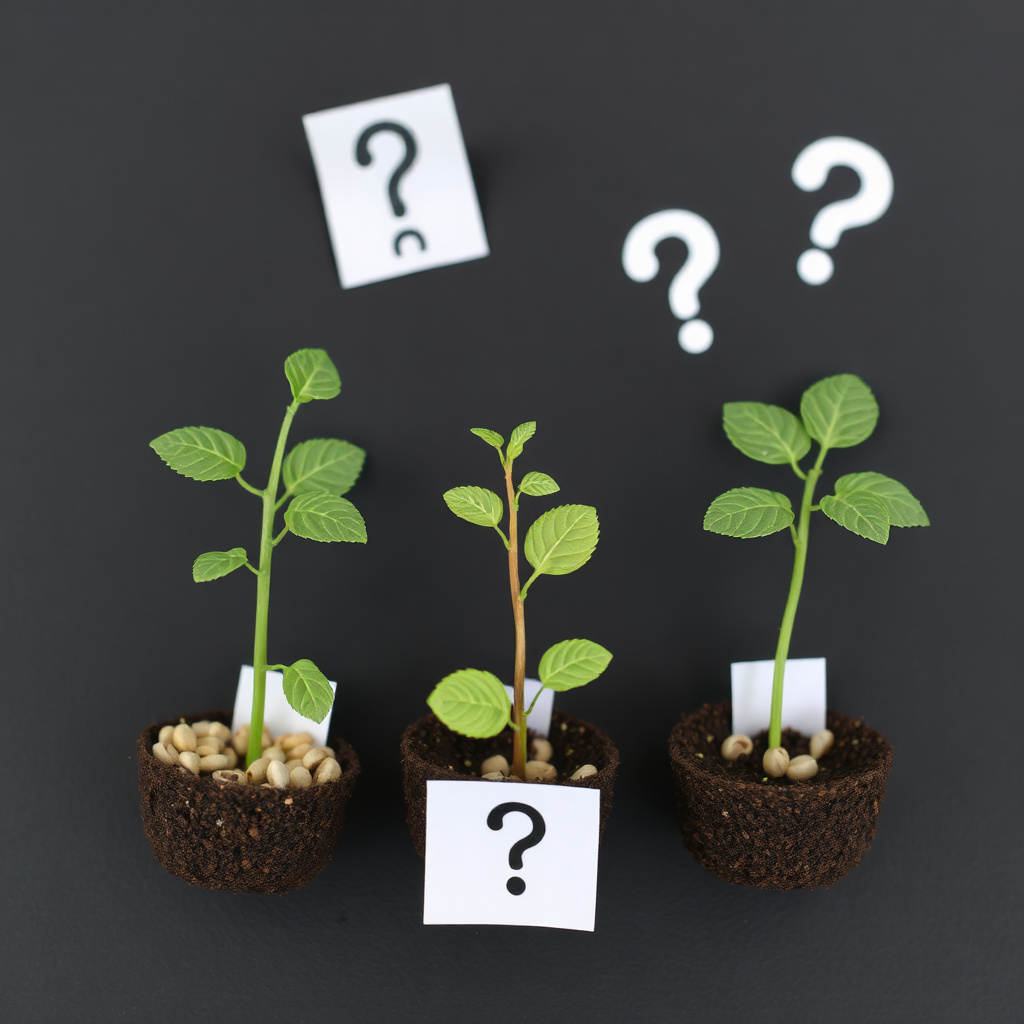
Seeds saved from F1 hybrid plants usually do not produce true-to-type offspring due to genetic segregation in subsequent generations. This means the second generation may revert to traits of the original parents unpredictably.
As a result, gardeners who want consistent results must purchase new F1 hybrid seeds each season.
For more on this, see our related guide: What Is a Hybrid Plant? Understanding Hybrid Plant Basics.
Cost and Availability Factors
F1 hybrid seeds can be more expensive than open-pollinated varieties because of the labor-intensive production and patent protections on some hybrids.
Additionally, not all plant species have available F1 hybrids, limiting choices for some growers.
Difference Between F1 Hybrids and Open-Pollinated Seeds

Genetic Consistency Versus Variability
F1 hybrids provide predictable uniformity due to controlled parentage, while open-pollinated seeds result in more genetic variation. Open-pollinated plants can adapt better over time but are less uniform.
Seeds from open-pollinated plants can be saved and replanted with reliable retention of traits, unlike F1 hybrids.
- F1 hybrids: Consistent appearance and traits
- Open-pollinated: Greater genetic diversity
- Seed saving viable in open-pollinated
Use Cases for Each Seed Type
Commercial growers often prefer F1 hybrids for consistent production and market standards. Home gardeners who want to save seeds or maintain heirloom varieties may favor open-pollinated seeds.
Choosing between them depends on goals like yield uniformity or seed-saving ability.
Choosing the Right F1 Hybrid Seeds for Your Garden

Assessing Climate and Soil Compatibility
Select F1 hybrids bred specifically for your local climate and soil conditions. Some hybrids are drought-tolerant, while others thrive in cooler or warmer regions.
Matching seed selection to environmental factors improves plant health and yield.
For more on this, see our related guide: What Is a Cannabis Cultivar? Understanding Cannabis Cultivars Explained.
Considering Disease Resistance and Crop Needs
Look for hybrids with resistance to prevalent local pests and diseases. This reduces the need for chemical treatments and supports sustainable gardening.
Also factor in plant size and yield targets aligned with your space and consumption.
- Choose disease-resistant hybrids if available
- Match plant size to space
- Evaluate intended harvest volume
Maintaining F1 Hybrid Plants

Proper Care for Optimized Growth
F1 hybrids benefit from balanced fertilization, adequate watering, and pest monitoring since their improved traits can maximize growth if conditions are favorable.
Providing consistent care helps the plants realize the potential hybrid vigor embedded in the seeds.
For a thorough overview of hybrid plants and their classifications, see the F1 hybrid entry on Wikipedia. F1 hybrid on Wikipedia.
Pollination and Isolation Techniques
If you plan to produce more F1 hybrid seeds, isolation from other varieties and hand pollination are necessary. For gardeners growing hybrids for fresh produce, this is less critical but important for seed producers.
Understanding pollination biology aids in preserving hybrid seed purity.
Comparison of Seed Types: F1 Hybrids vs. Others
This table contrasts F1 hybrids with open-pollinated and heirloom seeds on key features relevant to gardeners and farmers.
| Seed Type | Uniformity | Seed Saving | Cost | Trait Predictability |
|---|---|---|---|---|
| F1 Hybrids | Very High | Not Recommended | Higher | Highly Predictable |
| Open-Pollinated | Moderate | Viable | Lower | Moderate |
| Heirloom | Variable | Viable | Varies | Less Predictable but Stable |
| Hybrid Varieties (later generations) | Low | Unreliable | Varies | Unpredictable |
Frequently Asked Questions
Can I save seeds from an F1 hybrid plant?
Seeds saved from F1 hybrid plants generally do not produce plants identical to the parent. The second generation can show a wide range of traits and is therefore not recommended for reliable planting.
Why are F1 hybrid seeds more expensive?
F1 hybrid seeds cost more due to the labor-intensive controlled breeding process and often patent protections. The consistent uniformity and vigor justify the higher price for many growers.
Do F1 hybrids require different care than other plants?
F1 hybrids do not need fundamentally different care but respond well to balanced nutrition and proper watering to fully express their hybrid vigor and potential yields.
Are F1 hybrids suitable for home gardeners?
Yes, F1 hybrids are good for home gardeners seeking vigorous, uniform plants, though saving seeds for future planting is not practical. They offer improved performance compared to many traditional varieties.
How do I identify F1 hybrid seeds when shopping?
F1 hybrid seeds are usually clearly labeled with “F1 Hybrid” on seed packets or catalogs, indicating they result from a first-generation cross.
Key Takeaways
- F1 hybrids are first-generation crosses between distinct parent plants with combined traits.
- They offer improved vigor, uniformity, and predictable performance compared to other seeds.
- Seeds from F1 hybrids should not be saved for next season due to genetic variability.
- Choosing hybrids matched to your climate and needs maximizes benefits.
Conclusion
Understanding what an F1 hybrid is helps gardeners and farmers make better choices about the seeds they plant. These hybrids provide distinct advantages in vigor and uniformity thanks to the deliberate crossing of two purebred parents. This deliberate breeding process results in offspring with predictable and enhanced traits tailored to specific goals like yield, pest resistance, or size. Whether managing a commercial farm or a backyard garden, recognizing the strengths and limitations of F1 hybrids allows more informed planting strategies that balance seed cost, crop consistency, and long-term planning.
When selecting seeds, consider your priorities carefully. F1 hybrids are excellent for growers who prioritize uniform harvests and robust plant growth, ideal for commercial growers and home gardeners wanting reliable results within a single season. In contrast, open-pollinated and heirloom seeds offer advantages in seed saving and genetic diversity, appealing to gardeners focused on sustainability and heritage conservation. Specific options, such as drought-tolerant F1 tomato hybrids or disease-resistant pepper hybrids, exemplify how pairing hybrids to local conditions and crop needs yields the best outcomes.
If you’re new to gardening or exploring advanced planting, start by trying F1 hybrid seeds matched to your regional climate and common garden challenges. Purchase labeled seed packets from reputable suppliers and plan for annual seed purchases when relying on hybrids. Also, experiment with open-pollinated varieties to diversify your garden and practice seed saving skills. Learning about F1 hybrids equips you with a valuable tool for enhancing garden productivity while understanding when alternative seed types make sense for your goals.