How to Plan a Garden for Shade: Expert Tips for Lush, Low-Light Spaces
Planning a garden for shade starts with understanding the different types of shade your space receives and selecting plants that thrive in low-light conditions. This approach ensures healthy growth and an attractive layout despite limited direct sunlight.
Gardens with significant shade can be just as vibrant and diverse as sunlit ones, but they require careful choice of shade-loving plants and smart positioning. Shade gardens are ideal for areas under trees, near buildings, or on north-facing slopes where sunlight is scarce.
This guide will cover types of shade, selecting suitable plants, soil and moisture considerations, garden layout strategies, and maintenance tips so you can design a flourishing shaded garden tailored to your space.
Understanding Shade: Types and Effects on Your Garden
Different Types of Shade in Gardens
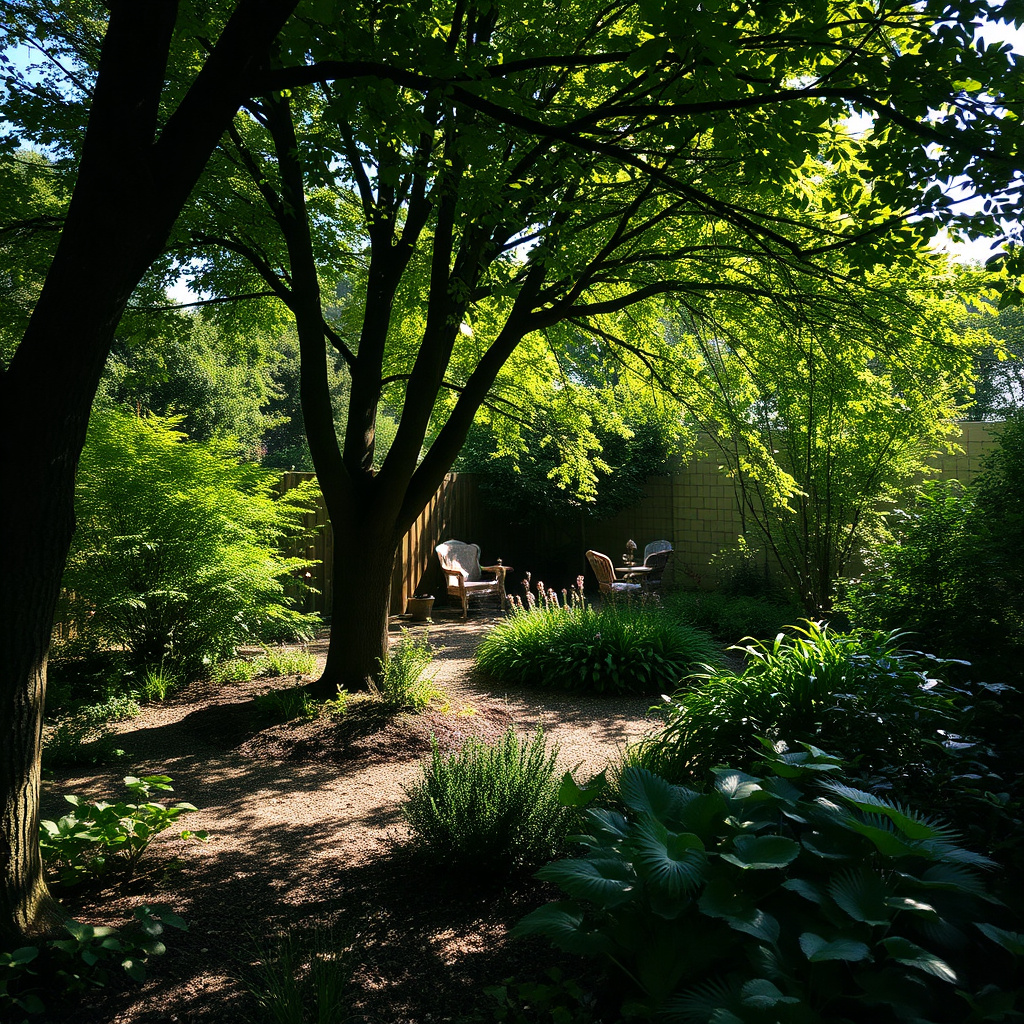
Shade can vary from light dappled sunlight to dense, deep shade where barely any light penetrates. Recognizing whether your garden area experiences partial shade (around 3-6 hours of filtered sunlight) or full shade (less than 3 hours of direct sunlight) helps decide which plants are suitable.
The quality of shade also depends on the surrounding environment, such as tree canopy density and building shadows. This impacts temperature, moisture retention, and photosynthesis rates for plants grown there.
- Dappled Shade – intermittent sunlight through tree leaves
- Partial Shade – 3 to 6 hours of sunlight daily
- Full Shade – less than 3 hours of direct sunlight
- Deep Shade – almost no direct sunlight, often under dense evergreens
How Shade Influences Soil and Microclimate
Shade generally keeps soil cooler and retains moisture longer by reducing evaporation. This can benefit plants that prefer steady moisture but require good drainage to avoid root rot.
The microclimate in shaded areas often has higher humidity and reduced temperature fluctuations. Garden planning must consider these factors to maintain plant health and prevent fungal diseases.
Choosing the Best Plants for a Shade Garden
Selecting Shade-Tolerant Plants
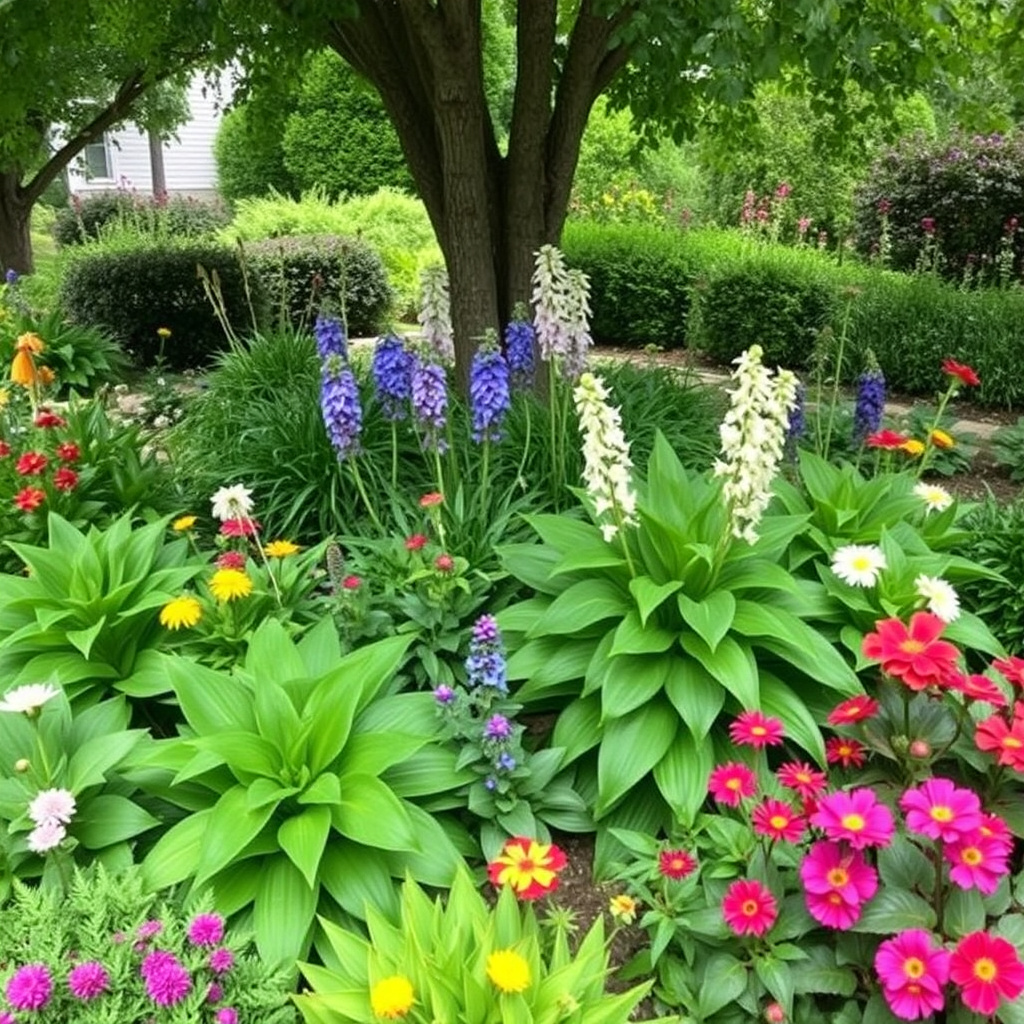
Many plants flourish in shaded conditions, including ferns, hostas, astilbes, and certain flowering shrubs. These plants have adapted to grow with less sunlight by optimizing leaf structure and chlorophyll content.
Choosing native species or cultivars known for shade tolerance often results in lower maintenance and better performance in your garden ecosystem.
- Ferns like Lady Fern and Christmas Fern
- Hostas with attractive foliage
- Shade-loving perennials such as Heuchera and Bleeding Heart
- Evergreen shrubs like Rhododendrons
For more on this, see our related guide: What Affects Plant Growth: Key Factors Explained for Healthy Gardens.
Incorporating Color and Texture in Shade Gardens
Shade gardens can be equally vibrant by combining plants with varied leaf colors, textures, and shapes to create visual interest. Variegated leaves, silver tones, and glossy foliage brighten dark areas.
Flowering plants that bloom in shade, such as impatiens and begonias, add seasonal color. Using contrasting textures like delicate ferns alongside broad-leafed hostas enriches the garden's depth.
Soil Preparation and Moisture Management for Shade

Improving Soil Quality in Shaded Areas
Shaded garden soils often benefit from added organic matter to improve structure and nutrient availability, as decomposition cycles slow down with limited sunlight. Adding compost or leaf mold enhances soil fertility and moisture retention.
Testing soil pH can ensure conditions are suitable, as some shade-tolerant plants prefer slightly acidic soil. Amending soil accordingly supports healthy root development.
- Incorporate 2-3 inches of compost annually
- Use mulch to conserve moisture and suppress weeds
- Adjust pH if necessary with lime or sulfur
Watering Strategies for Moisture Control
Shade reduces evaporation, which can cause overwatering risks. Regularly check soil moisture to maintain a balance that prevents waterlogging but keeps roots hydrated.
Drip irrigation or soaker hoses deliver water efficiently at the root zone, avoiding wet foliage that encourages fungal problems.
Design Techniques for Planning a Shade Garden

Layout and Plant Grouping for Shade
Arranging plants by their shade tolerance and moisture needs in clusters simplifies care and optimizes growth. Placing taller plants or shrubs to shield delicate ones from occasional strong sunlight creates microenvironments.
Paths and open spaces allow access and define the garden structure while highlighting plant groupings in varying shades and textures.
For more on this, see our related guide: How to Transplant Seedlings Without Stressing Your Plants.
Using Garden Features to Enhance Shade Spaces
Incorporating elements such as benches, stone sculptures, or water features can transform shaded gardens into inviting retreats. These features add focal points and sound or visual contrast to lush greenery.
Lighting tailored for low-light areas can also extend garden enjoyment into evenings while highlighting architectural details and plants.
- Seating areas for relaxation
- Reflective puddles or fountains
- Soft solar or LED lighting
Maintenance Tips for Thriving Shade Gardens

Pruning and Cleaning Practices
Regular removal of dead leaves and pruning prevents disease buildup in shaded spaces, where humidity can promote fungal growth. Proper pruning also encourages airflow between plants which mitigates moisture-related problems.
Cleaning up garden debris and thinning crowded areas maintain plant health and aesthetic appeal.
For detailed plant recommendations tailored to shaded environments, the Missouri Botanical Garden offers an excellent plant finder tool. Shade garden guidance from Missouri Botanical Garden.
Seasonal Care and Pest Prevention
Shade gardens require seasonal evaluation for pests like slugs and snails, which favor damp, shaded areas. Introducing natural predators or using barrier methods helps control infestations.
Winter mulching protects roots and preserves soil moisture, preparing plants for the dormant season.
- Inspect plants regularly for pests
- Apply organic pest deterrents
- Use mulch annualy before winter
Shade Garden Plant Categories Comparison
This table compares popular plant categories suited for shaded gardens, highlighting their light requirements, moisture needs, and typical heights.
| Plant Category | Light Requirement | Moisture Preference | Average Height |
|---|---|---|---|
| Ferns | Full to partial shade | Moist, well-drained | 12-36 inches |
| Hostas | Partial to full shade | Moderate moisture | 12-24 inches |
| Flowering Perennials | Partial shade | Moderate | 18-36 inches |
| Evergreen Shrubs | Partial to full shade | Medium | 3-6 feet |
| Groundcovers | Full to partial shade | Variable | 6-12 inches |
Frequently Asked Questions
Can vegetables grow in a shade garden?
Most vegetables need full sun, but some leafy greens like spinach and lettuce can grow in partial shade. However, dense shade usually limits vegetable growth and yield.
How do I increase sunlight in a heavily shaded garden?
Pruning overhanging branches or thinning dense tree canopies can allow more light. Reflective surfaces and lighter mulch colors also help increase available light.
What are the common problems in shade gardens?
Issues include fungal diseases due to moisture, poor flowering from low light, and pest infestations like slugs. Proper plant choice and maintenance minimize these risks.
How often should I water shade plants?
Water needs are generally lower than sun gardens. Check soil moisture regularly and water when the top 1-2 inches dry out to avoid overwatering.
Are mulch and compost important for shaded gardens?
Yes. Mulch conserves moisture and reduces weeds, while compost improves soil quality and nutrient availability in slower-decomposing shaded soils.
Key Takeaways
- Identify your garden’s shade type to select suitable plants.
- Choose shade-loving plants like ferns and hostas for a healthy garden.
- Prepare soil with organic matter and monitor moisture carefully.
- Design with texture and color to enhance low-light areas.
Conclusion
Planning a garden for shade involves understanding how different intensity levels of shade affect plant growth and soil conditions. By evaluating the quality and duration of shade in your garden space, you can select species that naturally thrive with less sunlight and manage watering and soil care in ways that support their health. Shade gardens require an attentive design to balance plant needs, aesthetics, and environmental factors, ensuring a flourishing garden despite limited light.
For successful shade gardening, prioritize plants specialized for low light such as ferns, hostas, and shade-tolerant perennials like bleeding hearts or astilbes. Incorporate evergreen shrubs to maintain year-round structure and use groundcovers to protect soil and retain moisture. Paying attention to soil amendments and careful watering routines will prevent common issues like fungal growth. Use garden design techniques that layer textures and add features to create inviting and dynamic spaces.
Starting with these principles, experiment with plant placement and maintenance to find what works best in your shaded environment. You might consider creating small test beds to observe how plants respond before expanding. Over time, adapting your garden by monitoring plant performance will lead to a lush, serene garden sanctuary perfectly suited for shade. Consult resources on shade gardening to extend your knowledge and refine your approach for continued success.