What Is Seed Dormancy: Understanding the Natural Pause in Germination
Seed dormancy is a natural survival mechanism that prevents seeds from germinating even when conditions like moisture and temperature might seem suitable. This pause in growth helps seeds avoid sprouting at the wrong time, such as during a cold season or drought, increasing their chance of survival.
This biological delay is essential for many plants to time their life cycle to environmental conditions. By remaining dormant, seeds can wait through harsh seasons and germinate when the chances of seedling survival and growth are highest.
In the following sections, we will explore how seed dormancy works, the different types of dormancy, methods to break dormancy, and the ecological and agricultural significance of this natural state.
What Causes Seed Dormancy?
Physical Barriers to Germination
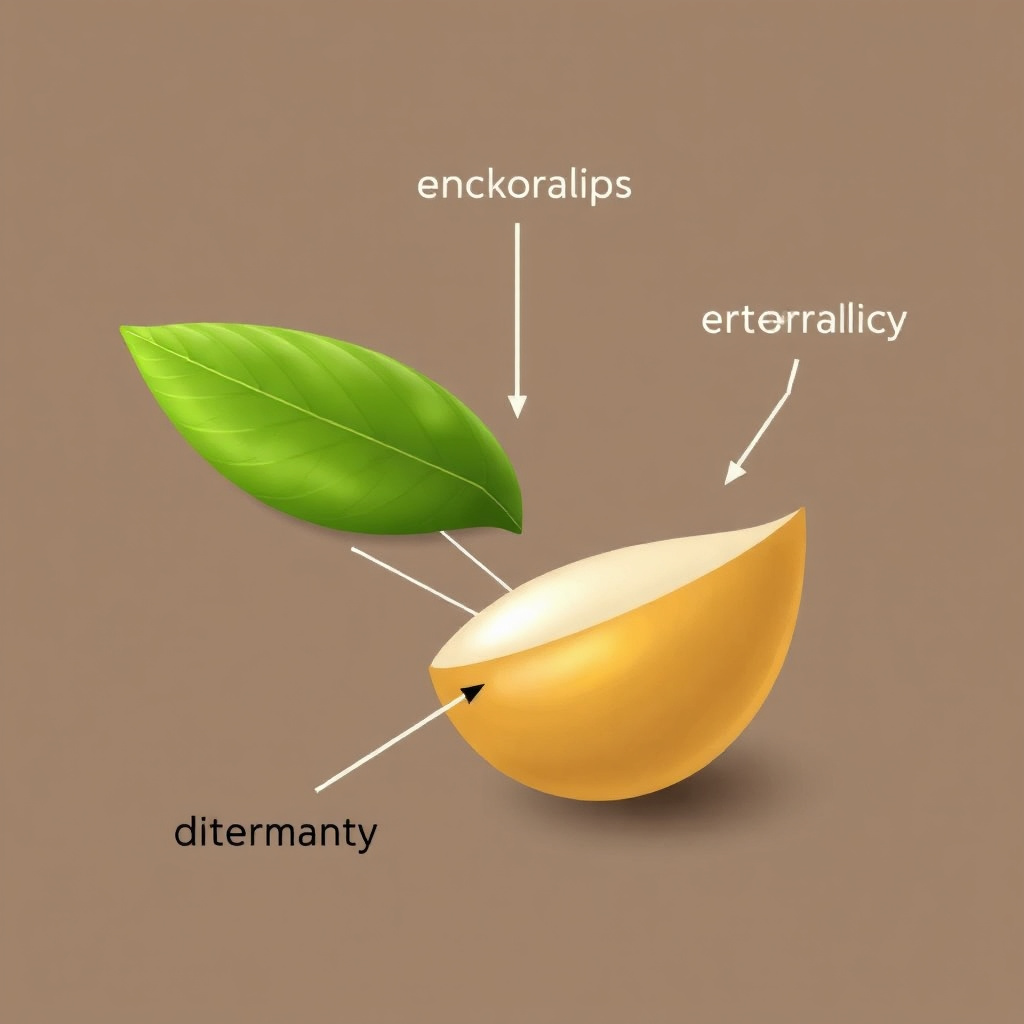
Some seeds have tough seed coats that physically block water absorption or restrict embryo growth, keeping the seed dormant until conditions soften these barriers. These hard seed coats can protect seeds during unfavorable periods such as winter or drought.
Over time, environmental factors like temperature changes or microbial activity can weaken or crack these seed coats, allowing moisture to reach the embryo and initiate germination.
- Hard seed coat prevents water uptake
- Seed coat restricts gas exchange
- Environmental abrasion softens the coat
Physiological Inhibitors Inside Seeds
Many seeds contain internal chemical inhibitors that keep the embryo inactive until they are washed away or broken down. These inhibitors can be hormones like abscisic acid that suppress growth signaling.
When environmental conditions such as temperature, light, or moisture reach specific thresholds, these chemicals degrade or become ineffective, allowing the seed to begin germination.
- Presence of growth-inhibiting hormones
- Requirement of after-ripening period
- Environmental triggers for chemical breakdown
Types of Seed Dormancy

Physical Dormancy
Physical dormancy arises from impermeable seed coats. Seeds with physical dormancy often require injury, heat, or chemical exposure to overcome this barrier before germination can happen.
This type is common in legumes and many desert plants, where sporadic rainfall triggers seed coat breakdown to coincide seedling growth with available water.
- Impenetrable seed coat
- Common in hard-seeded species
- Environmental cues needed to break dormancy
Physiological Dormancy
Physiological dormancy occurs when internal factors such as hormonal balances prevent germination even if water and temperature are favorable. Seeds need specific conditions like cold stratification or light exposure to break this kind of dormancy.
Many temperate tree species exhibit physiological dormancy, requiring winter cold periods before germination in spring.
- Internal chemical inhibitors present
- Requires environmental signals like cold or light
- Common in temperate climate species
Breaking Seed Dormancy

Mechanical and Chemical Scarification
Scarification involves physically damaging or softening the seed coat to allow water entry. Methods include rubbing seeds with sandpaper or using acid treatments to mimic natural weathering processes.
This approach is especially useful for seeds with physical dormancy and can significantly improve germination rates in agricultural or restoration practices.
- Rubbing seed coats with sandpaper
- Exposure to mild acid or hot water
- Simulates natural scratches or decay
For more on this, see our related guide: What Causes Seeds to Lose Viability and How to Prevent It.
Cold Stratification and Moisture Treatments
Cold stratification means exposing seeds to moist, cold conditions for several weeks to simulate winter, which can help degrade internal inhibitors and prepare seeds to germinate in spring.
Moisture treatments like soaking seeds can leach out chemical inhibitors and trigger physiological changes needed to overcome dormancy.
- Storing seeds in damp sand at low temperatures
- Soaking seeds in water before planting
- Mimics natural seasonal cycles
Ecological Significance of Seed Dormancy

Adaptation to Environmental Variability
Seed dormancy is an evolutionary strategy allowing plants to time germination when survival chances are maximized, providing resilience in fluctuating environments.
It prevents seeds from germinating during short-lived favorable conditions that might be followed by harsh periods like frost or drought.
- Prevents premature germination
- Increases seedling survival rates
- Aligns growth with optimal seasons
Seed Bank Formation and Biodiversity
Dormant seeds accumulate in soil seed banks, building a natural reservoir of genetic diversity and helping plant populations recover after disturbances.
This seed bank can buffer populations against unpredictable events, ensuring long-term ecosystem stability.
- Soil seed banks maintain species diversity
- Supports regeneration after fires or floods
- Preserves genetic material over time
Seed Dormancy in Agriculture and Horticulture

Challenges Caused by Dormancy
Dormant seeds can delay crop production schedules or cause uneven germination, reducing yield predictability.
Understanding the dormancy mechanisms helps farmers and horticulturists plan pre-sowing treatments to improve germination performance.
- Uneven seedling emergence
- Delayed crop cycles
- Difficulty in seed storage management
For more on this, see our related guide: How to Grow Cannabis from Seed: A Practical Guide for Beginners.
Techniques to Manage or Induce Dormancy
Treatments such as scarification, stratification, and chemical applications are routinely used to overcome dormancy in crop species.
In some cases, controlled induction of dormancy helps with seed storage and transportation by preventing premature germination.
- Use of cold storage to induce dormancy
- Pre-treatment with hormones to break dormancy
- Mechanical seed coat disruption
Future Research and Applications

Genetic Studies of Dormancy Traits
Research is uncovering genes responsible for dormancy and germination control, offering possibilities for breeding crops with tailored dormancy periods.
Genetic manipulation could optimize seed germination timing for climate-resilient agriculture.
- Identification of dormancy-regulating genes
- Biotechnological approaches for dormancy control
- Potential for climate-adaptive crops
To explore further scientific details and classifications, you can visit the comprehensive seed dormancy article on Wikipedia. Seed dormancy on Wikipedia.
Ecological Restoration and Conservation
Understanding seed dormancy aids restoration projects by improving seedling establishment in degraded habitats.
It also informs seed storage methods to conserve endangered plant species in seed banks globally.
- Enhancing germination in restoration efforts
- Seed bank management for endangered plants
- Preserving biodiversity through dormancy knowledge
Comparison of Seed Dormancy Types
The table below compares key characteristics of different seed dormancy types, highlighting their causes, breaking methods, and examples.
| Dormancy Type | Cause | Breaking Method | Common Examples |
|---|---|---|---|
| Physical Dormancy | Hard impermeable seed coat | Scarification or abrasion | Legumes like beans, mesquite |
| Physiological Dormancy | Internal chemical inhibitors | Cold stratification, light exposure | Maple, peach seeds |
| Morphological Dormancy | Undeveloped embryo | Time and warm conditions | Magnolia, iris seeds |
| Morphophysiological Dormancy | Combination of underdeveloped embryo and inhibitors | Cold stratification plus embryo growth | Larkspur, dutchman's breeches |
Frequently Asked Questions
How does seed dormancy benefit plants in nature?
Seed dormancy prevents seeds from sprouting during unfavorable conditions, increasing the likelihood that seedlings survive by germinating during optimal environmental periods.
Can all seeds be made to germinate by simply watering them?
No, seeds with dormancy mechanisms require specific environmental cues or treatments like scarification or cold stratification to break dormancy and start germination.
Is seed dormancy the same for all plant species?
No, dormancy types vary widely among species, including physical dormancy caused by seed coat hardness and physiological dormancy involving internal chemical inhibitors.
What are common methods to break seed dormancy for gardening?
Popular methods include mechanical scarification, soaking seeds in water, and cold stratification, which imitate natural conditions to stimulate germination.
Does seed dormancy affect seed storage?
Yes, dormancy can influence seed longevity and timing for sowing. Some dormant seeds are easier to store, while others need specific conditions to maintain viability over time.
Key Takeaways
- Seed dormancy is a natural mechanism delaying germination to improve survival.
- Different dormancy types involve physical barriers or physiological inhibitors.
- Breaking dormancy may require treatments like scarification or stratification.
- Dormancy plays a key role in ecology, agriculture, and conservation.
Conclusion
Seed dormancy acts as a natural strategy to synchronize seed germination with favorable environmental conditions. Understanding the various dormancy mechanisms and their triggers helps explain why some seeds remain inactive despite adequate moisture and temperature, highlighting the complexity of plant reproductive strategies. This knowledge informs both ecological perspectives and practical applications.
In agricultural and horticultural contexts, recognizing seed dormancy types, such as physical or physiological, allows for more predictable germination through treatments like scarification for hard seed coats or cold stratification for seeds with hormonal inhibitors. Restoration projects and seed banks also benefit from dormancy management to ensure seedling success and maintain biodiversity.
For those aiming to improve germination success, starting by identifying the dormancy type of your seeds is vital. Applying appropriate methods—whether mechanical abrasion, temperature treatments, or hormone exposure—can dramatically enhance growth outcomes. Experimenting carefully and consulting resources on seed dormancy will help turn dormant seeds into thriving plants.