How to Eat Papaya Seeds With This Step-By-Step Guide
Many people are exploring healthy ways to boost their wellness, but figuring out how to incorporate new superfoods like papaya seeds can be tricky. You’re not alone if you find the process confusing or unsure about how much to eat.
Luckily, there’s a simple, step-by-step way to enjoy papaya seeds safely and deliciously.
To eat papaya seeds, start by rinsing them thoroughly and soaking them briefly to reduce bitterness. Then lightly roast or grind them into powder.
Add small amounts—about one to two teaspoons—to smoothies, yogurt, or salads, especially on an empty stomach for better absorption. Be cautious not to overdo it and watch for any reactions.
If you want to uncover more tips on preparing and storing papaya seeds, keep exploring this guide.
Key Takeaways
- Rinse and prepare your papaya seeds by removing any debris and reducing bitterness through soaking or roasting.
- You can easily add ground or whole seeds into smoothies, yogurt, salads, or baked goodies for convenient eating.
- Begin with one to two teaspoons daily, ideally on an empty stomach, and slowly increase as your body adjusts.
- Make it tastier by adding natural sweeteners like honey or lemon, and avoid swallowing large seeds whole.
- Keep your seeds in an airtight container in a cool, dark spot, and watch out for any negative reactions.
What Are Papaya Seeds and Their Benefits?
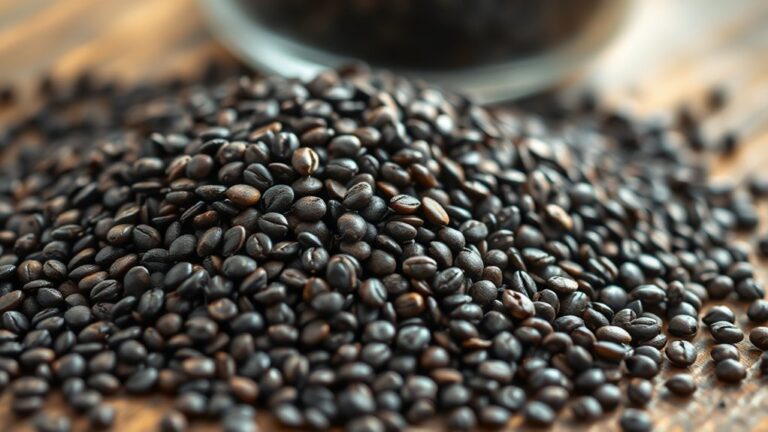
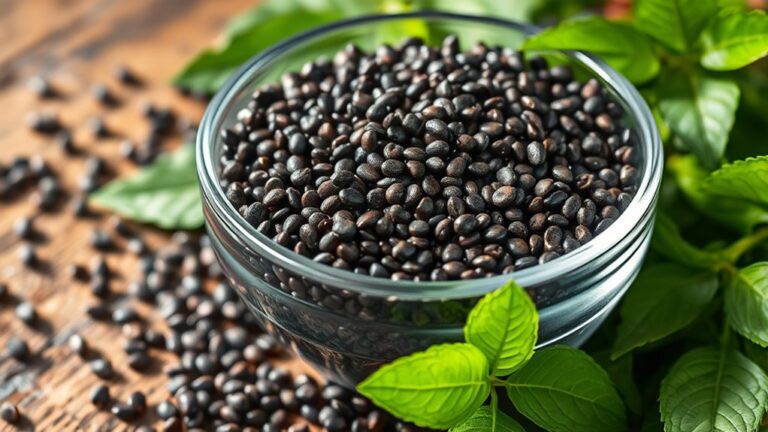
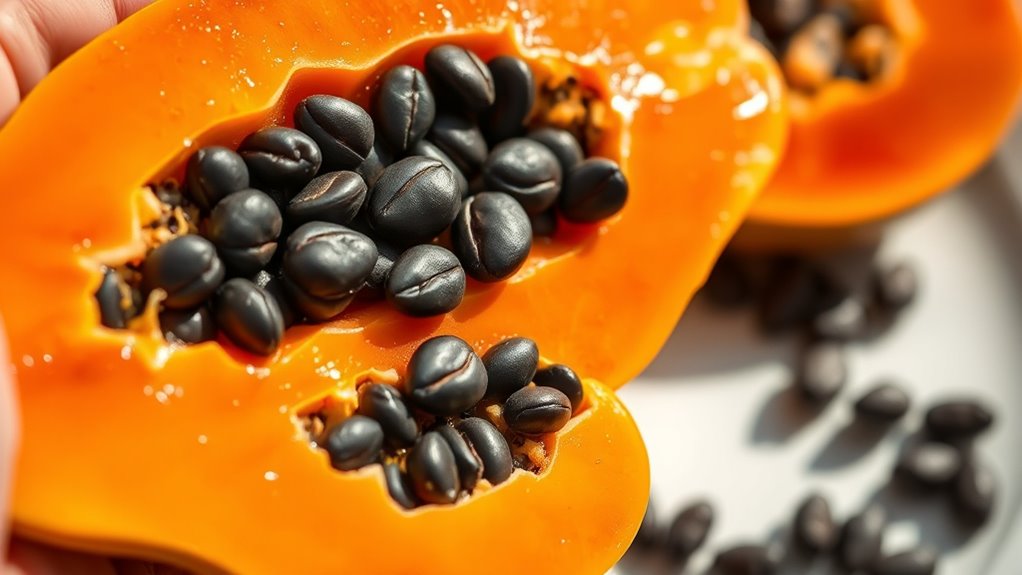
Papaya seeds are small, black, and round, found inside a ripe papaya fruit. These tiny seeds are packed with nutrients, including healthy fats, protein, fiber, and enzymes.
Small, black, round papaya seeds are nutrient-rich and packed with healthy fats, protein, fiber, and enzymes.
They’re rich in antioxidants, which help fight free radicals and reduce inflammation. Eating papaya seeds can support digestion, improve gut health, and boost your immune system.
Some studies suggest they can help detoxify the liver and promote a better metabolism. Plus, papaya seeds contain compounds like papain that help break down proteins and ease digestive discomfort.
Even though they’re small, their nutrient density makes them a valuable addition to your diet. Including these seeds can be a simple way to boost your overall health.
Just keep in mind, moderation is important because their potent compounds might cause adverse effects if you eat too many. Understanding their nutritional profile helps you see the potential benefits they offer.
How Do I Safely Prepare Papaya Seeds?
Before you eat papaya seeds, it’s a good idea to rinse them well to get rid of any dirt or debris. Just give them a good rinse under running water to make sure they’re clean.
If the seeds taste too bitter for your liking, you can remove their outer layer. A spoon or a small knife works well for this—just gently scrape or peel away the outer shell.
Taking these simple steps helps ensure the seeds are safe to eat and makes them more enjoyable to include in your snacks or recipes.
Rinse Seeds Thoroughly
Start by rinsing the seeds thoroughly under cold running water to remove any pulp, debris, or residues. This step ensures you’re only working with clean seeds, which is important for maximizing their health benefits and digestive properties.
After rinsing, gently swirl the seeds to dislodge any stubborn particles. For best results, use a colander or fine sieve to make sure everything is washed away.
| Step | Tip | Purpose |
|---|---|---|
| Rinse thoroughly | Use cold water and gentle agitation | Remove debris, pulp |
| Drain excess water | Shake or pat dry lightly | Prevent sogginess |
| Check cleanliness | Verify no pulp or residue remains | Maximize health benefits |
Remove Bitter Tastes
Even after rinsing, papaya seeds can have a naturally bitter taste that might be off-putting. To cut the bitterness, try soaking the seeds in salty water for about 10 minutes, then rinse them well. This helps reduce the bitter compounds and makes the seeds more enjoyable to eat.
Alternatively, lightly roasting the seeds can improve their flavor and lessen bitterness, giving them a nuttier taste. If you prefer, dry the seeds and grind them into a powder to add to smoothies or recipes. This masks the bitterness while still offering health benefits.
Use Proper Tools
Using the right tools guarantees you can prepare papaya seeds safely and efficiently. Proper seed preparation ensures you get the health benefits while minimizing risks.
First, use a sharp knife or kitchen scissors to carefully cut open the papaya. Second, use a spoon to scoop out the seeds without damaging the fruit’s flesh.
Next, rinse the seeds thoroughly under cold water to remove any pulp residue, which helps prevent mold. Then, use a clean, dry towel or paper towels to pat the seeds dry before further processing.
These tools help you handle the seeds precisely, protecting their nutrient content and making them easier to grind or add to dishes. Proper tools make seed preparation easier, so you can enjoy the health benefits safely and effectively.
How Much Papaya Seeds Should I Eat Daily?
You might want to start with about one to two teaspoons of papaya seeds each day. This is a good way to see how your body responds before increasing the amount.
If you’re hoping to target certain health benefits, you might need to tweak the amount a bit. Just remember, it’s important to listen to your body — if you notice any discomfort, it’s a good idea to cut back. And of course, chatting with a healthcare professional can help you figure out the best daily intake for your specific goals.
Recommended Daily Intake
A safe daily intake of papaya seeds generally ranges from one to three teaspoons, depending on your size and health goals. This moderate amount lets you enjoy potential health benefits without overdoing it.
When considering your daily dosage, keep these points in mind:
- Stick to a consistent amount to better monitor how it affects you.
- If you’re new, start with a small portion like one teaspoon.
- Adjust gradually based on how your body responds.
- If you’re unsure or have health concerns, it’s a good idea to consult a healthcare professional.
Adjusting For Health Goals
Adjusting your daily intake of papaya seeds depends largely on your specific health goals. If you want to boost your immune system or improve digestion, about a teaspoon daily might be enough. This way, you get the benefits without overdoing it.
If you’re aiming for better nutrient absorption or detoxification, you can gradually increase to a tablespoon. Just remember to listen to how your body responds along the way.
Keep in mind that eating too many papaya seeds can cause stomach discomfort or other side effects. Your ideal amount depends on how your body reacts and what health targets you’re aiming for.
Talking to a healthcare professional can help you figure out the right amount for you. By adjusting your intake thoughtfully, you can enjoy the benefits of papaya seeds while keeping things balanced.
When Is the Best Time to Eat Papaya Seeds?
Wondering when to eat papaya seeds for the best benefits? The ideal time is usually on an empty stomach or between meals. This helps your body digest and absorb the nutrients better.
Eating them first thing in the morning can make processing easier. Alternatively, you might have them a few hours after a meal to avoid any stomach discomfort.
To get the most out of the seeds, keep these tips in mind:
- Eat in the morning for quick absorption.
- Avoid having them right before bed to prevent indigestion.
- Take them between meals for better enzyme activity.
- Listen to your body and adjust the timing as needed.
Getting the timing right ensures you gain the maximum health benefits and keep your digestion running smoothly. Remember, consistency is key. Find what works best for your schedule and digestion, so you can enjoy the benefits without discomfort.
How Can I Incorporate Papaya Seeds Into My Diet?
Incorporating papaya seeds into your diet is easy and flexible, so you can enjoy their health benefits without much trouble. You can toss them into smoothies, yogurt, or salads for a nutritional boost.
Their nutrients include healthy fats, fiber, and antioxidants, making them a smart addition to your meals. For a quick snack, dry the seeds and grind them into a powder, then sprinkle over cereals or mix into dressings.
Rich in healthy fats, fiber, and antioxidants—perfect for enhancing cereals and dressings.
You can also blend them into smoothies for a mild, nutty flavor. If you like baking, crush the seeds and add them to muffins or energy bars. The options are pretty diverse, so feel free to experiment and see what works best for you.
Just start with small amounts to see how your body reacts. Gradually add more as you get used to their flavor and benefits.
How Do I Mask the Bitter Taste of Papaya Seeds?
Are you struggling to hide the bitter taste of papaya seeds? Don’t worry—there are simple masking techniques you can try. First, use flavor boosters like honey, lemon juice, or cinnamon to offset the bitterness.
Second, blend the seeds into smoothies with sweet fruits like mango or berries, which naturally mask strong flavors. Third, mix the seeds with creamy ingredients such as yogurt or nut butters to soften their sharp taste.
Fourth, consider coating the seeds with a small amount of honey or maple syrup before eating. This helps reduce bitterness. These methods work by balancing or hiding the bitter notes, making the seeds more palatable.
Experiment with different flavor combinations to find what suits your taste buds best. Remember, the key is to incorporate ingredients that complement or overpower the bitterness, making your papaya seed experience more enjoyable.
What Mistakes Should I Avoid When Eating Papaya Seeds?
One common mistake to avoid is eating too many papaya seeds at once. Overdoing it can cause digestive discomfort or health risks.
Consuming excessive amounts might lead to stomach upset, nausea, or other gastrointestinal issues. Start with small portions and gradually increase as your body gets used to them.
Proper preparation is important too. Always wash the seeds thoroughly before eating to remove dirt or bacteria. Avoid swallowing large quantities without chewing, as this could cause choking or irritation.
Don’t rely solely on raw seeds without moderation. Too much can have negative effects. If you’re unsure about adding papaya seeds to your diet, especially if you’re pregnant, nursing, or on medication, talk to a healthcare professional.
Following these tips and avoiding overconsumption helps you enjoy the benefits safely without risking your health.
How Do I Store Papaya Seeds to Keep Them Fresh?
Wondering how to keep your papaya seeds fresh? Proper seed storage is key to maintaining their quality and longevity.
To do this effectively, use an airtight container to prevent moisture from getting in. Keep the container in a cool, dark place away from sunlight to preserve the seeds better.
Avoid storing your seeds near strong-smelling foods so they don’t pick up any unwanted odors. And don’t forget to label your container with the storage date to help you keep track.
Are There Side Effects or People Who Should Avoid Papaya Seeds?
Just a heads-up: some folks might have allergic reactions to papaya seeds, so it’s good to be cautious. If you’re pregnant or breastfeeding, it’s a smart idea to chat with your doctor before including them in your diet. Always keep in mind that everyone’s different, and considering your own health situation is important before trying out papaya seeds.
Potential Allergic Reactions
Although papaya seeds are generally safe for most people, some might experience allergic reactions or side effects. If you have a seed sensitivity or are prone to allergies, keep an eye out for symptoms like itching, swelling, or difficulty breathing.
To stay safe, consider these points:
- People with known seed allergies should avoid papaya seeds.
- If you notice allergy symptoms, it’s best to seek medical advice.
- Start with small amounts to test for sensitivity.
- Discontinue use if you experience any adverse reactions.
While rare, serious reactions like anaphylaxis can occur. If you notice any allergic responses after eating papaya seeds, stop eating them right away and consult a healthcare professional. Being cautious helps prevent unwanted side effects.
Pregnancy and Breastfeeding
Pregnancy and breastfeeding are times when caution is especially important, as certain foods and supplements can affect both mother and baby. While papaya seeds offer potential health benefits, they may not be suitable during pregnancy and breastfeeding.
Some compounds in the seeds could interfere with pregnancy nutrition or stimulate uterine contractions. It’s best to check with your healthcare provider before adding them to your diet.
During breastfeeding, the benefits of eating papaya seeds are unclear, and they could pass into breast milk, possibly affecting your baby. If you’re pregnant or breastfeeding, avoid regular consumption until you get professional advice.
Prioritizing safe, nutrient-rich foods will help support both your health and your baby’s development.
FAQs About Eating Papaya Seeds
Are papaya seeds safe to eat? Generally, yes, but moderation is key. They have health benefits thanks to their enzymes, antioxidants, and fiber.
However, eating large amounts might cause digestive discomfort or other side effects, especially if you have health issues. Here are some common questions:
- How many papaya seeds can I eat daily? Stick to about a tablespoon to avoid any problems.
- Can eating papaya seeds detox my body? They help with digestion but shouldn’t replace medical detox methods.
- Are there risks for children? Small amounts are usually safe, but it’s best to check with a doctor first.
- Do they have any side effects? Eating too much may upset your stomach or cause allergic reactions.
Knowing the benefits and nutrients helps you decide how much to include safely. Start small and pay attention to how your body responds.
Frequently Asked Questions
Can Children Safely Eat Papaya Seeds?
Children can eat papaya seeds, but you should do so cautiously. While they offer nutritional benefits like antioxidants and enzymes that support digestion, eating too many might cause stomach discomfort or diarrhea.
Start with small amounts to see how your child responds. If you’re unsure, it’s a good idea to check with a healthcare provider. Keep portion sizes moderate to stay safe and get the digestive benefits without risking any adverse effects.
Are There Any Drug Interactions With Papaya Seeds?
You should be cautious about drug interactions with papaya seeds since they contain compounds that might impact certain medications.
These seeds could potentially interfere with blood sugar levels or blood clotting. This might raise health concerns if you’re on medication for diabetes or blood thinners.
It’s best to check with your healthcare provider before adding papaya seeds to your diet, especially if you’re taking prescriptions.
Doing so can help you avoid any adverse effects or drug interactions.
How Long Does It Take to See Health Benefits?
Think of your health journey with papaya seeds as planting a tiny seed that blooms over time. Usually, you’ll start noticing health improvements within a few weeks, but it varies with how often you consume them and how your body responds.
Consistent daily or every-other-day intake helps speed up results, like watering a plant regularly. Stay patient and committed, and with time, your wellness will flourish, just like a garden in full bloom.
Can I Eat Papaya Seeds if I Have Allergies?
If you have papaya allergies, it’s best to avoid eating the seeds because allergic reactions could get worse or cause new symptoms.
Since papaya allergies can differ from person to person, it’s a good idea to check with your healthcare provider before trying to eat papaya seeds.
If you’re unsure about your allergies or already know you’re allergic, it’s safer to skip the seeds altogether.
Listening to your body and talking to your doctor can help prevent any adverse reactions and keep you healthy.
Are Organic Papaya Seeds More Beneficial Than Non-Organic?
Did you know organic papaya seeds retain up to 20% more antioxidants than non-organic ones? Organic seeds often have higher nutritional value because they’re grown without synthetic pesticides or fertilizers.
Sourcing methods matter, ensuring you’re getting pure, contaminant-free seeds. By choosing organic, you support sustainable farming practices and maximize health benefits.
It’s a smarter choice for your diet and overall wellness.
Conclusion
Incorporating papaya seeds into your diet can be a delightful journey, offering numerous benefits along the way. With a little guidance and mindful choices, you’ll find yourself savoring these tiny treasures confidently.
Just remember to pay attention to your body’s signals and avoid overindulgence. Start small and see how your body reacts before adding more.
Welcome the process with curiosity and care. You’ll discover how these seeds can improve your wellness routine—making everyday moments nourishing and joyful.
By gradually introducing papaya seeds into your meals, you turn simple acts into small acts of healthful nourishment. Enjoy exploring this tasty addition to your diet.