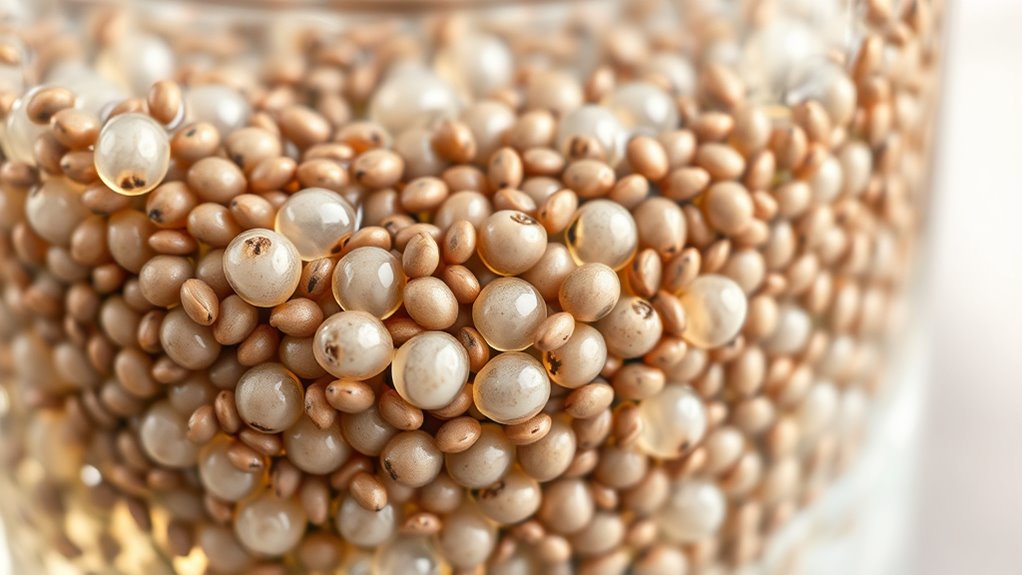
What Effects Do Chia Seeds Make You Poop?
Many people struggle with occasional constipation or irregular bowel movements, and you’re not alone in this. Finding natural ways to support gut health is a common quest, and chia seeds are often recommended as a simple, effective solution.
Chia seeds naturally boost your bowel movements by adding bulk and softening your stool, thanks to their high fiber content. When soaked, they form a gel that helps lubricate your intestines and supports smooth digestion.
This promotes regularity and helps prevent constipation. Drinking plenty of water alongside chia seeds intensifies these effects.
If you keep exploring, you’ll uncover more tips on how to use them effectively and safely for your gut health.
Key Takeaways
- Chia seeds’ high fiber content softens stool and promotes regular bowel movements.
- Soaked chia forms a gel that lubricates the intestines, making it easier to pass stool.
- They act as prebiotics, supporting good gut bacteria and overall digestion.
- Eating 1-2 tablespoons daily can help trigger bowel movements within 12-24 hours.
- Drinking plenty of water with chia seeds boosts their effectiveness and helps prevent bloating.
How Do Chia Seeds Affect Your Gut Health?
Chia seeds can greatly boost your gut health because they’re rich in dietary fiber, which helps with digestion and keeps you regular. When you add chia seeds to your diet, they feed your gut flora—the good bacteria that break down food and keep your digestive system healthy.
The fiber in chia seeds acts as a prebiotic, nourishing these beneficial bacteria and encouraging their growth. As the fiber interacts with your digestive enzymes, it makes digestion more efficient, breaking down complex foods into simpler nutrients.
This process not only supports smoother digestion but also helps balance your gut microbiome. Plus, when soaked, chia seeds form a gel-like substance that can soothe your digestive tract and promote overall gut health.
Can Chia Seeds Help Relieve Constipation?
Constipation can be uncomfortable and frustrating, but adding chia seeds to your diet might help. Thanks to their high fiber content, chia seeds can improve your digestive health and make bowel movements easier.
The soluble fiber in chia seeds absorbs water, softening stool and encouraging regularity. The gel-like consistency they form also helps lubricate your intestines, making it easier to pass stool.
For best results, soak chia seeds before eating or add them to smoothies and yogurt. Drinking plenty of water along with chia seeds boosts their effectiveness.
Incorporating chia seeds regularly can help regulate your digestion and reduce constipation over time.
| Benefit | How It Helps | Tips to Maximize Benefits |
|---|---|---|
| High fiber content | Softens stool and promotes regularity | Soak before eating |
| Water absorption | Adds bulk to stool | Drink water with chia |
| Digestive health | Supports gut function | Use daily in meals |
| Easy to incorporate | Versatile in recipes | Add to breakfast |
| Natural remedy | Safe, gentle relief | Start with small amounts |
How Do Chia Seeds Promote Bowel Movements?
Chia seeds are really great for helping with bowel movements because they’re loaded with fiber. That fiber adds bulk to your stool, which is super helpful when it comes to staying regular.
When you soak chia seeds, they absorb water and swell up, making your stool softer and easier to pass. So, basically, they help keep things moving smoothly through your digestive system, supporting healthy digestion and regularity.
High Fiber Content
Because of their exceptional fiber content, chia seeds can greatly improve your digestion and promote regular bowel movements. The high fiber, especially soluble fiber, forms a gel-like substance called chia gel when mixed with liquids.
This gel adds bulk to your stool, encouraging movement through your digestive system. Plus, the fiber in chia seeds acts as a prebiotic, supporting the growth of beneficial bacteria.
Chia seeds also contain digestive enzymes that help break down food more efficiently, reducing discomfort and aiding digestion. As a result, you may experience softer, more regular bowel movements.
Adding chia seeds to your diet is a simple way to boost fiber intake naturally, supporting overall gut health and promoting smoother digestion.
Water Absorption Properties
The water absorption properties of chia seeds are key to supporting healthy bowel movements. When you soak chia seeds, they soak up water and turn into a gel-like substance, which increases their size.
This water retention helps soften stool, making it easier to pass. Plus, the gel slows down digestion, giving your body more time to absorb nutrients properly.
As chia seeds swell, they also help you feel full longer, which can prevent overeating. The extra water content encourages regularity by preventing dehydration-related constipation.
How Long Does It Take for Chia to Improve Digestion?
Ever wonder how quickly chia seeds can start easing your digestion? The benefits often show up pretty fast, but it really depends on your body’s digestion process.
Usually, if you soak or eat chia seeds with enough liquid, you might notice improvements within 12 to 24 hours. That’s because chia is packed with fiber, which helps keep things regular and soothes your gut.
Soaking or eating chia with liquid can improve digestion within 12 to 24 hours, thanks to its high fiber content.
When you include chia regularly in your diet, the seeds gradually work by bulking up stool and encouraging bowel movements. But individual factors like hydration, gut health, and how much you eat can change how fast you see results.
Some people might notice benefits sooner, while others may need a couple of days. Overall, patience is key. Keep at it regularly, and your digestive system will get the support it needs over time.
How Much Chia Seeds Should You Eat for Better Gut Health?
If you’re looking to boost your gut health with chia seeds, a good starting point is about one to two tablespoons a day. It’s best to ease into it gradually so your digestive system can adapt without any discomfort. And don’t forget to drink plenty of water—chia seeds absorb liquid and can cause bloating if you don’t stay hydrated.
Pay attention to how your body responds as you increase your intake. Everyone’s different, so finding the right amount that works for you is key. Just take it slow, listen to your body, and enjoy the benefits!
Recommended Daily Intake
While there’s no one-size-fits-all answer, most health experts recommend consuming about 1 to 2 tablespoons of chia seeds daily for ideal gut health. The daily recommendations usually focus on serving sizes that are easy to add to your diet.
For most people, this means sticking to 15-30 grams of chia seeds each day. This amount provides enough fiber and omega-3s to support digestion without causing discomfort.
Keep in mind that larger servings aren’t necessarily better and can lead to bloating or digestive issues. It’s best to start with a small serving and adjust based on how your body responds.
Consistently eating chia seeds within these recommended amounts can help improve your gut health and promote regularity.
Gradual Consumption Increase
Increasing your chia seed intake gradually allows your digestive system to adjust and helps prevent discomfort. Start with small amounts, like one tablespoon daily, and slowly increase as your body tolerates it.
Different chia seed varieties, such as black or white seeds, have similar benefits. So, pick the one you like or mix them in your favorite recipes.
Try adding chia seeds to smoothies, yogurt, or oatmeal to make the transition easier. Monitoring how your body responds ensures you don’t overwhelm your gut.
Remember, taking large doses suddenly can cause bloating or constipation, so gradual increases are key. By slowly upping your intake, you give your digestion time to adapt.
This helps promote better gut health and ensures you get the most benefits from chia seeds over time.
Balancing Fiber Intake
Eating the right amount of chia seeds is key to getting their digestive benefits without causing discomfort. Start small—about one to two tablespoons daily—and gradually increase as your body gets used to it.
Too much fiber too quickly can upset your digestion, leading to bloating or constipation. Pay attention to how your body responds and make sure to stay hydrated. Water helps chia seeds expand and move smoothly through your gut.
Including chia seeds in a balanced diet ensures you enjoy their benefits without overloading your system. Consistency matters—too little won’t support digestion, but too much can cause issues. Find your ideal amount to support steady, healthy digestion and maintain that fiber balance for better gut health.
Why Are Fiber and Hydration Important When Eating Chia Seeds?
Because chia seeds are rich in fiber, it’s important to drink enough water for them to work well in your digestive system. Without proper hydration, that high fiber can cause constipation or discomfort.
When you eat chia seeds, you’re adding a great source of fiber, so staying well-hydrated is key. Proper hydration helps the fiber swell and form a gel-like substance that supports healthy digestion.
To make sure you’re drinking enough water, try these tips:
- Have a glass of water with your chia seeds or meals.
- Keep a water bottle nearby to remind yourself to sip throughout the day.
- Include water-rich foods like fruits and vegetables with your chia seeds.
Focusing on good hydration and choosing fiber-rich foods wisely will keep your digestion smooth and comfortable. This way, you get the most benefits from chia seeds in your diet.
Are There Side Effects of Eating Too Many Chia Seeds?
Are there risks associated with consuming too many chia seeds? Yes, eating too much can lead to some side effects. Some people might experience digestive discomfort like bloating, gas, or stomach cramps if they consume a lot.
Chia seeds are high in fiber, which is great in moderation. But too much fiber can overwhelm your digestive system and cause issues. Also, a small number of people may have chia seed allergies, which could trigger reactions like itching, swelling, or trouble breathing.
If you notice any allergic symptoms, stop eating chia seeds and seek medical help. Drinking enough water is important because excess fiber without proper hydration can make digestive problems worse.
To avoid these side effects, stick to recommended serving sizes and pay attention to how your body reacts. Moderation allows you to enjoy the benefits of chia seeds without risking discomfort or allergic reactions.
How to Add Chia Seeds to Your Diet for Digestive Benefits
Integrating chia seeds into your diet can boost your digestive health because of their high fiber content. To enjoy their benefits, start by adding chia seed recipes to your meals. You can sprinkle them on yogurt, oatmeal, or salads for a quick boost.
Boost digestion by adding high-fiber chia seeds to yogurt, oatmeal, or salads daily.
Making digestive smoothies with chia seeds is another easy way. Just blend them with fruits, vegetables, and liquids for a fiber-rich drink that supports digestion.
Here are some simple ideas:
- Mix chia seeds into your morning oatmeal or yogurt.
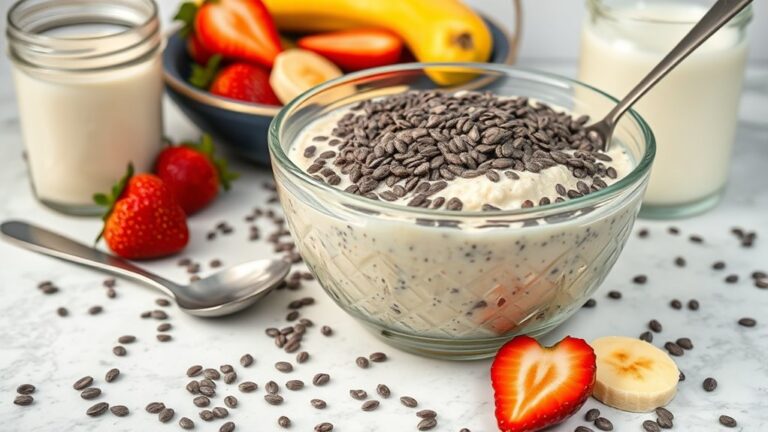
- Prepare a chia seed pudding as a nutritious snack.
- Blend them into your favorite digestive smoothies for added fiber.
Remember to soak chia seeds in water or milk for about 10-15 minutes before eating. This helps prevent choking and makes them easier to digest. Incorporating these small changes makes it simple to enjoy the digestive benefits chia seeds offer every day.
What Do Experts Say About Chia Seeds and Your Gut?
Experts agree that chia seeds can give your digestive health a nice boost, mainly because they’re packed with fiber. You know, that fiber helps keep things moving smoothly in your gut and can even help prevent problems like constipation.
Digestive Benefits of Chia
Many health professionals highlight chia seeds’ ability to support digestion due to their high fiber content. This fiber not only helps keep you regular but also acts as a prebiotic, feeding your gut microbiome and promoting overall digestive health.
When you include chia in your diet, you’re helping nurture beneficial bacteria, which can lead to better nutrient absorption and less bloating. They act as a gentle cleanser, helping move waste through your system.
Chia seeds support a healthy gut microbiome, boosting your immune defenses. Plus, they keep your digestion steady and help reduce discomfort.
Expert Opinions on Fiber
Nutrition specialists agree that the high fiber content in chia seeds offers significant benefits for gut health. As a rich fiber source, chia seeds help support a diverse and healthy gut microbiome, which is essential for digestion and overall well-being.
Experts emphasize that the soluble fiber in chia seeds absorbs water, forming a gel that promotes regular bowel movements and prevents constipation. They also note that fiber fuels beneficial gut bacteria, enhancing digestion and immune function.
While chia seeds are a powerful fiber source, experts recommend balancing them with other fibers from fruits, vegetables, and grains for ideal gut health. Overall, incorporating chia seeds into your diet can positively influence your gut microbiome and improve digestion.
Are Chia Seeds Useful for Other Digestive Issues?
Are chia seeds beneficial beyond relieving constipation? Absolutely. They can support other digestive issues by promoting a healthy gut microbiome, thanks to their probiotic benefits. When you include chia seeds in your diet, they help feed good bacteria in your gut, which can improve digestion and reduce bloating.
Here’s how they help:
- Support probiotic benefits by nourishing beneficial gut bacteria, which boosts overall digestive health.
- Help soothe inflammation in the digestive tract, easing symptoms of conditions like gastritis or ulcers.
- Improve nutrient absorption, making it easier for your body to process foods and reduce discomfort.
Frequently Asked Questions
Can Chia Seeds Cause Bloating or Gas?
Yes, chia seeds can cause bloating or gas, especially if you’re not used to their high fiber content. Their soluble fiber helps with digestion, but eating too many too fast can lead to excess gas and bloating.
To avoid discomfort, start with small amounts, drink plenty of water, and increase your intake gradually. This allows your digestive system to adjust and reduces the chances of bloating or gas.
Are There Any Allergies Related to Chia Seed Consumption?
Chia seed allergies are rare but can cause serious reactions that feel like an allergic storm hitting your body. You might notice symptoms like itching, swelling, difficulty breathing, or hives suddenly erupting on your skin.
If you experience these signs after eating chia seeds, stop eating them immediately and seek medical help. Stay alert for potential chia seed allergies, especially if you’ve had allergic reactions to other seeds or nuts.
Do Chia Seeds Interact With Medications for Digestion?
Chia seeds can interact with medications by affecting how your body absorbs them and impacting your digestive health.
Because of their high fiber content, eating chia seeds might slow down or change the way your body processes certain drugs.
To avoid any issues, it’s best to take your medications at least an hour before or after consuming chia seeds.
If you’re worried about possible interactions, especially if you’re on medication for digestive health, it’s a good idea to check with your healthcare provider.
Can Chia Seeds Help With Diarrhea?
In terms of diarrhea, chia seeds might be your secret weapon thanks to their benefits for digestive health. They absorb excess water in your gut, helping to bulk up stool and slow down diarrhea.
Keep in mind, start small to avoid swinging the pendulum the other way. Chia seeds can be a natural, gentle way to support your gut, but it’s best to check with a healthcare professional if your issues persist.
Are Chia Seeds Suitable for People With Sensitive Stomachs?
Yes, chia seeds can be suitable for people with sensitive stomachs, but it’s best to start slowly. Their high fiber content can help with digestion and regulate your bowel movements.
That said, fiber can cause bloating or discomfort if you introduce it too quickly. So, soak the seeds first and then gradually increase your intake.
Listen to your body, and if you notice any adverse effects, it’s a good idea to consult a healthcare professional.
Conclusion
Incorporating chia seeds into your diet can really boost your digestion and help with constipation—many people see results within just a week. Did you know that chia seeds pack about 11 grams of fiber per ounce? That’s more than a banana!
Just remember to start slow and stay hydrated. This way, you’ll support your gut health naturally and enjoy smoother, more regular bowel movements every day.
Incorporating chia seeds makes a big difference in how you poop. They’re a simple, effective way to keep things moving smoothly and improve your overall digestion.