What Is a Hybrid Seed? Understanding Hybrid Seeds for Better Farming
A hybrid seed is produced by cross-pollinating two genetically different parent plants to combine desirable traits such as higher yield, disease resistance, or specific growth characteristics. This process results in seeds that produce uniform, vigorous plants but may not retain these traits in subsequent generations.
Hybrid seeds play a significant role in modern agriculture because they help increase crop productivity and reduce vulnerability to pests and environmental challenges. Farmers often prefer hybrids for their consistency and improved performance over traditional open-pollinated varieties.
In this article, we will explain how hybrid seeds are created, their benefits and drawbacks, and factors to consider when choosing between hybrid and other seed types for gardening or farming.
Understanding Hybrid Seeds: Creation and Basics
How Hybrid Seeds Are Produced
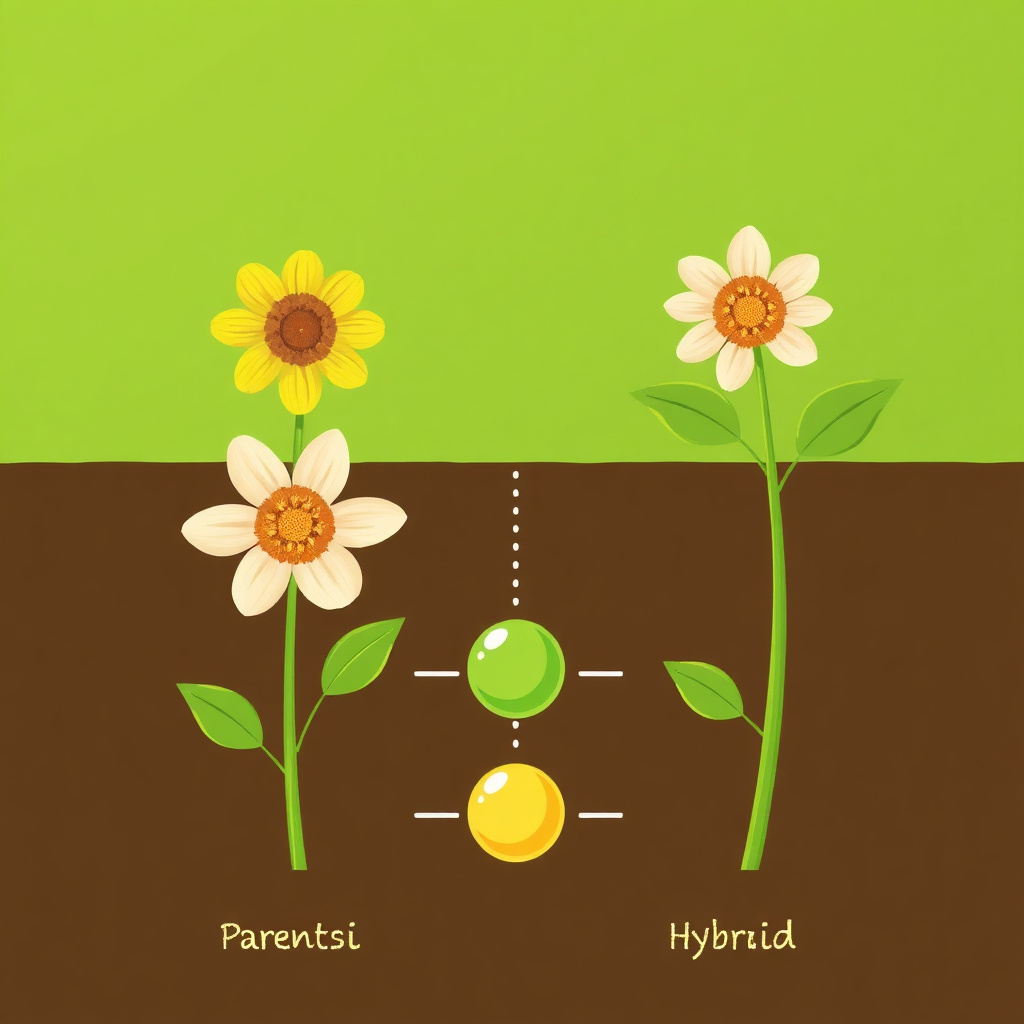
Hybrid seeds are created through controlled cross-pollination, where pollen from one selected parent plant is transferred to the flower of another differing parent plant. This method ensures the offspring inherit specific characteristics from both parents, such as disease resistance or higher yields.
The process requires isolating parent plants to prevent unwanted cross-pollination, often carried out in greenhouses or isolated fields. The resulting seeds are first-generation (F1) hybrids known for their vigor and uniformity.
Difference Between Hybrid and Open-Pollinated Seeds
Unlike hybrid seeds, open-pollinated seeds come from natural pollination methods and typically breed true to type, meaning plants grown from them retain the characteristics of the parent plants over generations.
Hybrid seeds generally do not breed true when saved and replanted because their offspring can show genetic variation and lose desirable traits. This distinction shapes how farmers and gardeners decide on seed types for their crops.
Advantages of Hybrid Seeds in Agriculture
Increased Yield and Uniformity
One major advantage of hybrid seeds is that they often produce plants with higher yields compared to open-pollinated varieties. This improved productivity comes from combining beneficial traits of parent plants such as vigor and adaptability.
Additionally, hybrid plants typically exhibit uniform growth characteristics, making harvesting and crop management more efficient, which is attractive for commercial farmers aiming for consistent quality and quantity.
Disease and Pest Resistance
Many hybrid seeds are bred to resist specific diseases and pests, reducing the need for chemical pesticides and lowering crop losses. This resistance results from selecting parent plants with strong natural defenses and combining their traits.
By planting disease-resistant hybrids, farmers can reduce their reliance on treatments and improve overall crop health, which is especially beneficial in regions prone to certain pathogens or insect infestations.
Limitations and Considerations of Hybrid Seeds
Seed Saving Challenges
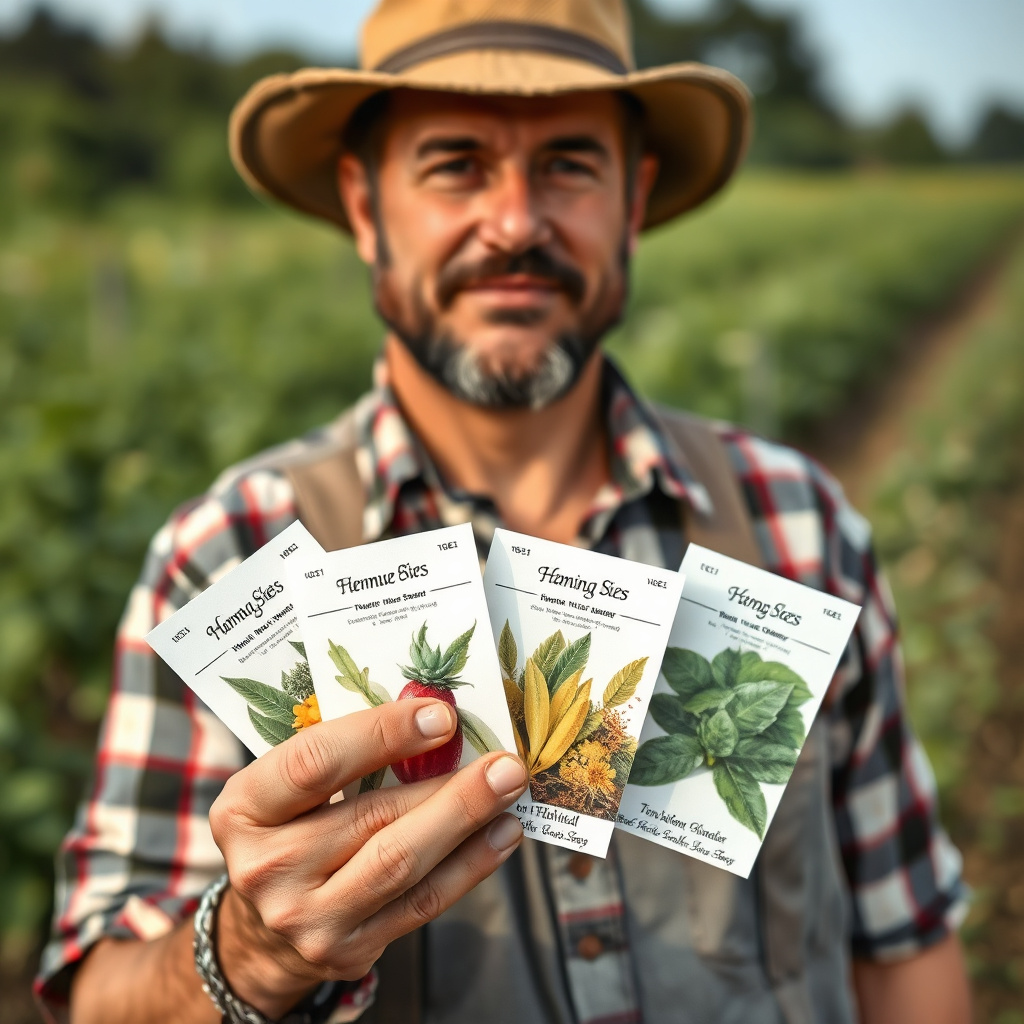
A notable drawback of hybrid seeds is that seeds saved from hybrid plants usually do not perform as well when replanted because the offspring may lose the specific hybrid traits. This makes it necessary to purchase fresh hybrid seeds each season.
For many small-scale farmers or gardeners who prefer self-sustaining seed cycles, this limits the economic and ecological advantages of hybrids compared to open-pollinated seeds.
For more on this, see our related guide: Hybrid Cannabis Seeds Explained: What You Need to Know Before Buying.
Cost and Accessibility
Hybrid seeds often cost more due to the complex controlled breeding process. This higher price can be a barrier for some growers, especially in developing regions or small subsistence farms.
Moreover, hybrids may require particular growing conditions or inputs like fertilizers and irrigation to reach their full potential, adding to the overall cost consideration.
Common Crops Using Hybrid Seeds
Vegetables
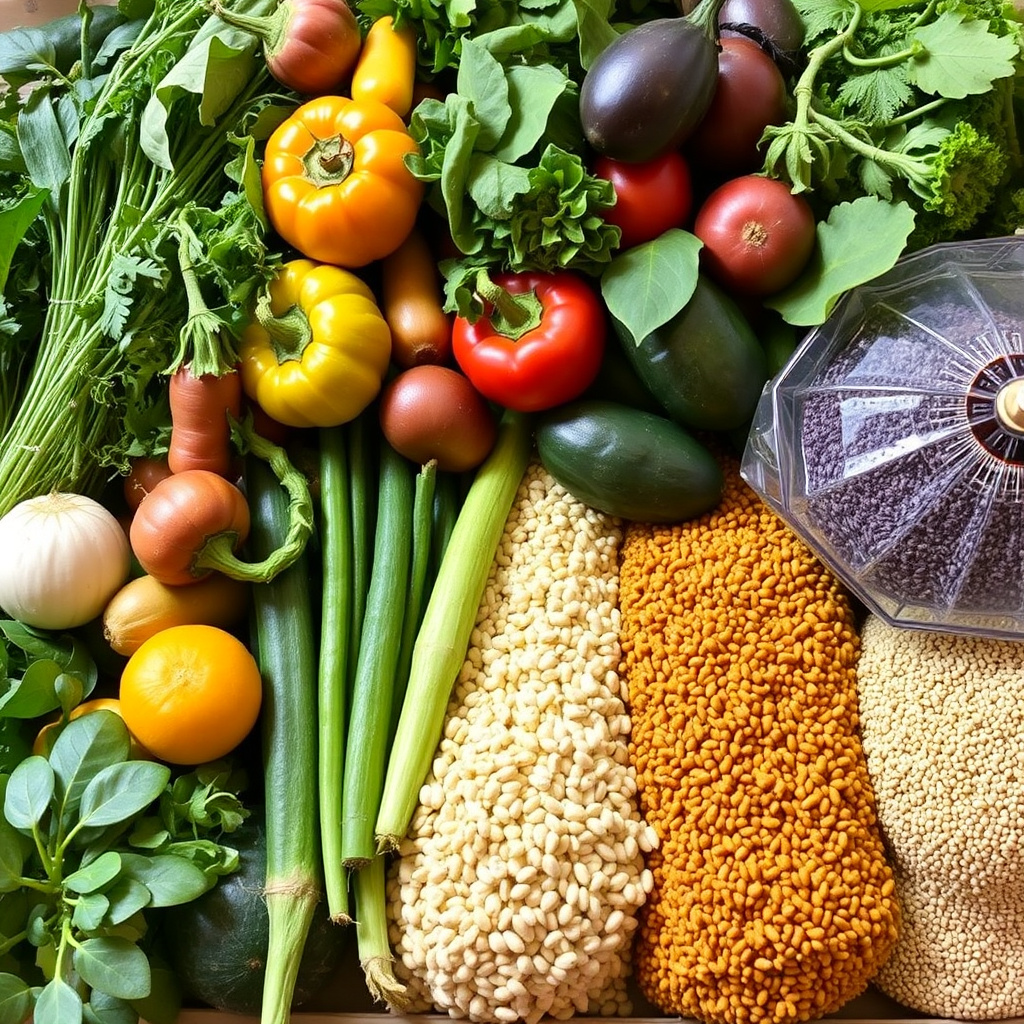
Popular vegetable crops like tomatoes, peppers, and cucumbers often have hybrid varieties available, bred for traits such as improved taste, uniform size, and resistance to common diseases.
These hybrid varieties help commercial growers meet market demands with consistent quality while home gardeners benefit from better garden performance under local conditions.
Field Crops and Grains
Hybrid seeds dominate key field crops such as corn, sunflower, and cotton, where yield improvement and pest resistance translate directly into higher profits for producers.
Hybrid corn, for instance, revolutionized agriculture by significantly raising average yields through hybrid vigor, making it one of the most widely planted crops worldwide.
Choosing Between Hybrid and Other Seed Types
Assessing Needs and Goals
Deciding whether to use hybrid seeds depends on factors like desired crop performance, budget, and willingness to purchase new seed each season. Growers seeking maximum yield and disease resistance might prefer hybrids.
Conversely, those valuing seed saving, biodiversity, and adaptability to local conditions might lean toward open-pollinated or heirloom seeds.
For more on this, see our related guide: How to Compare Seed Varieties for Successful Gardening.
Evaluating Regional Factors
Climate, soil type, and pest pressure influence which seed type performs best in a given region. Hybrid seeds bred for specific conditions can provide advantages, but local varieties sometimes offer better results without additional costs.
Testing a few seed types on a small scale before full planting can help determine which seed category suits the environment and growing objectives best.
Managing Hybrid Seed Crops for Best Results
Optimal Growing Practices
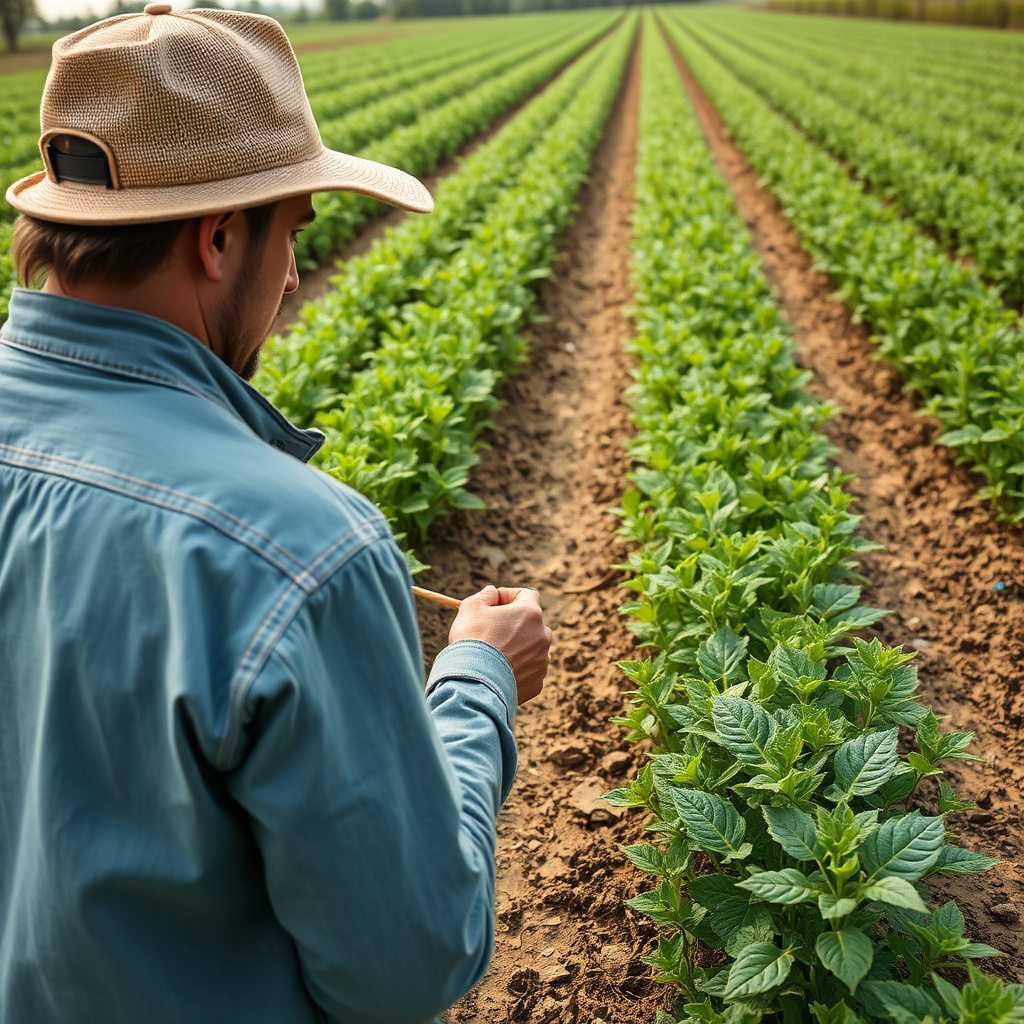
To get the most from hybrid seeds, providing proper soil nutrition, irrigation, and pest control is essential. Hybrids often show their best performance under ideal conditions tailored to their genetics.
Consistent monitoring and timely interventions help maintain plant health and maximize yield, fulfilling the potential embedded in hybrid seed genetics.
For more detailed scientific background, see this hybrid seeds overview on Wikipedia. hybrid seeds overview.
Crop Rotation and Disease Management
Although hybrid seeds often offer disease resistance, integrating crop rotation and good field hygiene helps prevent resistance breakdown and pest buildup.
Planning crop sequences and field sanitation reduces pressure on hybrid plants and sustains their benefits over multiple seasons.
Hybrid Seeds vs. Open-Pollinated and Heirloom Seeds Comparison
Here’s a detailed comparison of hybrid, open-pollinated, and heirloom seeds, helping you weigh their characteristics for your planting needs.
| Seed Type | Yield | Seed Saving Viability | Cost | Genetic Uniformity | Disease Resistance |
|---|---|---|---|---|---|
| Hybrid Seeds | High | Poor, loses traits in next generation | Higher | Very uniform | Often bred for resistance |
| Open-Pollinated Seeds | Moderate | Good, breeds true | Lower | Moderate variability | Variable, depends on variety |
| Heirloom Seeds | Variable | Excellent, stable traits | Low to moderate | Variable but stable | Often susceptible, but some adapted |
| F1 Hybrid Seeds | High | Poor, first generation only | Highest | Highly uniform | Specifically bred for resistance |
Frequently Asked Questions
Can I save seeds from hybrid plants for next year’s planting?
Seeds saved from hybrid plants usually do not produce offspring identical to the parent because genetic traits segregate. This leads to variability and loss of desirable hybrid characteristics, so farmers typically purchase new hybrid seeds each season.
Are hybrid seeds genetically modified organisms (GMOs)?
No, hybrid seeds are not genetically modified organisms. They result from natural cross-pollination between different varieties of plants, while GMOs involve genetic engineering techniques to insert or modify genes.
Why do hybrid seeds cost more than open-pollinated seeds?
Higher costs stem from the controlled breeding process required to produce hybrid seeds, including labor, isolation of parent plants, and testing to ensure seed quality and hybrid traits. This makes hybrids more expensive than naturally pollinated seeds.
Do hybrid seeds always produce better yields?
Hybrid seeds often produce higher yields due to hybrid vigor, but performance depends on growing conditions. Without proper care and suitable environment, the yield advantage may be reduced or lost.
Are hybrid seeds suitable for home gardeners?
Hybrid seeds can benefit home gardeners by offering disease resistance and uniform crops. However, gardeners interested in seed saving or heirloom varieties may prefer open-pollinated seeds instead.
Key Takeaways
- Hybrid seeds are created by crossing two different parent plants to combine desired traits.
- They provide higher yields, uniformity, and disease resistance beneficial in commercial farming.
- Seed saving from hybrids results in loss of desirable traits, requiring repurchasing seed annually.
- Choosing seed type depends on goals, budget, regional factors, and willingness to buy new seeds.
Conclusion
The decision to use hybrid seeds centers on weighing the benefits of enhanced yield, uniformity, and disease resistance against the drawbacks of higher cost and inability to save seeds sustainably. Hybrid seeds represent a useful tool when maximizing productivity is a priority, especially for commercial farmers aiming for consistent quality across their fields. Understanding how hybrids differ from open-pollinated and heirloom seeds helps growers select what fits their production methods and values best. Considering local environmental conditions and personal goals also plays a critical role in this choice.
For those seeking maximum productivity with reliable disease resistance, hybrid seeds—particularly F1 hybrids—offer distinct advantages and are well suited to commercial-scale operations. In contrast, gardeners or small farmers who value genetic diversity, seed saving, and adaptation to local soils frequently find open-pollinated or heirloom varieties preferable despite their variable yields. Testing different seed types on a small scale before committing to large plantings can reveal which seed category performs best under given conditions, combining both practicality and personal preference in seed selection strategy.
Ultimately, deciding what is a hybrid seed and its role in your farming or gardening should start with clear objectives: are you prioritizing greater uniformity and yields, or seed-cycle sustainability and diversity? Once determined, exploring recommended hybrid varieties or local seed sources offers a concrete path forward. Keeping informed about the latest hybrid seeds and their traits supports making smart, tailored choices to meet your growing needs efficiently.